When designing a building, a recurring thought is often how long it will endure. Once construction is complete and the building opens its doors to users, its lifespan begins, and it gradually establishes its legacy. This raises the question of how it will be remembered, of what imprint the building will leave on our minds: architectural memory. And like human memory, architectural memory is fickle. Buildings are forgotten just as memories fade.
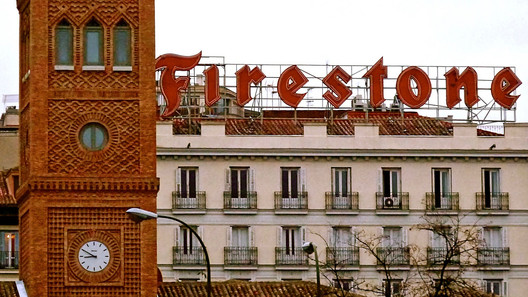
Madrid's architecture makes excellent use of memory. Styles characteristic of its historic heritage remain standing today, fully functional. The Neo-Mudéjar style, for example, took root at the end of the 19th century; today, numerous surviving examples remain vital urban hubs, housing uses such as hospitals, universities, schools, care homes, cultural centers, and museums.