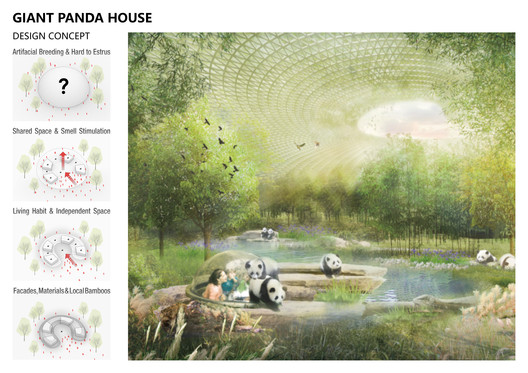
(Article by Wang Xin) Recently, Chengdu officially launched the detailed design phase for the “Capital of Pandas,” marking the start of construction on the new home for the pandas. In January 2019, the master planning and conceptual design scheme developed by the consortium of Shanghai Tianhua Architecture Planning & Design, Chapman Taylor LLP, and Masa Studio (Hong Kong) Co., Ltd. won the competition. The consortium was awarded the detailed design contract for the “Beihu Area,” the project's largest plot and home to the Chengdu Research Base of Giant Panda Breeding.
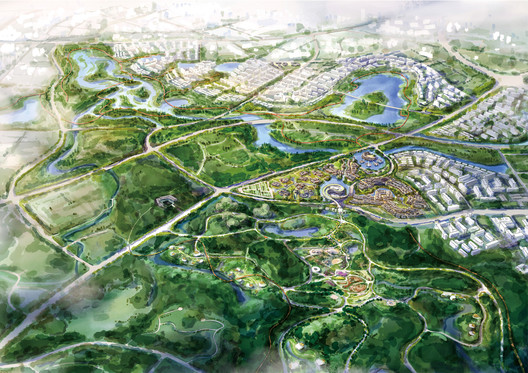
Inspired by Martin Buber's philosophy of dialogue, the Tianhua consortium's competition scheme approaches pandas from the perspective of a shared community of life, exploring the relationship between humans, pandas, and the natural world. The scheme maps out a journey from “encounter” to “respect” and ultimately to “flourishing,” applying the design principles of “ecological continuity” and “organic interaction” across three major areas: Beihu, Dujiangyan, and Longquanshan.
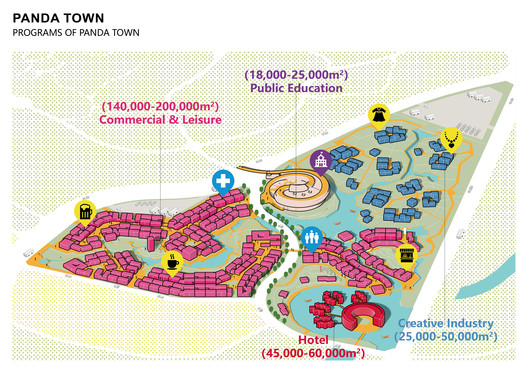
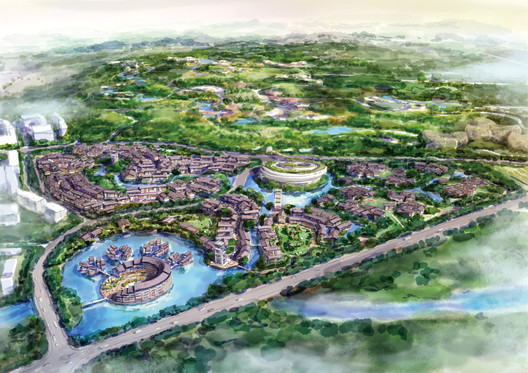
Located in the urban area, the Beihu Area covers 35 square kilometers and is Chengdu's most popular tourist destination. Through functional expansion and spatial design, the consortium aims to facilitate harmonious encounters between humans and giant pandas. To achieve this, the panda base will undergo expansion and renovation to simulate natural habitats and showcase natural animal behaviors. Additionally, a panda-themed town centered on cultural creativity, tourism, and leisure will be created, extending the base's research, conservation, and education functions. Together, these elements will support Beihu's development into a world-class panda conservation demonstration site and a hub for panda culture.
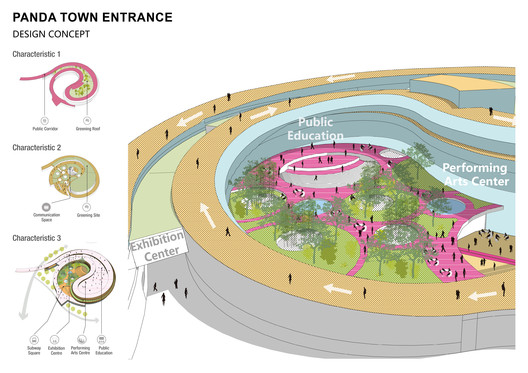
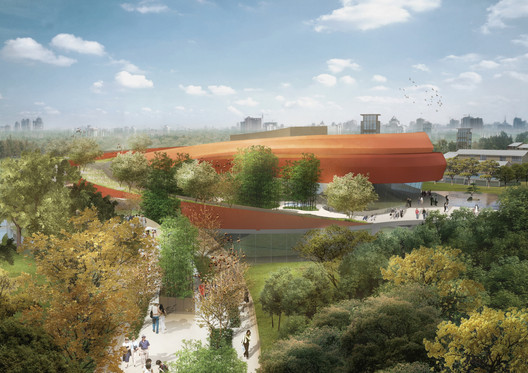
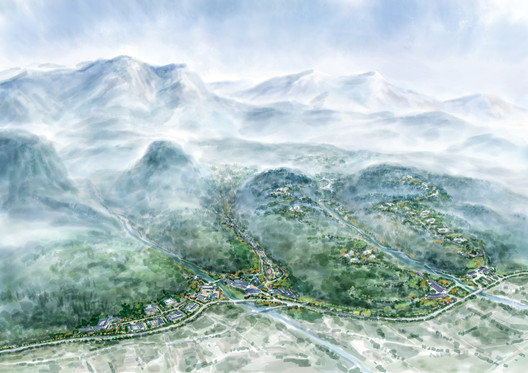
Situated between Mount Qingcheng and Dujiangyan, the Dujiangyan Area adopts an animal-friendly expansion model for the rewilding center, developed in consultation with wildlife experts from the Chinese Academy of Sciences regarding environmental standards for panda rewilding. Existing local houses will also be repurposed to create the Mengqi Resort, nestled seamlessly within the natural valley.
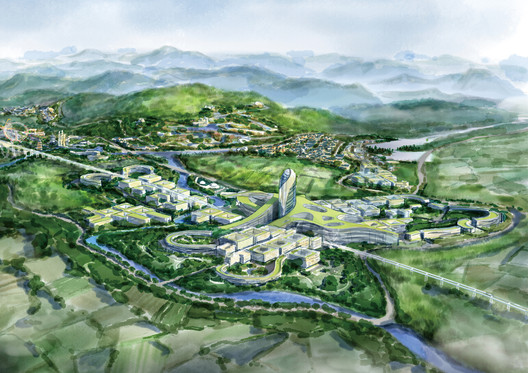
The Longquanshan Area is located in eastern Chengdu, adjacent to the new airport. Here, the design team envisions a bamboo culture leisure ring that connects the zoo, theme park, future industry park, and bamboo industry park, creating a forward-looking, animal-friendly environment.
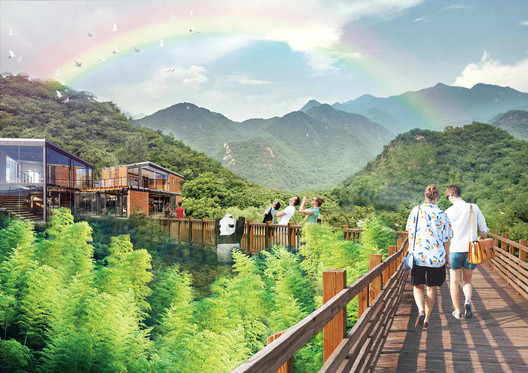
Approaching the project through a new perspective on the relationship between humans and pandas, the Tianhua consortium presents a journey from “encounter” to “respect” and “flourishing,” providing a viable blueprint for Chengdu to build a shared community of life.
This article was written by 舒岳康 - SHU Yuekang. The translation is powered by AI.