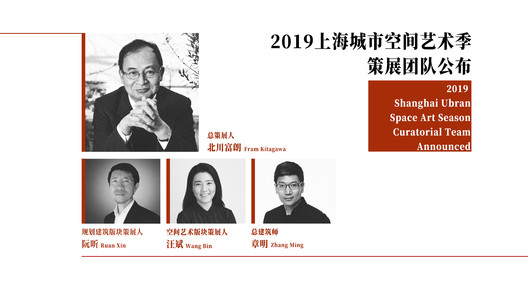
On April 17, 2019, details were announced for the "2019 Shanghai Urban Space Art Season" (SUSAS), hosted by the Shanghai Urban Sculpture Committee and co-organized by the Shanghai Municipal Planning and Natural Resources Bureau, the Shanghai Municipal Culture and Tourism Bureau, and the People's Government of Yangpu District, Shanghai.
Following the successful editions in 2015 and 2017, the 2019 Space Art Season continues to explore urban space topics against the backdrop of Shanghai's current phase of urban regeneration. This year's theme is rooted in the municipal government's "One River, One Creek" public space development strategy. Focusing on the global topic of "waterfront spaces bringing a better life to humanity," the event will span nearly two months. Through themed exhibitions, case studies, joint exhibitions, and various public activities—combined with cultural and tourism initiatives like "One Million Citizens Viewing Shanghai"—it will showcase Shanghai's recent achievements and future vision in connecting and improving waterfront spaces citywide. The main exhibition will open at the Yangpu Waterfront at the end of September.
Theme of the 2019 Shanghai Urban Space Art Season
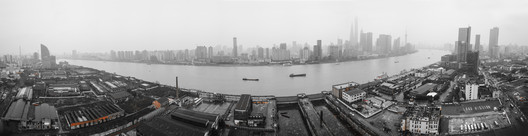
Shanghai is a city born of water, with the Huangpu River and Suzhou Creek serving as its mother rivers. For over a century, these two watercourses have witnessed Shanghai's transformation from a small fishing village into a modern metropolis, as well as the development of its modern industry and commerce. The banks of the Huangpu River were once lined with factories, docks, and warehouses. For a long time, the Bund was the only place where people could get close to the river; along other stretches of the shoreline, people could hear the ship horns but could rarely see the flowing water.

The Expo 2010 Shanghai initiated the functional transformation of the Huangpu River waterfront, marking a phase in Shanghai's urban development that increasingly focused on urban quality, with a determination to meet the public's expectations for a better life through beautiful spaces. In December 2017, through strategic municipal deployment and the continuous efforts of various entities along the river, a 45-kilometer stretch of the Huangpu River waterfront was finally connected. This monumental public space development stands as one of the most significant works of urban regeneration in Shanghai in recent years. It not only provides residents with beautiful scenic public spaces but also adds a brilliant chapter to the global history of urban construction through its profound humanistic care. On January 31, 2019, the municipal government issued the *Guidelines on Improving the Planning and Construction of the Huangpu River and Suzhou Creek Waterfront Areas*, and approved the *Huangpu River Waterfront Area Construction Plan (2018-2035)* and the *Suzhou Creek Waterfront Area Construction Plan (2018-2035)*. These guiding documents further define the Huangpu River waterfront as a centralized showcase for global city development capacity, and the Suzhou Creek waterfront as a model for livability in megacities.
To summarize the achievements of the "One River, One Creek" public space construction and look forward to the blueprint of this macro strategy, the theme of the 2019 Shanghai Urban Space Art Season was conceived. Through activities that integrate art into spaces, this edition invites the public to experience the connected waterfront as a collective public art piece. By combining exhibitions and physical practices, the event will establish a platform for dialogue, inviting everyone to discuss the global topic: "Waterfront Spaces for a Better Life."
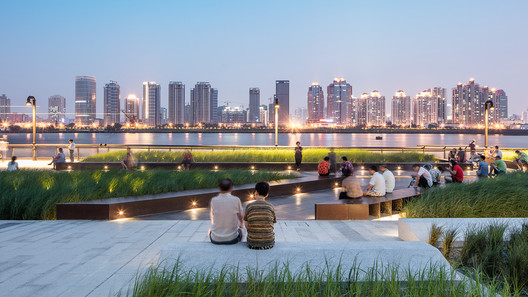
The theme of the main exhibition, proposed by the chief curator, is "Encounter." It symbolizes the encounters presented in this art season: between people, water and shore, art and urban space, and history and the future. These interactions are set to inspire further encounters with beautiful lives and emotions, forming an indelible urban memory during the celebration of the 70th anniversary of the founding of the People's Republic of China. Li Qiang, Secretary of the Municipal Party Committee, pointed out that the banks of the Huangpu River should be transformed into the city's living room. Now that this living room has been created, the 2019 Shanghai Urban Space Art Season invites people from all over the world to encounter Shanghai.
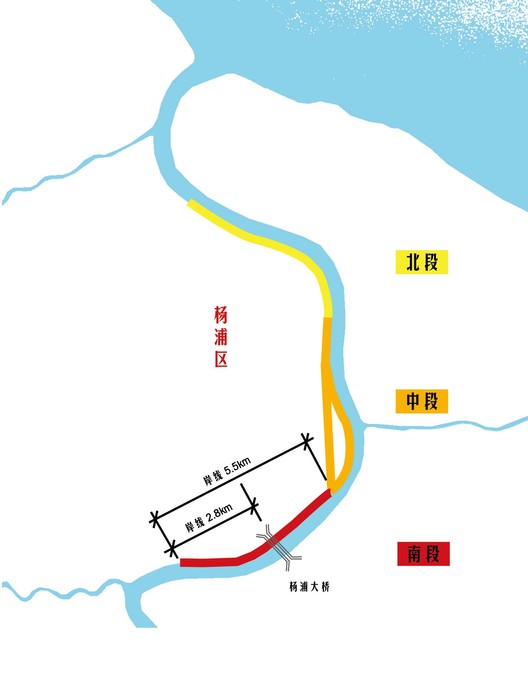
Primary Venue of the 2019 Space Art Season
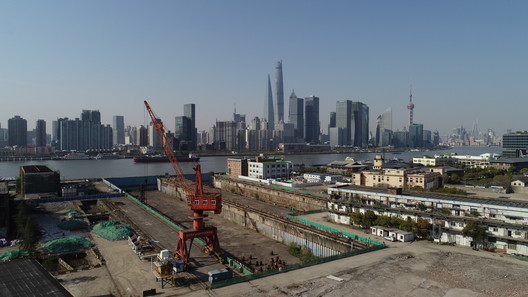
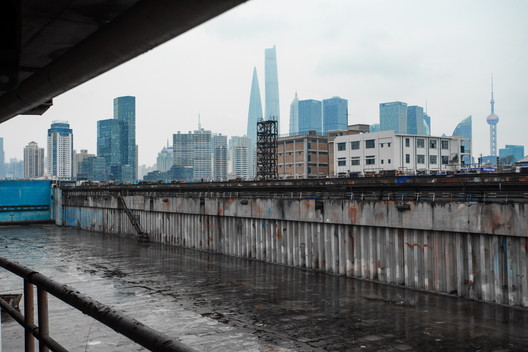
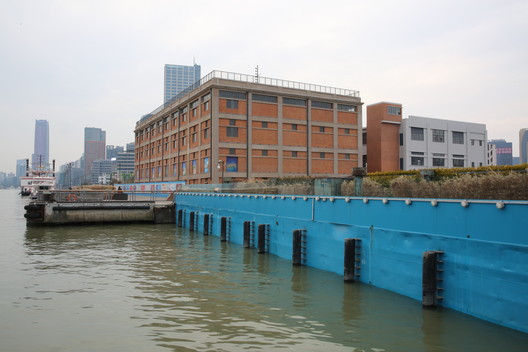
Main Exhibition Venue and Pavilions: Former Site of Shanghai Shipyard (Dock and Maoma Warehouse)
Outdoor Public Art Extension Area: 5.5-kilometer Waterfront Public Space in the Southern Section of Yangpu Waterfront
The Yangpu Waterfront boasts a 15.5-kilometer shoreline along the Huangpu River. With its abundant industrial heritage, it records Shanghai's century-long municipal and industrial development history, and carries the historic, revolutionary memories of Shanghai's working class dedicating themselves to building the new China. The southern section of the Yangpu Waterfront spans 5.5 kilometers (defined as the area south of Yangshupu Road, north of the Huangpu River shoreline, east of Qinhuangdao Road, and west of Dinghai Road). The decommissioning of industrial and warehousing facilities along this shoreline has freed up approximately 1.8 square kilometers of land in the city center for urban transformation. According to the *Huangpu River Waterfront Area Construction Plan (2018-2035)*, the Yangpu Waterfront is planned to become a technology and innovation district, serving as one of the most critical transformation areas as Shanghai enters its urban regeneration phase. The Yangpu District Party Committee and District Government place great importance on innovative development models for the Yangpu Waterfront, opting to open up the 5.5-kilometer waterfront public space and its historic buildings to co-host this year's Space Art Season. Centering on artistic vitality, the area will eventually feature modern bookstores, art galleries, and other cultural facilities, creating a "Century-Old Industry" museum cluster that leverages the guiding role of culture.
This article was written by 韩爽 - HAN Shuang. The translation is powered by AI.

