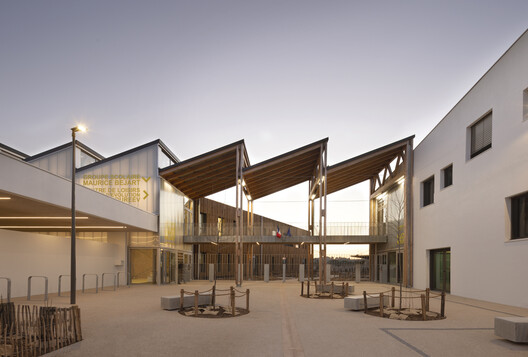
Over the past decades, timber has expanded its presence in contemporary architecture—driven both by the development of new construction technologies and by the rediscovery of traditional building techniques, all with a focus on lower-impact environmental solutions. Schools are among the building types that best reflect this movement: it is in these environments that the environmental, constructive, and sensory qualities of timber find particularly fertile ground.
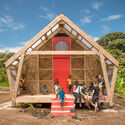
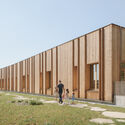
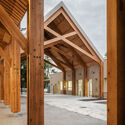
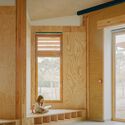
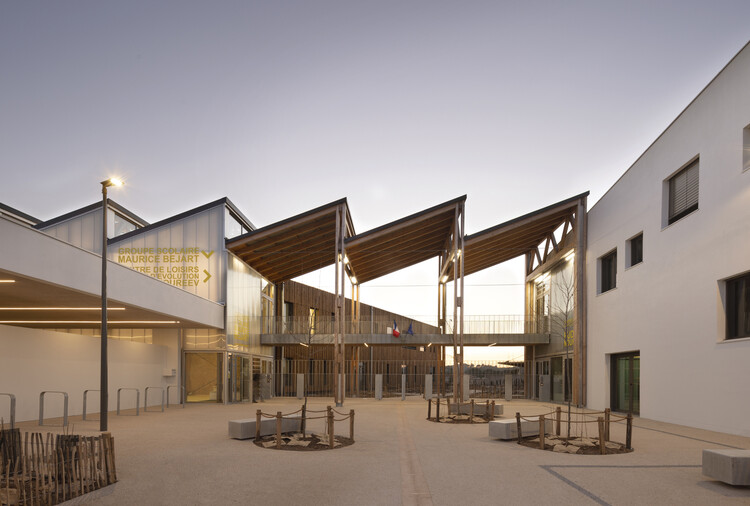
Alongside vernacular techniques—which strengthen local, economic, and social ties—industrialized systems such as cross-laminated timber (CLT), glued laminated timber (glulam), and hybrid structures have gained prominence. These systems reduce the carbon emissions associated with construction while enabling faster and more efficient building processes, characteristics that are especially advantageous for educational facilities.


