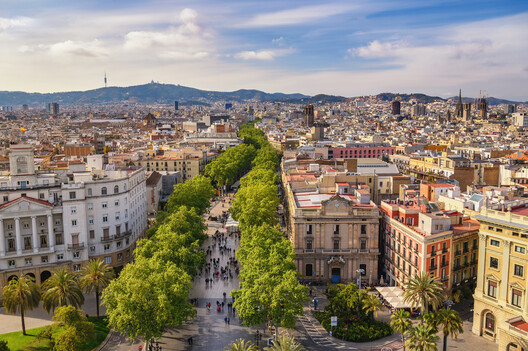
As Europe experiences one of its earliest and most intense heatwaves in recent years, World Environment Day 2026 arrives amid renewed discussions about climate adaptation, urban resilience, and the capacity of cities to respond to increasingly extreme temperatures. Across Portugal, France, Italy, Spain, Germany, Switzerland, Ireland, and the United Kingdom, temperatures have surged well above seasonal averages, prompting heat alerts, school closures, emergency planning measures, and growing concerns about the performance of buildings and public infrastructure under prolonged heat stress. The convergence of these highlights a reality that is becoming increasingly worldwide: climate change is no longer solely an environmental concern but an issue that is fundamentally reshaping the spaces where people live, work, and gather.



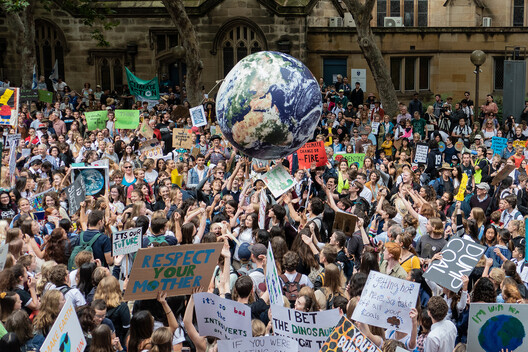
This year's World Environment Day, hosted by Azerbaijan and organized by the United Nations Environment Programme (UNEP), focuses on climate action under the theme "Now for Climate." The campaign emphasizes the growing urgency of responding to signals already being felt across ecosystems, economies, and communities, from rising sea levels and prolonged droughts to increasingly frequent heatwaves and wildfires. While the annual observance has long served as a platform for environmental awareness, the conditions unfolding across Europe have given this year's message particular immediacy.
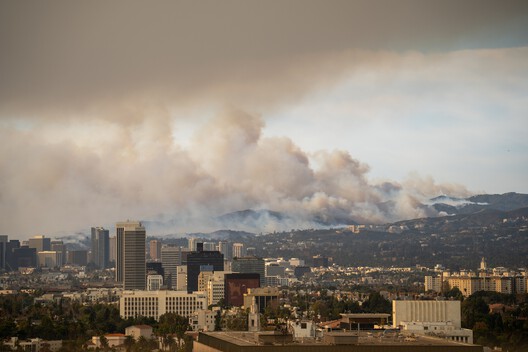
Extreme heat has traditionally been treated as a seasonal weather event. Increasingly, however, it is becoming a defining design condition. The current European heatwave has been driven by a persistent atmospheric "heat dome," a high-pressure system that traps warm air and amplifies temperatures across large geographic areas. While individual events cannot be attributed solely to climate change, scientists consistently find that global warming is increasing both the frequency and intensity of heatwaves. Europe is warming faster than the global average, making the continent particularly vulnerable. Portugal recently recorded a new national May temperature record of 40.3°C in Mora, while France experienced its hottest spring since records began in 1900. Temperatures typically associated with midsummer have arrived weeks early, prompting governments to activate emergency measures usually reserved for July and August.
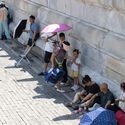
The consequences extend well beyond weather statistics. In France, authorities have reported school closures and concerns over overheating classrooms, while municipalities have implemented measures to protect vulnerable populations. Italy issued some of its first red heat alerts of the year in cities including Rome, Florence, Bologna, and Turin. At the same time, high temperatures combined with limited rainfall have accelerated soil drying across parts of France, raising concerns about water availability and wildfire risk as summer begins.
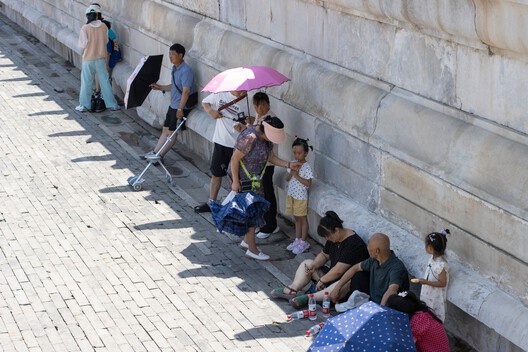
Cities Built for a Different Climate
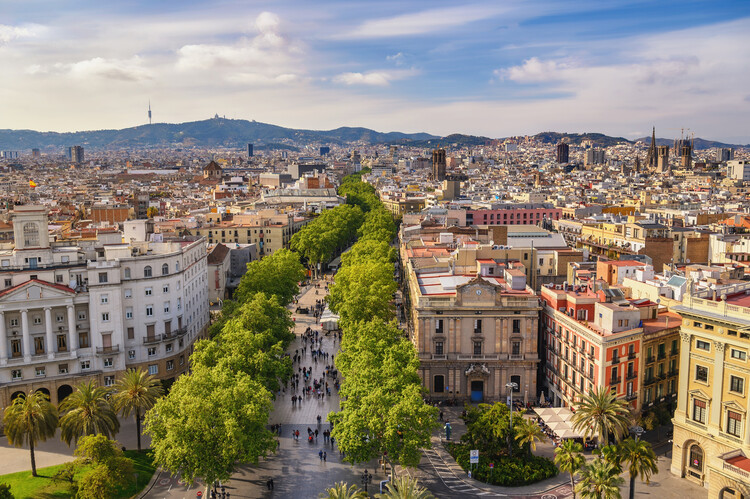
The recent heatwave has exposed the extent to which many cities remain unprepared for prolonged periods of extreme heat. While European urban centers have invested heavily in flood protection, decarbonization initiatives, and energy transitions, adaptation to rising temperatures has often received less attention. Yet heat is already among the deadliest climate-related hazards globally, disproportionately affecting older adults, outdoor workers, and residents of poorly ventilated housing.
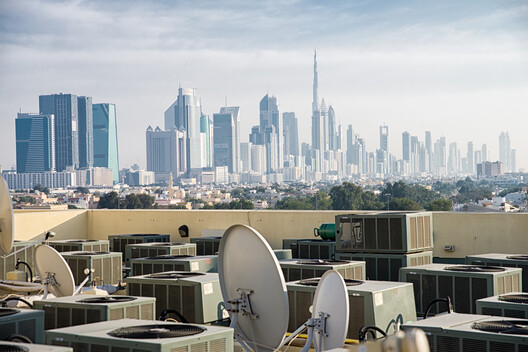
A recent report by the United Kingdom's Climate Change Committee argued that the country is "built for a climate that no longer exists," warning that temperatures exceeding 40°C could become increasingly common by mid-century. The report projects that nearly nine out of ten homes could experience overheating conditions and recommends a combination of passive cooling measures, urban greening initiatives, and, in some cases, mechanical cooling systems for schools, hospitals, and care facilities. The findings reflect a broader challenge facing many countries whose building stock was developed under climatic assumptions that are rapidly becoming outdated.
Heat Beyond Europe
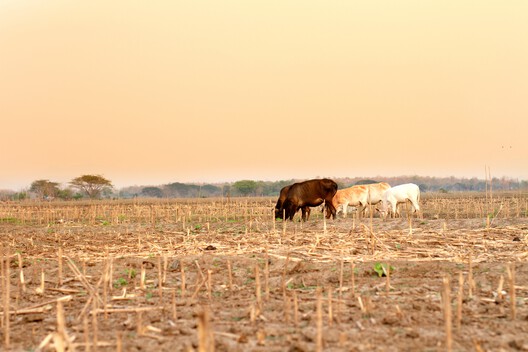
A recent joint report from the World Meteorological Organization (WMO) and the Food and Agriculture Organization (FAO) highlights how rising temperatures are disrupting food production systems worldwide. The report documents impacts on crop yields, livestock health, water availability, labor productivity, and agricultural supply chains, demonstrating how heat-related risks extend far beyond urban environments.
Brazil serves as one of the report's key case studies, illustrating how recurring heatwaves have affected soybean, corn, coffee, sugarcane, and livestock production. Similar challenges have emerged elsewhere. In India, record temperatures have reduced wheat yields and affected dairy production, while parts of North America have experienced agricultural losses linked to extreme heat and drought. These developments underscore the interconnected nature of climate impacts, where disruptions in one sector can quickly affect broader economic and social systems.
The effects of heat are also increasingly visible within the construction sector. Reporting from Delhi describes construction workers continuing to labor in temperatures exceeding 43°C, often while experiencing symptoms associated with heat stress. Similar concerns are emerging in other regions as extreme temperatures affect worker safety, productivity, project timelines, and labor conditions. As climate change alters seasonal patterns, the construction industry may face growing pressure to rethink work schedules, site protections, and occupational health standards.
From Climate Awareness to Climate Adaptation
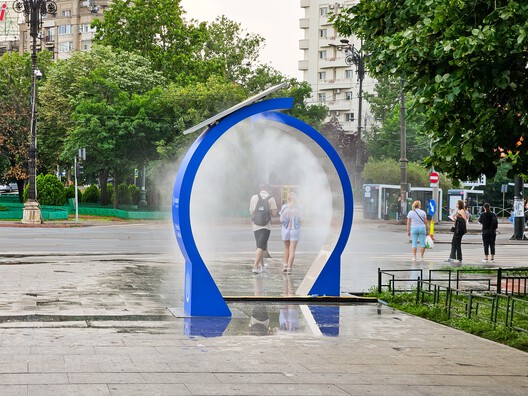
World Environment Day has historically functioned as a platform for environmental awareness, but the context surrounding the 2026 observance suggests a broader shift toward adaptation. While reducing greenhouse gas emissions remains essential to limiting future warming, the impacts of climate change are increasingly visible in everyday life, from public health emergencies and agricultural disruptions to infrastructure challenges and building performance concerns. For cities and institutions, adaptation is becoming less about preparing for a distant future and more about responding to conditions that are already unfolding.
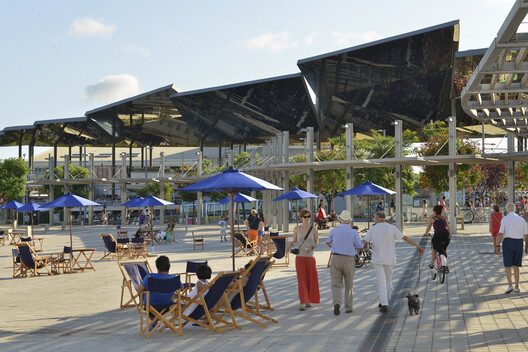
For architecture, planning, and urban design disciplines, this transition carries significant implications. Questions once framed primarily as environmental concerns are becoming design challenges: How can buildings remain comfortable during prolonged heatwaves? How should public spaces function during extreme weather events? What forms of infrastructure will be required to support increasingly vulnerable populations? And how can cities continue to densify while reducing heat exposure and improving environmental performance?
Explore ArchDaily's previous articles on International Days in 2026: World Health Day, International Women's Day, World Hearing Day, World Day of Social Justice, World Wetlands Day, International Day for Clean Energy, and the International Day of Education.