As global urban challenges intensify alongside growing environmental, social, and cultural pressures, this week's news reflects how institutions, exhibitions, and restoration projects are highlighting the relationship between the built environment and collective experience. From international forums addressing housing insecurity and urban resilience to cultural events examining memory, identity, and spatial perception, positioning architecture as both a framework for policy and a medium for critical reflection. At the same time, major restoration and redevelopment initiatives highlight a renewed focus on preserving historical continuity while adapting heritage sites and cultural institutions to contemporary forms of use, accessibility, and public engagement.
Housing, Cultural Discourse, and the Global Urban Condition
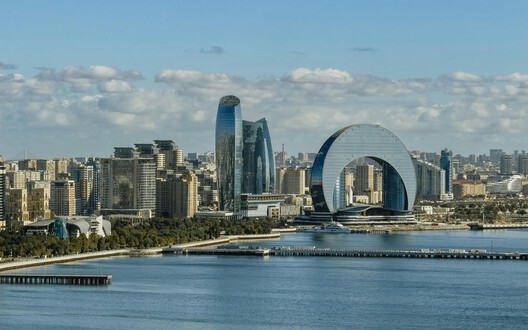
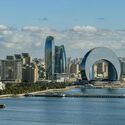
From international policy forums to large-scale cultural exhibitions, this week's major events position architecture within broader conversations about social resilience, collective memory, and the future of urban life. One week ahead of its opening in Baku, the thirteenth session of the World Urban Forum (WUF13) will bring together architects, planners, policymakers, and researchers under the theme "Housing the World: Safe and Resilient Cities and Communities," focusing on housing insecurity, climate adaptation, governance, and inclusive urban development. Taking place at the midpoint of the implementation of the New Urban Agenda, the forum expands the discussion of housing beyond construction alone, framing it as a critical component of environmental, economic, and social resilience.
Related Article
One Week Until WUF13 Begins in Baku: Exploring Safe and Resilient Cities Under the Theme “Housing the World”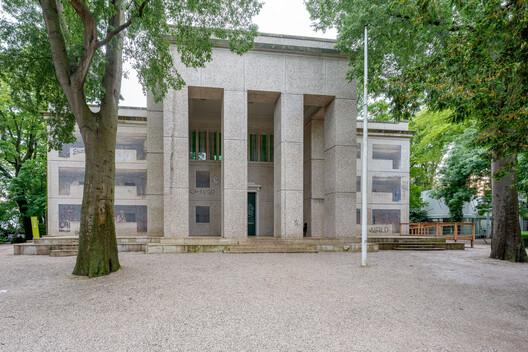
At the same time, the opening of the 2026 Venice Art Biennale demonstrates how spatial practice and exhibition design continue to engage with similarly urgent global conditions through cultural production. Curated by the late Koyo Kouoh under the title In Minor Keys, the Biennale explores themes of grief, memory, spirituality, and exhaustion across installations and national pavilions distributed throughout Venice. Among them, exhibitions representing India, Saudi Arabia, Greece, Lebanon, Canada, Germany, Singapore, and Vatican City use material experimentation, craftsmanship, and immersive environments to reflect on contemporary urban realities, historical violence, authoritarianism, and the human need for spaces of contemplation.
Cultural Institutions Between Landscape, Heritage, and Expansion
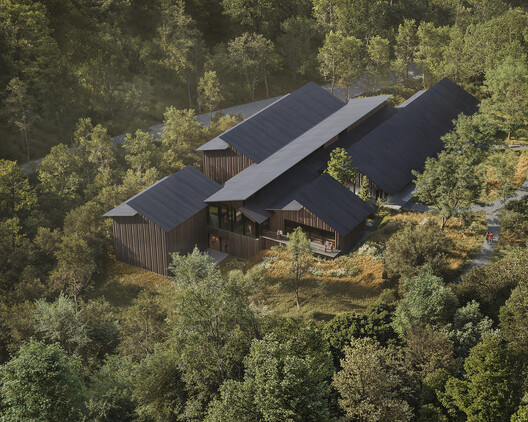
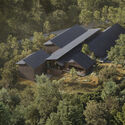
Recent announcements from the United States and Spain highlight how cultural institutions continue to expand through projects that combine heritage preservation, landscape integration, and contemporary architectural interventions. In Pennsylvania, the Kengo Kuma & Associates and Field Operations-led transformation of the Brandywine Conservancy & Museum of Art introduces a new museum building and a 325-acre public preserve designed around ecological restoration, trail systems, and expanded exhibition spaces. Conceived as a series of wood-clad pavilions embedded within the landscape, the project reflects broader institutional shifts toward integrating architecture, environmental stewardship, and public accessibility.
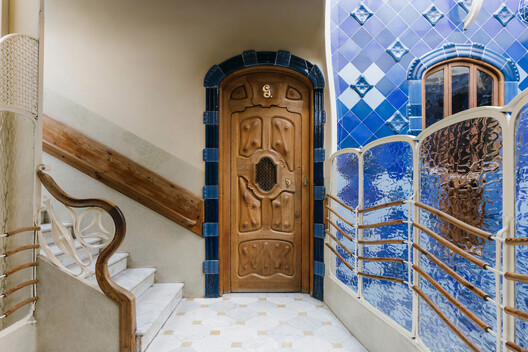
Meanwhile, in Barcelona, the reopening of the restored Third Floor apartment at Casa Batlló offers renewed access to the last original residence preserved from Antoni Gaudí's early twentieth-century transformation of the building. Developed through an archaeological-style restoration process, the intervention recovers original domestic elements while introducing a contemporary interior design layer by Paola Navone – OTTO Studio, demonstrating how historic landmarks are increasingly adapted to support new forms of cultural programming and public engagement.
On the Radar
Johnston Marklee Designs Art-Oriented Residential Tower for Phoenix's Roosevelt Row
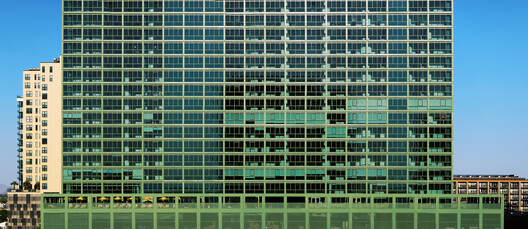
Developed by RAY in collaboration with VELA, RAY Phoenix is set to open this spring in Arizona's Roosevelt Row Arts District as a mixed-use residential tower designed by Johnston Marklee, with landscape interventions by Grace Fuller Marroquín. Conceived in response to Phoenix's desert climate and evolving urban fabric, the project features a green metal-and-glass facade paired with concrete, brick, glazed tile, and heavy-grit plaster surfaces intended to reference the surrounding landscape. The 401-unit development integrates cascading vegetation, shaded public areas, and shared amenity spaces organized around what the architects describe as a "democratic" spatial logic, encouraging interaction between residents and the surrounding arts district.
Stefano Boeri Architetti Reveals Design for Ambrosian Monastery in Milan's MIND District
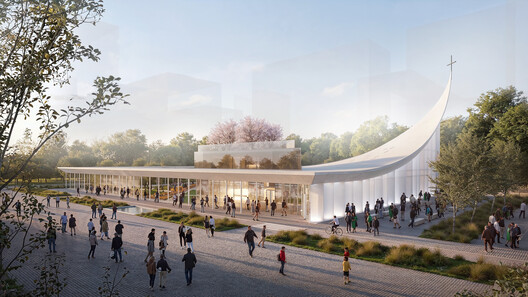
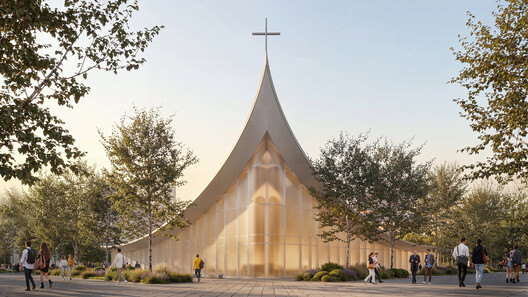
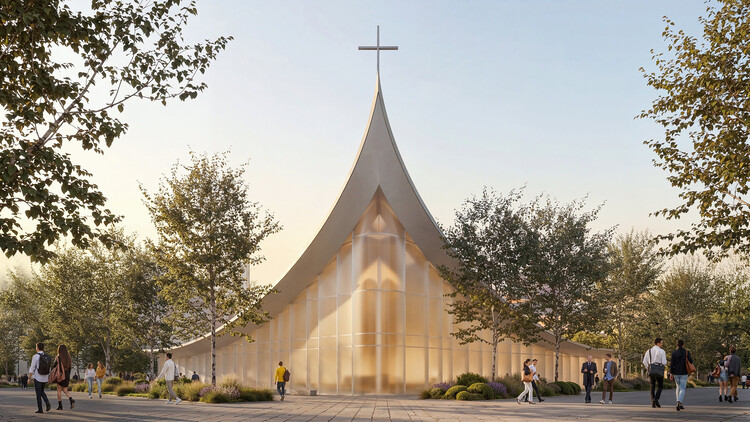
Stefano Boeri Architetti has unveiled the design for the new Ambrosian Monastery in Milan's MIND district, a project commissioned by the Milan Curia and conceived as a space integrating worship, interreligious dialogue, and educational activities. Developed on a 2,700-square-meter site with 1,100 square meters dedicated to open spaces, the proposal reinterprets the traditional monastic cloister through a triangular plan organized around the "Garden of Religions," positioned at the intersection of the district's Cardo and Decumanus axes. The complex includes a church designed to accommodate 300 to 350 worshippers, community and pastoral spaces, residences, study rooms, and an open-air amphitheater, alongside the transparent "Library of Religions," intended as a space for research and interaction between different disciplines and faith traditions.
RAMSA Completes Expansion of the University of Virginia's McIntire School of Commerce
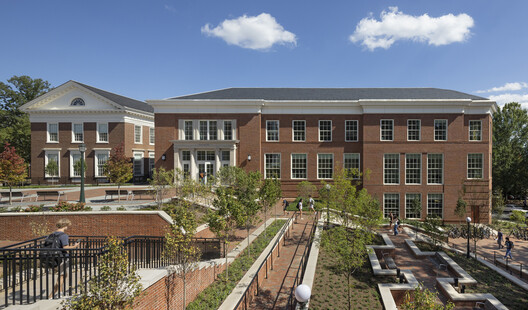
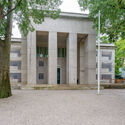
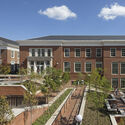
Robert A. M. Stern Architects has completed the expansion and renovation of the University of Virginia's McIntire School of Commerce in Charlottesville, combining the adaptive reuse of the historic Cobb Hall with the addition of the new Shumway Hall. Developed in collaboration with Glavé & Holmes Architecture, the project establishes a larger academic precinct connected to the school's existing Rouss and Robertson Halls while introducing new classrooms, collaboration areas, innovation labs, and student support spaces. The intervention restores and modernizes the 1917 Cobb Hall through accessibility upgrades and the recovery of historic architectural features, including a double-height solarium created beneath a rediscovered skylight.
This article is part of our new This Week in Architecture series, bringing together featured articles this week and emerging stories shaping the conversation right now. Explore more architecture news, projects, and insights on ArchDaily.