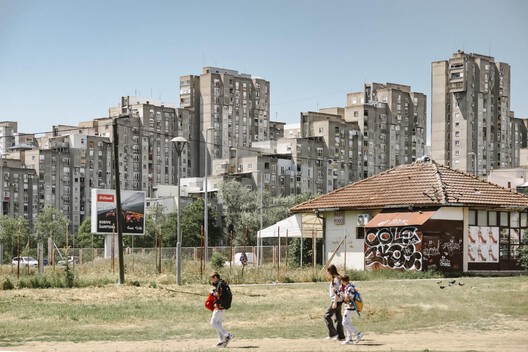
Cities in Southeastern Europe do not wait to be read. They accumulate, layer upon layer of socialist planning, post-socialist disruption, and the quieter, less legible work of citizens remaking space from the ground up. Here, space and legacy insist on their own terms. What happens to architectural research when the cities that we observe already seem to know something our discipline has not yet learned to see?
Architectural research entering this territory faces an immediate problem: the tools it carries rarely match what it finds. Over two years, SEE:4C—a project whose name, pronounced "see foresee", folds two intentions into one: to see cities closely and to foresee what they may yet become. The research initiative built a transnational infrastructure for producing knowledge about Tirana, Skopje, Belgrade, Podgorica, and Turin: shared research methods, shared design studios, shared ways of seeing across institutions, cities, and disciplinary traditions.
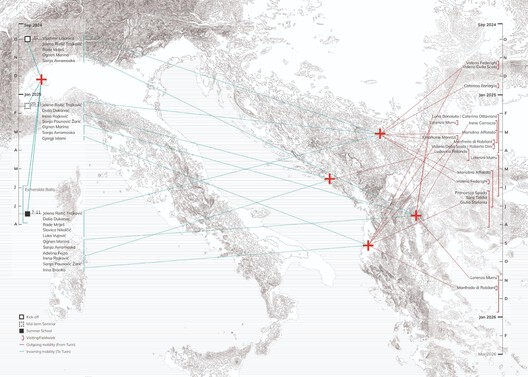
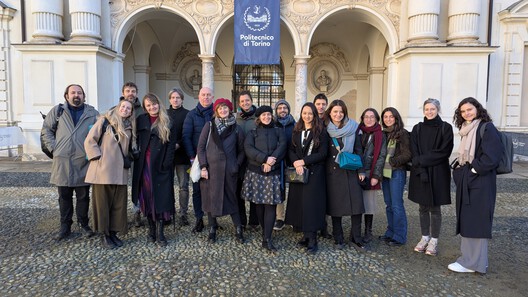
Launched in September 2024 within the TNE-DeSK program, supported by the Italian Ministry of University and Research through the European Union's Next Generation EU, SEE:4C brought together Politecnico di Torino with partner Faculties of Architecture in Belgrade, Skopje, Podgorica, and Tirana. Thirty professors, researchers, doctoral candidates, and master's students traveled between Turin and four Balkan capitals across 120 mobility days, forging, across institutions, languages, and inherited disciplinary habits, a shared methodological ground that no single school could have produced alone.
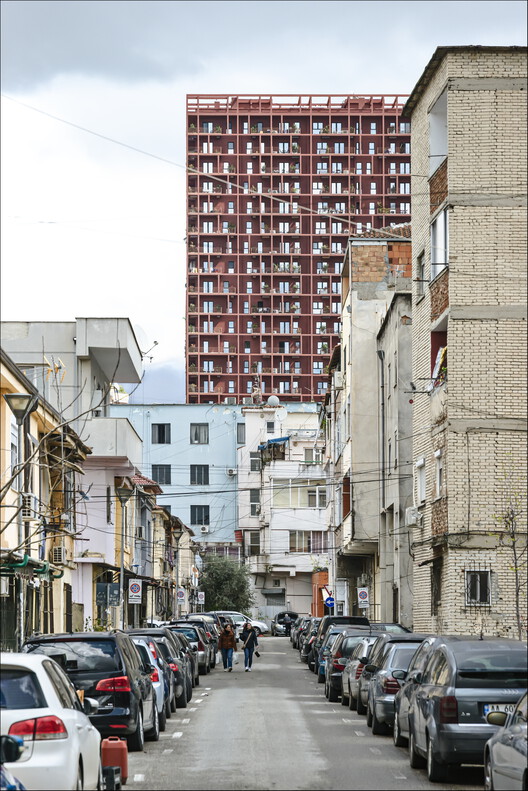
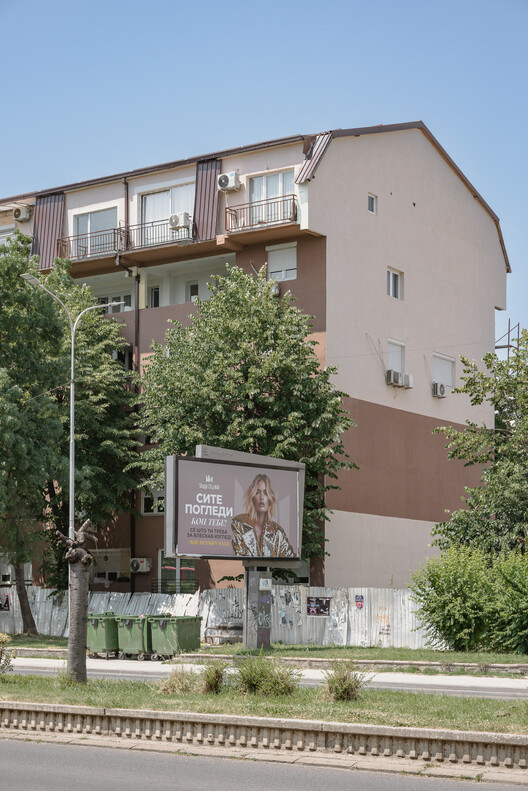
SEE:4C entered these cities to see them and to foresee: excavating transformations already underway, tracing the slow, granular processes through which people adapt and sustain the built environments they inherited and returning what it found through a plurality of voices, methods, and institutional positions. Its methodology drew on ethnographic observation, documentary analysis, and the analytical reading of built form across scales, in which drawings, maps, and diagrams were deployed as instruments of inquiry as much as of representation.
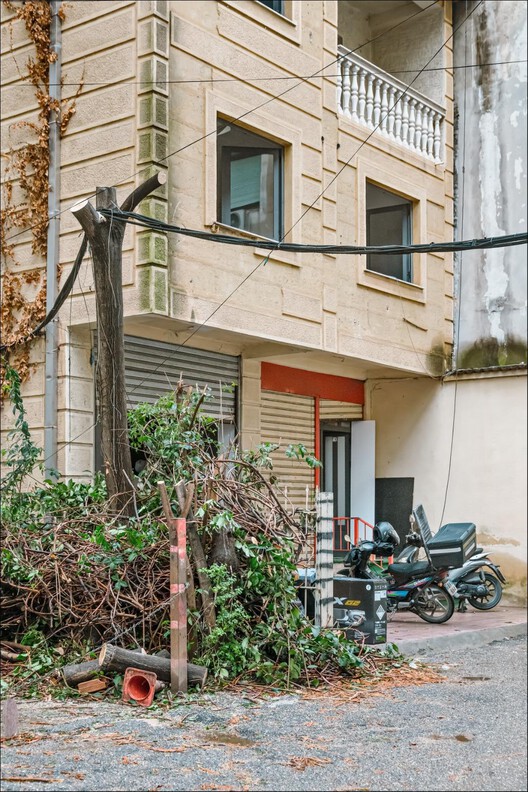
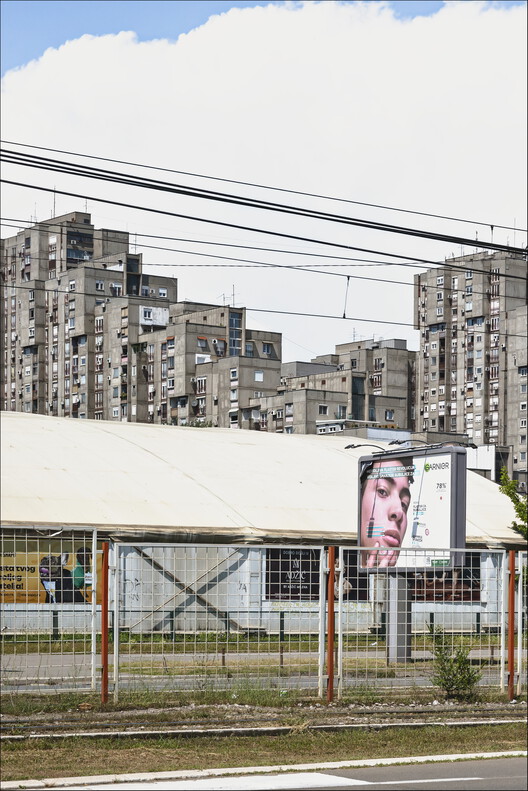
Politecnico di Torino served as the logistical hub, hosting the project kick-off in October 2024 and the Advanced Skills Seminar in July 2025, which brought the full research team together across all partner institutions. Six courses, shared between Politecnico di Torino and the Faculty of Architecture at the University of Belgrade, focused their collective inquiry on the southern blocks of New Belgrade. Two schools, two pairs of Kantian spectacles: one worn by those who have long inhabited and studied this urban fabric from within, the other arriving from outside, carrying a different geographic and disciplinary formation. What circulated between Turin and Belgrade was a productive friction—the kind that sharpens both pairs of eyes.
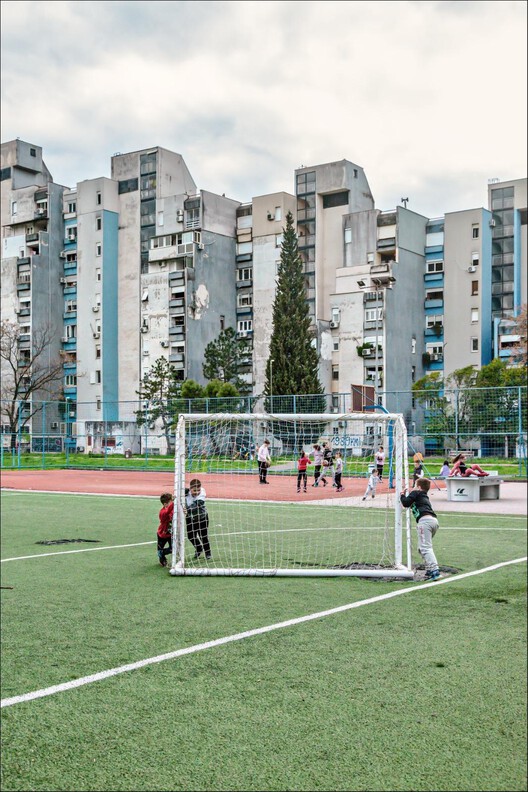
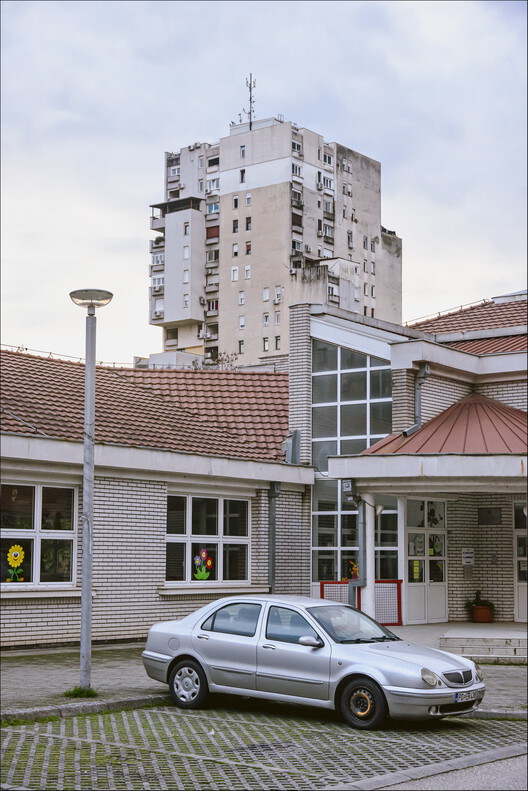
That friction crystallized into a book. SEE4C. South-Eastern Europe: Four Cities is the primary scientific artifact of the research. Through essays, photographic reportages, archival materials, maps, and diagrams, it reconstructs how urban fragments across all four cities are transformed through use, administration, and care. Organized through three lenses—Timing, Legacy, and Agency—the book offers something more exacting than a regional portrait: it proposes a method for reading cities where the built environment of the socialist era is neither monument nor ruin, but a reservoir of spatial qualities and collective practices still actively shaping how people inhabit and reimagine their space.
SEE:4C leaves behind more than a publication. SEE4C. South-Eastern Europe: Four Cities—edited by Valeria Federighi, Alessandro Armando, and Ludovica Rolando, published by Quodlibet—concentrates the research into a book, while a digital platform extends it, and a shared design culture keeps methods, analytical tools, and spatial tactics circulating between schools, cities, and built environments. This is what gives the project traction: equipping future architectural inquiry with a keener sense of where inherited form, institutional inertia, and civic pressure converge—and where, precisely there, architecture still has room to act.