The figure of Tithonus in Greek mythology offers a reflection on the paradox of permanence. In pleading with Zeus for immortality, he forgot to request eternal youth, resulting in a life of endless aging. Over time, his body deteriorates, turning immortality itself into a burden. The narrative suggests a fundamental contradiction: permanence, when detached from the capacity for change, ceases to be a desirable quality. Instead of stability, it produces accumulated decay without adaptation.
Historically, architecture has often fallen into the "Tithonus Trap." Materials are specified to resist time, systems are detailed to prevent change, and buildings are conceived as fixed images. Yet, this pursuit of the static rarely survives the reality of the elements. Between the moment of design—often associated with precise and controlled representations—and the lifespan of a building, surfaces inevitably weather, shift in appearance, and lose their initial finish. Aging is often interpreted as loss rather than as part of the architectural language.
Certain materials have been valued precisely for their ability to age with dignity. Stone, timber, and metals develop depth and character over time, incorporating the marks of environment and use. Modernity is now reinterpreting this through industrialized systems that do not just tolerate the passage of time but integrate it into their aesthetic performance.
Within this context, Swisspearl Patina Original NXT exemplifies this approach. This fiber cement panel is developed to meet the technical performance required in contemporary architecture while allowing for gradual visual metamorphosis. Unlike surfaces that aim for absolute consistency in color and texture, the material is designed to respond to environmental conditions, developing subtle tonal variations over time.
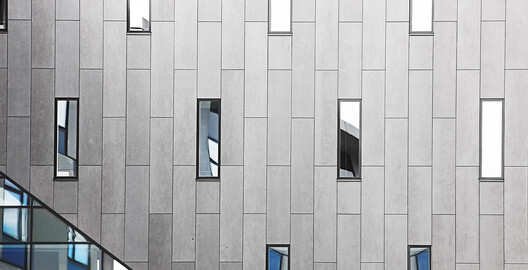
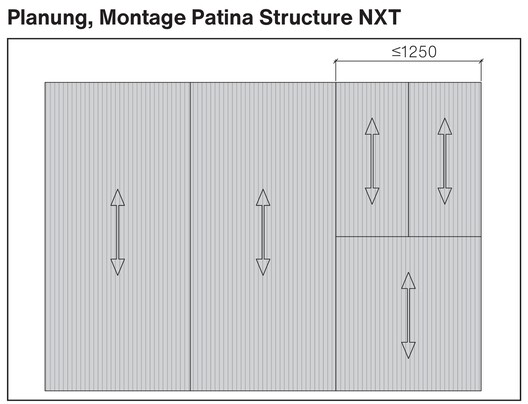
The panels feature a distinctive linear sanding structure, a grain that dictates how light interacts with the facade. For the architect, this requires a deliberate approach to orientation; by aligning the sanding direction across the building's skin, the facade achieves a unified character that nonetheless shifts its expression based on the observer's viewing angle and the sun's position. The pieces are through-colored and feature a finely textured surface that preserves the structure of the fiber cement. Hydrophobization on all sides ensures resistance to weather exposure, while subtle variations between panels reinforce the non-uniform reading of the façade. Available in large formats, such as the Swisspearl Largo system (up to 3050 × 1250 mm, with a thickness of 8 mm), and in a controlled color palette, these elements allow for a balance between construction precision and a material expression that evolves over time. Ordering panels from the same production batch is a design strategy. It enables the building to age as a single, continuous surface, avoiding the fragmented appearance of materials that weather at different rates.
This approach becomes particularly relevant in institutional architecture, where scale, repetition, and technical requirements often result in buildings that feel rigid or impersonal. In such contexts, introducing variation and texture can play a key role in mediating the relationship between buildings and their users.
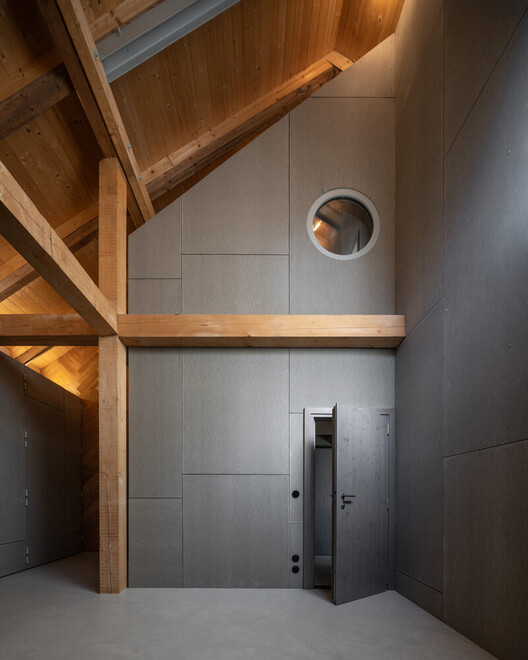
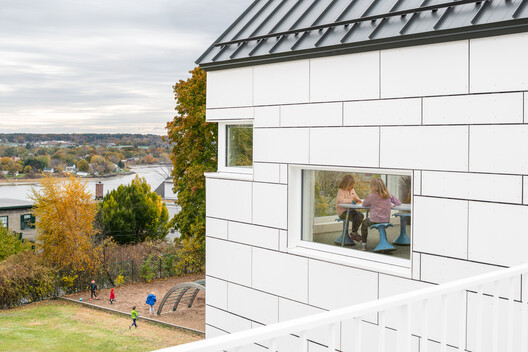
The Waynflete Lower School, designed by Simons Architects in Portland, Maine, clearly exemplifies this "temporal design." The project combines new construction with the renovation of existing structures, creating a cohesive environment for early education while responding to the residential scale of its surroundings.
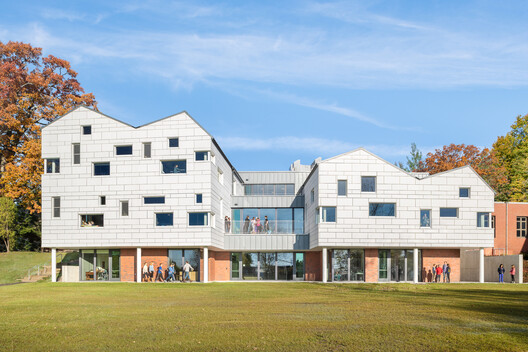
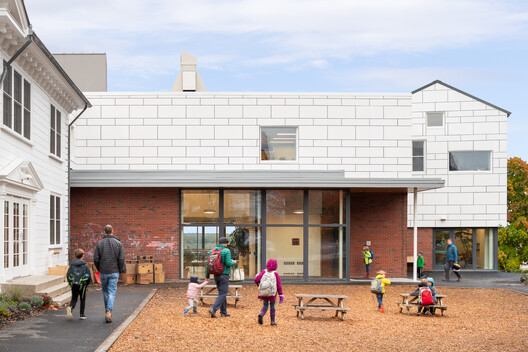
Here, the use of Swisspearl Patina Original NXT panels is central to the architectural expression. The façade acts as an active surface, capable of absorbing and reflecting environmental conditions over time. The panels' tonal variations break down the massing, creating a tactile, approachable quality essential for an educational environment. .
The result is an architecture that operates at multiple scales. From a distance, the building maintains a clear and cohesive reading. Up close, it reveals nuances, variations, and a finer texture, inviting a more immediate and sensitive experience. This duality contributes to a more welcoming environment, particularly in an educational context.
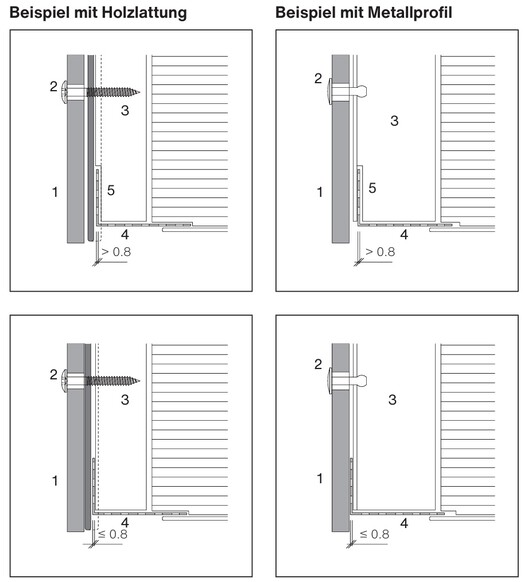
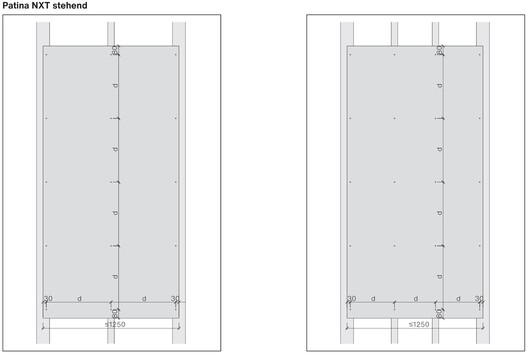
Designing involves anticipating how materials will evolve and integrating that behavior into the architectural concept from the outset. In contrast to the idea of permanence as resistance to change, this approach acknowledges that durability and transformation are not opposing conditions, but complementary ones. Rather than pursuing a static image, architecture can embrace time as an active component of design, allowing buildings to adapt, accumulate character, and remain relevant beyond their initial state.
