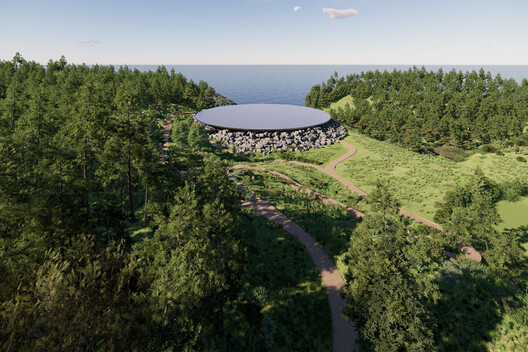
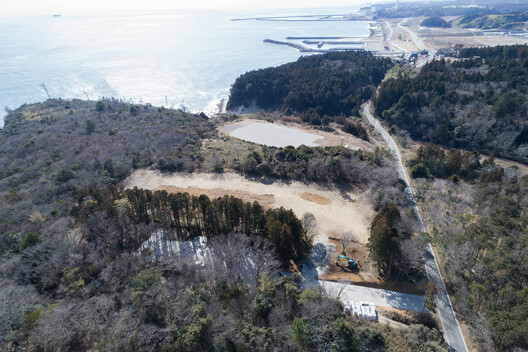
Located in Tomioka, Fukushima Prefecture, Sea of Time – TOHOKU is both an artwork by Tatsuo Miyajima and an architectural project commissioned by the artist. Designed by Japanese architect Tsuyoshi Tane of Atelier Tsuyoshi Tane Architects (ATTA), the project envisions a permanent museum to house Miyajima's artwork. Currently under development from 2024 to 2027, with an anticipated opening in spring 2028. Positioned on a cliff overlooking the Pacific Ocean, the proposal brings together architecture and installation within a site shaped by the memory of the 2011 Tōhoku earthquake and tsunami, framing both the landscape and its historical context as integral components of the design.
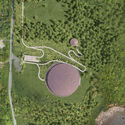
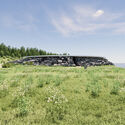
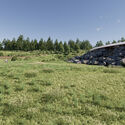
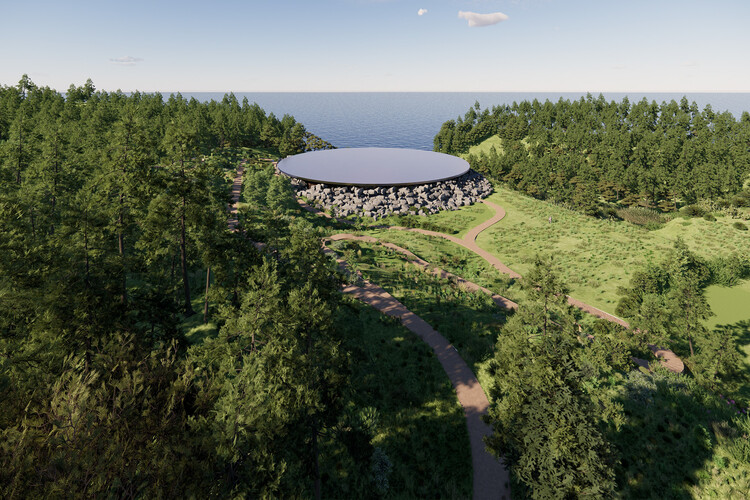
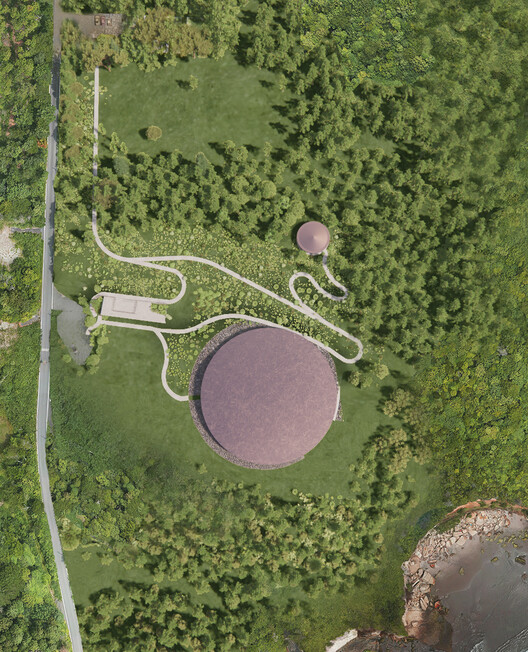
The architectural concept is defined by a circular structure partially embedded into the ground, covered by a large, sheltering roof that extends outward to frame views of the sea. Rather than asserting itself as an isolated object, the building is conceived as an extension of the terrain, with its geometry and materiality reinforcing a sense of continuity with the surrounding landscape. This approach reflects Tane's broader design methodology, which prioritizes the integration of built form with site-specific narratives, allowing the architecture to emerge as a spatial interpretation of place.
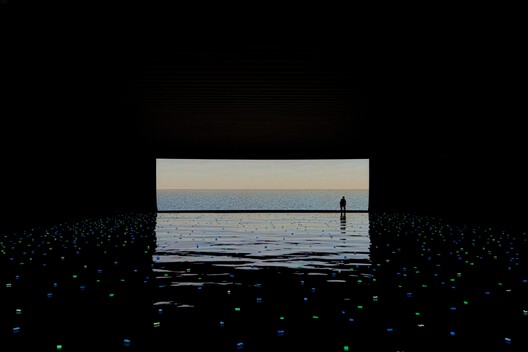
At the center of the project lies a 200-square-meter circular basin that organizes both the spatial and experiential core of the building. The basin is oriented toward the horizon, establishing a direct visual relationship between the installation and the ocean beyond. Within this contained yet open environment, the architecture frames a contemplative setting in which light, water, and scale operate together to shape a continuous spatial experience. The installation consists of 3,000 LED counters floating across the surface of the basin, each programmed to cycle through numbers from 1 to 9 at intervals defined by individual participants. While this element originates from Tatsuo Miyajima's artistic practice, the architectural design accommodates and amplifies its presence by creating a controlled yet open environment in dialogue with natural light and atmospheric conditions.
Related Article
"A Place Remembers What Has Happened:" Tsuyoshi Tane on Memory as a Design Driver in Louisiana Channel InterviewMaterially, the project emphasizes the use of locally sourced stone that reinforces its connection to the region. This grounding in local resources supports the project's aim to embed memory within the built environment, aligning with Atelier Tsuyoshi Tane Architects' "Archaeology of the Future" approach. Through this lens, the building operates not only as a container for an artwork but as an architectural framework that translates historical and cultural layers into spatial form.
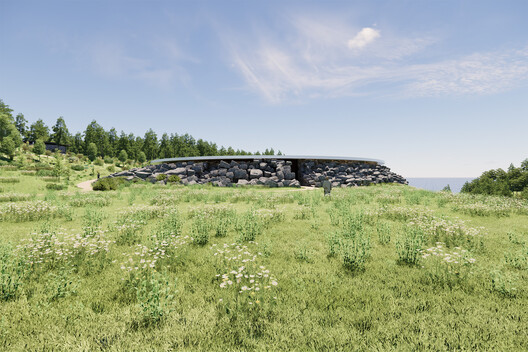
Beyond its physical configuration, Sea of Time – TOHOKU is conceived as a participatory and evolving project that extends the role of architecture into a collective process. Contributors from the Tōhoku region and internationally are invited to assign temporal values to individual counters, embedding personal narratives within the installation. Since 2015, the project has been developed through workshops and collaborative initiatives that engage local communities in its formation. This participatory framework informs not only the installation but also the broader architectural narrative, reinforcing the building's role as a shared space of memory and reflection. In this way, the project situates architecture as a mediator between landscape, collective experience, and the passage of time.
In related developments at the intersection of art and architecture, several major cultural institutions have recently marked significant milestones. The V&A East Museum, designed by O'Donnell + Tuomey, opened to the public on April 18, 2026, while in the United States, the Los Angeles County Museum of Art has inaugurated its new David Geffen Galleries, designed by Peter Zumthor. At the same time, the Centre Pompidou continues to expand its international presence with a new branch in South Korea, developed in collaboration with the Hanwha Foundation of Culture, building on its established network of sites beyond its Paris headquarters by Renzo Piano and Richard Rogers, which is currently undergoing renovation.