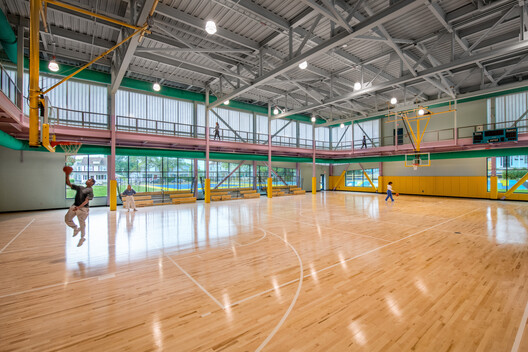
Loud noises, the continuous hum of equipment, abrupt changes in light, or intense reflections often go unnoticed. For neurodivergent individuals, these stimuli can provoke significant discomfort or even intense physical and cognitive reactions. The term "neurodivergent" refers to people whose neurological functioning differs from what is considered typical, encompassing conditions such as autism, ADHD, and dyslexia, as their brain processes information differently, particularly in relation to sensory input, attention and emotional regulation.
Yet light is not only visual, it is neurological. How it enters a space, moves across surfaces, and changes over time can profoundly affect cognitive comfort. Extreme contrasts, glare, direct beam penetration, and rapid variations in brightness require constant adjustment from the visual systems and, for individuals with greater sensory sensitivity, this effort can translate into fatigue, distraction, or discomfort.
Most of these stimuli come from the built environment itself, whether at the scale of the city or within interior spaces, and are therefore shaped by architects. Acoustics, textures, and thermal comfort are now often part of holistic design conversation. Daylighting, however, is still frequently treated as a predominantly quantitative variable, measured mainly by illuminance levels and solar heat gain.
To address this, the design of openings and the type of surface that mediates the relationship between interior and exterior become critical, directly shaping how light is experienced. Systems such as those developed by Kalwall approach daylight differently, treating it as a material to be distributed rather than a beam to be controlled. Even under the same sky conditions, different daylighting strategies produce radically different spatial experiences. Comparing clear glazing, polycarbonate, and high-diffusion translucent systems reveals how small material differences can significantly affect the internal visual field.
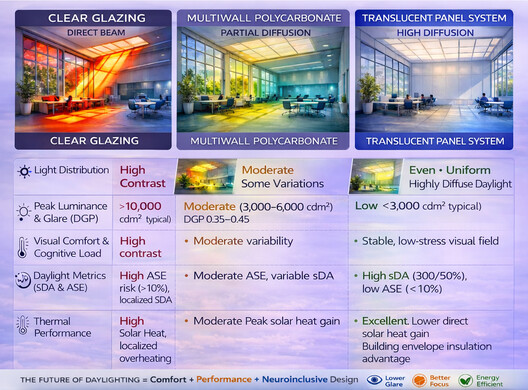
Clear glazing allows direct solar penetration, often resulting in high luminance peaks near openings, strong contrasts, and constantly shifting light patterns. These effects, frequently valued for their expressiveness and scenographic quality, can reduce visual stability and increase the cognitive effort required to interpret the space.
Multiwall polycarbonate introduces partial diffusion, reduces peak intensity and softens shadows. But it still allows visible light patterns and contrast variations that can keep the visual field relatively unstable.
High-diffusion translucent systems eliminate direct solar penetration and distribute illumination more evenly. The result is a more consistent visual field, with less variability and fewer competing stimuli, in other words, reduced visual noise. This is particularly relevant in environments that require sustained attention, where moving patches of light and sharp contrasts can become sources of distraction.
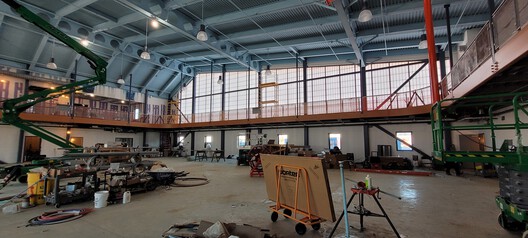
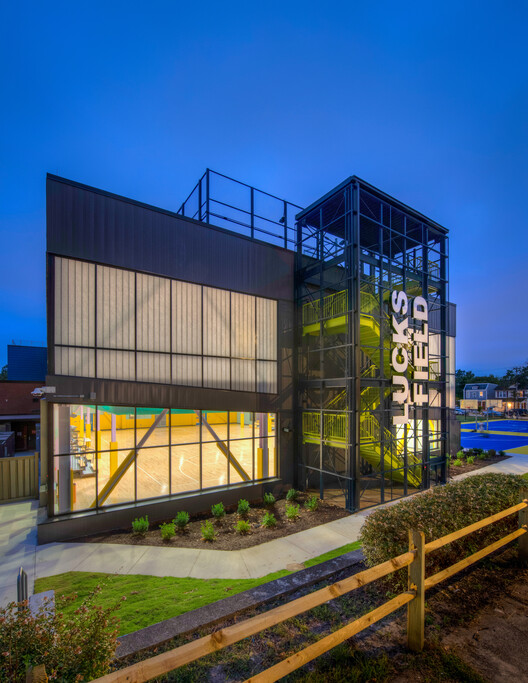
Designing for neurodiversity does not mean using more or less natural light, but handling it differently. The focus shifts toward creating a more stable and readable visual field, rather than relying on strong contrasts or concentrated brightness. High-diffusion translucent systems, such as those developed by Kalwall, approach daylight as a material to be distributed rather than a beam to be controlled.
Recent design guidance has begun to formalize many of these considerations. In the UK, the publication of PAS 6463:2022 – Design for the Mind: Neurodiversity and the Built Environment, developed by the British Standards Institution (BSI), marks the first national framework specifically addressing neurodiversity in the built environment. It establishes guidelines that extend beyond accessibility to include sensory design, covering lighting, acoustics, spatial layout, and wayfinding. Within this framework, lighting is addressed in terms of how it is perceived and processed, emphasizing the reduction of sensory overload through visually calm environments, controlled glare, and consistent lighting levels across space. It also highlights the importance of predictability, discouraging rapidly changing light conditions, localized intensity peaks, or environments dominated by sharp luminance differences.
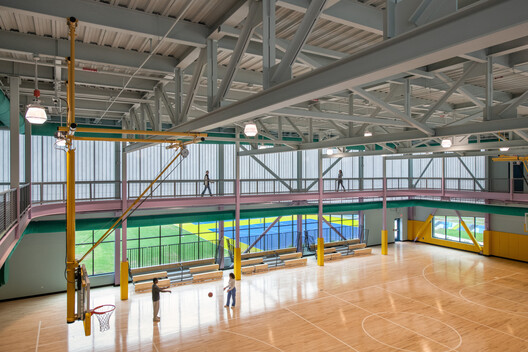
This is where diffuse daylighting becomes particularly relevant. The principles outlined in PAS 6463 align directly with strategies that prioritize low-contrast, evenly distributed light. By reducing harsh contrasts, glare, and flicker, diffuse systems help create visually calm environments. Their ability to distribute light uniformly avoids hot spots and deep shadows, supporting a more consistent luminance field that is easier to process cognitively. Glare reduction is especially critical, as it is explicitly identified as a trigger for discomfort and distraction, particularly for individuals with autism and ADHD. At the same time, diffuse daylight contributes to more stable and predictable environments, avoiding rapid fluctuations in brightness and reinforcing a soft, ambient lighting condition rather than dynamic sun patches.
Glare is a key part of this discussion. In lighting standards such as EN 12464-1, visual discomfort is evaluated using the Unified Glare Rating (UGR), which considers the position and intensity of light sources within the user's field of view. Lower UGR values are recommended for tasks that require sustained attention, while higher limits are acceptable in less demanding settings. In environments such as classrooms and offices, guidelines typically aim for UGR values below 19, a threshold that direct sunlight often exceeds. Diffuse daylighting helps keep glare within more controlled ranges while maintaining adequate light levels.
This approach is consistent with broader daylighting and lighting guidance, including BS EN 17037:2018 Daylight in Buildings and CIBSE Guide A, both of which reinforce the importance of glare control, uniformity, and visual comfort as key performance criteria. Across these frameworks, the emphasis shifts from the quantity of daylight to the quality of its distribution, recognizing that balanced luminance and controlled visual conditions are fundamental to occupant well-being.
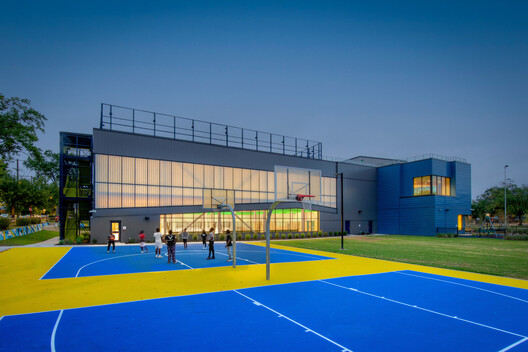
At the same time, diffusion does not compromise the biological benefits of daylight. Circadian regulation depends primarily on vertical illuminance and spectral quality, not contrast. By spreading light more evenly, these systems support these conditions while avoiding overstimulation.
The design of neuroinclusive environments shifts the focus toward how light is distributed and experienced, and not just how much. It also prioritizes visual stability, balanced surfaces, and spatial legibility, going much beyond metrics. As the term neurodivergent becomes more present in everyday life, more people are beginning to recognize themselves within it, gaining a clearer understanding of how spatial conditions, including light, sound, and materiality, can make environments feel overwhelming or uncomfortable. This also places new demands on architects, who must account for them in the spaces they design, moving beyond performance metrics to consider how light shapes the experience of different bodies and minds.


