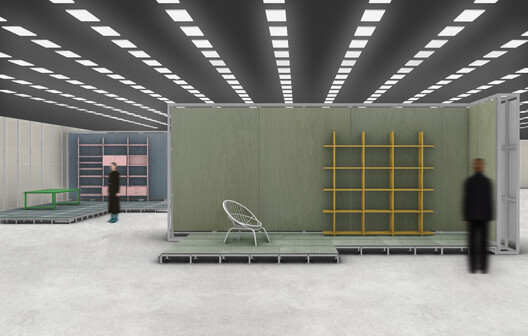
From April 21 to 26, the 64th edition of Salone del Mobile.Milano returns to Rho Fiera Milano, bringing together over 1,900 exhibitors across more than 169,000 square meters of sold-out exhibition space. Yet beyond its scale, the 2026 edition signals a more structural shift through collaborations with figures such as Rem Koolhaas and David Gianotten (OMA) and Formafantasma, the Salone continues to reposition itself as an evolving cultural infrastructure rather than a conventional trade fair. This year introduces new curatorial and strategic layers, most notably the preview phase of Salone Contract and the debut of Salone Raritas, alongside immersive installations and exhibitions, while the Salone's footprint across Milan grows further through city-wide interventions during Milan Design Week.
In this edition, the Salone positions itself at the intersection of exhibition, discourse, and the city, where design and narrative unfold across multiple scales. Interventions are less isolated showcases than elements of a continuous experience, inviting visitors to move between pavilions, installations, and urban moments, and to perceive the fair as a layered network of ideas and spatial encounters. Within this framework, the programme unfolds through a set of interrelated moments that reflect these shifts. This selection draws attention to four key trajectories, tracing how the fair extends from new operational models to alternative curatorial formats, immersive spatial narratives, and presence across the city.
Below, we present Archdaily's curated selection of the key talks, installations, and urban moments shaping this year's Salone.
Related Article
Milan Architecture City Guide: 43 Projects from Historic Landmarks to Contemporary Designs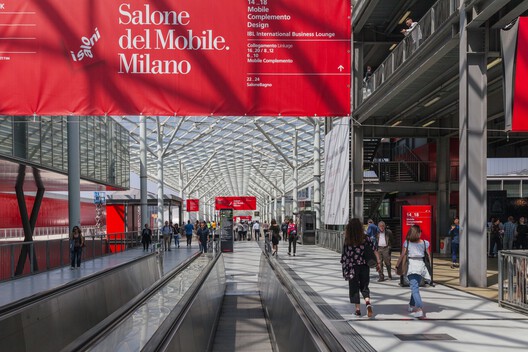
Salone Contract: A Forum for a Changing Industry
Among the most significant developments of the 2026 edition is the first public iteration of Salone Contract, a long-term initiative that will culminate in a dedicated exhibition in 2027. Developed through a master plan by Rem Koolhaas and David Gianotten of OMA, the project responds to a fundamental shift in the global furnishing industry: the transition from standalone products to integrated systems combining design, services, logistics, and long-term operational strategies. Rather than presenting a finished format, the 2026 edition introduces Salone Contract as a research-driven framework embedded within the fair itself. The initiative unfolds through thematic pathways across selected pavilions, highlighting how exhibitors already operate within complex ecosystems spanning hospitality, retail, real estate, marine, education, and healthcare sectors. These trajectories reveal a field where value increasingly depends on coordination between designers, manufacturers, investors, and operators, rather than on individual objects.
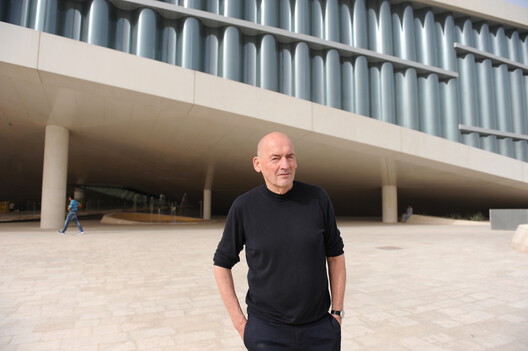
At the core of this preview phase is the Salone Contract Forum, hosted within the Drafting Futures Arena by Formafantasma. The programme opens with a roundtable addressing opportunities within a transforming industry, examining how economic pressures, sustainability regulations, and supply chain fragilities are redefining the sector. The discussion situates contract design as a space of both constraint and innovation, where new operational models are emerging. This is followed by a key sequence of events on April 22: a masterclass lecture by Rem Koolhaas titled Current Preoccupations, the presentation of the Salone Contract master plan by David Gianotten, and a concluding roundtable, Common Ground Among the Pillars of the Contract Ecosystem, moderated by Christele Harrouk, Editor-in-Chief of ArchDaily.
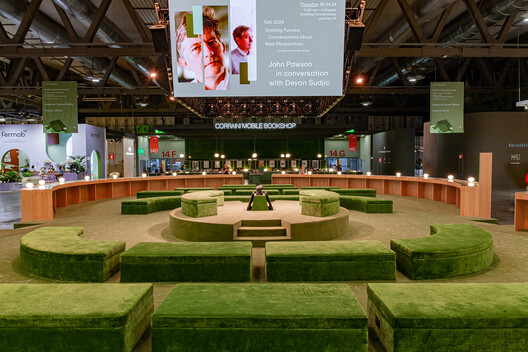
Extending the morning's dialogues as well as the lecture and master plan presentation, this final roundtable focuses on how designers, manufacturers, clients, and operators align across the entire lifecycle of projects, from conceptual development to implementation. Bringing together leading voices from across the sector, including Carlo Molteni, CEO of UniFor; Nick Solomon, Global Head of Design, Lifestyle Brands, Hilton; and Giovanna Vitelli from Azimut|Benetti Group, among others, the panel reflects the diversity of industries shaping the contract field today. Structured around the sector's key pillars, including the growing role of the marine industry, the conversation examines how different actors combine expertise, resources, and operational frameworks to deliver long-term, high-quality built environments. Rather than remaining abstract, the discussion seeks to identify shared ground and emerging opportunities for collaboration, outlining how a more coordinated and resilient contract ecosystem might take shape.
Salone Raritas: Collectible Design Within the Professional Field
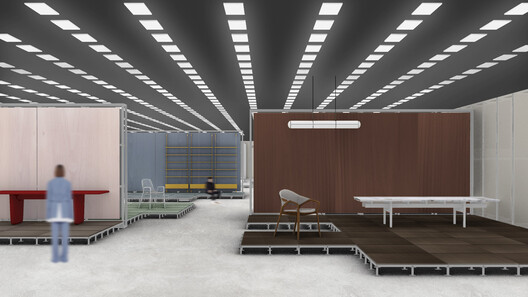
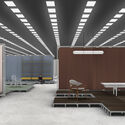
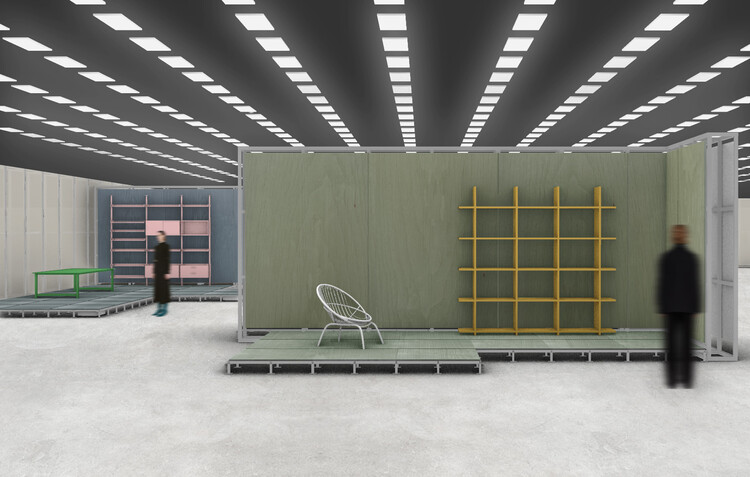
Making its debut in Pavilions 9-11, Salone Raritas introduces a new curatorial layer to the Salone, bringing together approximately 25 international galleries and design platforms in a focused exploration of collectible design. Curated by Annalisa Rosso, with exhibition design by Formafantasma, the section brings unique pieces, limited editions, antiques, and high-end craftsmanship into direct dialogue with the professional B2B and contract market. Rather than framing rarity as a luxury category, the project positions it as a cultural and methodological approach, one that emphasizes authorship, narrative, and material specificity. In doing so, Salone Raritas challenges the traditional separation between collectible and industrial design, suggesting instead that these domains are increasingly interconnected within contemporary architectural and spatial practices.
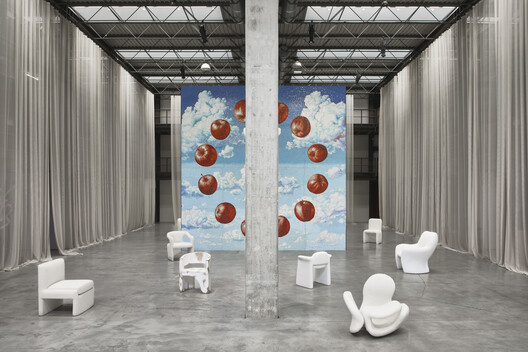
Formafantasma's exhibition design plays a critical role in shaping this experience. Conceived as a calibrated architectural "lantern," the space establishes a coherent visual and material language that allows objects to emerge with clarity and precision. The design deliberately slows down the pace of the fair, encouraging close observation and sustained engagement, in contrast to the visual density of surrounding pavilions. The section is further enriched by a special project by Sabine Marcelis, which explores the interplay between light, matter, and perception, adding a spatial and sensory dimension to the curatorial narrative.
Aurea, an Architectural Fiction
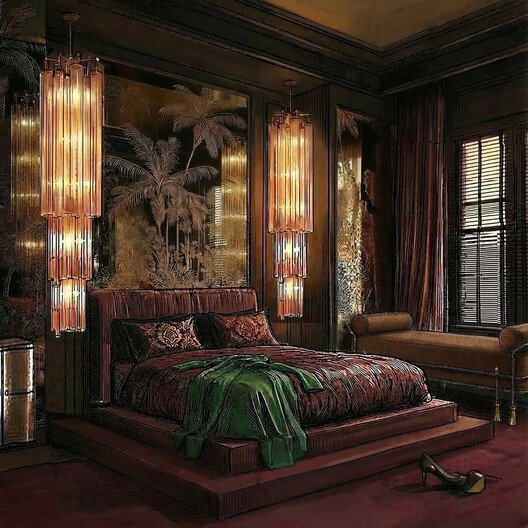
Conceived by Maison Numéro 20 under the direction of Oscar Lucien Ono, Aurea, an Architectural Fiction, unfolds within the A Luxury Way pathway (Pavilions 13–15) as an immersive installation that reframes hospitality as a narrative and spatial construct. Rather than a functional hotel, the project operates as a sequence of staged interiors in which architecture, scenography, and storytelling converge, positioning luxury as atmosphere, perception, and experience rather than material excess. Visitors move through a curated progression of spaces, from the Hall of Dreams to the Midnight Bar, each conceived as a self-contained narrative, blurring the boundaries between set design and interior architecture.
Salone in the City
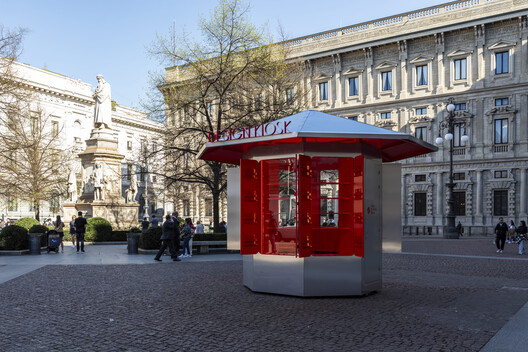
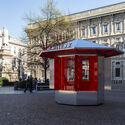
Salone in the City: Milan as an Extended Platform Extending beyond the fairgrounds, Salone del Mobile.Milano once again activates the city of Milan as part of its broader ecosystem. During Milan Design Week, over 200 showrooms open their doors, transforming the city into a distributed exhibition landscape. At the urban scale, several key interventions structure this presence. The Design Kiosk returns to Piazza della Scala as a central meeting point, while a new project in Piazza del Duomo, developed in collaboration with K-Way, introduces a temporary newsstand that also serves as the starting point for a curated architectural itinerary by Bianca Felicori. Comprising five stops across the city, the route reinterprets Milan's built heritage through light textile installations, offering an alternative reading of familiar spaces.
More Things to See at Salone
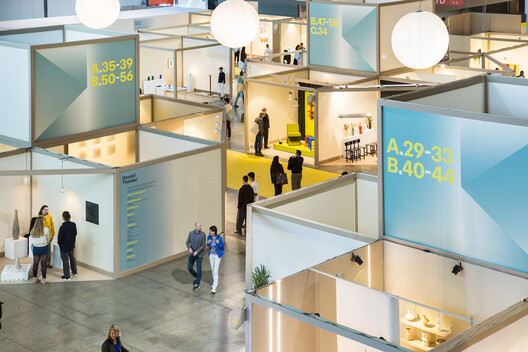
Beyond the main highlights, the 2026 edition of Salone offers additional platforms that continue to expand the fair's cultural and disciplinary reach. Now in its fourth edition, Drafting Futures: Conversations about Next Perspectives, curated by Formafantasma and hosted in Pavilion 14, remains a hub for interdisciplinary exchange, bringing together voices such as Tosin Oshinowo, who examines African architecture through resource and cultural lenses, and David Barragán, whose practice emphasizes community engagement and material experimentation. Meanwhile, SaloneSatellite returns as a critical observatory of emerging design, presenting over 700 designers under 35 from 43 countries alongside 23 international schools and universities. Guided by the theme Maestria artigiana + Innovazione — Skilled Craftsmanship + Innovation, the platform highlights projects in which manual expertise and technological innovation intersect, engaging with circular economies, local identities, and alternative production models.
We invite you to check out ArchDaily's coverage of Milan Design Week and Salone del Mobile 2026.