Observed annually on April 7, World Health Organization's World Health Day draws attention to global health priorities while situating them within broader environmental and societal contexts. Established following the first World Health Assembly in 1948 and observed since 1950, the day has evolved into a platform for addressing the shifting conditions that shape health, from local systems of care to planetary-scale challenges. The 2026 edition, held under the theme "Together for health. Stand with science," calls for renewed engagement with scientific knowledge as a basis for collective action. The year-long campaign emphasizes collaboration in protecting the health of people, animals, plants, and the planet, foregrounding the One Health approach as a framework for understanding their interdependence.





While often framed through healthcare systems and policy, these concerns are also tied to the built environment, where health is continuously shaped through spatial conditions. Factors such as air quality, access to daylight, material exposure, thermal comfort, and proximity to green space influence how environments are experienced on a daily basis. Within this context, the One Health approach can extend into architecture by framing buildings, landscapes, and cities as interconnected environments that mediate relationships between humans and ecological systems. Design strategies increasingly respond to these conditions by integrating environmental performance, resource management, and spatial adaptability into everyday spaces. As a result, health is not treated as a specialized requirement limited to hospitals or care facilities, but as an embedded condition that informs how the built environment is conceived, constructed, and inhabited across scales.
Read on to discover a selection of articles published on ArchDaily that explore how architecture shapes health, covering inclusive design, environments that support aging and neurodiversity, restorative spaces, and the evolving relationship between the built environment and well-being.
Mental Health and Spatial Experience
The relationship between architecture and mental health is explored through atmosphere, sensory conditions, and spatial sequence. Light, materiality, scale, and access to nature contribute to how spaces are perceived and inhabited, influencing emotional and cognitive responses. Elements such as acoustics, spatial transitions, and degrees of openness or enclosure further shape experiences of comfort, focus, and orientation. Increasingly, design approaches draw on insights from neuroscience and psychology to consider how environments can reduce stress, support attention, and foster a sense of well-being.
Architecture and Health: How Spaces Can Impact Our Emotional Well-Being
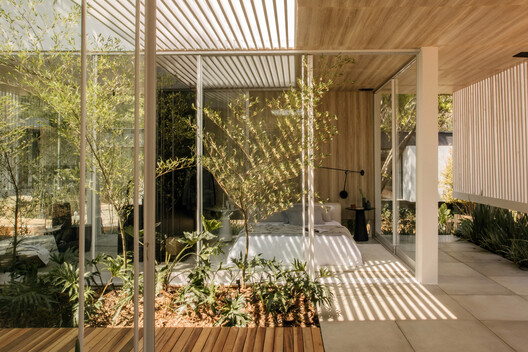
5 Design Strategies to Improve Mental Health in Shared Workspaces
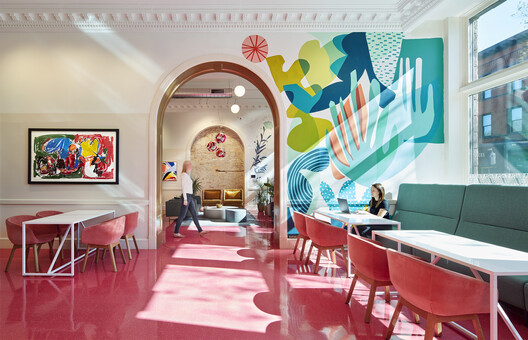
Poetics of Space and Mental Health: How Architecture Can Help Prevent Suicides
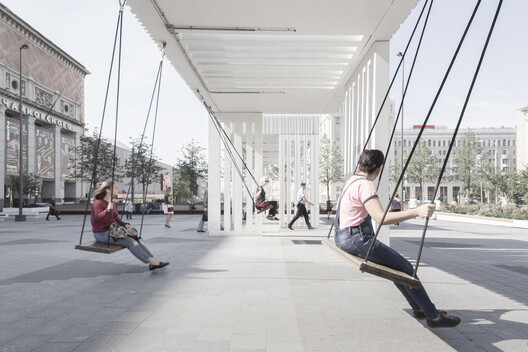
Neuroarchitecture and the Potential of the Built Environment for Brain Health and Creativity
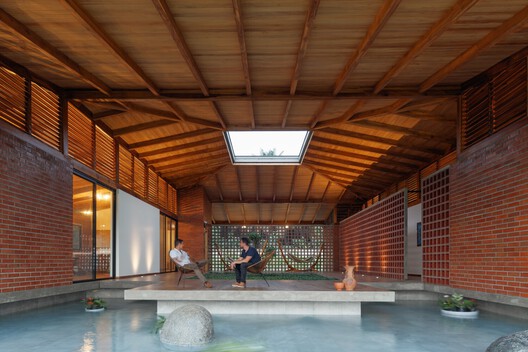
Wellbeing and Slow Spaces: Can Architecture Distort the Way We Experience Time?

Designing for Happiness: Exploring the Connection between Architecture and Mental Health
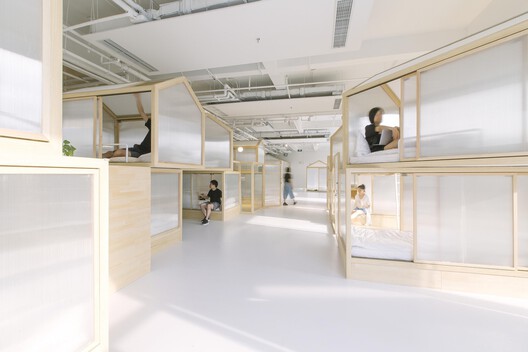
Public Health and Urban Systems
Streets, mobility networks, and public environments shape patterns of access, interaction, and exposure, positioning cities as key sites where health is negotiated. The design and organization of urban space influence not only physical activity and air quality but also social cohesion, safety, and equitable access to services. Green corridors, pedestrian networks, and public plazas can mitigate environmental stressors while fostering community engagement, resilience, and inclusivity. In this way, cities are not just backdrops for daily life, they are active systems that mediate public health, where spatial design decisions ripple across ecological, social, and individual well-being.
Architecture for Public Health: A Joint Approach to Sustainability and Wellness
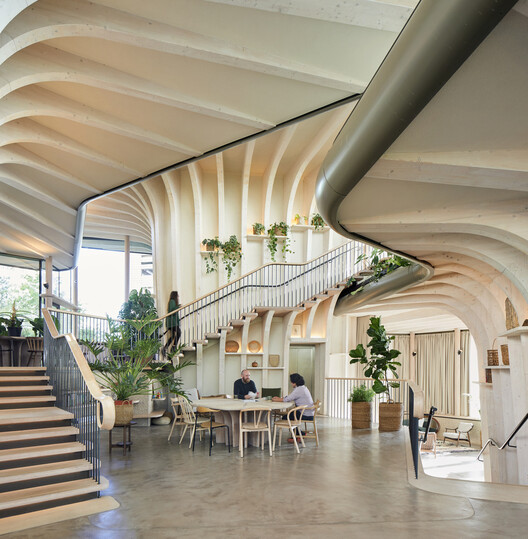
Designing Streets Through the Lens of Care
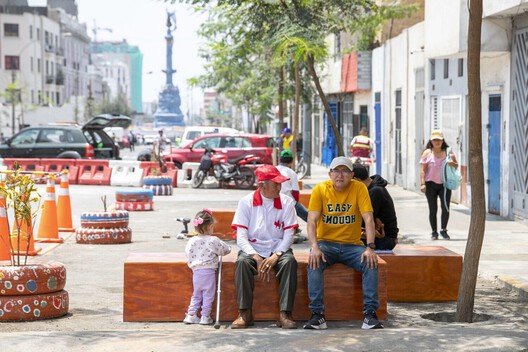
To Live Well in High-Density Cities: Connections of Urban Density and Public Health

How Biophilic Cities Address the Urban Health Crisis in the United States
Materials and Environmental Conditions
Health is also shaped by the material composition of buildings and their environmental performance. Air quality, thermal comfort, and material emissions influence long-term well-being, often through conditions that remain imperceptible in daily use. Choices in construction materials, finishes, and ventilation systems directly affect respiratory health, sensory comfort, and exposure to toxins. At the same time, energy efficiency, water management, and passive climate control contribute to environmental sustainability while supporting consistent indoor conditions that promote physical and mental well-being.
What Building Materials Can Be Harmful to Our Health?
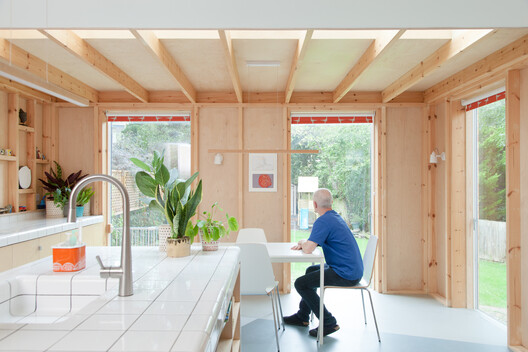
What Materials Can Promote Health in Interior Architecture?