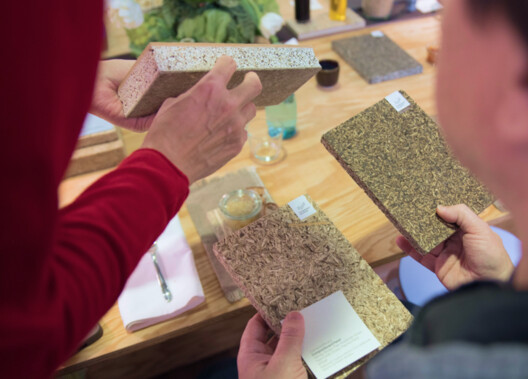
The well-known phrase "man is what he eats" (Der Mensch ist, was er isst), by Ludwig Feuerbach, asserts that the physical, mental, and even moral constitution of human beings is directly linked to what they consume. Today, this idea is widely internalized, with growing awareness around food, nutrition, and the impact of what we ingest on our bodies. Yet, this same level of awareness doesn't extend to the environments we inhabit, where materials continue to be treated as technical decisions rather than active agents in the relationship between body and space. Considering that a large portion of the global population spends around 90% of their time indoors, it is rarely discussed what actually composes these spaces at their most fundamental level: materials. Walls, floors, and finishes are often approached as technical or aesthetic choices, when in reality they can function as continuous sources of exposure to potentially harmful substances.




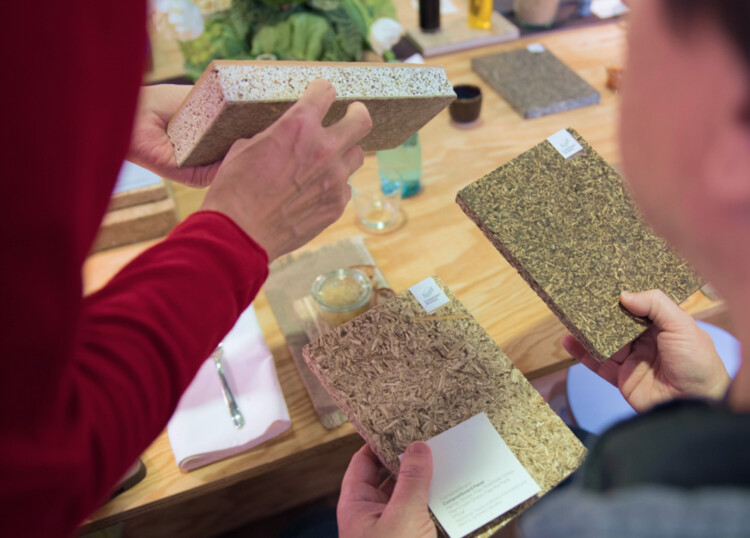
It is within this context that the Healthy Materials Lab (HML), founded in 2015 at Parsons School of Design, proposes a shift in perspective. Based on the recognition that the design and construction industry, especially within the affordable housing sector, plays a critical role in the declining health of both people and ecosystems, the lab argues that material specification should be understood as a central public health concern. We spoke with Jonsara Ruth and Alison Mears, architects and founders of the lab, who shared how this initiative has been developed over the past decade and why material selection may be one of the most critical decisions in contemporary architectural practice. The lab emerged supported by a three-year grant from the JPB Foundation, enabling the development of research on material impacts and the formulation of strategies aimed at architectural practice.


