Architecture can no longer be thought of as an isolated object, detached from the technical networks that sustain contemporary life—a scenario that demands different readings and approaches. Against this backdrop, in March, ArchDaily's monthly topic focused on The Technosphere: Architecture at the Intersection of Technology, Ecology, and Planetary Systems, a broad and inevitably complex topic. Stemming from the concept of the technosphere, coined by geologist Peter Haff to describe the collective artifacts produced by humanity, a panorama emerges in which contemporary life is deeply intertwined with machines, data, and energy grids.


As in previous months, our editorial coverage sought to investigate issues central to the theme, exploring the potential of architecture not only as a component of the technosphere but also as a mediator between technological systems and ecological boundaries. Throughout the month, discussions also centered on how the discipline can intervene in the planetary systems it helps shape, challenge the extractivist logics that underpin these networks, and, above all, imagine new forms of coexistence between humans, machines, and the Earth system itself.
Building on these questions, the published articles articulated multiple perspectives, reflecting a diversity of cultural and geographical contexts. This plurality of approaches not only highlights the complexity of the theme but also underscores the rich array of voices that make up ArchDaily.
Related Article
Rethinking Architecture at the Scale of Planetary SystemsPlanetary Infrastructures: Architecture as Part of a Global System
Seen through the lens of the technosphere, architecture is no longer understood as an isolated object, but rather as part of a broader technical field. Supply chains, data systems, and energy grids are accommodated within planetary-scale infrastructures, directly conditioning what can be built, what is accessible, building performance over time, and even the waste they produce.
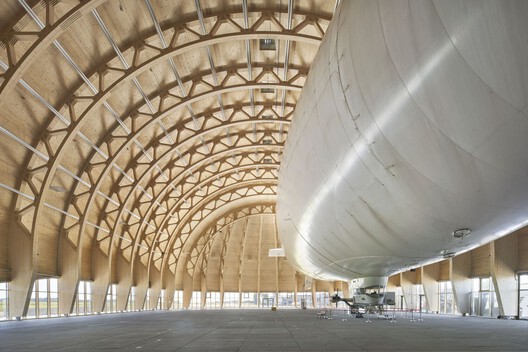
In this context, several articles turned to the vast network of infrastructures that sustains contemporary life, seeking not only to understand its scale and impacts—from cities to outer space—, but also to test ways of engaging with these structures from architectural, environmental, and sensory perspectives.
Articles addressed, for example, the massive footprint of logistics warehouses worldwide, which today spans tens of billions of square meters of space designed for autonomous robots, featuring deep floor plans and no access to natural light. This environmental footprint is shaped by a building scale that reduces soil permeability and contributes to the heat island effect, shedding light on the importance of recognizing architecture not only in inhabited spaces but also in those that support the flows upon which humanity depends.
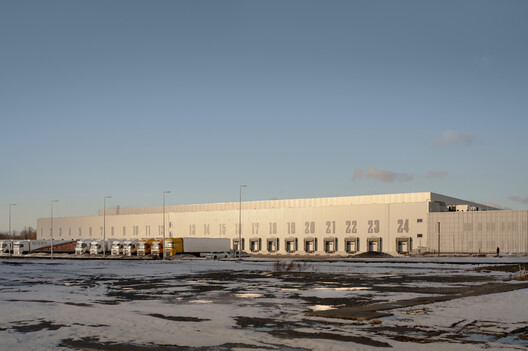
From Global to Local: How Infrastructure Reshapes Territories
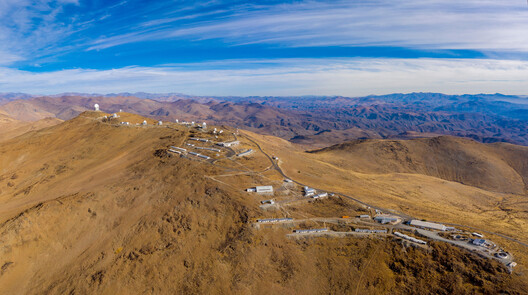
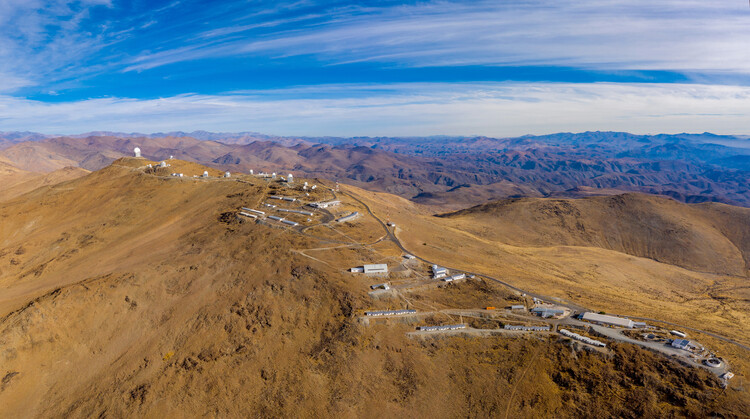
Delving deeper into these flows, regional contexts were also addressed throughout the month, such as energy production infrastructures in Latin America and how they leave their mark on the territory. From hydroelectric plants to wind power, articles examined how these seemingly isolated engineering feats have the capacity to reshape entire territories, as in the case of Chile's Atacama Desert. Known for having some of the highest solar radiation levels in the world, the region now hosts vast solar infrastructures spread across the once-barren landscape, restructuring not only the geography but also creating new flows of equipment and people.
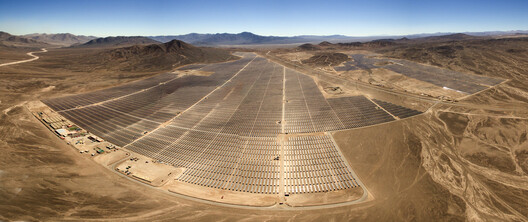
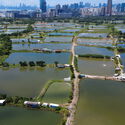
Moving from the Latin American context to Hong Kong's reality, similarities emerge—particularly in the San Tin area. Historically used for agricultural activities, it now hosts parking lots, logistics hubs, and industrial spaces, absorbing the growing global demand for infrastructure of all kinds. This integration of technology, infrastructure, and the natural landscape, even when forced, prompts us to question how such systems should coexist. In this sense, the article itself suggests: could the knowledge generated there be applied to preserve, or at least mitigate, the impact of these structures on the landscapes they inhabit?
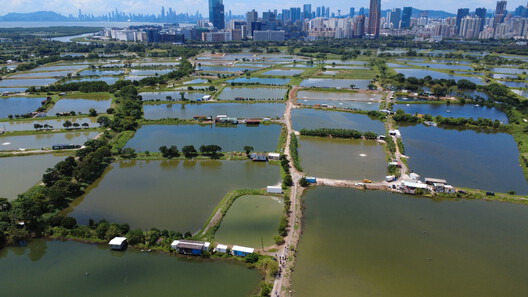
By attempting to answer some questions while raising many more, the articles underscore the complexity of the theme. In the specific case mentioned above, for instance, it becomes clear that this is not merely a matter of allocating urban land for infrastructure, but rather part of an institutional agenda pursued by many countries aiming to "face the future." Against this backdrop, zones for innovation and the development of the digital economy are formalized and integrated into cities. A prime example is the policy directive in Guangdong, China, which demonstrates that AI is not just an economic strategy, but a new form of urbanization.
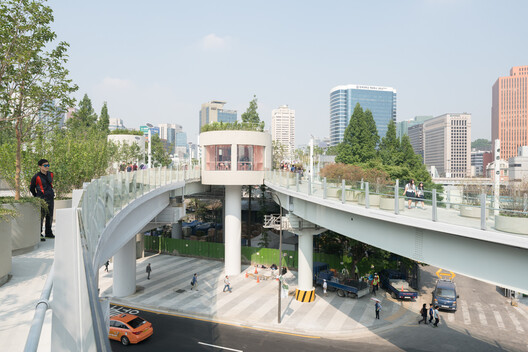
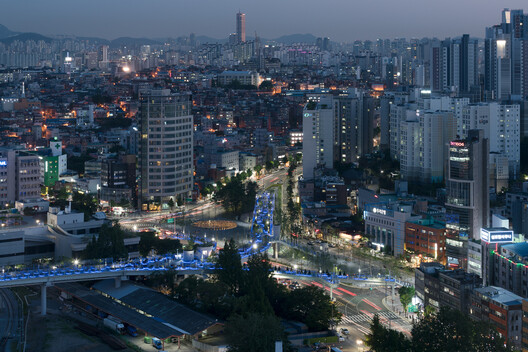
Faced with the visible impacts of the technosphere on the landscape—both natural and built—our editorial coverage also addressed its psychological implications for urban dwellers. These infrastructures, so vital for survival, are increasingly understood not just as spatial structures, but as systems that emit light, reflect sound, radiate vibrations, and shape the urban sensory experience. Inherent to the autonomy of the technosphere itself, this design dimension is increasingly prevalent and must be analyzed responsibly. A prime example is the elevated park Seoullo 7017, designed by MVRDV and built over a highway overpass in Seoul, which demonstrates how landscape architecture can function as acoustic infrastructure.
Decelerating, Resisting, Coexisting: Strategies for a New Reality
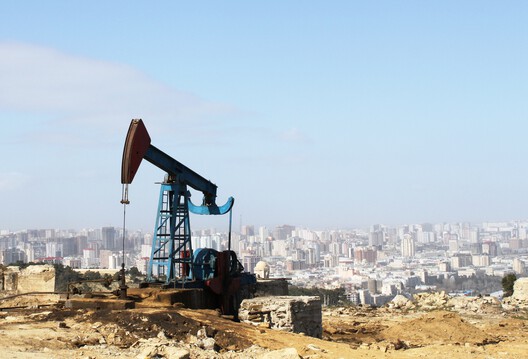
Much like the Seoullo park, which mitigates the psychological impact of highway infrastructure in Seoul, other strategies were presented throughout the month to outline new relationships between architecture and the technosphere, ranging from design languages to material choices—the latter playing a particularly fundamental role in this narrative. Far from being neutral, materials are part of extensive supply chains involving extraction, processing, transportation, and disposal, as evidenced by the centrality of oil in shaping modern cities.
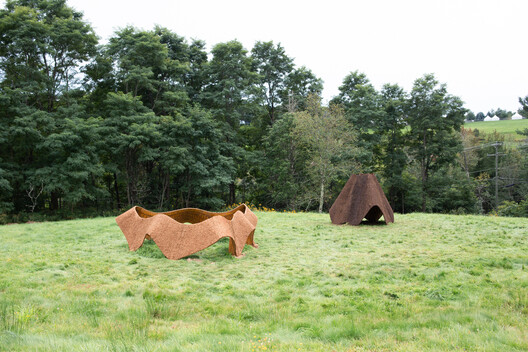
To this end, articles explored how design practice can transform architectural processes and aesthetics through an investigation into material intelligence. Through examples such as the Java and Jam Pavilions by i/thee, which used spent coffee grounds and white grape skins, or the Growing Matter(s) Pavilion by Henning Larsen Architects, constructed using mycelium, contributors demonstrated in practice how bio-based materials can help counter extractivist supply chains and foster more responsive architecture.
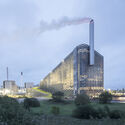
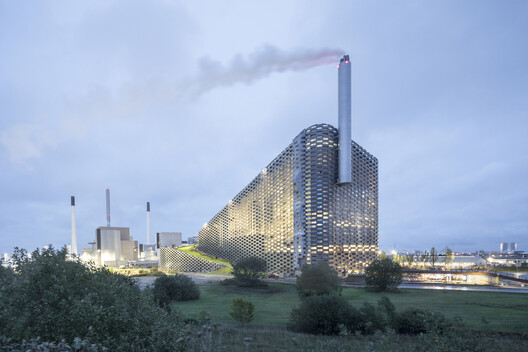
Another strategy featured was architecture that integrates infrastructure into cities and connects it with inhabitants, creating more user-friendly operations and logistics systems. Examples such as the Port House in Antwerp by Zaha Hadid Architects, which consolidates port authority operations into a single structure, or CopenHill by Bjarke Ingels Group, which integrates a waste-to-energy plant into the urban fabric with a ski slope and climbing wall, illustrate how previously isolated infrastructures can become active parts of urban life.
Yet, despite these remarkable works, it is crucial to address the potential obsolescence of everything we build—another key strategy to consider. Citing data centers built in the 1990s that have become completely obsolete in terms of spatial and energy demands, articles emphasized the importance of designing with structural flexibility in mind, organizing accessible, layered systems, and treating facades as upgradable assemblies.
An Expanding Field: The Role of Architecture in the Era of the Technosphere
Faced with this array of discussions, it becomes clear that architecture can no longer be understood apart from the dynamics of the technosphere. The questions raised at the outset cannot be resolved in isolation; rather, they interweave across the different perspectives, scales, and contexts explored. Mediating systems, intervening in planetary processes, and challenging extractivist logics are no longer mere possibilities—they have become the concrete conditions of contemporary practice. In this scenario, there are no single answers, but rather an expanding field—one in which architecture must assume an active role, fully conscious of the systems it helps sustain and the impacts it produces.
This article is part of the ArchDaily Topics: The Technosphere. Every month we explore a topic in-depth through articles, interviews, news, and architecture projects. We invite you to learn more about our topics. And, as always, at ArchDaily we welcome the contributions of our readers; if you want to submit an article or project, please contact us.
Related Article
Rethinking Architecture at the Scale of Planetary SystemsThis article was written by Camilla Ghisleni. The translation is powered by AI.


