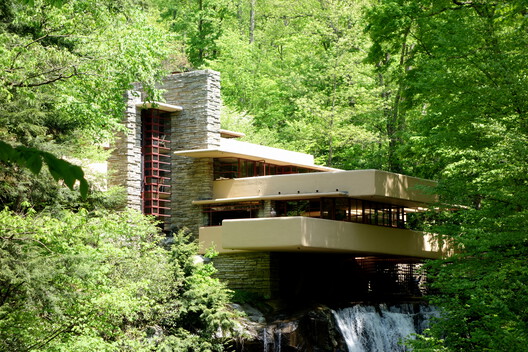
Fallingwater, the iconic residence designed by Frank Lloyd Wright, has reopened to the public following the completion of a three-year preservation project. The reopening coincides with the building's 90th anniversary and the start of its 63rd tour season, marking a key moment in the ongoing conservation of one of the most widely recognized works of modern architecture. The intervention, led by the Western Pennsylvania Conservancy, focused on addressing structural and environmental challenges while maintaining the integrity of Wright's original design.
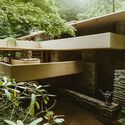
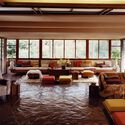
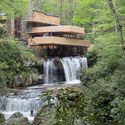
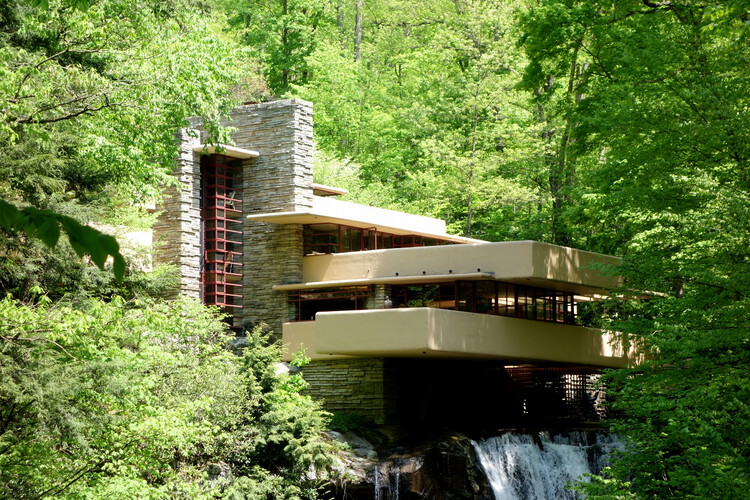
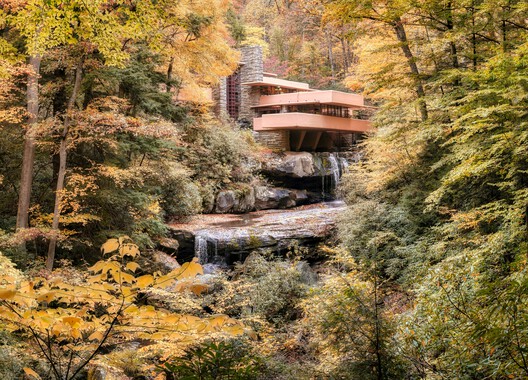
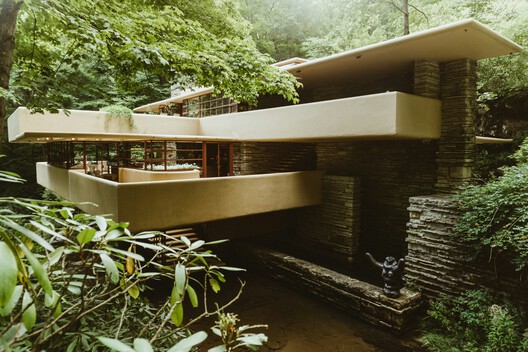
Commissioned in 1935 by Edgar J. Kaufmann Sr. as a weekend residence, Fallingwater is frequently cited as a defining example of Wright's concept of organic architecture. The project is organized as a series of cantilevered reinforced concrete terraces anchored to the site's natural rock formation, extending over the stream of Bear Run. Through its material palette, spatial composition, and integration with the landscape, the house establishes a continuous relationship between built form and environment. Opened as a museum in 1964, Fallingwater has since become a major cultural destination and is inscribed on the UNESCO World Heritage List as part of "The 20th-Century Architecture of Frank Lloyd Wright."
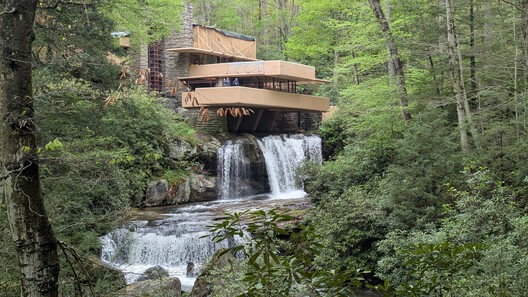
The recently completed conservation works respond to persistent issues related to water infiltration and material deterioration. The scope of the intervention included waterproofing the roof, repairing and stabilizing concrete elements, and upgrading glazing systems, as well as replacing select window and door frames. These measures were undertaken as part of a broader strategy to improve the building envelope and ensure long-term performance, following earlier preservation efforts. With the removal of scaffolding and protective enclosures, the house is once again fully visible, reestablishing its visual relationship with the surrounding woodland setting.
Related Article
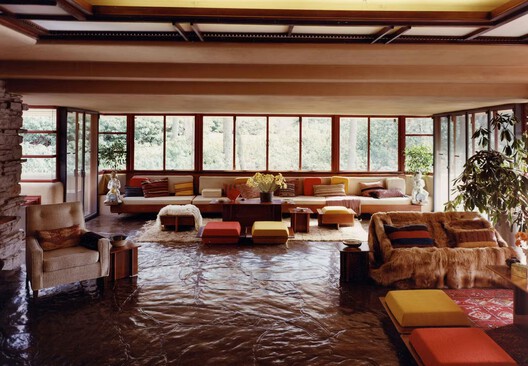
Frank Lloyd Wright’s Fountainhead Residence Purchased by the Mississippi Museum of Art and Prepared for Public ToursThe reopening also marks the launch of the 2026 public program, which includes a range of guided tour formats. In addition to the standard architectural tour, visitors can access in-depth tours offering entry to additional interior spaces within the main and guest houses. The visitor center, café, and museum store have resumed operations, alongside exhibitions such as "The Kaufmann Films: A Legacy in Motion," presented at the Speyer Gallery, featuring archival footage from the house's early years. Throughout the anniversary year, Fallingwater will host a series of events, lectures, and performances, positioning the site within broader cultural and disciplinary discussions. Educational programs organized through the Fallingwater Institute further extend this agenda, offering residencies, workshops, and courses focused on architecture, design, and sustainability.
In related developments, Frank Lloyd Wright's Fountainhead Residence, originally designed in 1948, has been acquired by the Mississippi Museum of Art and is being prepared for public tours. Meanwhile, the Egg Performing Arts Center has recently reopened following a six-month renovation, reintroducing its distinctive late modernist structure to New York's cultural scene. In London, the Southbank Centre has been granted Grade II listed status after decades of advocacy, signaling a growing recognition of postwar architectural heritage and its cultural significance.