

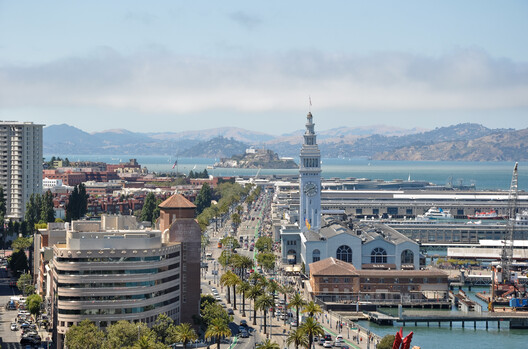
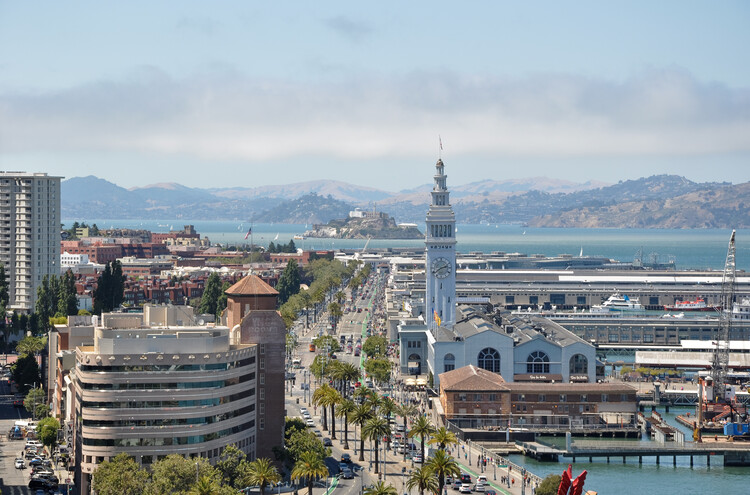
In recent decades, cities across the world have seen an increase in the demolition of elevated concrete freeways. Taipei, Seoul, Portland, and Boston, for example, have all seen the rise and fall of these infrastructures to give way to parks and new urban regeneration ideas. In other cases, like Montreal in Canada, some people opposed the freeways even before they were built, effectively rerouting viaducts, preserving heritage, and freeing waterfront views. For San Francisco, in the United States, the story of the Embarcadero Freeway is one of those narratives that serves as a case study of the city's mid-century infrastructural ambition, people's reaction to the project, and its eventual reversal in favor of urban connectivity.
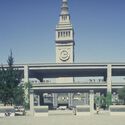
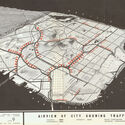
The project originated in the late 1940s as a component of a Trafficways Plan under the Transportation Plan for San Francisco. It provided a comprehensive, long-term transportation framework to address postwar traffic congestion and public transit needs. This vision sought to modernize San Francisco by prioritizing vehicular flow and providing a full traffic distributor loop around downtown. The primary objective was to create a high-capacity, high-speed link between the Bay Bridge and the Golden Gate Bridge.


