

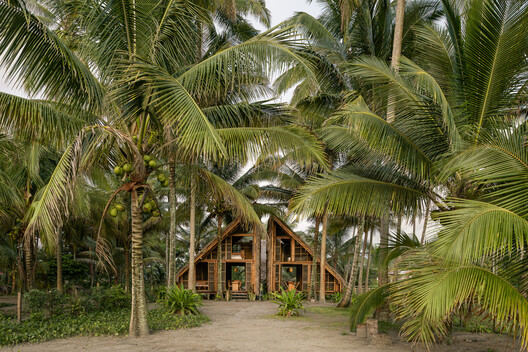
Ecuador's territory embraces a remarkable diversity of landscapes, ranging from the Pacific Coast to the peaks of the Andes, the vast expanse of the Amazon rainforest, and the volcanic Galápagos Islands. Each region of the country presents its own distinctive characteristics, reflected in its varied environmental, cultural, and social contexts. While Latin American architecture is rooted in rich ancestral traditions, native construction techniques, and local materials, contemporary Ecuadorian architecture expresses an evolving identity that blends these elements with actual demands. Tradition and innovation, local resources and modern techniques, along with social responsibility and aesthetics, interact with the natural environment, urban conditions, and social contexts.
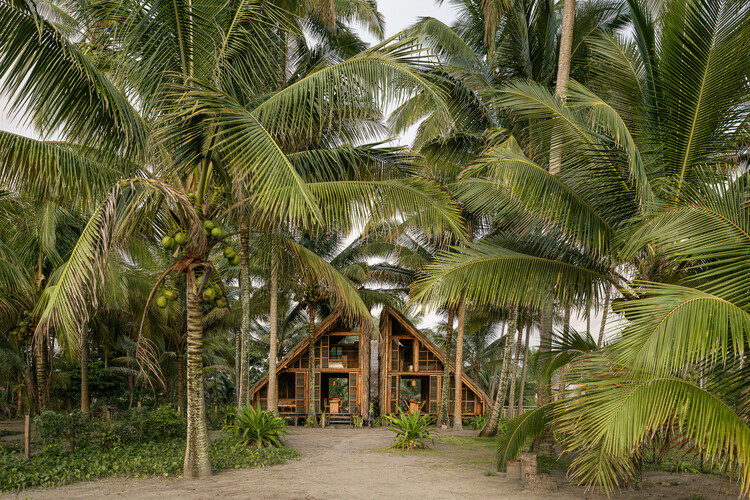
Through the interplay of design, environment, and culture, contemporary architecture shapes the lives of millions, creating experiences and preserving memories within the spaces we inhabit. Whether serving communities, supporting educational and cultural purposes, or addressing private needs, Ecuadorian architects strive to expand the boundaries of the discipline. In the face of an architectural discourse defined by creative solutions, technical skill, and cultural sensitivity, experimentation with materials helps build connections among communities, offering more than just environmental benefits.


