
Viewpoints are structures designed for observing the landscape from elevated vantage points. Situated in the midst of nature or within the urban landscape, they function as devices that organize the gaze and establish a direct relationship between the body and the territory. Along this boundary between observer and landscape, viewpoints can take on various configurations, from subtle gestures to monumental structures, always in response to their context. Regardless of scale, they are—to some extent—attempts to domesticate vastness: precise frames that render legible what might otherwise feel overwhelming without mediation.
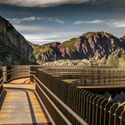
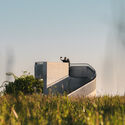
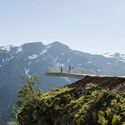
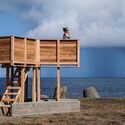

It is precisely this mediation that transforms the experience of observation. Upon reaching a privileged vantage point, the body shifts not only in space but also in self-perception. The expansiveness of the visual field and the vastness of the landscape highlight the relationship between the individual and the scale of the territory, fostering a heightened awareness of the surroundings. Between the horizon and the body, the viewpoint establishes a manageable scale: it does not reduce the landscape but frames it, allowing the eye to wander, comprehend, and, for a few moments, inhabit it.


