Spaces That Feel Back: How Buildings Respond to Human Behavior

Subscriber Access

Buildings were always intended to solve a straightforward problem: shelter. Through form and material, they protected occupants from the weather and organized human activity. Modern architecture, along with evolving lifestyles, added new priorities — efficiency, density, structural innovation, and aesthetics. People now demand more from buildings. Occupants increasingly want environments that actively support how they live, work, and feel.

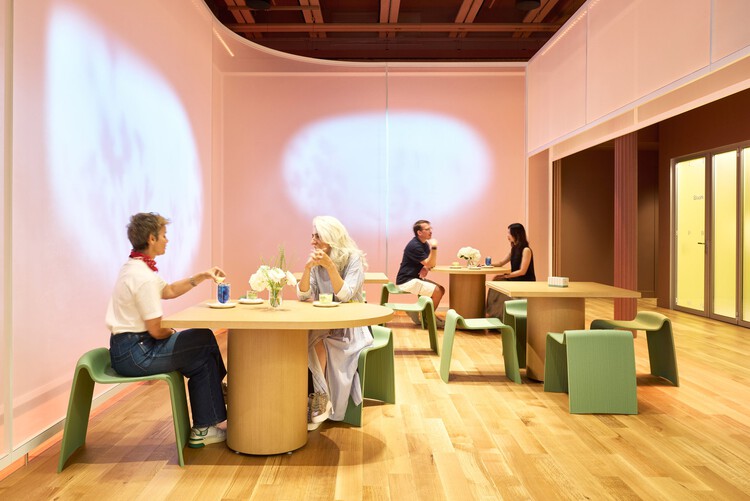
Wellness has become a central concern in modern times. Decades of research in environmental psychology and building science reveal that indoor conditions can profoundly affect human health and behavior. Lighting influences circadian rhythms and sleep patterns. Air quality impacts cognitive performance and respiratory health. Temperature and acoustics shape comfort and concentration.
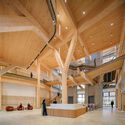

Spaces That Feel Back: How Buildings Respond to Human Behavior - Image 2 of 6Spaces That Feel Back: How Buildings Respond to Human Behavior - Image 3 of 6Spaces That Feel Back: How Buildings Respond to Human Behavior - Image 4 of 6Spaces That Feel Back: How Buildings Respond to Human Behavior - Image 5 of 6Spaces That Feel Back: How Buildings Respond to Human Behavior - More Images+ 1

Content Loader

Image gallery

See allShow less
About this author
Cite: Ankitha Gattupalli. "Spaces That Feel Back: How Buildings Respond to Human Behavior" 19 Mar 2026. ArchDaily. Accessed . <https://www.archdaily.com/1039736/spaces-that-feel-back-how-buildings-respond-to-human-behavior> ISSN 0719-8884

You've started following your first account!

Did you know?

You'll now receive updates based on what you follow! Personalize your stream and start following your favorite authors, offices and users.