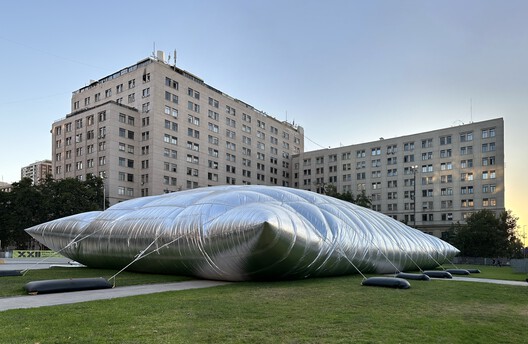
Smiljan Radić Clarke, the 2026 Pritzker Prize winner, is a contemporary Chilean architect known for his experimental approach to design, with a practice that balances the elemental with the intimate, the monumental with the fragile. Over the course of more than three decades, Radić has developed an architecture that resists repetition and conventional stylistic categorization, favoring instead deeply site-specific, materially attuned, and culturally reflective interventions.
His work negotiates between permanence and impermanence, memory and imagination, creating buildings that are as much about human experience and emotion as they are about structure and form. Across residences, cultural institutions, and temporary installations, Radić's architecture foregrounds the interplay between context, materials, and the subtle gestures that shape how spaces are inhabited and perceived.

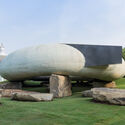
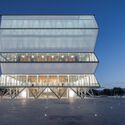
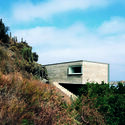
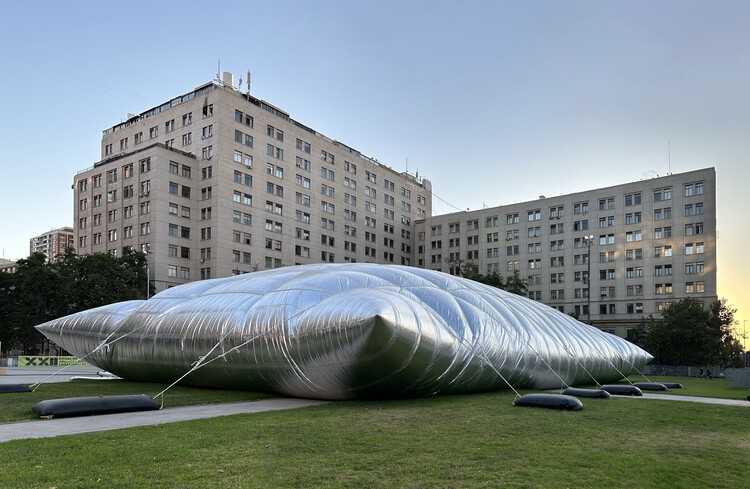
Radić's designs emerge from an acute sensitivity to history, landscape, and human presence, reflecting a broader philosophy in which architecture is understood as a cumulative, layered process. Influenced by literature, philosophy, and myth, as well as his own multicultural upbringing, he approaches each project as a singular inquiry rather than an opportunity to assert a signature aesthetic. From the small, hand-built Casa Chica in the Andes to internationally recognized installations like the Serpentine Pavilion in London, Radić's work reveals an enduring interest in crafting experiences that are simultaneously protective, contemplative, and open to interpretation.
Related Article
Smiljan Radić Clarke Receives the 2026 Pritzker Prize, The Artist of Unspoken Architecture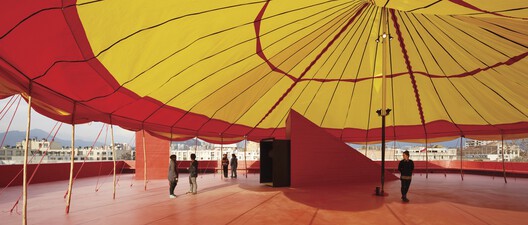
In every work, he is able to answer with radical originality, making the unobvious obvious. He reverts back to the most irreducible basic foundations of architecture, exploring at the same time, limits that have not yet been touched. – Alejandro Aravena, Chair of the Jury and 2016 Pritzker Prize Laureate
1. Multicultural Origins and the Construction of Identity
Born in Santiago, Chile, in 1965, Smiljan Radić grew up within a family defined by migration and layered cultural histories. His father's parents came from Brač, Croatia, and his mother's lineage traced back to the United Kingdom, situating him in a household where questions of belonging and origin were constant. Radić has reflected that identity is not merely inherited, but something that must be assembled through experience: "Sometimes, you have to produce your own roots. That gives you freedom."Like his own life, his work emerges through accumulated experience, memory, and reflection, constructing meaning rather than inheriting it. From the outset, Radić's architecture has embraced this sense of openness and layering, rejecting fixed traditions in favor of projects that respond to cultural and contextual nuances.
2. Discovering Architecture Through Drawing and Education
Radić's path to architecture developed gradually rather than through a single defining moment. As a child, he spent much of his time drawing, and at the age of fourteen, he first encountered architecture when an art teacher asked him to design a building as part of a classroom exercise. The project revealed the discipline's ability to merge imagination, spatial reasoning, and human experience, planting the seeds for a career that would fuse art, sculpture, and architecture.
He later pursued architectural studies at the Pontificia Universidad Católica de Chile in Santiago, eventually graduating in 1989. Rather than following a strictly professional path, Radić expanded his intellectual horizons by studying history at the Istituto Universitario di Architettura di Venezia and traveling extensively. These experiences exposed him to different landscapes, cultures, and architectural traditions, shaping his understanding of architecture as a cultural and philosophical practice rather than merely a technical profession.
3. Architecture Inspired by Philosophy, Literature, and Myth
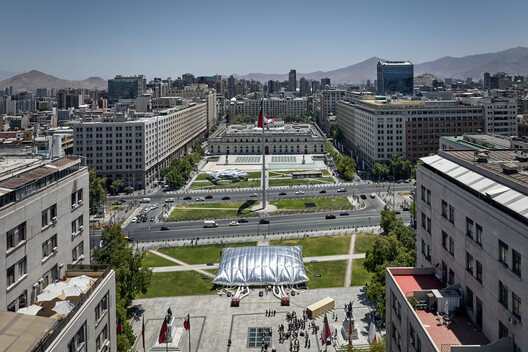
Radić's approach is rooted in broader intellectual influences. Philosophy, literature, and mythological narratives frequently inform his design thinking, providing conceptual frameworks that shape both imagery and spatial organization. He believes that ideas inhabit physical objects and that architecture can function as a setting in which meanings gradually emerge. Rather than imposing clear symbolic messages, his buildings create conditions where users may discover their own interpretations. He has stated, "I have always tried to build settings where others might discover emergent ideas," emphasizing the experiential and interpretive dimensions of architecture. His buildings operate on multiple levels, material, emotional, and conceptual, while maintaining ambiguity and openness, encouraging users to discover personal meanings over time. This intellectual layering is a hallmark of his work, where narrative and imagination are embedded in the spatial, structural, and material qualities of a building, making architecture simultaneously reflective, poetic, and grounded.
4. Collaboration with Sculptor Marcela Correa
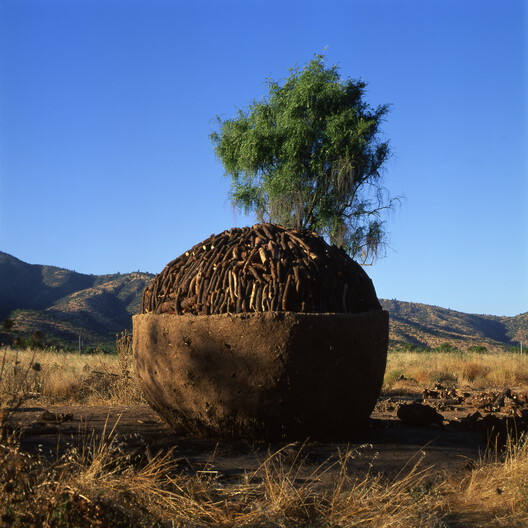
An important influence on Smiljan Radić's work has been his long-standing relationship with sculptor Marcela Correa. The two met during their university years and eventually married, establishing a partnership characterized by an ongoing exchange of ideas between sculpture and architecture. Their early collaboration on Casa Chica (Vilches, Chile, 1997) illustrates this relationship clearly. The small house, measuring only twenty-four square meters, was constructed largely by hand in the Andes Mountains and demonstrates Radić's early interest in material presence, landscape, and modest architectural gestures.
5. Founding An Intimate Practice and Rejecting a Signature Style
Radić founded his architectural studio Smiljan Radić Clarke in Santiago in 1995. Unlike many contemporary architectural offices that grow into large international firms, Radić has intentionally maintained a relatively small and intimate practice. This structure allows him to approach each project as a unique investigation rather than applying a repeatable design language. He openly rejects the notion of a "signature style," preferring instead to develop architecture through first principles, carefully considering context, use, and the cultural conditions surrounding each project. For Radić, architecture is not about establishing a recognizable aesthetic identity but about responding to the specific circumstances of each commission.
Developed in a context of unforgiving circumstances, from the edge of the world, with a practice of just a few collaborators, he is capable of bringing us to the innermost core of the built environment and the human condition. – Alejandro Aravena, Chair of the Jury and 2016 Pritzker Prize Laureate
6. Site as Cultural, Social, and Environmental Context
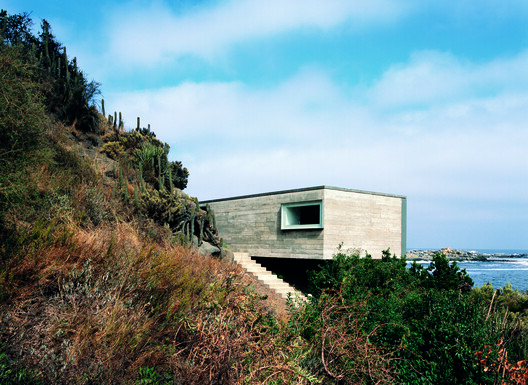
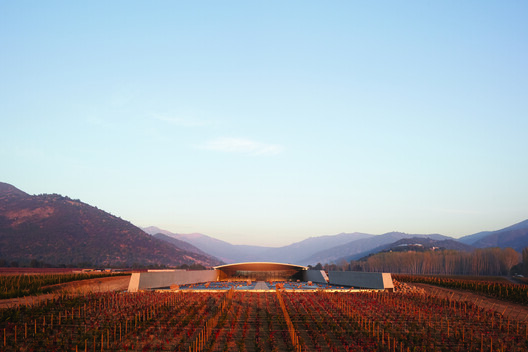
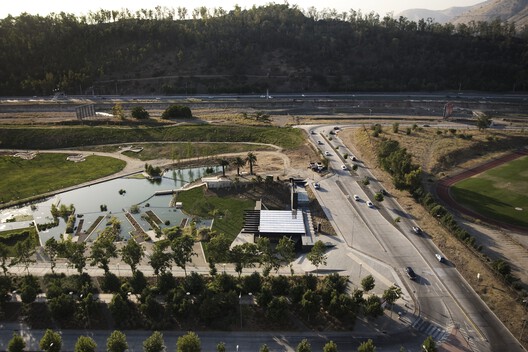
Central to Radić's architectural philosophy is a broad understanding of site. Rather than treating the site merely as a physical plot of land, he interprets it as a convergence of environmental conditions, historical layers, social practices, and political circumstances. His buildings often emerge through strategies that respond directly to these conditions. Some projects are partially embedded in the ground, while others are oriented to protect against prevailing winds or intense sunlight. Examples include Restaurant Mestizo (Santiago, 2006), which integrates itself into the landscape rather than standing prominently upon it, and Pite House (Papudo, 2005), which is carefully oriented to shelter its interior spaces from harsh coastal winds and sunlight.
7. Material Experimentation and the Discipline of Construction
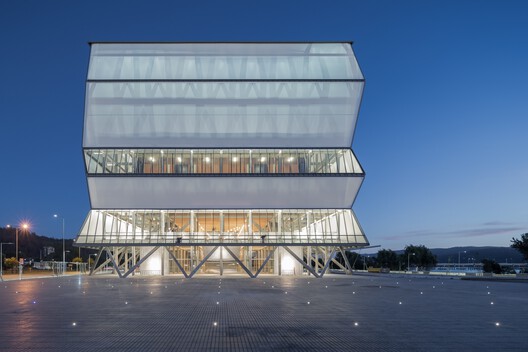
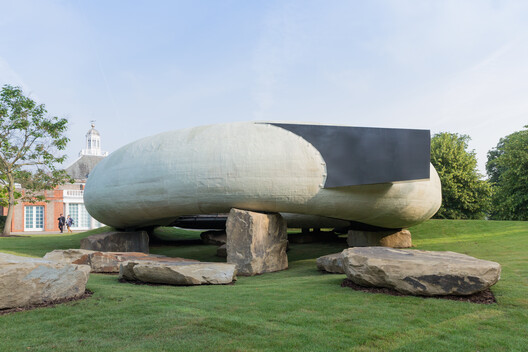
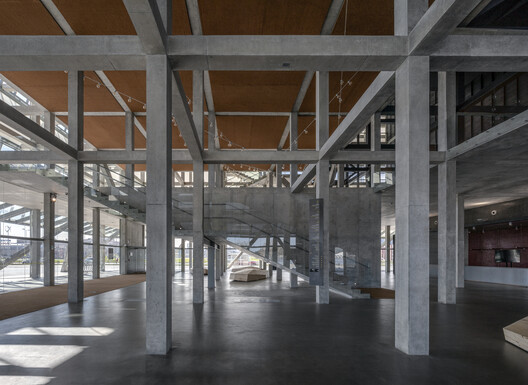
Radić's architectural simplicity conceals a rigorous approach to engineering and construction. Materials such as concrete, stone, timber, glass, and fiberglass are deployed with careful attention to their physical and sensory properties. Through these combinations, Radić shapes not only structure but also light, sound, weight, and enclosure. A well-known example is the 2014 pavilion designed for the Serpentine Galleries in London, where a translucent fiberglass shell rests upon large quarry stones. The structure filters light softly while remaining partially open to the surrounding park, creating an atmosphere that is both protective and permeable. In projects such as Teatro Regional del Bío-Bío (Concepción, 2018), material restraint is similarly used to regulate light and acoustics, demonstrating how construction itself becomes a form of architectural storytelling.
8. Architecture as Emotional and Experiential Space
Beyond technical and formal considerations, Smiljan Radić's work often reflects a deep sensitivity to the emotional and psychological experience of architecture. His buildings frequently create spaces that feel protective, inwardly focused, and attentive to human vulnerability. This is evident in House for the Poem of the Right Angle (Vilches, 2013), a contemplative structure where carefully positioned openings frame the sky and allow light to mark the passage of time. In his own residence and studio, Pequeño Edificio Burgués (Santiago, 2023), architecture similarly mediates between exposure and privacy. From the interior, residents overlook the city below, while from the exterior, the building remains concealed behind layered screens and curtains. Such strategies reveal Radić's interest in how architecture can shape emotional atmospheres and encourage introspection.
9. Adaptive Reuse, Cultural Institutions, and Ongoing Inquiry
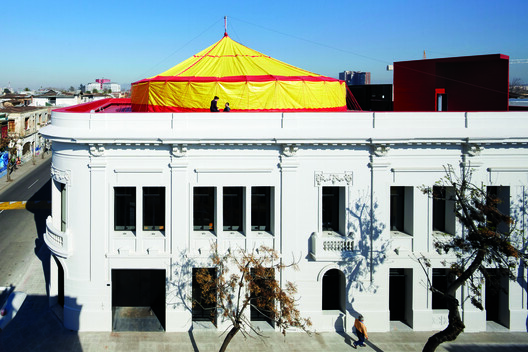
Smiljan Radić also engages with existing structures, treating architectural intervention as a process of layering rather than replacement. Projects such as NAVE (Santiago, 2015) demonstrate this approach. The building, originally an early-twentieth-century residence damaged by a natural disaster, was transformed into a cultural venue for performances and workshops while retaining much of its original structure. Above the restored building, a rooftop terrace covered by a circus tent introduces an unexpected sense of lightness and celebration, contrasting with the grounded spaces below. This interest in layered architectural processes also extends beyond individual projects. In 2017, Radić founded the Fundación de Arquitectura Frágil, an institution dedicated to research, exhibitions, and experimental architectural inquiry, reflecting his belief that architecture should remain an open and evolving cultural practice.
10. International Recognition, Installations, and Global Practice
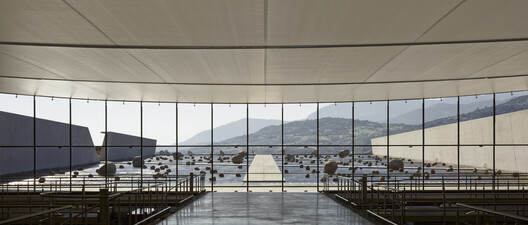
Based in Santiago, Smiljan Radić has gained international recognition while maintaining a relatively small and independent studio. Over the past two decades, his work has been widely exhibited and presented in major cultural institutions, reflecting the strong dialogue in his practice between architecture, art, and installation. Radić has participated in events such as the Venice Architecture Biennale, where he collaborated with sculptor Marcela Correa on the installation The Boy Hidden in a Fish (2010). His work has also been exhibited at institutions including the Swiss Institute in New York and the LUMA Foundation in Switzerland. International recognition of his work includes the Biennial Grand Prize at the Pan-American Architecture Biennial of Quito in 2022 for the Bío Bío Regional Theater and First Prize for the Chilean Pavilion at Expo 2020 Dubai in 2019. Despite his expanding portfolio across the Americas and Europe, Radić continues to operate from Santiago, sustaining a practice characterized by experimentation, material exploration, and a strong emphasis on the atmospheric qualities of architecture.
We invite you to check out ArchDaily's comprehensive coverage of the Pritzker Prize.