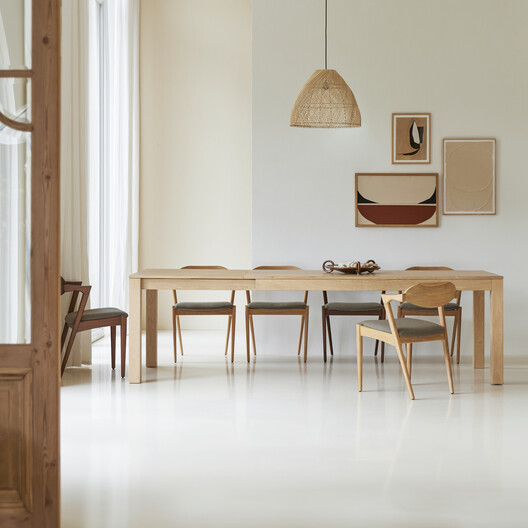
In an age dominated by screens and digital images, the full character of a designed object often remains hidden. Only when encountering an object in person can one sense its texture, notice how it interacts with light, or even perceive its subtle smell. These sensory qualities— so difficult to convey online—reveal why design fairs continue to matter. Increasingly, these fairs have become spaces for experimentation in contemporary design, where ideas about materials, collaboration, and social responsibility are publicly explored. Curated programs, exhibitions, and experimental installations transform these events into environments where designers, manufacturers, and researchers test new possibilities for the built realm.
The International Contemporary Furniture Fair (ICFF), held annually in New York, exemplifies this evolution. At ICFF, objects are presented within broader narratives of craft, innovation, and global collaboration through curated exhibitions, partnerships with design institutions, and platforms dedicated to emerging talent. At the center of this transformation is a renewed attention to craft, not as nostalgia, but as a critical tool for innovation.

Under the 2026 theme, "Common Ground: A Global Dialogue on Design and Shared Values," the fair positions design as a force that connects cultures, disciplines, and global perspectives. The objects presented do not exist in isolation; they reflect environmental and social concerns alongside new technological possibilities. The result is an exchange that extends beyond the physical exhibition space, encouraging partnerships between studios and manufacturers, international collaborations, and new research initiatives that often emerge from these temporary encounters.
Craft as a Language of Contemporary Design
The objects at the fair reveal a strong emphasis on the expressive potential of materials and the processes that shape them. Designers increasingly highlight the tactile and experimental qualities of craft-based production rather than concealing manufacturing processes behind a supposed industrial perfection that tends to produce uniformity. Irregular surfaces, traces of the hand, and natural variations become part of the language of these objects.
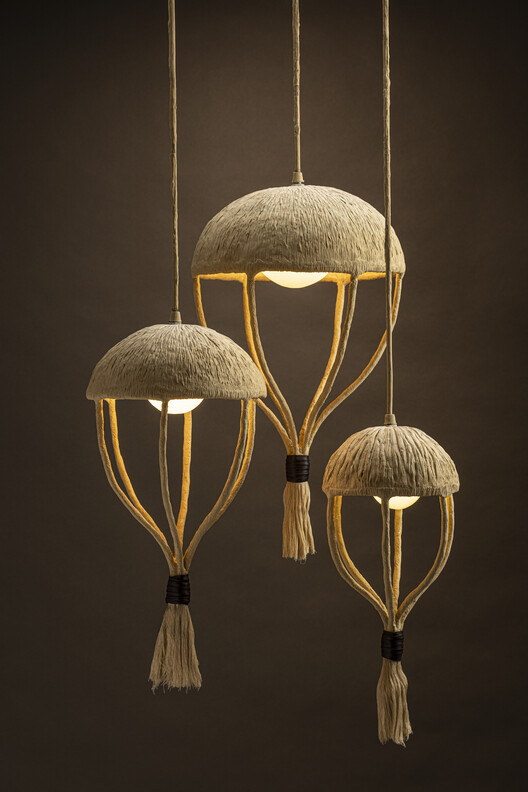
Pieces such as the Bodhi Deep Samuha Pendant Lamp by Shailesh Rajput Studio reinterpret traditional craft techniques through contemporary forms. Made from handwoven natural fibers, the lamp explores the permeability of the material to create translucent surfaces that softly filter light. The project also reflects a collaborative approach to design, involving craft communities in its production and transforming vernacular techniques into objects that circulate within the global design market.
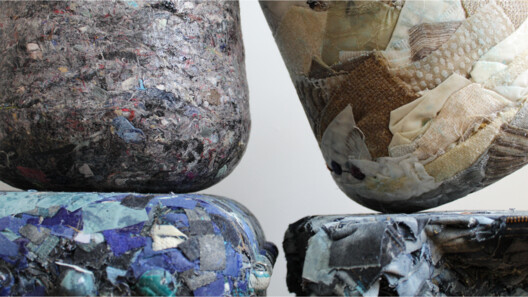
Similarly, Estudio PM's Herencia Totem repurposes reclaimed textiles into artisanal side tables and stools. Each module reveals different textures and tones, incorporating traces of previous uses and histories. Stacked vertically, these elements construct a material narrative along the column. The result brings the furniture close to a sculptural presence in which structure, material, and form become inseparable.
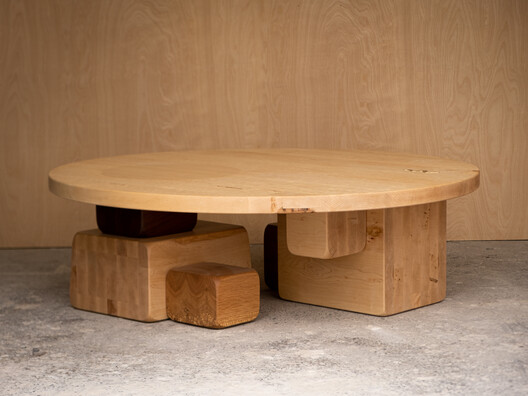
Studio 9&19's Block Coffee Table takes a different approach, exploring geometric reduction and the inherent qualities of wood. Solid volumes and carefully controlled proportions create a table that emphasizes weight, stability, and balance. The materiality of the block becomes the central element of the piece, allowing subtle variations in finish to reveal the density and physical presence of the material within the space.
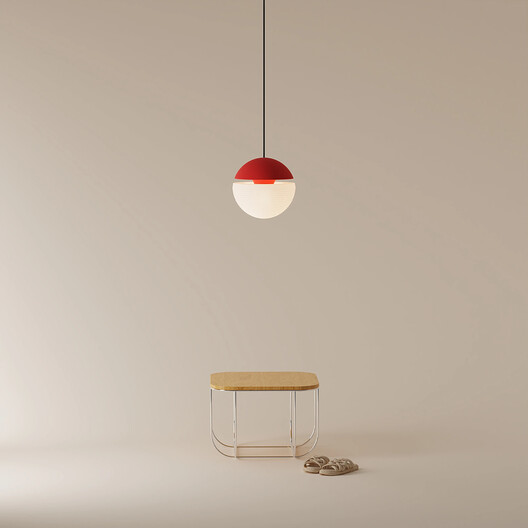
The relationship between design and contemporary fabrication also appears in projects such as the Cora Pendant Light, developed by Simon Schmitz for Gantri. Produced through additive manufacturing using plant-based polymers, the lamp features a softly textured surface and a precise geometry that demonstrates the possibilities of 3D printing in lighting design. The digital process introduces a new form of craft in which formal experimentation and technology are articulated within the same production process.
Curatorship, Partnerships, and New Agendas in Design
ICFF 2026 highlights how fairs are becoming platforms for dialogue and collaboration. Partnerships include Habitat for Humanity NYC & Westchester, focusing on affordable housing, and London's Mayfair Design District, which contributes to the Bespoke program. The event also incorporates new curatorial voices, including Julia Haney Montanez, responsible for the Look Book program, and Adrian Madlener, consultant for the talks program.
Throughout the fair, debates and exhibitions address topics such as responsible material use, the relationship between design, technology, and social impact, and the contemporary housing crisis. Jonsara Ruth, director of the Healthy Materials Lab at the Parsons School of Design, contributes to these conversations, reinforcing the role of material investigation as part of broader social and environmental inquiry. The program also reinforces support for new talent with the expansion of the Emerging Designer Spotlight and the continuation of the WANTED platform, which brings together schools, workshops, and initiatives dedicated to emerging designers.
Fairs like these broaden the discussion about how objects are conceived, produced, and used, highlighting the processes, collaborative networks, and material choices that shape design. More than showcases for new products, they become meeting points for different approaches to the discipline, revealing possible paths for the future of design.
For those interested in experiencing these works firsthand, registration for ICFF is currently open. ArchDaily readers can access complimentary registration through this link using the promotional code DAILY100 valid until March 31.


