The Earthen Towers of Shibam: A Vertical City in the Yemeni Desert

Subscriber Access

Symbols of technological development and urban density, tall buildings as we know them today emerged in the late nineteenth century, particularly in the United States, as a response to the rapid expansion of urban commerce and the need to grow cities without occupying additional land. The term skyscraper, for instance, was coined in the 1880s and originally referred to buildings with around 10 to 20 stories—an impressive height for the time.

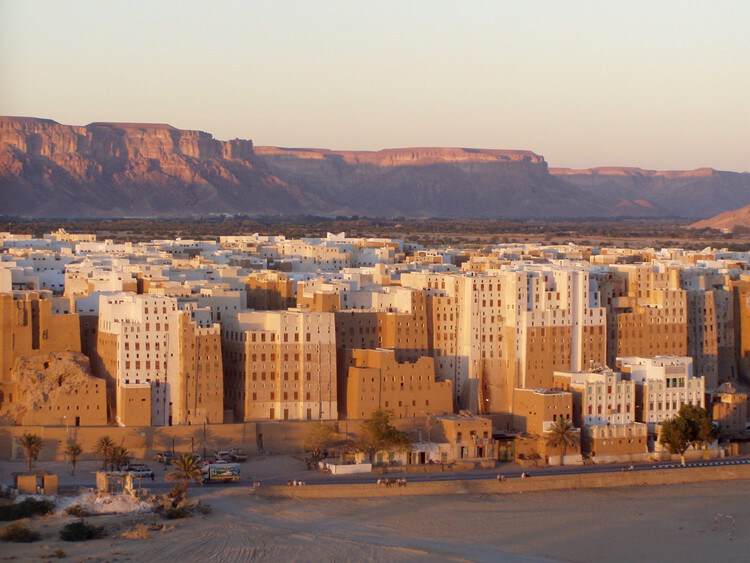
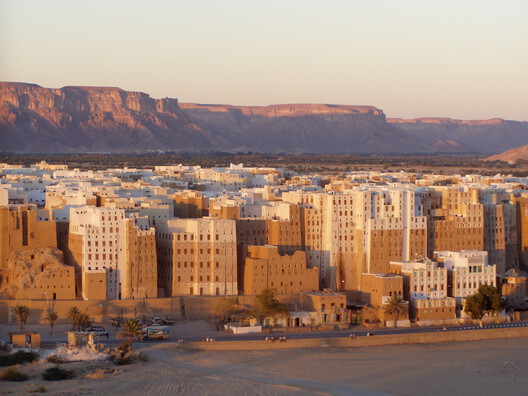
However, the idea of building vertically is much older than the steel-and-glass skyscrapers of modern cities might suggest. Long before the Industrial Revolution, some societies were already experimenting with forms of vertical urbanization as a response to limited space, territorial defense, or environmental adaptation.

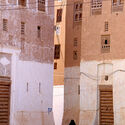
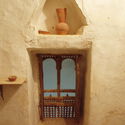
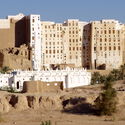
The Earthen Towers of Shibam: A Vertical City in the Yemeni Desert - Image 2 of 12The Earthen Towers of Shibam: A Vertical City in the Yemeni Desert - Image 3 of 12The Earthen Towers of Shibam: A Vertical City in the Yemeni Desert - Image 4 of 12The Earthen Towers of Shibam: A Vertical City in the Yemeni Desert - Image 5 of 12The Earthen Towers of Shibam: A Vertical City in the Yemeni Desert - More Images+ 7

Content Loader

Image gallery

See allShow less
About this author
Cite: Ghisleni, Camilla. "The Earthen Towers of Shibam: A Vertical City in the Yemeni Desert" [As Torres de Terra de Shibam: Uma Cidade Vertical no Deserto do Iêmen] 16 Mar 2026. ArchDaily. (Trans. Simões, Diogo) Accessed . <https://www.archdaily.com/1039429/the-earthen-towers-of-shibam-a-vertical-city-in-the-yemeni-desert> ISSN 0719-8884

You've started following your first account!

Did you know?

You'll now receive updates based on what you follow! Personalize your stream and start following your favorite authors, offices and users.