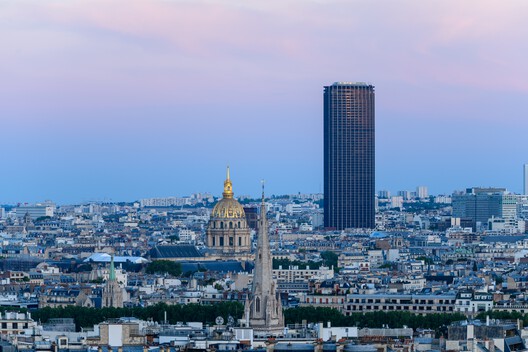
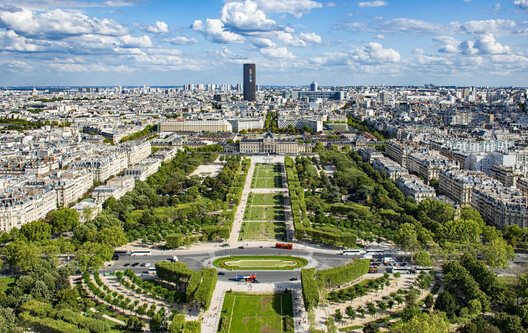
The public observation deck at the top of the Tour Montparnasse, long considered one of the most debated additions to the Parisian skyline, is set to close on March 31, 2026, ahead of a major redevelopment of the tower and its surrounding complex. Completed in 1973, the 210-meter structure has remained the only skyscraper within central Paris for decades, frequently criticized for its scale and contrast with the historic cityscape. The closure of the Paris Montparnasse Observatory marks the beginning of a multi-year transformation aimed at modernizing the tower while rethinking its relationship with the surrounding Montparnasse district.
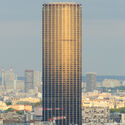
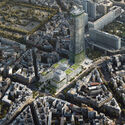
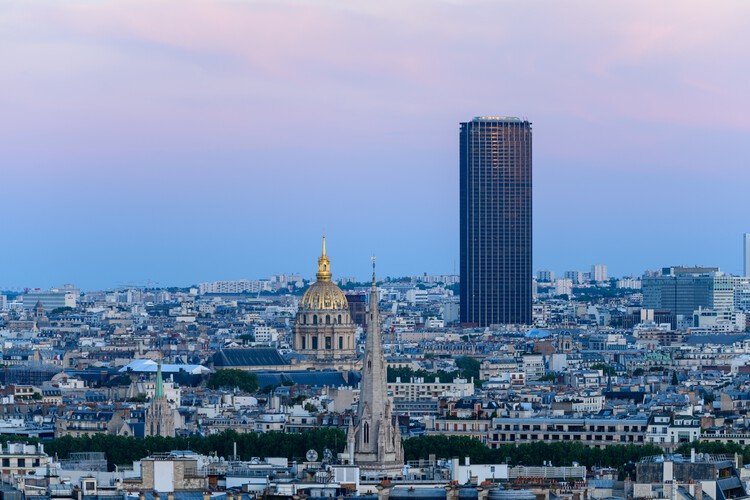
The closure forms part of a broader modernization project for the Montparnasse Tower, which will require the complete evacuation of the building prior to construction. The renovation proposal was developed by the architectural consortium Nouvelle AOM, a collaboration between Franklin Azzi Architecture, ChartierDalix, and Hardel Le Bihan Architectes, which won the international competition to redesign the tower in 2017. Their proposal introduces a new facade system and environmental upgrades intended to improve the tower's energy performance while redefining its visual presence within the Paris skyline.
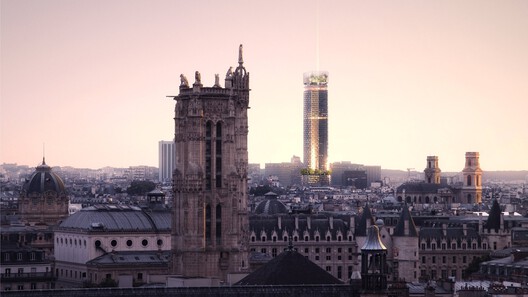
In parallel with the tower's transformation, the commercial complex at its base is also undergoing redevelopment. The project has been commissioned to Renzo Piano Building Workshop, which is leading the redesign of the existing 1970s shopping center and surrounding public areas. The proposal envisions a more permeable and pedestrian-oriented urban environment, introducing new planted public spaces, terraces, and cultural and recreational programs. By opening the site to the surrounding streets and neighborhoods, the intervention seeks to reconnect the Montparnasse complex with the broader urban fabric while responding to contemporary retail and public space models.
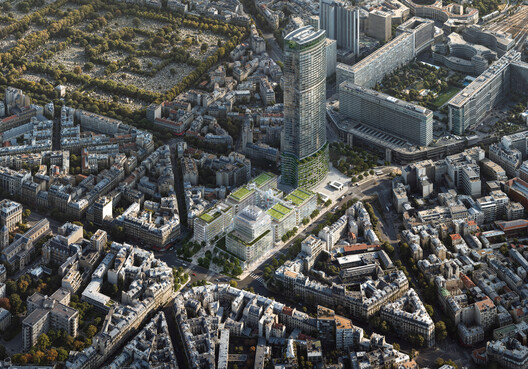
Designed by architects Eugène Beaudouin, Urbain Cassan, and Louis Hoym de Marien, the tower has played a significant role in shaping Paris's contemporary planning debates. Its construction prompted strong public criticism in the 1970s and contributed to the introduction of height restrictions across much of the city. The redevelopment of the Montparnasse complex, therefore, represents not only an architectural renovation but also a broader urban intervention, seeking to reposition one of Paris's most controversial landmarks within evolving discussions around sustainability, density, and public life in the historic capital.
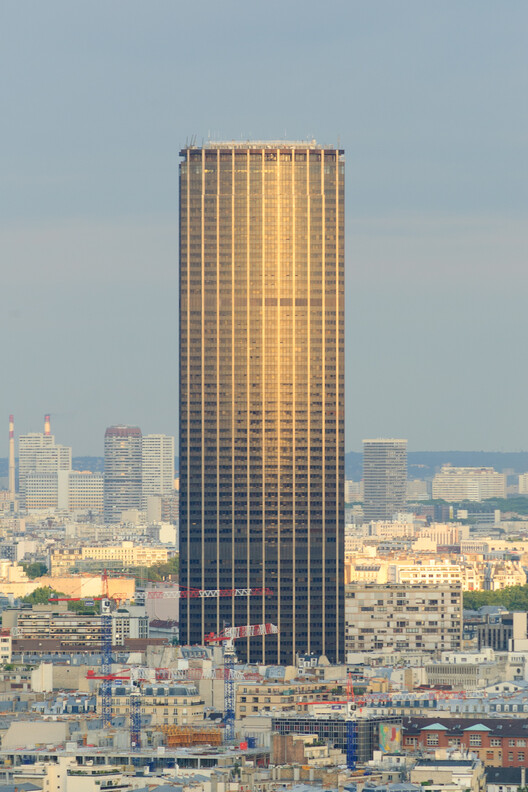
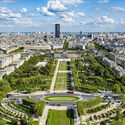
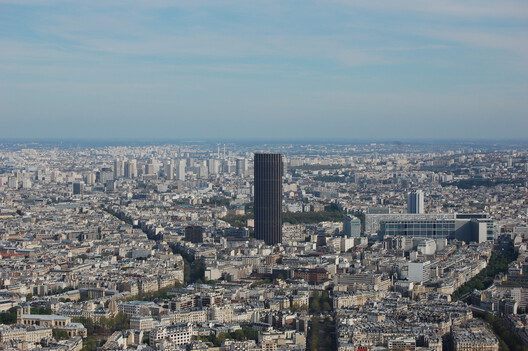
Until the end of March 2026, the observatory will remain accessible to visitors, offering one final opportunity to experience its panoramic views before renovation works begin. Located 210 meters above ground, the observation platform provides a 360-degree view of the French capital and its metropolitan landscape. From this vantage point, visitors can see many of the city's major landmarks, including the Eiffel Tower, as well as the dense urban fabric extending beyond the historic core. Since opening in 1974, the observatory has welcomed more than 30 million visitors, establishing itself as one of Paris's most prominent elevated viewpoints.
In related news, several cultural and architectural landmarks are undergoing transformation. The Centre Pompidou, designed in 1971 by Renzo Piano and Richard Rogers, has closed for a major five-year renovation, with a planned reopening in 2030. In the United States, the Egg Performing Arts Center in Albany recently reopened after a six-month restoration. Meanwhile, in Vannes, the architecture practice Lacaton & Vassal has announced plans to convert a former state administrative complex into a mixed-use residential and office development as part of a national initiative to mobilize public land for housing.