
In today's competitive design landscape, Building Information Modeling (BIM) is no longer just a trend—it has become a baseline expectation. Yet many practices still struggle to balance the complexity and effort involved with the actual value they receive in return. But what if it were possible to unlock the benefits of BIM without adding unnecessary workload? Exploring a lean approach to BIM—focused on efficiency, clarity, and real project outcomes—can help architectural teams streamline their design workflows, strengthen collaboration, and maintain creative control from concept through delivery.
What Is Lean BIM and Why It Matters
Lean BIM isn't about using fewer tools—it's about using BIM more strategically. Instead of practicing "BIM for BIM's sake," lean workflows prioritize clarity, minimize redundancy, and focus on actionable data. At its core, lean BIM integrates structured model data with design decisions, ensuring teams spend their energy where it matters most: creating coordinated, buildable projects.
At architectural firms like KUBUS360 in Stuttgart, lean BIM reflects a philosophy in which BIM supports the project's goals—not the other way around. In this approach, BIM is used to reduce effort while preserving model quality and collaboration across multidisciplinary teams.

Embedding BIM into the Workflow
One of the key lessons of lean BIM is the importance of proactive project planning. Before modeling a single wall or window, successful teams define what information matters and when. This process often starts with shaping the Employer's Information Requirements (EIR) and translating them into a tailored BIM Execution Plan (BEP), so every team member understands expectations from day one.
For architectural practices, this approach means:
- Aligning design intent and technical data early in the process—in other words, avoiding over-specifying elements that won't deliver value.
- Setting realistic expectations with clients and consultants, so BIM provides clarity rather than confusion.
- Prioritizing detailed information only where it's necessary, saving time and reducing complexity in routine tasks.
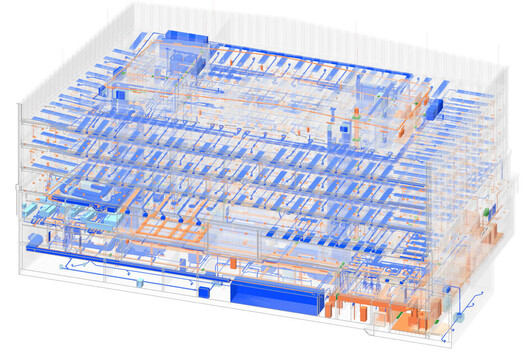
A single source of truth is central to lean BIM. Instead of spreading data across disconnected files or formats, teams centralize information in databases that support both documentation and analysis. This ensures that everything—from massing geometry to material attributes—remains consistent, traceable, and efficiently maintained.
Tools That Support Lean Workflows
Modern BIM platforms, such as Vectorworks Architect, are designed to support flexible design thinking without compromising precision or interoperability. Software that allow teams to model using both geometry and data-driven attributes helps them make informed decisions more quickly. For example, a component's class or database properties can control how it appears in documentation or functions in export formats. In practice, this may include:
- Class-based modeling that supports design freedom while preserving data integrity.
- Centralized data managers that connect model elements to schedules, tables, and export-ready datasets.
- Custom visualization tools for quality control and rapid feedback loops.
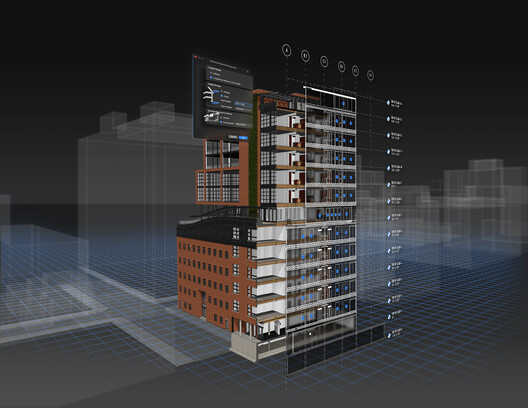
Rather than imposing rigid standards on every project, lean BIM enables teams to adapt their workflows around project size, complexity, and stakeholder needs.
Better Collaboration, Less Rework
Lean BIM also improves communication. When model issues are tracked using structured revision tools and integrated issue databases, teams can resolve clashes and design questions more efficiently—and avoid unnecessary meetings that revisit the same information.
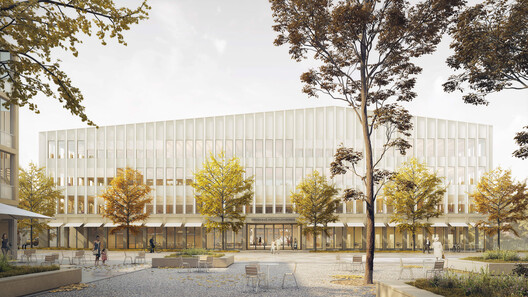
By establishing clear workflows among designers, consultants, and clients, lean BIM fosters a collaborative culture rather than a corrective one. Everyone works with the same data, and everyone benefits from consistent documentation and transparent coordination.
A Smarter Way Forward with BIM
Architectural practices that approach BIM as a tool—not the ultimate goal—achieve better outcomes with less effort. Lean BIM emphasizes actionable data, thoughtful planning, and clear communication, helping teams deliver coordinated design work that's easier to manage and more valuable to stakeholders.
To explore how lean BIM practices can be implemented in workflows, or to deepen understanding of BIM fundamentals, check out this Beginner's Guide to BIM.


