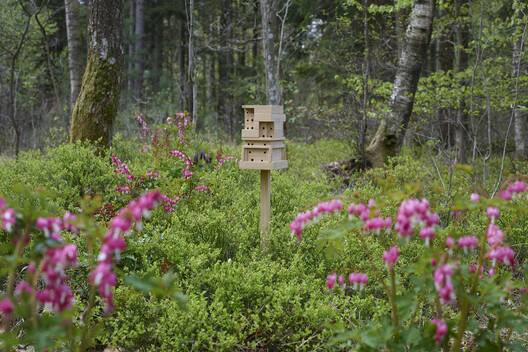
In the first days after birth, the bee remains inside the nest, cleaning cells and being fed by other workers. Over time, it begins organizing pollen stores, regulating the hive's temperature, and guarding the entrance. Only in the final weeks of its life does it leave the shelter to fly. It is in the moment of flight that its trajectory begins to intersect with architecture and the city. In search of nectar, it moves across a territory shaped not only by its spatial memory and the availability of flowers, but by the way we construct the built environment. Each movement becomes a negotiation with urban space: impermeable surfaces that disrupt natural cycles, air currents intensified between buildings, vegetation-free voids, scattered green fragments between lots, and technical rooftops.
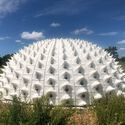
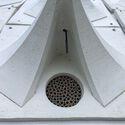
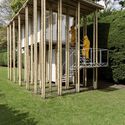
Despite its short life, a bee visits thousands of flowers and ensures the reproduction of countless plant species. In gathering food for the hive, it supports a significant portion of global agricultural production. It is estimated that nearly three-quarters of food crops depend, to some degree, on animal pollination. Fruits, vegetables, seeds, and oil-producing plants are directly linked to these invisible trajectories, which now traverse not only agricultural fields but also dense neighborhoods, corporate rooftops, and interior courtyards.


