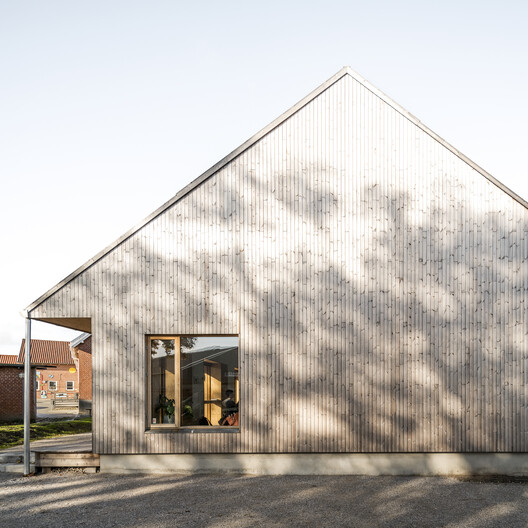
As the building industry continues to account for a significant share of global carbon emissions, digital platforms are increasingly being developed to support carbon reduction across different stages of the design and construction process. These initiatives range from material-focused knowledge databases to project life-cycle guidance and early-stage embodied carbon assessment tools. While differing in scope and methodology, they commonly aim to improve access to technical knowledge, clarify responsibilities across the value chain, and facilitate more informed decision-making in the built environment. Recently, Henning Larsen launched OpenDetail, joining related efforts by Grimshaw and MVRDV to address decarbonization through shared digital infrastructure.
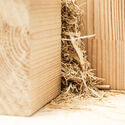
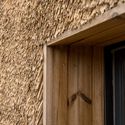
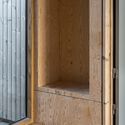
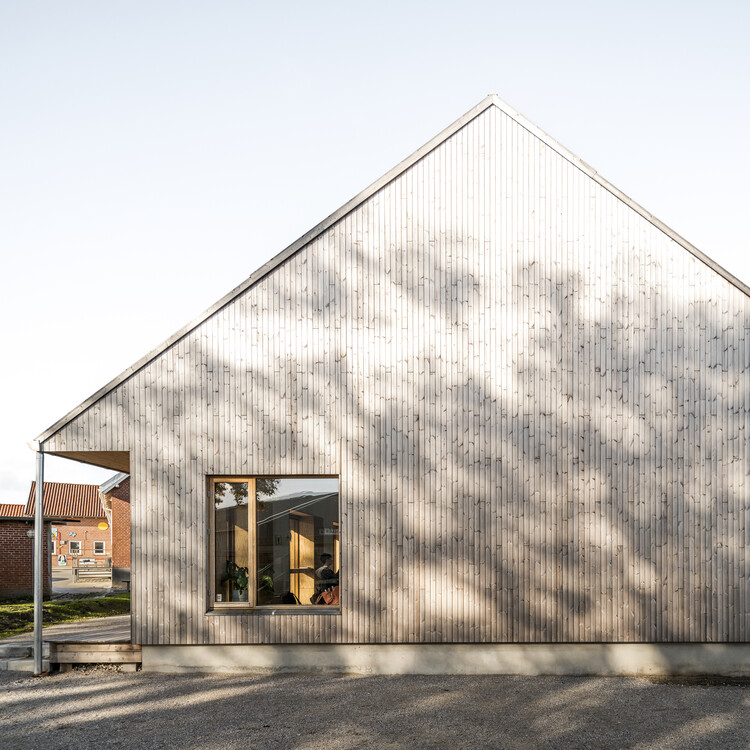
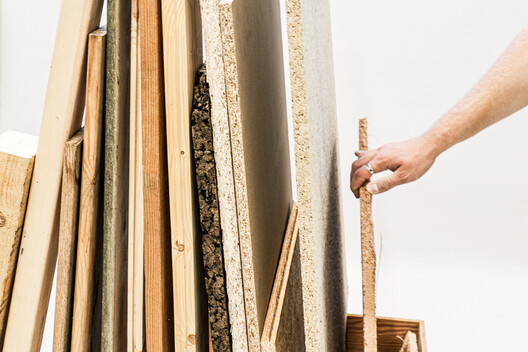
Developed between 2023 and 2024, OpenDetail was created by Henning Larsen in collaboration with EK – Business Academy Copenhagen and CHEVRANT, with contributions from Ramboll Foundation and Speckle. The platform operates as a crowd-sourced and peer-reviewed database of architectural detail drawings, addressing a growing interest in bio-based materials such as timber, hemp, clay, reed, and mycelium, which are increasingly explored as lower-carbon alternatives to conventional construction systems. While these materials have gained visibility in research and pilot projects, technical detailing guidance has remained fragmented. OpenDetail seeks to consolidate and make accessible buildable construction assemblies in an open format, allowing users to both contribute and download material details.
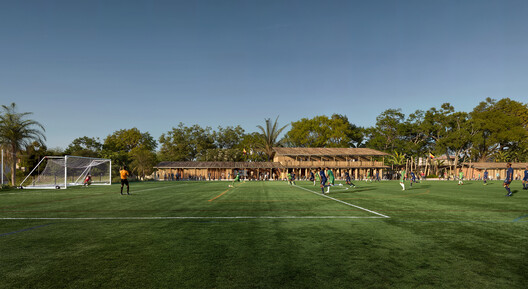
The platform was shaped through co-creation workshops that established shared design guidelines, alongside a review process intended to ensure usability and technical feasibility. Positioned within an educational framework, OpenDetail aims to connect academic research with professional practice, offering students, architects, engineers, and construction professionals access to applied knowledge in bio-based construction. As an open-source database, its relevance is expected to expand through ongoing contributions, reinforcing its role as a shared repository for material-focused carbon reduction strategies.
Related Article
How Open-Source Toolkits Are Democratizing Built Heritage
In parallel, Grimshaw has previously introduced Minoro in partnership with the World Business Council for Sustainable Development. Rather than concentrating on specific materials, Minoro addresses carbon management across the entire life cycle of buildings and infrastructure. The platform compiles international and regional guidance into a structured, stepwise framework that identifies key actions and responsibilities for asset owners, investors, consultants, contractors, and operators. A downloadable carbon management toolkit supports implementation in live projects, while regularly updated content aims to reflect evolving standards and regional policies. Supported by organizations including the World Green Building Council, Architecture 2030, RIBA, and RICS, Minoro positions itself as a centralized reference point for navigating carbon reduction strategies across complex project ecosystems.
Meanwhile, in the Netherlands, MVRDV has made CarbonSpace publicly available as a free, web-based tool designed to integrate embodied carbon considerations from the earliest stages of design. Developed by MVRDV NEXT in collaboration with Studio AvW, the platform links preliminary quantity inputs, such as floor areas, facade surfaces, and structural volumes, to a simplified carbon database derived from Germany's Ökobaudat. Unlike conventional assessment tools that rely on detailed models and late-stage calculations, CarbonSpace is structured to provide rapid feedback during conceptual development, enabling design teams to compare scenarios before key decisions are fixed. The tool also includes an open API that allows integration with software such as Rhino and Revit, and is being used in collaboration with the Council on Tall Buildings and Urban Habitat to support cross-border comparisons of tall building projects.
Similar digital initiatives led by architectural practices and research organizations continue to broaden the tools available for climate-responsive design. In recent years, open-access databases, carbon calculators, and material platforms have emerged to support more transparent and collaborative workflows. Beyond building-level assessment, proposals such as MVRDV's climate adaptation studies for Vancouver and research-driven tools like the Second Sea Calculator and Human Climate Horizons extend carbon discourse to territorial and socio-economic scales. At the same time, adaptive reuse remains central to decarbonization strategies, with platforms such as Architecture 2030's CARE (Carbon Avoided Retrofit Estimator) enabling designers and owners to quantify both operational and embodied carbon savings in retrofit projects.