

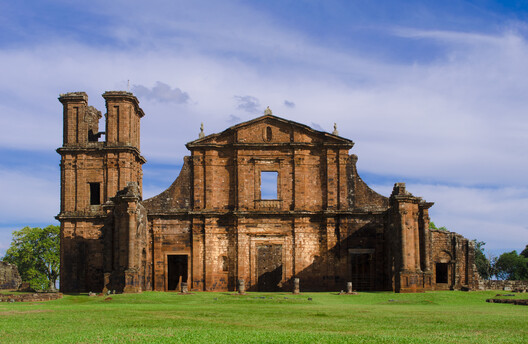
When we enter a museum, walk through a historic center, or review a country’s list of protected heritage sites, we rarely think about the process behind those choices. Who decided, on behalf of all of us, that certain objects, places, and architectures deserved to be preserved and disseminated, while others were discarded?
In most cases, the power of decision lies with specialized professionals—historians, museologists, architects, geographers. But on what basis are these decisions made? Can the complexity of history be reduced to a checklist? Or, more fundamentally, which version of history underlies these choices?



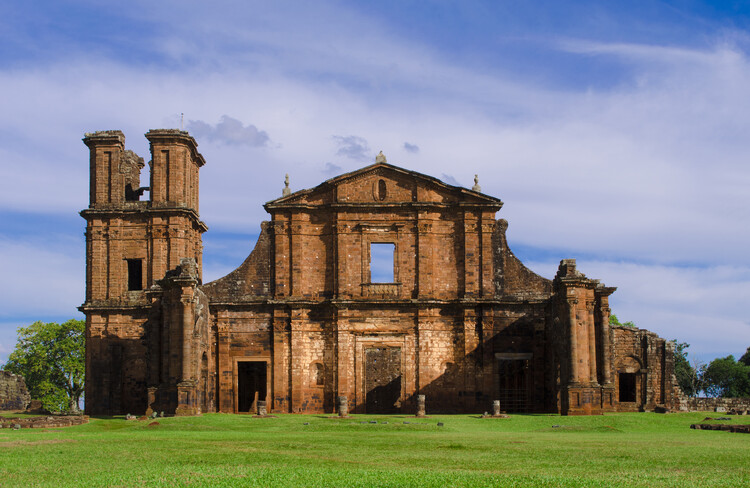
In a global context marked by socioeconomic inequality, structural historical injustices, and the imminent threat of ecological collapse, a new era of reconstruction is emerging—of cities, architectures, communities, and heritage itself. In this moment, bringing such questions to the forefront becomes essential.
Related Article
Rethinking History: Democratising Architectural Heritage
Heritage Beyond the Object: Memory, Identity, and Practice
To begin discussing heritage, it is necessary to recognize that there are multiple definitions of the term, many of which are tied to the idea that only specialists and professionals should be responsible for managing and preserving material and natural heritage. However, contemporary research and practice have shown that heritage is not limited to what is material or physical. Rather, it constitutes a relationship between identity, place, and memory, and is therefore directly connected to the community that lives with it or has lived through it.
Researcher Laurajane Smith argues that heritage is a process—a performance—that embodies specific ways of knowing and understanding the world. Through it, we identify values that give meaning to the present and help define what we consider important for the future. In this sense, she emphasizes that heritage is much more than a collection of material objects, whether artifacts or buildings. What matters is how they are appropriated, without separating the material from the immaterial.
This understanding of heritage relates directly to what Ailton Krenak, one of the most influential Indigenous voices today, has advocated. In a lecture, he expressed his skepticism toward the widely accepted concepts of heritage and preservation. He recalls that, in his youth, he was constantly encouraged to preserve the forest and the rivers—elements deeply connected to his daily life and to the formation of his identity and culture.
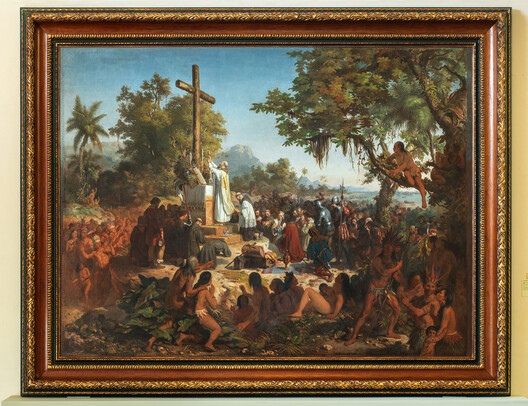
In contrast, the dominant idea of heritage and preservation—despite recent advances—still often fails to connect places and objects to lived practice. More than that, it can function as a mechanism of privilege, distinguishing those who can access and benefit from certain places from those who are excluded. For Indigenous peoples, for a long time, heritage was defined by colonial frameworks—a history that was not, in fact, their own.
The Authorized Heritage Discourse and Its Origins
From this perspective, it becomes clear that heritage practice is not neutral, but structured and guided by social norms, which Smith refers to as the Authorized Heritage Discourse (AHD). Rooted in Eurocentric and Western traditions, this discourse is closely linked to the rise of European nationalism, through which heritage was used to construct and reinforce national identities. Within this framework, heritage becomes monument—something aesthetically valued and preserved to secure a shared identity for the future, under the care of experts.
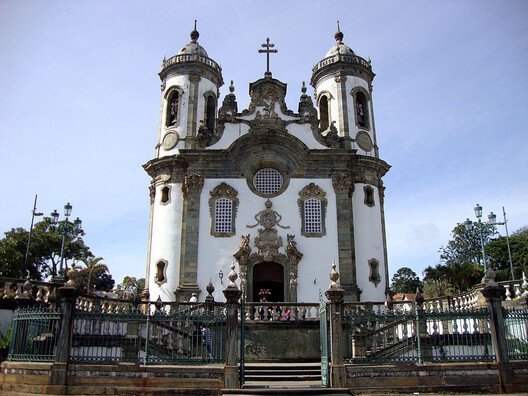
In practical terms, in Brazil, for example, the institutionalization of heritage preservation was closely tied to the rise of the dictatorship, with the creation of preservation agencies grounded in modernist intellectual currents and their project of constructing a national identity, largely aligned with elite perspectives.
This largely unquestioned application of preservation and listing methods in Brazil produced an official heritage register with limited diversity, dominated by buildings and architectural ensembles—especially religious constructions—concentrated in a few regions. Over time, this pattern led official heritage to reflect predominantly elite values, while references to popular culture and historically marginalized groups, such as quilombos and terreiros, remained largely underrepresented.
This outcome reveals that decisions about what is preserved as heritage are not neutral, but actively construct a selective representation of the country’s history and identity.
The Histories That Heritage Protection Does Not Preserve
In privileging consensual readings of national memory, certain narratives are diminished or erased altogether. This is not a practice unique to Brazil or Latin America, although it often appears more visible in these contexts.
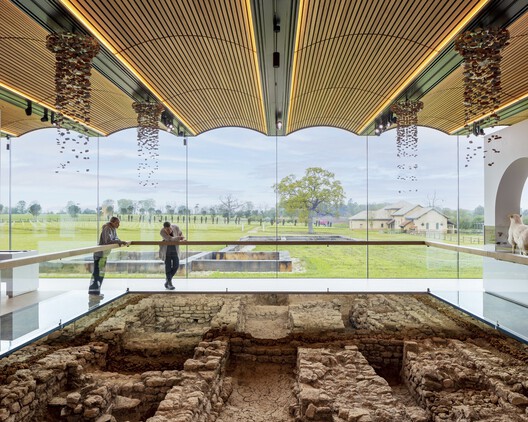
Smith cites the example of England, where recognized heritage is dominated by castles, aristocratic estates, Roman archaeological sites, and industrial heritage associated with powerful landowners. And what is left out? The histories of the working classes, immigration, colonial expansion, slavery, and many others.
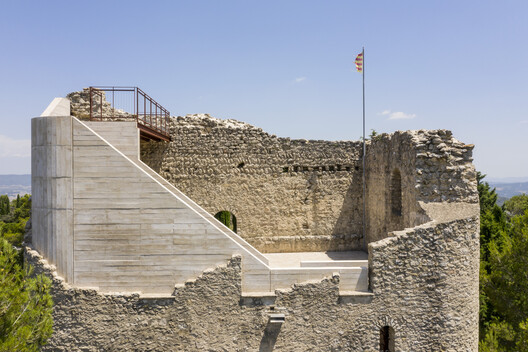
The same exercise can be applied elsewhere, including Brazil and Latin America more broadly. In these contexts, colonial and imperial architectural ensembles, historic centers associated with elites, religious complexes—especially those tied to Catholic traditions—monuments marking European arrival, and large-scale pre-Columbian archaeological sites with strong monumental and touristic appeal are often prioritized.
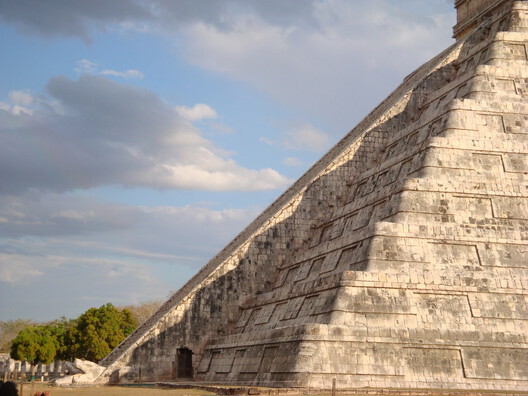
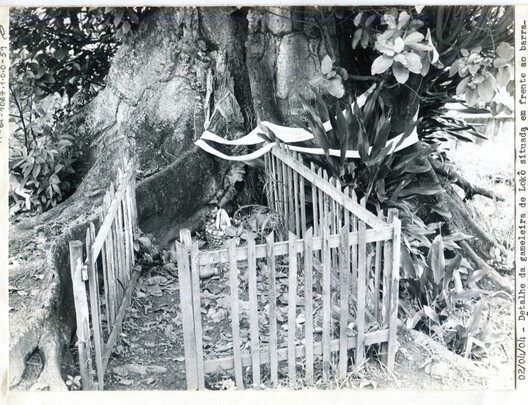
Meanwhile, memories and places associated with colonial violence—such as massacre sites and territories of forced displacement—frequently remain marginalized. Living Indigenous heritage, including territories, practices, and systems of knowledge that extend beyond archaeological remains, is also often overlooked. Likewise, spaces connected to Black and Afro-descendant communities, particularly those tied to the histories of slavery and post-abolition life, remain underrecognized, as do places associated with working-class communities, urban peripheries, and non-dominant immigrant groups. Narratives of women, children, and LGBTQIA+ communities are similarly underrepresented.
This absence goes beyond a lack of material preservation mechanisms. It affects collective self-perception and the sense of belonging. National heritage is a powerful source of meaning, and those who do not see themselves reflected in it may feel excluded from the places they inhabit, as Krenak has noted.
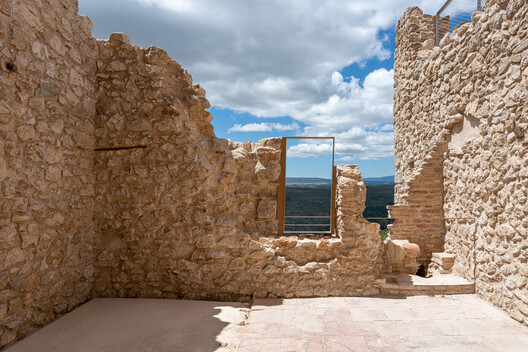
Experiences of Repair and the Reclaiming of Memory
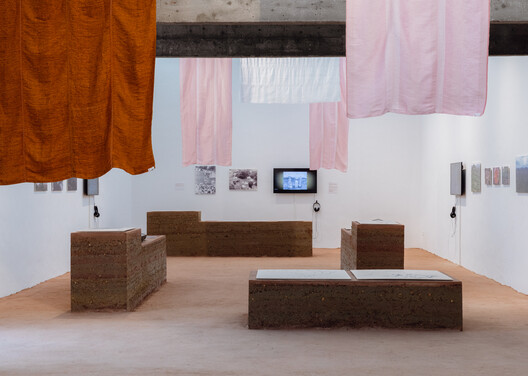
The Memórias da Terra project, led by Paulo Tavares and instrumental in shaping the award-winning Brazil Pavilion at the 2023 Venice Architecture Biennale, exemplifies a shift in perspective. By mapping former Xavante village sites that were forcibly abandoned in the twentieth century, the project proposes recognizing them as territorial and landscape heritage, understanding the landscape as “living archaeology” and heritage as a tool for memory, restitution, and historical repair.
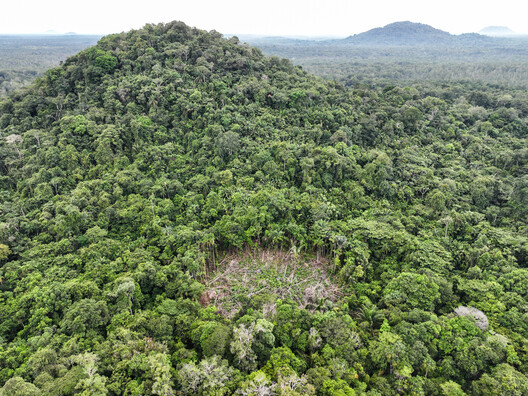
In a similar context of claim, the case of the Munduruku people stands out. They organized occupations at the construction site of the Teles Pires hydroelectric dam in Brazil to demand the return of funerary urns and sacred artifacts removed from their territory during the dam’s construction and later held by state institutions. These actions exposed the expropriation of Indigenous cultural heritage in the name of development and asserted the right of communities to control their own spiritual and archaeological heritage.
In Colombia, public acts of protest and the removal of colonial and conquistador statues—although more sporadic—also demonstrate forms of social mobilization around memory and identity, calling for heritage references that genuinely reflect the broader population.
Pathways to Decolonizing Heritage
To move beyond the logic of singular authority and toward a more critical and inclusive approach to heritage, it is essential to value diverse perspectives, encourage dialogue, and expand social participation. In the field of heritage policy, decolonization involves revisiting preservation criteria inherited from European traditions and their exclusionary narratives—what Chimamanda Ngozi Adichie has described as the danger of the “single story.”
So-called architectures of repair, as discussed by Tavares, challenge established canons and bring forward narratives that have been historically erased or silenced. In architecture, the idea of repair involves revisiting, reorganizing, and reconstructing archives and narratives, opening space for alternative readings of the past and new relationships with territory. This process also requires questioning the symbolic frameworks and knowledge systems that structure archives, museums, and collections, in dialogue with ongoing debates and initiatives around restitution.
As Smith suggests, what we produce today may itself become a new dominant discourse. Ideally, however, it will be one that is more inclusive, more democratic, and permanently open to critique.
This article is part of the ArchDaily Topic: Rethinking Heritage: How Today's Architecture Shapes Tomorrow's Memory. Every month we explore a topic in-depth through articles, interviews, news, and architecture projects. We invite you to learn more about our ArchDaily Topics. And, as always, at ArchDaily we welcome the contributions of our readers; if you want to submit an article or project, contact us.


