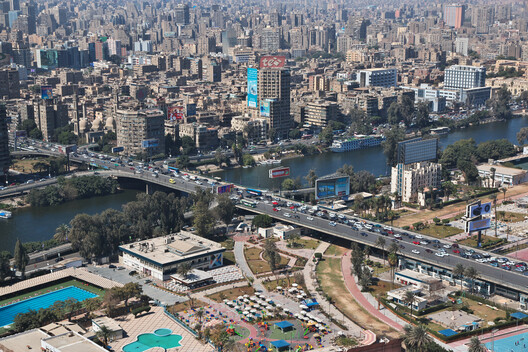
Across history, the relocation of capital cities has often been associated with moments of political rupture, regime change, or symbolic nation-building. From Brasília to Islamabad, new capitals were frequently conceived as instruments of centralized power, territorial control, or ideological projection. In recent decades, however, a different set of drivers has begun to shape these decisions. Rather than security or representation alone, contemporary capital relocations are increasingly tied to structural pressures such as demographic concentration, infrastructural saturation, environmental risk, and long-term resource management. As metropolitan regions expand beyond their capacity to sustain population growth and administrative functions, governments are turning to spatial reconfiguration as a means of addressing systemic urban imbalance.
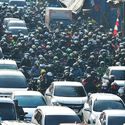
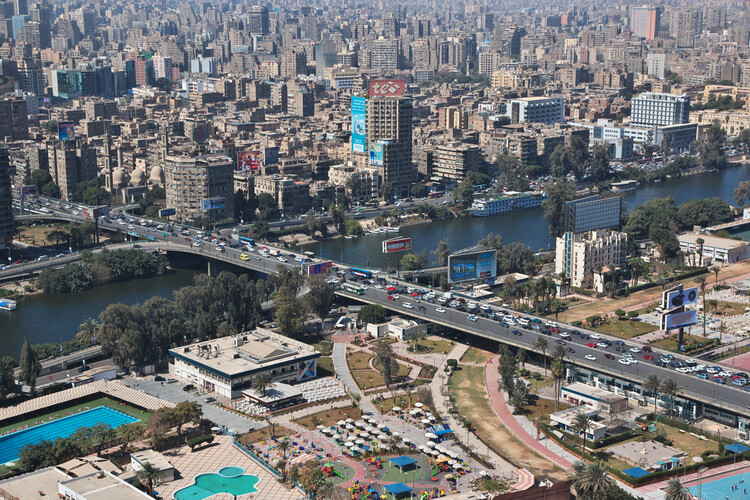
This shift reflects broader transformations in how cities are understood as operational systems rather than static political symbols. Rapid urbanization has concentrated economic activity, governance, and infrastructure within a limited number of metropolitan cores, often at the expense of peripheral regions. In many cases, capital cities have become focal points of migration, absorbing disproportionate shares of national populations while straining transport networks, housing supply, public services, and ecological systems. At the same time, climate-related pressures, ranging from flooding and land subsidence to prolonged drought and water scarcity, have intensified existing vulnerabilities, raising questions about the long-term viability of certain urban centers as seats of government.
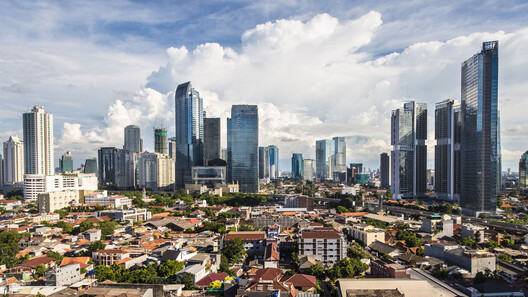
Recent developments in countries such as Equatorial Guinea, Indonesia, Egypt, and South Korea illustrate how these dynamics are playing out across different geographic and political contexts. While each case is shaped by specific national conditions, they share a common emphasis on redistributing state functions, reducing environmental exposure, and recalibrating relationships between political authority and territory. Renewed discussions in countries facing acute resource stress, including Iran, suggest that the question of where a capital is located may become inseparable from debates about water security, climate adaptation, and sustainable urban growth.
Planned Capitals as Instruments of Territorial Reconfiguration
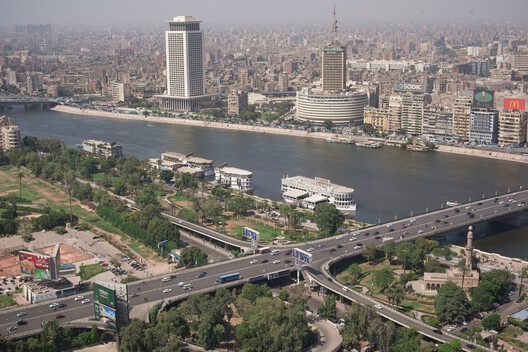
In contrast to crisis-driven relocation, some countries pursue new capitals as long-term instruments of territorial restructuring. These initiatives are framed as proactive planning tools intended to redistribute political authority, infrastructure investment, and urban growth across national territory. Rather than responding to immediate environmental threats, such projects emphasize state-led visions of spatial order, often articulated through monumental civic architecture and master-planned urban frameworks. Egypt and Equatorial Guinea exemplify this approach, positioning capital relocation as a strategic recalibration of national urban hierarchies.
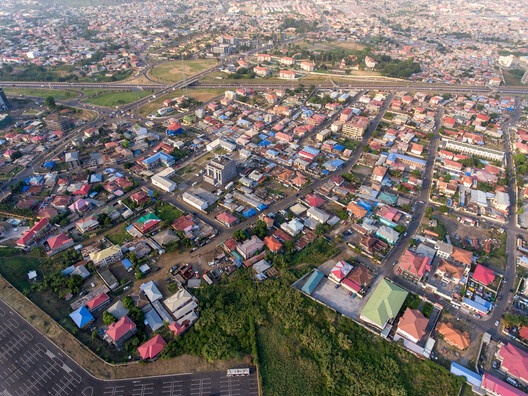
Egypt's New Administrative Capital, launched in 2015 and located east of Cairo, represents one of the largest contemporary capital city projects. Designed to alleviate demographic and infrastructural pressure on the Cairo metropolitan region, the development concentrates ministries, embassies, and presidential institutions within a newly constructed district. Cairo retains its economic and cultural centrality, while the new capital functions as an administrative extension. Equatorial Guinea's relocation from Malabo to Ciudad de la Paz follows a similar logic at a smaller scale. Officially designated as the capital in January 2026, the mainland city was developed to counterbalance the political isolation of Bioko Island and redirect governance toward the country's interior.
Administrative Decentralization Without Full Capital Transfer
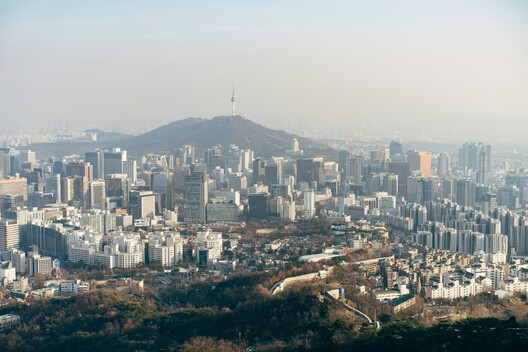
Not all responses to urban pressure involve abandoning or replacing a capital city. In some cases, governments pursue administrative redistribution strategies that preserve the symbolic status of the historic capital while relocating institutional functions elsewhere. South Korea offers a clear example of this incremental approach, in which capital functions are fragmented across multiple urban centers to address population concentration, regional imbalance, and governance efficiency.
The establishment of Sejong City in 2007 marked the beginning of South Korea's long-term decentralization strategy. Over time, most government ministries and agencies have relocated from Seoul to the newly planned administrative city, with the transition expected to be completed by 2030. Seoul continues to host the Presidential Palace and National Assembly, maintaining its political and symbolic role. This dual-city configuration responds not only to demographic pressure but also to security considerations related to Seoul's proximity to the North Korean border, demonstrating how governance can be spatially redistributed without full capital displacement.
Environmental Limits as Immediate Catalysts
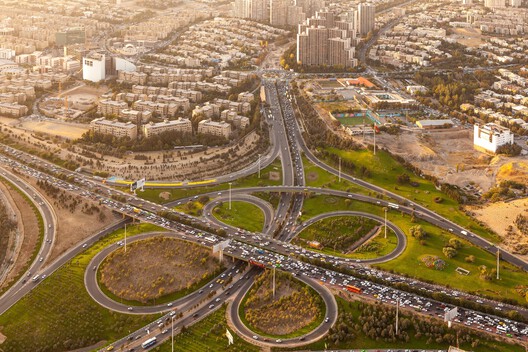
While some capital relocations emerge from planning or disaster, others are shaped by environmental conditions that challenge the long-term viability of existing urban centers. Jakarta and Tehran exemplify cities where ecological stress, flooding, land subsidence, prolonged drought, and water scarcity have reframed governance as an environmental question. In these contexts, capital relocation debates are driven by urgency rather than long-term vision, positioning environmental limits as decisive catalysts for institutional reconsideration.
Indonesia formally announced the relocation of its capital from Jakarta to Nusantara in 2019, responding to chronic flooding, rapid land subsidence, and rising sea levels in the metropolitan region. Designed as a compact, forest-integrated city on the island of Borneo, Nusantara separates political administration from economic concentration. As of early 2026, the project is increasingly characterized as a political capital rather than a primary urban center. In Iran, discussions around relocating the capital from Tehran have intensified amid prolonged drought, groundwater depletion, and land subsidence. Although no alternative capital has been designated, Tehran's environmental constraints illustrate how resource scarcity can destabilize capital cities even in the absence of formal relocation plans.
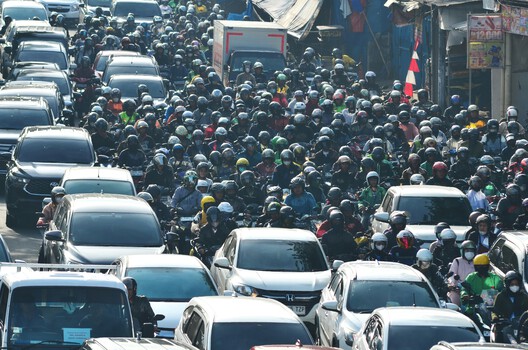
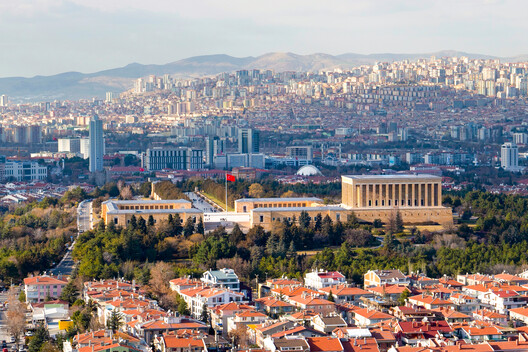
Underlying many of these relocation efforts is a less visible but increasingly decisive constraint: water availability. Recent global analyses show that nearly half of the world's 100 largest cities are now located in regions of high or extremely high water stress, where withdrawals for public supply and industry approach or exceed available resources. Long-term satellite data indicate sustained drying trends across major urban regions in Asia and the Middle East, including cities such as Kabul and Ankara, both of which face mounting pressure on groundwater reserves and surface water systems. As prolonged drought, declining rainfall, and resource mismanagement converge, water scarcity is emerging as a threshold condition that challenges the long-term viability of large administrative centers. In this context, the relocation, or partial redistribution, of capital functions increasingly intersects with questions of environmental limits, reframing what were once political or symbolic decisions as responses to structural resource constraints shaping the future of urban governance.
In other city updates, cities including Sydney, Boston, New York, Paris, Miami, and several urban centers across Latin America are advancing targeted planning strategies shaped by their specific environmental, economic, and governance contexts. In Europe's major tourist destinations, housing affordability has become a central concern, prompting renewed scrutiny of short-term rental regulations and their impact on residential neighborhoods. At the same time, cities across Europe and North America are increasingly adopting pedestrianisation as a context-driven response to shifting mobility patterns, climate pressures, and changing street economies.