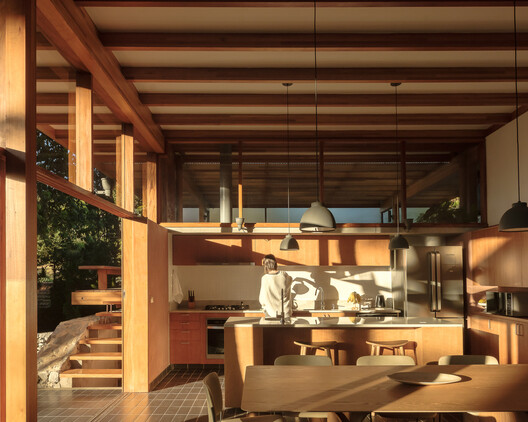
For decades, heritage has been easiest to recognize from the street. We protect facades, skylines, and monuments because they are visible, stable, and legible as cultural assets. Yet most of what we remember about living is how we eat together, withdraw, argue, care, and rest, which happen far from view. It happens inside rooms. As open plans quietly give way to thresholds, corridors, and enclosures, a deeper question emerges: what if cultural memory survives not in what architecture shows, but in how it is lived?



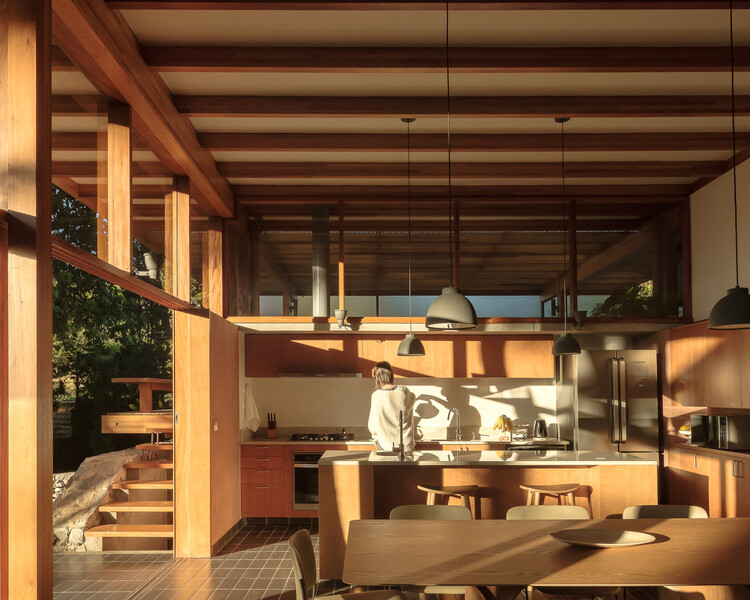
Heritage discourse has long privileged material endurance. Buildings that last become symbols; those that change are often seen as disposable. But contemporary heritage theory complicates this view. Frameworks developed around intangible heritage argue that culture persists less through objects than through practices, through what people repeatedly do, transmit, and recognize as meaningful. Rituals, social customs, and ways of inhabiting space matter as much as, if not more than, physical artifacts. From this perspective, domestic interiors begin to look less like secondary design territory and more like active cultural infrastructure.
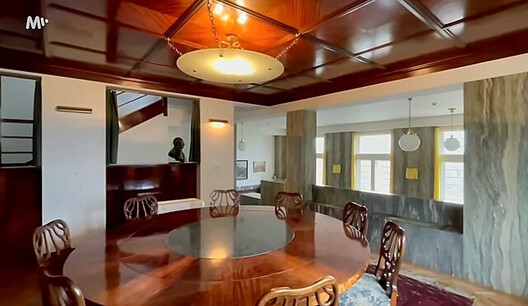
Interior space is where these practices are staged. Rooms are not neutral containers; they are spatial agreements about how life should unfold. Dining rooms organize collective meals, bedrooms regulate privacy and intimacy, and corridors choreograph hierarchy and transition. These spatial distinctions encode values about family, labor, gender, and care, often more clearly than any architectural style. When we remove or compress them, we are not simplifying form alone; we are editing cultural behavior.
Related Article
Exploring Versatility: Residential Renovations at Oscar Niemeyer's Copan Building in São PauloModern architecture's embrace of the open plan was one such edit. Born from early twentieth-century ideals of efficiency, transparency, and flexibility, the open plan rejected compartmentalized domestic layouts associated with bourgeois excess and social hierarchy. Walls came down in the name of progress. Visibility replaced separation; multifunctional space replaced ritualized rooms. This shift was never neutral. It reflected a specific historical moment, shaped by industrial logic and modernist ideology, that treated domestic life as something to be streamlined.
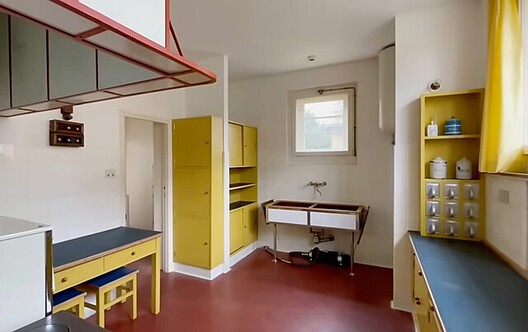
For a time, the open plan became a near-universal aspiration. Its language spread across geographies, housing markets, and income levels, often detached from local customs or household structures. Over decades, this produced a quiet homogenization of domestic space. Distinctions between eating, working, resting, and retreating blurred. What was gained in visual openness was often lost in spatial nuance: the ability of architecture to support different emotional states and social rhythms.
Interiors are particularly vulnerable to these shifts because they sit outside most heritage protections. Facades may be preserved, but internal layouts are routinely reconfigured to meet market expectations of flexibility and resale value. In this sense, interior typologies are among the most fragile forms of heritage. They are constantly "updated," stripped of their original logic, and replaced with spatial defaults that reflect economic norms more than cultural ones. What disappears is not only walls, but also accumulated knowledge about how space once structured daily life.
Yet architectural history already offers precedents for treating interiors as heritage in their own right. In Villa Müller, Adolf Loos's Raumplan is celebrated not for exterior expression, but for its interior orchestration. Differentiated rooms, split levels, and carefully controlled sightlines encode social hierarchy and movement patterns with precision. Today, this interior logic is recognized as culturally significant, despite being largely invisible from the outside. Heritage, in this case, resides in spatial relationships rather than formal appearance.
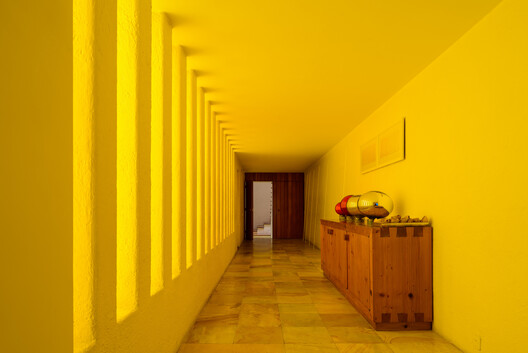
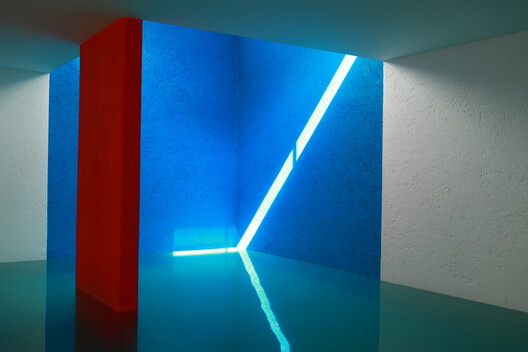
A similar argument can be made through experience rather than organization. In Luis Barragán's Casa Gilardi, cultural memory is carried through sequence, color, and enclosure. Movement through the house is punctuated by thresholds, moments of compression, and sudden release. Emotional resonance emerges not from the exterior envelope, but from how rooms unfold and how light, color, and silence are choreographed. The house's lasting impact lies in its interior atmosphere, an architecture remembered through feeling rather than image.
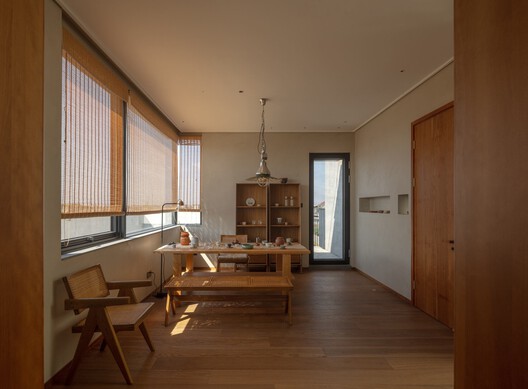
These examples suggest that interiors have always held heritage value, even if institutions have been slow to name it. What is new today is not the existence of interior heritage, but the renewed willingness to engage with it. Contemporary renovations increasingly challenge the assumption that openness is the default condition of modern living. Instead of erasing rooms, architects are selectively reinstating them, treating the domestic interior as a site of cultural decision-making.
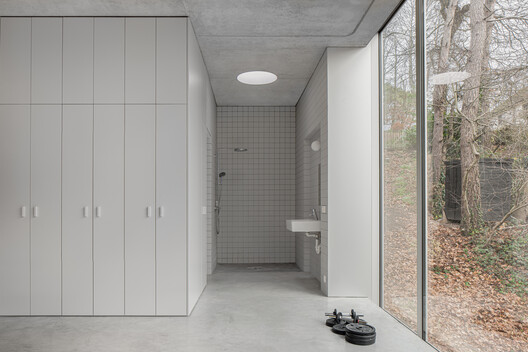
Increasingly, contemporary residential renovations demonstrate this shift with clarity. Rather than pursuing maximum openness, many projects reintroduce rooms and thresholds, allowing different activities to regain spatial definition. The result is not a nostalgic return to the past, but a deliberate editing of domestic behavior. These interventions ask which spatial practices—privacy, pause, and separation—are worth carrying forward and which can be left behind. In this sense, renovation becomes a cultural act rather than a purely stylistic one.
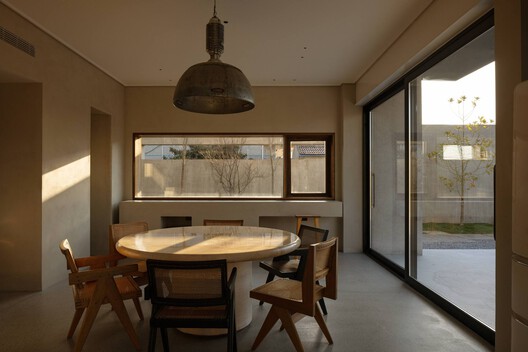
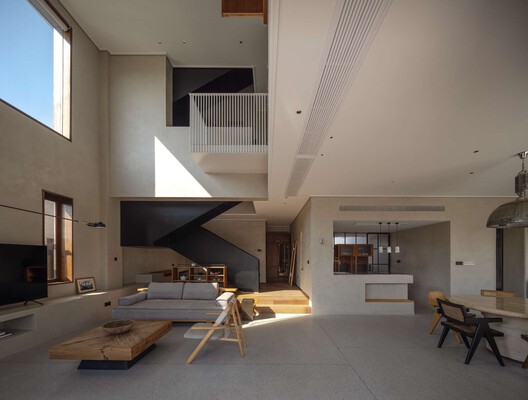
It would be easy to frame this return to rooms as a reaction to recent global disruptions, and certainly, changing patterns of work and care have intensified awareness of domestic space. But reducing the phenomenon to a momentary correction misses its deeper significance. What we are witnessing is a re-engagement with spatial knowledge that predates modernist simplification. Rooms are returning not as symbols of tradition, but as tools for negotiating contemporary life with greater sensitivity. From a heritage perspective, this matters because it expands where and how we locate cultural value. Heritage is not only what survives materially, but what survives behaviorally. It is produced daily, through repeated acts of inhabitation. Interior typologies, because they are constantly used, altered, and negotiated, become living archives of social life. When architects choose to preserve, reinterpret, or reintroduce them, they participate in the ongoing construction of cultural memory.
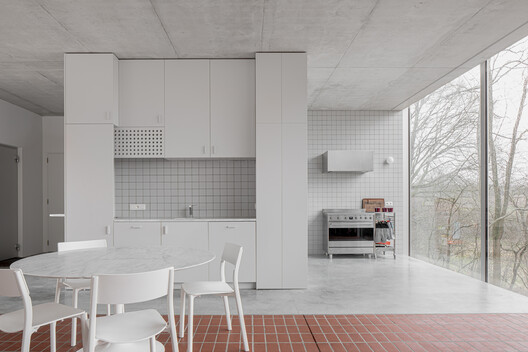
This shift aligns with broader calls for human-centered and socially responsive architecture. By looking inward, toward rooms rather than facades, architects are questioning universal narratives of progress and acknowledging that ways of living are culturally specific. Interiors become a medium through which heritage is not frozen, but actively renegotiated; they are less about preservation in the traditional sense, and more about continuity with intention. The return of rooms, then, is not a design trend to be celebrated or dismissed. It is a signal. It suggests that contemporary practice is beginning to recognize interiors as carriers of meaning, capable of holding memory, ritual, and care across time. If heritage is about what societies choose to remember, then the spaces where everyday life unfolds deserve far more attention than they have received.
This article is part of the ArchDaily Topic: Rethinking Heritage: How Today's Architecture Shapes Tomorrow's Memory. Every month we explore a topic in-depth through articles, interviews, news, and architecture projects. We invite you to learn more about our ArchDaily Topics. And, as always, at ArchDaily we welcome the contributions of our readers; if you want to submit an article or project, contact us.