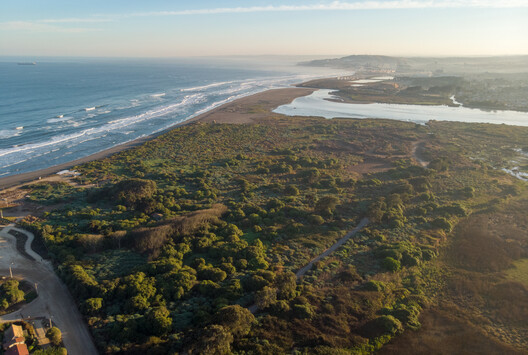
Observed annually on February 2, World Wetlands Day marks the adoption of the Ramsar Convention in 1971 and provides an international framework for recognizing the role of wetlands in environmental protection and sustainable development. The 2026 edition is held under the theme "Wetlands and traditional knowledge: Celebrating cultural heritage," drawing attention to the long-standing relationships between wetland ecosystems and the cultural practices, knowledge systems, and governance structures developed by communities over centuries. The theme highlights how inherited ecological knowledge, often embedded in rituals, seasonal calendars, land-use practices, and spatial organization, has shaped resilient interactions between human settlements and water-based landscapes.

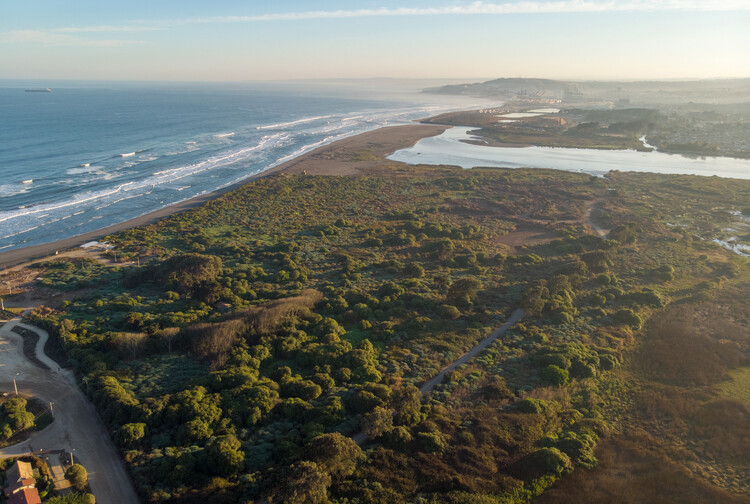
Wetlands are defined as ecosystems in which water is the primary factor controlling environmental conditions and associated plant and animal life. This broad category includes freshwater, marine, and coastal environments such as rivers, lakes, aquifers, marshes, peatlands, deltas, mangroves, tidal flats, coral reefs, and human-made systems, including rice paddies, reservoirs, and fishponds. Although wetlands cover only around six percent of the Earth's land surface, they support approximately 40 percent of all plant and animal species and deliver essential ecosystem services, including flood regulation, water purification, carbon storage, and climate moderation. More than one billion people worldwide depend directly on wetlands for livelihoods, food production, and economic activity, underscoring their relevance to both ecological systems and human settlement patterns.
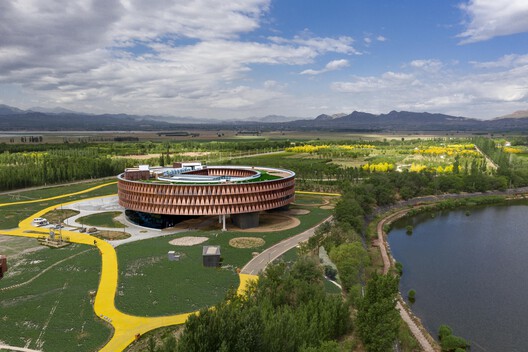
Despite their significance, wetlands are among the most threatened ecosystems globally. Since 1970, an estimated 35 percent of the world's wetlands have been lost, declining at a rate up to three times faster than forests. This loss is primarily driven by land conversion for agriculture and construction, infrastructure development, pollution, resource overexploitation, invasive species, and the escalating impacts of climate change. The degradation of wetland systems not only accelerates biodiversity loss but also undermines climate resilience and cultural landscapes shaped through generations of coexistence with water. World Wetlands Day 2026 emphasizes the need to reconsider prevailing development models by integrating traditional knowledge with scientific research and planning strategies in efforts toward conservation, restoration, and long-term environmental stewardship. The following selection of ArchDaily articles explores how architecture, landscape architecture, and territorial strategies engage with wetland environments, addressing ecological resilience, cultural heritage, and climate adaptation.
Related Article
On Human Rights Day: Perspectives on Architecture, Equity, Housing Access, and Safety WorldwideDesigning in Harmony with Nature: Architecture in Urban Wetlands and the Pursuit of Territorial Well-Being

What Are Artificial Wetlands and How Do They Work?
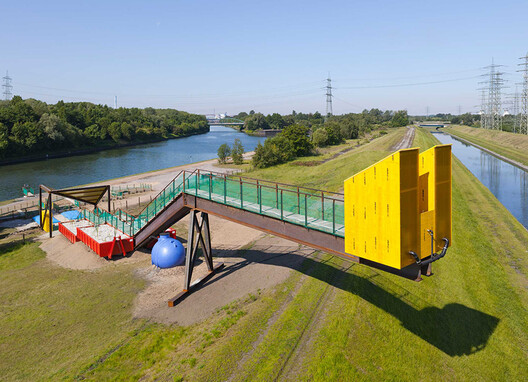
Bugs, Bees, and Trees: How to Integrate Biodiversity in the Built Environment
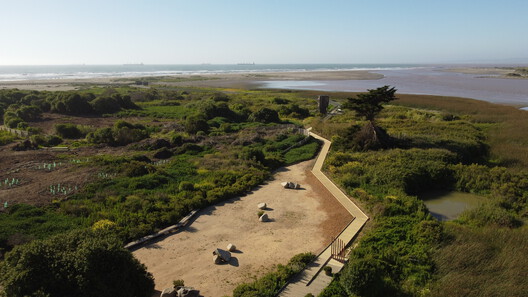
What is Peatland: A Powerful Carbon Store and Ecosystem
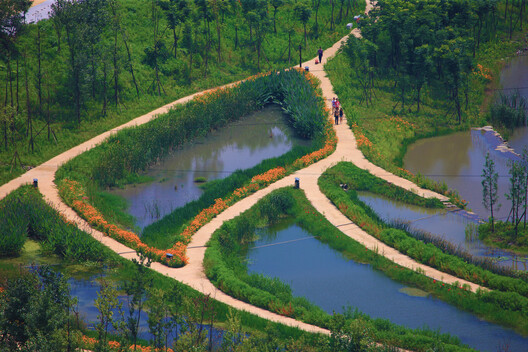
Softer Ground: Reclaiming Wetlands through Design
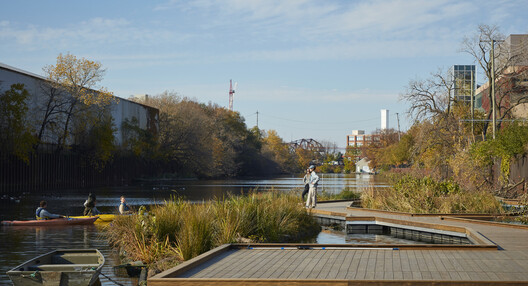
Local Knowledge and Ecological Context: City Making Lessons from Chicago's Wild Mile
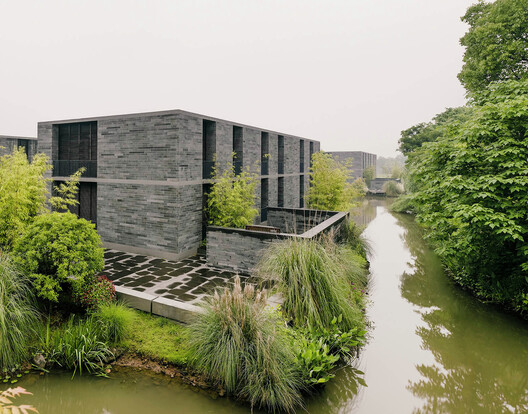
Absorb, Filter, Store: 9 Projects Showcasing How Sponge Cities Adapt to Climate Challenges
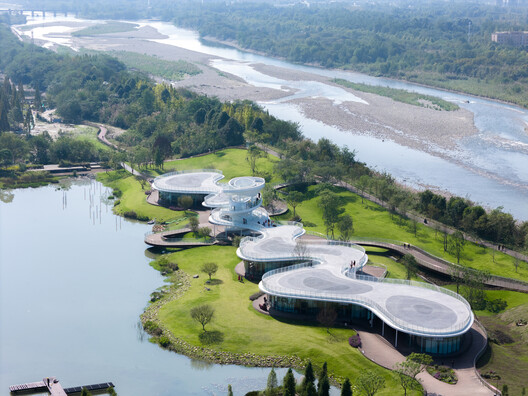
Urban Landscape as an "Art of Survival": An interview with Kongjian Yu, the Advocate of the Sponge Cities Concept
Explore ArchDaily's input into recent United Nations International Days: International Day of Education, International Migrants Day, Human Rights Day, and International Youth Day.