©OBEL Foundation
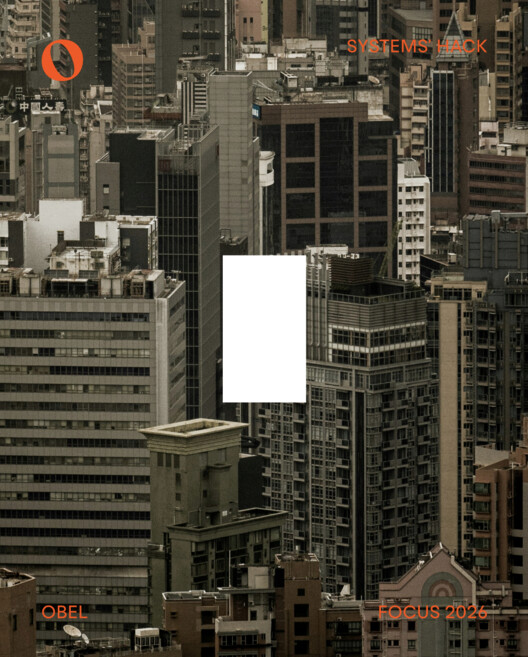
The OBEL Foundation has announced "Systems' Hack" as the focus of its 2026 cycle, setting the conceptual framework that will guide the foundation's activities and the selection of the next OBEL Award. Founded in 2019, OBEL recognises architecture's potential to act as a tangible agent of positive social and ecological change, supporting approaches that expand how the built environment is defined and shaped. The 2026 theme calls on architecture to critically engage with the systems that underpin contemporary society, including infrastructure, energy, food, water, education, and information, and to examine how these interconnected networks might be reconfigured in response to accelerating global challenges.


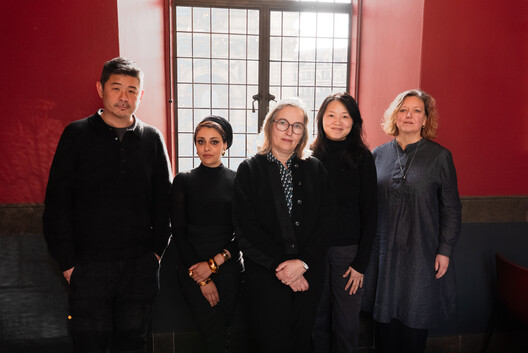
Defined annually by the OBEL Jury, chaired by Nathalie de Vries of MVRDV and comprising architects, designers, and cultural practitioners, including Sumayya Vally, Aric Chen, Anne Marie Galmstrup, and Manuel and Francisco Aires Mateus, the foundation's focus reflects the most urgent conditions shaping the built environment. For Systems' Hack, "systems" are understood as interrelated mechanisms governed by shared rules, while "hacking" is framed as a strategic intervention that seeks to alter how these mechanisms operate. The theme asks whether architecture can move beyond conventional problem-solving to intervene directly in the structures that organise production, governance, and resource flows, positioning architectural practice as an active participant within ecological and social systems.
The focus emerges amid growing economic, political, and climatic instability, as architecture increasingly operates within systems that are under strain or no longer fit for purpose. While the discipline continues to generate innovation, the Jury identifies systemic limitations, including linear design processes, fragmented resource chains, and disconnected construction practices, as key obstacles to addressing interconnected global crises. In this context, Systems' Hack highlights the need for architectural approaches that rethink both existing and emerging infrastructures, seeking more reciprocal relationships between societal needs and natural systems.
Related Article
“For Decades We Have Valued the New More than the Old”: In Dialogue with OBEL Award 2025 Winners HouseEurope!Nathalie de Vries points to the long-term consequences of today's design decisions at a moment of systemic uncertainty. She notes that nearly half of the buildings expected to exist by 2050 have yet to be constructed, effectively locking in social, environmental, and political conditions for decades. As infrastructures, housing models, and governance frameworks begin to fracture, the central question, she argues, is whether architecture will intervene proactively in these systems or remain reactive, reinforcing the conditions that contribute to their breakdown.
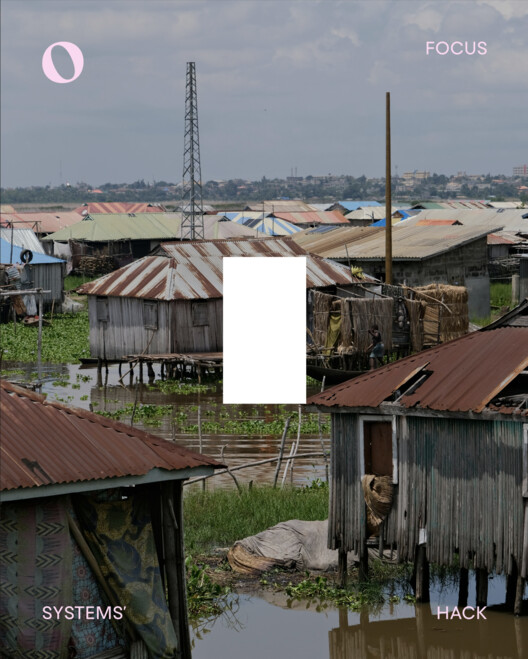
OBEL Director Jesper Eis Eriksen situates the theme within a broader global polycrisis, highlighting the construction sector's disproportionate contribution to global emissions and waste, alongside architecture's potential involvement in social and economic displacement. Within this context, Systems' Hack positions architecture as a discipline that must move beyond its traditional role and engage directly with systemic failures shaped by climate instability, economic volatility, geopolitical tensions, and social fragmentation.
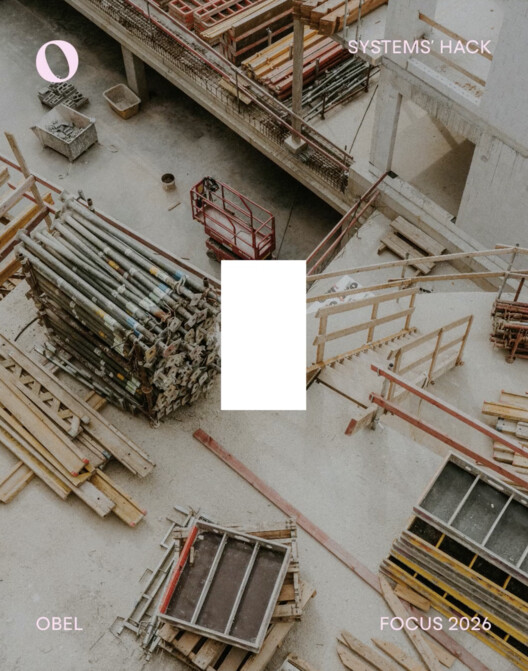
The 2026 focus builds on OBEL's previous thematic cycles, which have addressed issues such as material reuse, emissions, adaptation, urban life, and well-being. By encouraging architectural practices that expose, infiltrate, and reconfigure entrenched systems, OBEL aims to promote approaches that prioritise long-term resilience, regenerative relationships, and closer collaboration with natural processes. The 2026 OBEL Award winner will be selected in alignment with this focus by the OBEL Jury and announced in May 2026. Recent awardees have included HouseEurope! under the 2025 theme Ready-Made, Colectivo C733's 36 x 36 in 2024, Kate Orff and SCAPE's Living Breakwaters in 2023, and Seratech's work on low-emission materials in 2022. Earlier cycles recognised projects such as Carlos Moreno's 15-Minute City, Studio Anna Heringer's Anandaloy, and Junya Ishigami + Associates' Water Garden, reflecting the foundation's ongoing engagement with architecture's social, environmental, and systemic dimensions.