Education has long been understood as a cornerstone of social development, shaping not only individual futures but also the collective capacity of societies to respond to change. Observed annually on 24 January, the International Day of Education invites reflection on the role education plays in addressing global challenges and sustaining social progress. As the world confronts overlapping challenges, from technological transformation to deepening inequalities, the question of how education is imagined, governed, and experienced has become increasingly urgent.

The International Day of Education 2026 builds on this context by highlighting the need for education systems that are more inclusive, equitable, and responsive. Central to this conversation are young people, who represent both the largest group of participants within education systems and those most directly affected by their limitations. Particularly in regions facing economic disparity or instability, the gap between educational aspirations and available resources remains pronounced. Framed under the theme The Power of Youth in Co-Creating Education, the 2026 edition emphasizes the importance of engaging students and young people as active contributors to educational processes and decision-making.
From an architectural perspective, these shifts extend beyond policy and pedagogy to the spaces in which learning takes place. Educational buildings, from early childhood facilities to universities, play a critical role in shaping daily learning experiences, social interaction, and forms of participation. As pedagogical models evolve, architecture increasingly reflects new approaches to collaboration, flexibility, and shared authorship, positioning the built environment as an integral component in the ongoing transformation of education.
Learning Through Space: Childhood, Play, and Pedagogical Environments
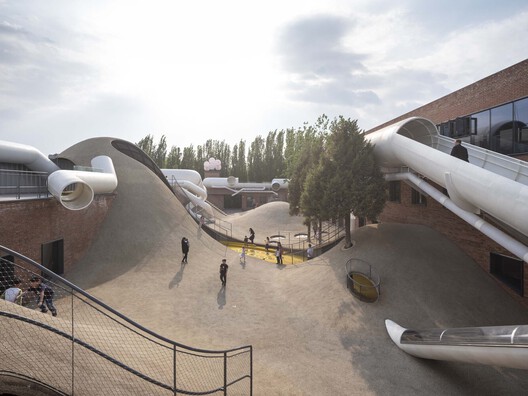
Early learning environments offer a clear lens through which to observe the relationship between space and educational practice. In kindergartens and primary schools shaped by pedagogical approaches such as Montessori, Waldorf, and play-based learning, architecture is closely tied to how children move, interact, and engage with their surroundings. Spatial organization, material choices, scale, and access to outdoor areas influence daily routines and modes of exploration, allowing learning to unfold through movement, sensory experience, and informal interaction. Rather than enforcing fixed uses, these environments are often designed to remain open-ended, supporting curiosity and experimentation as integral parts of early education.
Kindergarten Architecture: Imaginative Spaces Shaping Childhood and Creativity
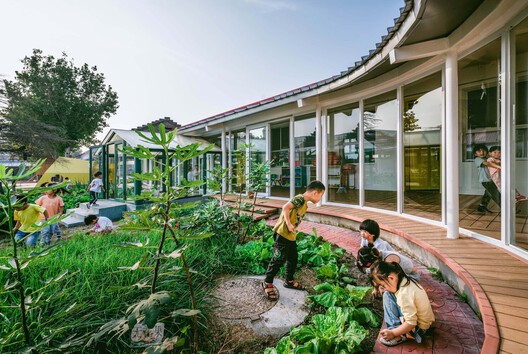
Environments of Curiosity: Translating Pedagogy into Architectural Form in Montessori, Waldorf, and Beyond
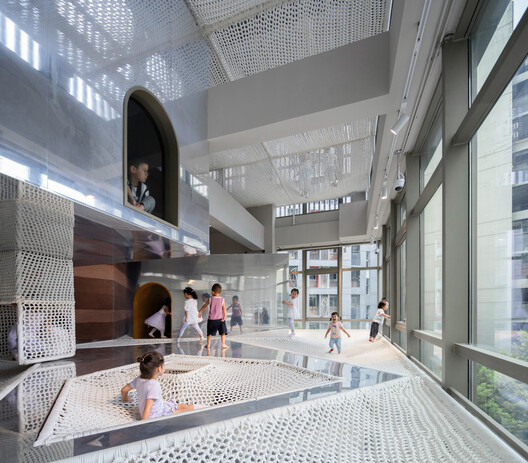
The Built Environment as a Third Teacher: Architectural Play in Japanese and Chinese Kindergartens
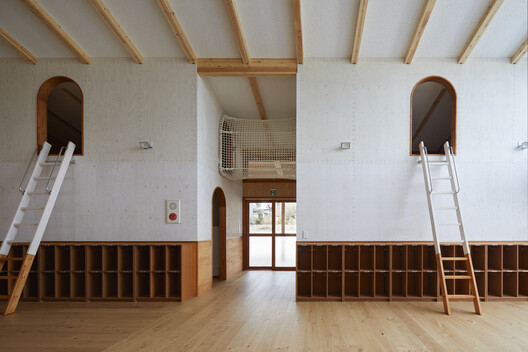
Playful Pedagogy: 4 Projects Using Topography to Redefine Children's Learning Environments in China
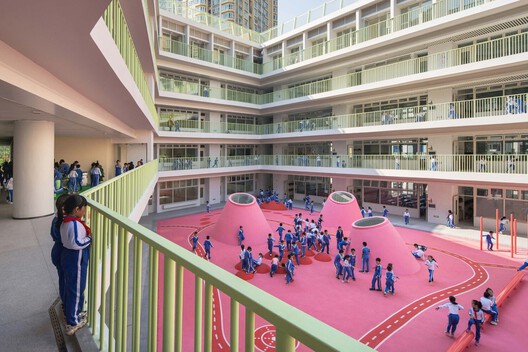
Learning Circles: 12 Educational Projects with Elliptical Plans
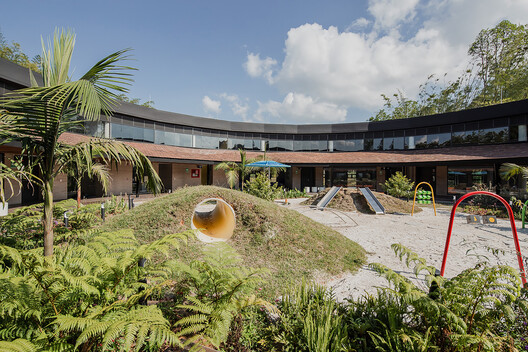
Educational Architecture as Civic and Cultural Infrastructure
Educational buildings increasingly extend beyond their instructional role to function as shared civic spaces. In many regions, particularly across the Middle East, Latin America, and parts of Africa, schools operate as community anchors, accommodating public gatherings, cultural activities, and social services alongside formal education. Architecture in these contexts often addresses safety, accessibility, and collective use, reflecting broader social conditions while reinforcing education as a public good. By integrating learning spaces into everyday civic life, these projects demonstrate how educational architecture can support social cohesion and long-term community resilience.
Educational Spaces as Cultural and Civic Hubs in the Middle East: 7 Projects Redefining Public Engagement
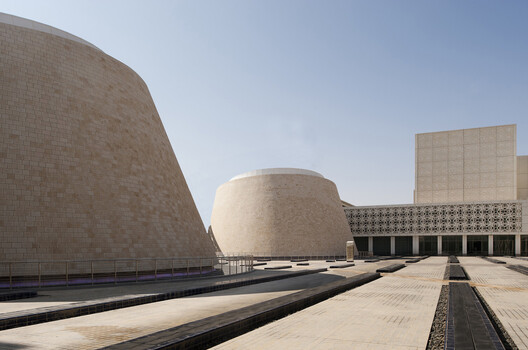
More than a Classroom: The Multifunctionality of Educational Spaces in Global South Communities
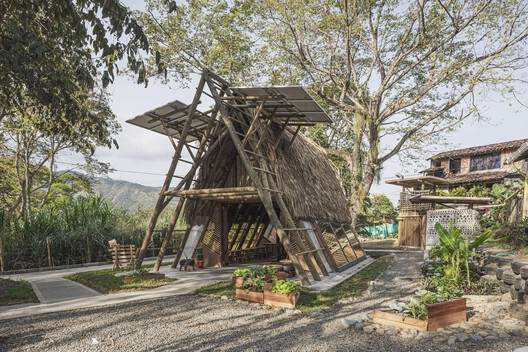
Creating Safe Spaces for Learning: Explore Solis Colomer Arquitectos' Educational Projects in Latin America
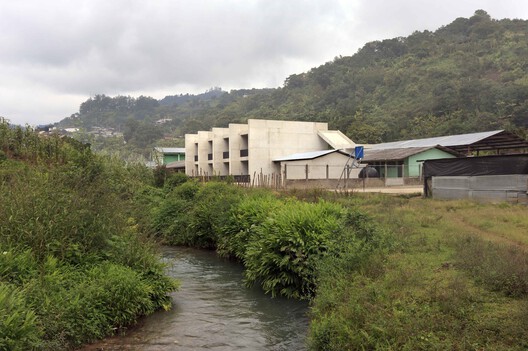
Modernism in Africa: Shedding Light on Nigeria's Rich Heritage of Education Buildings
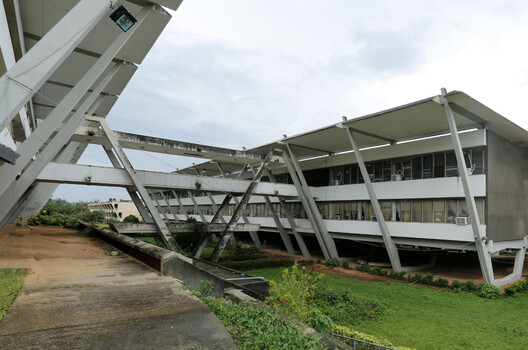
Shaping Knowledge: Architecture Education and Youth Agency
The ways architecture is taught play a significant role in shaping how future practitioners understand their social, cultural, and environmental responsibilities. Across different geographies, architectural education continues to be informed by historical models, institutional traditions, and evolving professional demands. Discussions around modernist legacies, disciplinary identity, and experimentation reveal education as an ongoing process of negotiation between established frameworks and emerging perspectives.
Beyond the Syllabus: Architectural Education and a Defense of the Profession
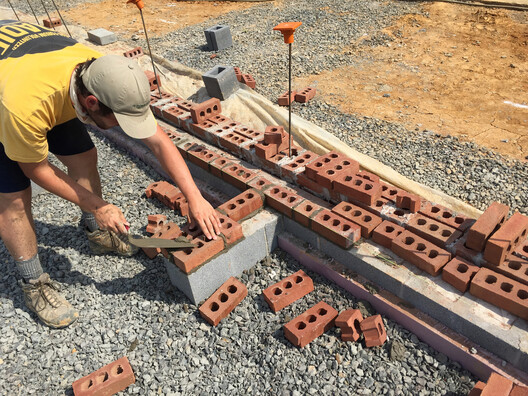
Building Knowledge, Not Just Structures: Redefining the Architect's Role in Times of Uncertainty
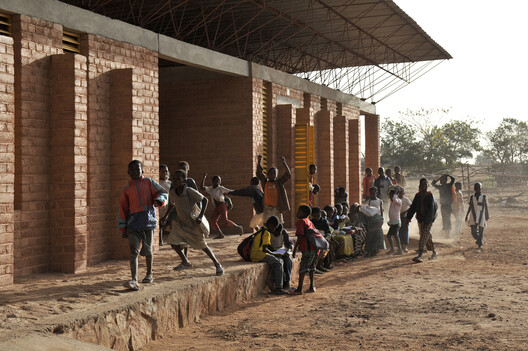
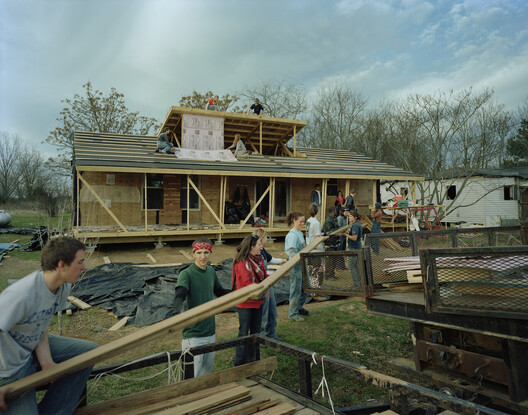
Forming a Distinct Identity: How Brutalism Shaped American Architecture Education
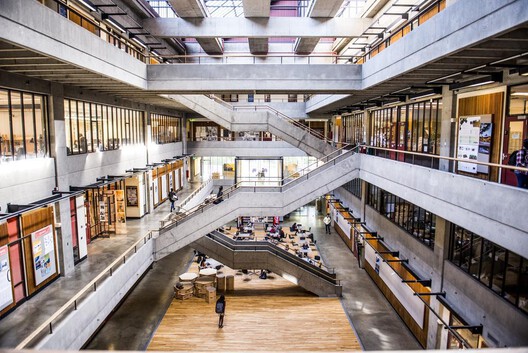
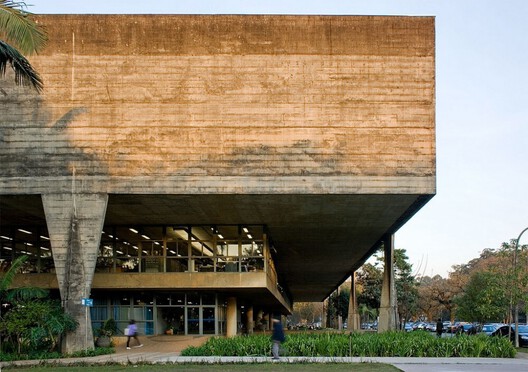
Why Do Modernist Principles Still Underpin Design Education in Brazil? Five Professors Share Their Perspectives