Environmental Comfort as an Interior Condition in South American Architecture

Subscriber Access

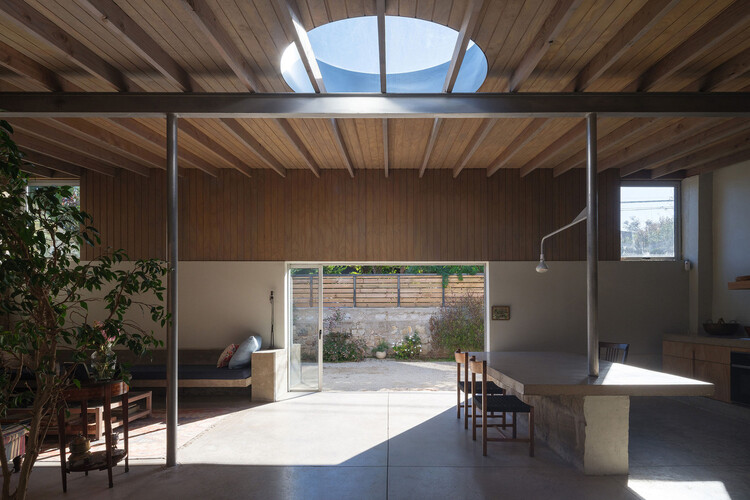
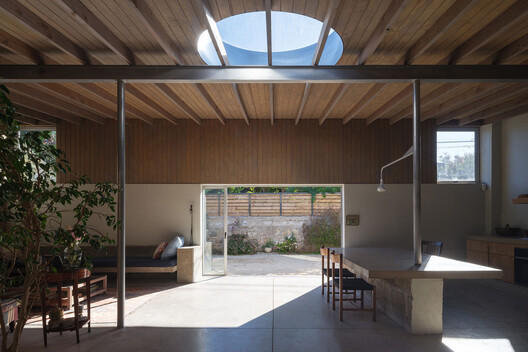
Across South America, environmental comfort is understood not as an interior condition, but as one shaped through space. In regions marked by heat, humidity, intense sunlight, and seasonal variation, architecture has long relied on spatial decisions to moderate climate and support daily life. Comfort emerges from how interiors are opened, shaded, ventilated, and inhabited over time.

Rather than isolating interior spaces from their surroundings, many contemporary projects across the region cultivate comfort through depth, porosity, and intermediate zones. Light is filtered rather than maximized, air is guided through aligned openings and voids, and thresholds become active spaces of use rather than residual edges. These strategies do not seek uniform environmental control, but produce interiors that remain temperate, adaptable, and closely attuned to changing climatic conditions. In this context, environmental comfort becomes inseparable from spatial experience.


Environmental Comfort as an Interior Condition in South American Architecture - Image 2 of 17Environmental Comfort as an Interior Condition in South American Architecture - Image 3 of 17Environmental Comfort as an Interior Condition in South American Architecture - Image 4 of 17Environmental Comfort as an Interior Condition in South American Architecture - Image 5 of 17Environmental Comfort as an Interior Condition in South American Architecture - More Images+ 12

Content Loader

Image gallery

See allShow less
About this author
Cite: Daniela Andino. "Environmental Comfort as an Interior Condition in South American Architecture" 02 Feb 2026. ArchDaily. Accessed . <https://www.archdaily.com/1038025/environmental-comfort-as-an-interior-condition-in-south-american-architecture> ISSN 0719-8884

You've started following your first account!

Did you know?

You'll now receive updates based on what you follow! Personalize your stream and start following your favorite authors, offices and users.