

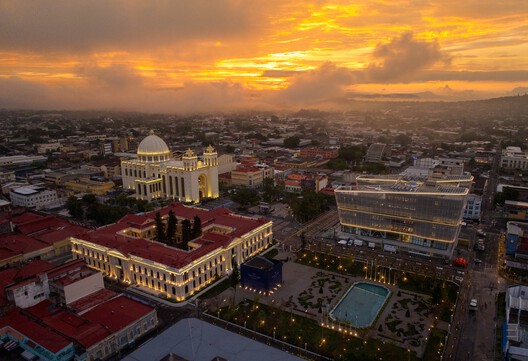
Historic center renewal has become a recurring strategy in Central American cities seeking to reassert the symbolic, economic, and functional relevance of their traditional cores. These processes often combine physical rehabilitation, institutional investment, and stricter control over public space. San Salvador offers a recent and instructive case, which allows for understanding of how interventions in inherited civic spaces balance infrastructure improvement with heritage conservation and social regulation. It also enables the assessment of how these choices resonate within broader debates on urban transformation in the region.

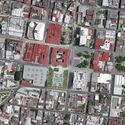
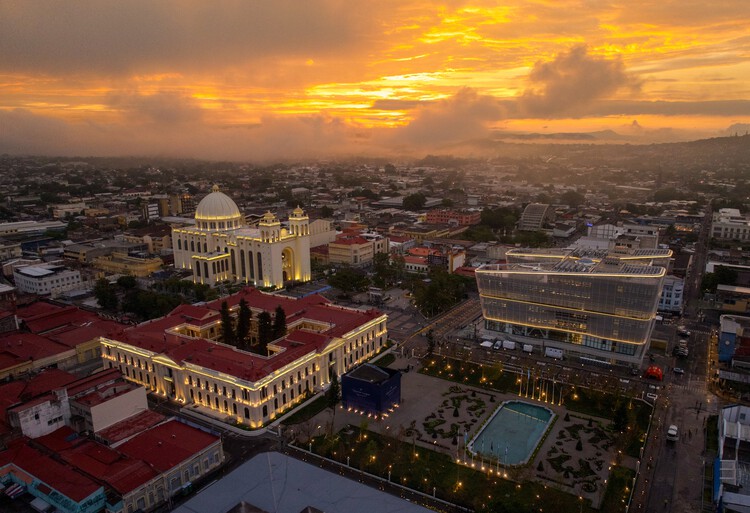
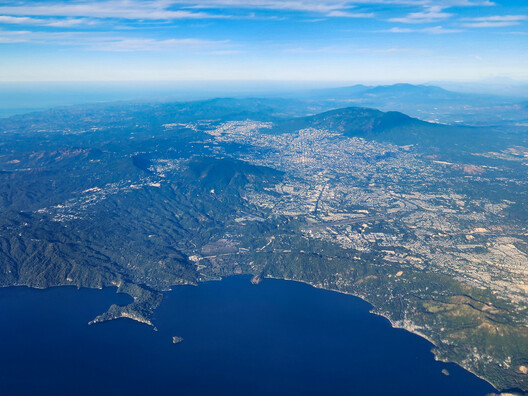
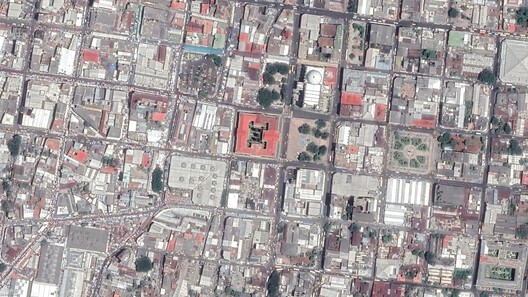
San Salvador, the capital of El Salvador, was founded by the Spanish in 1545 in a valley framed by the San Salvador Volcano to the west and Lake Ilopango to the east. As with many colonial cities in Spanish America, its initial urban structure followed the guidelines outlined in the Laws of the Indies. These 16th-century laws required a rectilinear grid (a chessboard-like street layout) organized around a central square. For San Salvador, this plaza is known today as "La Libertad", and at the beginning, it concentrated the political, religious, and commercial functions of the city.
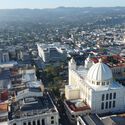
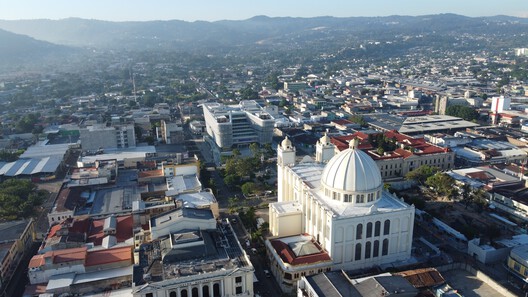
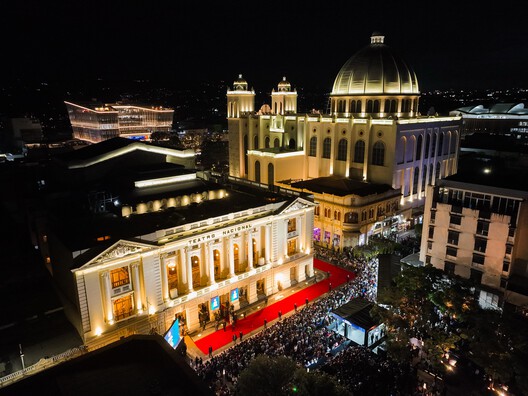
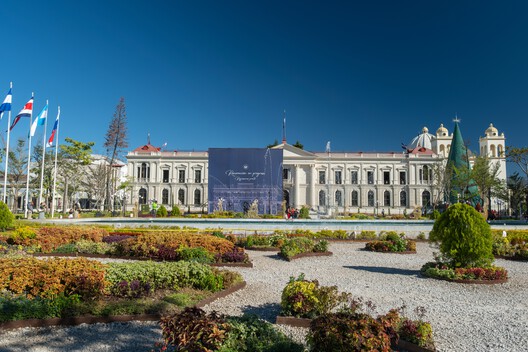
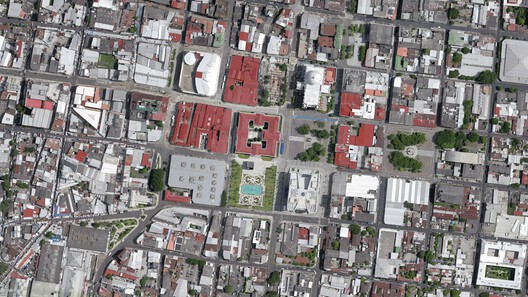
Over time, the city core evolved into a more complex civic structure organized around three major plazas, all located within what is now referred to as the "Microcentro". Plaza La Libertad represents the earliest colonial nucleus. During the republican era, two other plazas were added: Plaza Morazán, which hosts cultural institutions such as the National Theater, and Plaza Gerardo Barrios, which eventually became the new dominant civic plaza. The latter concentrates some of the country's main religious and political buildings, including the Metropolitan Cathedral and the National Palace. Together, they form a civic sequence aligned with the original Spanish grid, reflecting successive historical urban layers rather than a single moment of planning.
Related Article
The Cayala Paradox: How Are Private Districts Shaping Public Space Design in Guatemala?During the twentieth century, the historic center of San Salvador underwent a gradual functional transformation. Residential uses declined as commercial activity intensified, turning the area into a multimodal hub that concentrated retail, public transport, and services. This mix of functions encouraged the growth of informal commerce, forming big markets which occupied sidewalks, plazas, and street edges. While this activity supported livelihoods and reinforced the city center's economic role, it also produced high pedestrian density and infrastructural overload. Over time, these conditions contributed to concerns related to accessibility, maintenance, and public safety, shaping a negative perception of the area among parts of the population.
Public-sector efforts to address these conditions began in the late 1990s. Initial renovations in 1999 and 2012 focused on selective improvements to the public space. However, the most extensive process started around 2017 and concentrated on what some authors consider the rebranding of the Microcentro and its three-plaza system. This first phase included projects for new paving, landscaping, lighting, underground utilities, and urban furniture. There was also a pedestrianization effort for the streets connecting the three plazas, which turned the isolated squares into a continuous urban corridor. At the same time, architectural lighting was added to landmark buildings such as the Cathedral, the National Theater, and the National Palace. By the end of 2018, the main construction phase was completed. Local media later reported the arrival of new formal businesses in the area, suggesting that the intervention contributed to renewed private investment.
Within this program, three projects became notable to the broader transformation of the area. First, the restoration of the National Palace. The building was formally rehabilitated and reopened as part of the renovations, with improvements in structural conditions as well as updated technical systems and services. Second, adjacent to the south side of the National Palace, the government cleared a city block to create a new public garden known as "Jardín Centroamérica". By replacing this block with an open space, the intervention turned a "solid" part of the city into a "void." This change had two main architectural effects: more visual exposure that allows for an unobstructed view of the National Palace's southern facade, which was previously hidden; and an alteration of the sequence of squares, as it expanded the three-plaza system into a four-space layout.
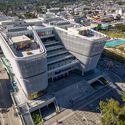
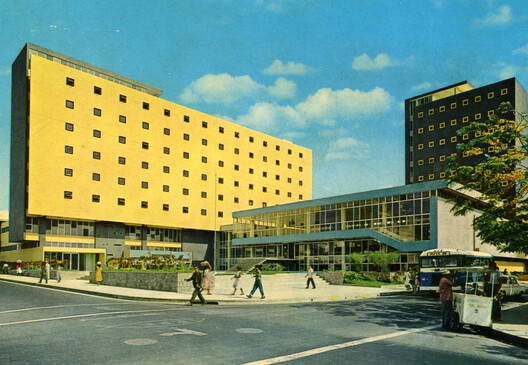
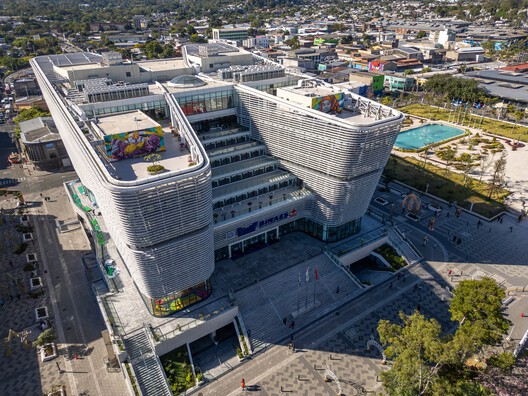
The most notable of the three projects was the construction of the new National Library of El Salvador. A modernist-style library building was originally constructed in 1957 at a different location, but it was destroyed during the 1986 earthquake. This natural disaster caused major damage to the city and destroyed many buildings, causing thousands of deaths. Later, operations were relocated to the "Banco Hipotecario" building at the south edge of Plaza Gerardo Barrios. In 2021, this building, which was considered a modernist heritage site, was demolished to make way for a new library structure. Financed through Chinese cooperation and designed by the Central-South Architectural Design Institute Co., Ltd., the new library, also known as BINAES, was inaugurated in 2023. Today, this project enhances the cultural scene in the historic core, not only for its contemporary design style, but also because it is open 24/7, which helps to bring cultural activity back to this area of the city at all times of the day.
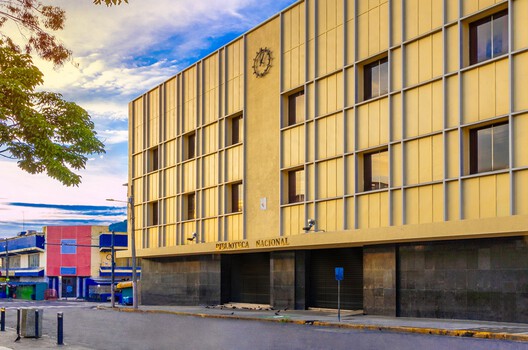
However, these projects did not come without criticism from different parts of the Salvadoran society. Some architects and conservation specialists have noted that in the National Palace, several original architectural elements were substantially altered during the process. In particular, the replacement of the original flooring with new materials. Regarding the new garden, some architects call out the government for demolishing a block of houses, which was previously regulated as part of the historic center, and creating a landscaping design that some classify as historical pastiche. For the library, it generated debate regarding the loss of an existing heritage structure and the limited architectural dialogue between the new building and the surrounding civic fabric.
From 2022 onward, the focus of intervention shifted from physical renewal to the operational control of the public space. Authorities initiated the removal or relocation of a large number of informal vendors operating throughout the historic district. This phase has been the most controversial aspect of the process so far. Government officials maintain that participation in relocation programs was voluntary, while others argue that the broader political context of the country constrained negotiation and dissent.
Nonetheless, the experience of San Salvador can be better understood when placed within a broader regional perspective. Regarding the creation and renovation of public space, examples in Guatemala are a good starting point. Private developments such as Ciudad Cayalá illustrate the counterexample to El Salvador's state-led renovations. Given its condition as a large private greenfield project on the outskirts of the city, Cayalá integrated many urban characteristics that quickly became popular among the locals in Guatemala City. The area was built as a walkable, secure, and economically active environment. It is essentially a master-planned district where access is open, but behavior, uses, and aesthetics are tightly regulated.
Regarding informal commerce, a relevant precedent in Tegucigalpa helps to put things into a wider perspective. In the mid-2000s, as part of the efforts to revitalize the historic core, the city government relocated many vendors to the new "La Isla" market on the outskirts of the historic center. This move was part of an effort to free a central pedestrian corridor that connected to the Plaza Mayor. As in San Salvador, the intervention had many positive reviews but was highly controversial. It resulted in a cleaner historic center, but created a struggle among vendors, as the new location lacked the natural "foot traffic" of the old streets. In both cases, these dense concentrations of commerce have been considered to be attractors for illicit behavior and complicated governance, resulting in mixed social and spatial outcomes.
Today, El Salvador has made efforts to change its image to the world. Regardless of individual interpretations, the removal of informal commerce, the construction of the library, and the renovation of the plazas have fundamentally altered how the historic center functions on a daily basis. Overall, the process presents both advantages and limitations. On one hand, the interventions, along with other state-led efforts, have improved infrastructure, urban safety, pedestrian conditions, and the operational clarity of important civic spaces. On the other hand, they raise unresolved questions about heritage conservation, professional oversight, and social integration. The case of San Salvador highlights the ongoing tension between order, safety, authenticity, and inclusivity in placemaking and the transformation of public space in Central American cities.
This article is part of the ArchDaily Topic: Coming Together and the Making of Place. Every month we explore a topic in-depth through articles, interviews, news, and architecture projects. We invite you to learn more about our ArchDaily Topics. And, as always, at ArchDaily we welcome the contributions of our readers; if you want to submit an article or project, contact us.


