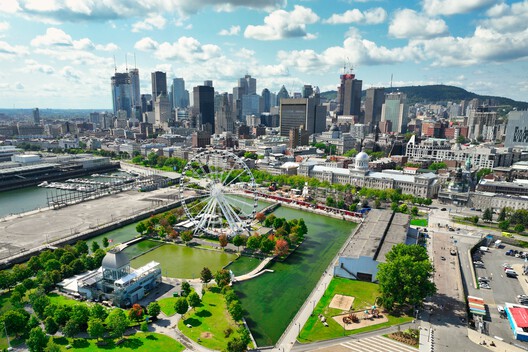
The architectural history of North American cities in the 20th century is often characterized by the pursuit of urban renewal. In the United States, Boston, Portland, and San Francisco are just some examples of when municipal governments prioritized high-speed vehicular infrastructure over the existing urban fabric. In Canada, Montreal would have followed this trajectory if not for the intervention of several figures throughout its history, most notably Blanche Lemco van Ginkel (1923–2022). A Harvard-trained planner and architect who, along with her husband Sandy Van Ginkel, advocated for the preservation of urban heritage while applying the principles of modernist infrastructure.




Born in London, England, Blanche moved to Montreal as a teenager and became one of the first women admitted to McGill University's School of Architecture. She later earned a Master's in City Planning from Harvard in 1950. A formative milestone in her early career was her 1948 tenure at Le Corbusier's atelier in Paris, where she contributed to the iconic Unité d'Habitation, specifically designing the rooftop nursery.