

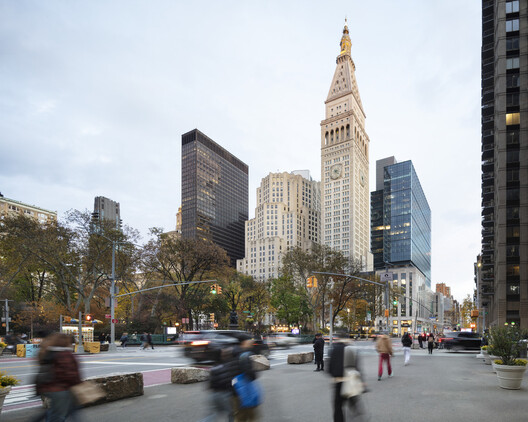
Post offices stand among the most enduring monuments of civic life in the United States. Across towns and city centers, they carry the shifting architectural ambitions of the nineteenth and twentieth centuries, from Greek Revival formality to Beaux-Arts monumentality and Art Deco ornament. Architects and federal planners would give these buildings a clear public role and a powerful physical presence. Stone façades, monumental halls, and crafted interiors projected stability, trust, and permanence. The post office placed the federal government directly into the everyday landscape of American life.




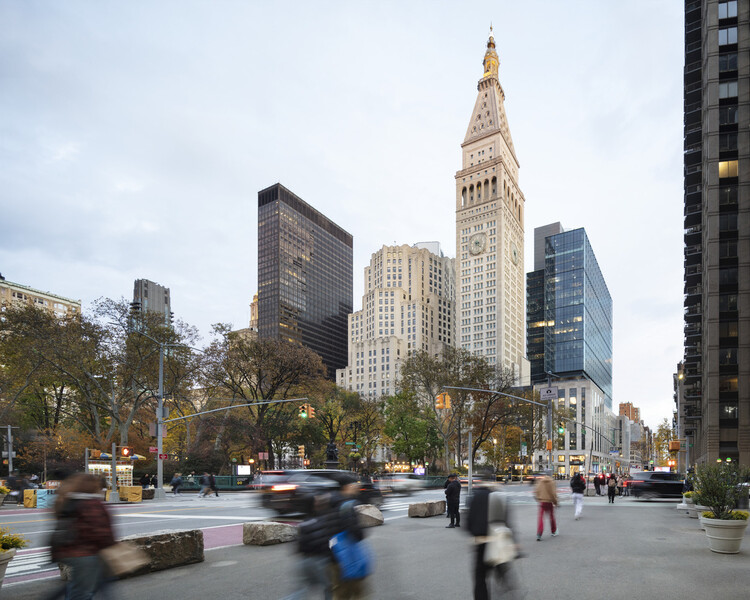
In the 21st century, postal infrastructure has become increasingly essential to everyday life and routine. The contemporary economy runs on logistics, e-commerce, and the constant circulation of goods, and the postal system remains one of the few networks that reaches every community. Americans depend on it, whether through deliveries, documentation, or the daily movement of commodities. Yet there is a clear shift in architectural priorities as public investment does not match this growing dependence on postal networks. The buildings that once embodied civic centrality now often sit at the edge of architectural attention, maintained as remnants rather than renewed as active public spaces.
This shift continues to accelerate through the adaptive reuse of historic post offices across the country. Developers convert monumental civic interiors into boutique hotels, retail destinations, private offices, and event venues, turning public infrastructure into real estate assets. These projects reveal a broader national pattern in which federal commitment to civic space recedes while private capital reshapes the architecture of public life. When the institutions designed to anchor collective belonging become sites of private consumption, what future remains for the civic realm itself?
Related Article
Brutalism and Bureaucracy: An Architectural Language of Authority in the Postwar United States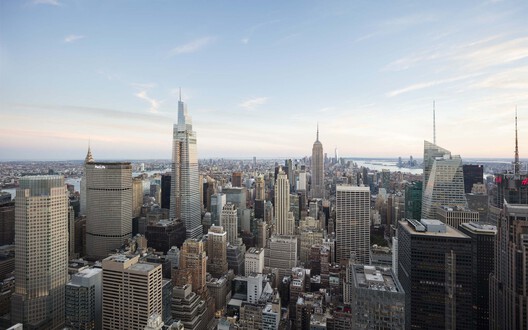
Architecture for a Federal Identity
The expansion of the American postal network tracked the growth of the federal government itself. By the late nineteenth century, post offices had become standard fixtures of civic life, rising in town centers as visible markers of national presence. The Office of the Supervising Architect within the U.S. Treasury directed its design, shaping a consistent architectural language of government service across the country. These buildings needed to balance efficiency with symbolic authority. They announced federal stability through stone, symmetry, and permanence, and they embedded the state directly into the everyday geography of American communities.
During the New Deal, the postal system entered a new era of construction and cultural significance. Federal programs such as the Public Works Administration and the Works Progress Administration funded hundreds of new post offices, extending investment into both metropolitan corridors and rural towns. These structures served as civic anchors, materializing Washington's reach far beyond the capital. Murals, monumental entrances, and carefully crafted interiors expressed a vision of government as organized, present, and enduring. Architecture became a tool through which the federal state asserted responsibility for public life.
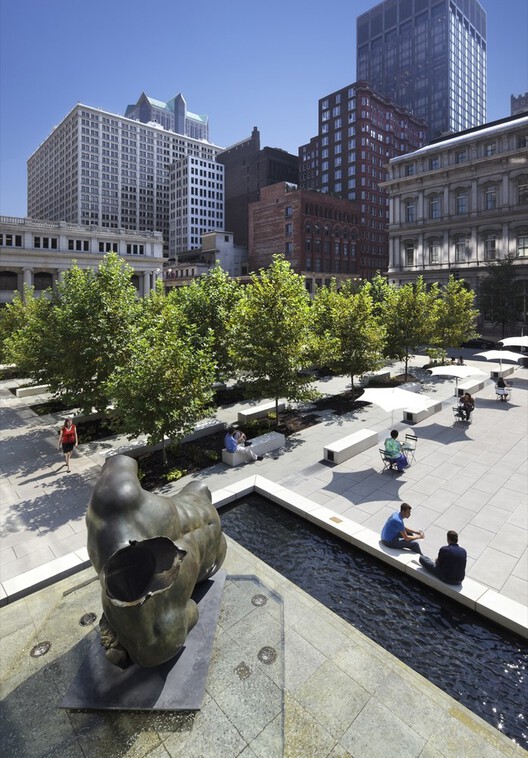
Uniformity reinforced these ideals. A post office in Iowa followed the same material logic as one in New York, producing a landscape of bureaucratic coherence and architectural fairness. Citizens encountered the federal system through routine acts of exchange, mailing letters, receiving goods, and standing in line beneath vaulted ceilings. By the mid-twentieth century, the postal service had become a critical national infrastructure and one of the country's largest employers, representing perhaps the most visible and dependable arm of the federal state. Yet the very permanence these buildings projected would later render them vulnerable, as civic presence came to be seen less as public commitment and more as a fiscal burden.
Manufacturing Decline and Structural Disinvestment
The decline of investment in the American post office follows a broader ideological turn that casts public infrastructure as inefficient, bloated, or unsustainable. The Postal Reorganization Act of 1970 recast the U.S. Post Office Department as the United States Postal Service, an independent agency expected to finance itself while continuing to meet universal public obligations. Lawmakers removed direct federal support without removing public responsibility. The reorganization imposed a market logic on a civic institution, leaving the USPS suspended between public service and corporate performance, accountable to fiscal metrics that conflicted with its national mandate.
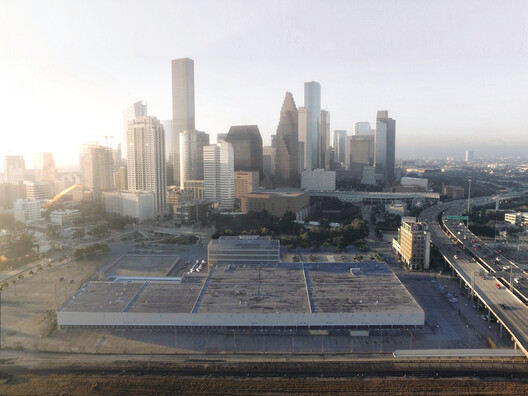
Subsequent decades of deregulation and austerity deepened this structural imbalance. The Postal Accountability and Enhancement Act of 2006 forced the USPS to pre-fund retiree health benefits decades in advance, a requirement unmatched in either the public or private sector. This mandate manufactured a financial crisis, allowing policymakers to frame closures, workforce reductions, and property sales as necessary responses to insolvency. Disinvestment became politically useful. Weakening the postal service reinforced narratives of government failure while paving the way for the privatization of valuable civic assets. This trajectory reached a visible extreme in the current administration when overt attacks on the USPS, including leadership appointments favoring privatization and operational slowdowns, revealed how structural weakness can be actively exploited for political ends.
Transformation of Civic Anchors
In major cities, the conversion of historic post offices has come to symbolize the broader privatization of civic space. Chicago's Old Main Post Office, once a monumental Art Deco destination, now houses corporate headquarters, cultural gathering spaces, and private tenants. New York's Farley Building has reemerged as Moynihan Train Hall, where transportation infrastructure blends seamlessly into retail corridors and commercial spectacle. In Washington, the Old Post Office Pavilion spent a brief life as a luxury hotel before rebranding under new management. Each project of adaptive reuse retains the architectural authority of the original structure while redirecting its purpose entirely so that the stone, scale, and grandeur remain, while the civic function recedes.
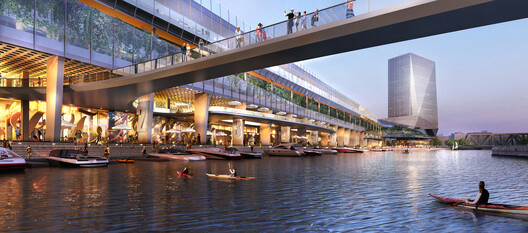
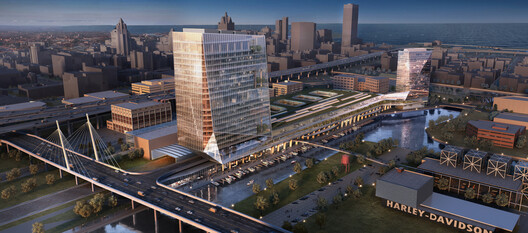
In smaller cities and towns, the same logic unfolds with modest consistency. Former post offices reopen as cafés, coworking spaces, boutique cultural venues, or event rentals. While these adaptations are praised as preservation successes and beautiful architectural designs, they reveal the market's growing role in determining what survives as "public" architecture. Spaces once built to communicate accessibility and collective belonging now trade on exclusivity, atmosphere, and curated distinction. A new typology emerges: buildings that still look civic, still borrow the language of trust and permanence, yet operate through private control. What does it mean when the architecture of shared life remains standing, but no longer serves the public at all?
Privatized Heritage
Preservation efforts surrounding historic post offices often prioritize architectural image over civic function. Landmark designations and National Register listings tend to protect façades, ornament, and symbolic value, while leaving questions of access and public use unresolved. Adaptive reuse is often framed as the only viable path for aging federal buildings. Yet this approach can preserve the shell of civic architecture while accelerating the removal of its purpose. Spaces once structured around democratic encounter and shared service become curated interiors of heritage, consumption, or commercial spectacle.
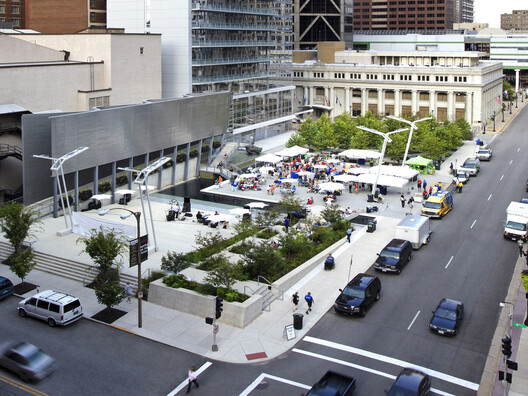
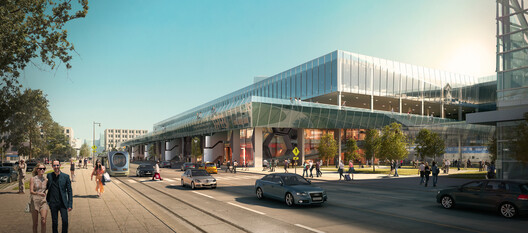
Some communities push back through hybrid models that retain limited postal operations alongside new programming, attempting to sustain a fragment of public life within privatized redevelopment. These efforts demonstrate that alternatives exist, but they remain rare within a broader system organized around extraction and retreat. The dominant trajectory continues to substitute social infrastructure with market infrastructure, replacing collective space with private experience. Preservation, in this context, risks becoming less a practice of civic continuity than a mechanism for managing the aesthetic remains of public life after its function has been dismantled.
How Civic Space Becomes Private Space
The transformation of the American post office exposes the material consequences of long-term political choice. What once functioned as a federal inclusion project, visible in its stone, scale, and public accessibility, now serves as a case study in managed obsolescence. The sale and redevelopment of postal buildings signals the steady erosion of the belief that the built environment should operate as shared civic infrastructure. Post offices still occupy prominent sites in cities and towns, but their role has reversed. Architecture designed to host collective life now frames private experience, standing as a monument to the withdrawal of public commitment.
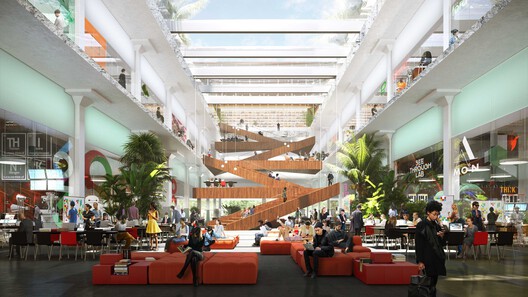
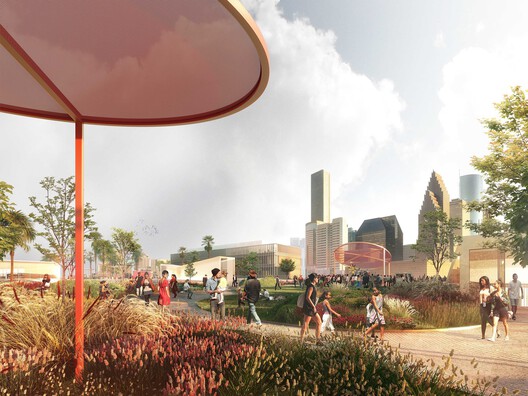
This shift reflects a broader condition in American governance, one in which civic architecture moves away from service. Disinvestment functions simultaneously as fiscal policy and political strategy, recasting democratic space as an exchangeable asset rather than a public obligation. The postal network once stitched together a geographically dispersed nation through everyday acts of communication and encounter. Today, its buildings register a different reality: a fragmented public realm shaped by market logic and selective access. If the disappearance of the civic begins with architecture, what kind of public life can persist when shared space itself is no longer treated as a collective right?
This article is part of the ArchDaily Topic: Rethinking Heritage: How Today's Architecture Shapes Tomorrow's Memory. Every month we explore a topic in-depth through articles, interviews, news, and architecture projects. We invite you to learn more about our ArchDaily Topics. And, as always, at ArchDaily we welcome the contributions of our readers; if you want to submit an article or project, contact us.


