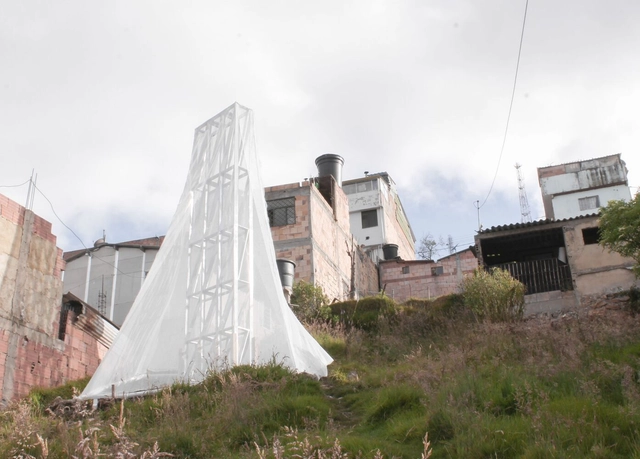
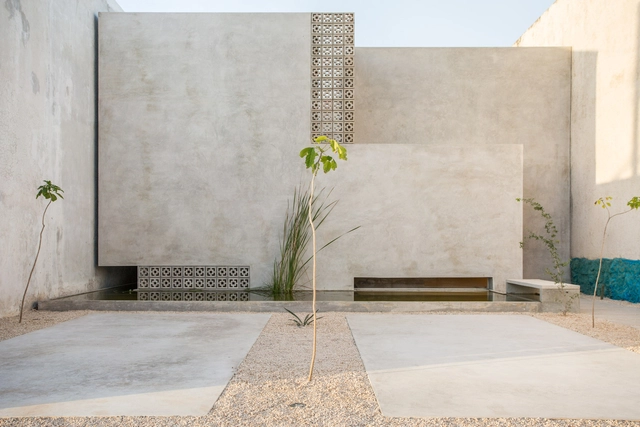
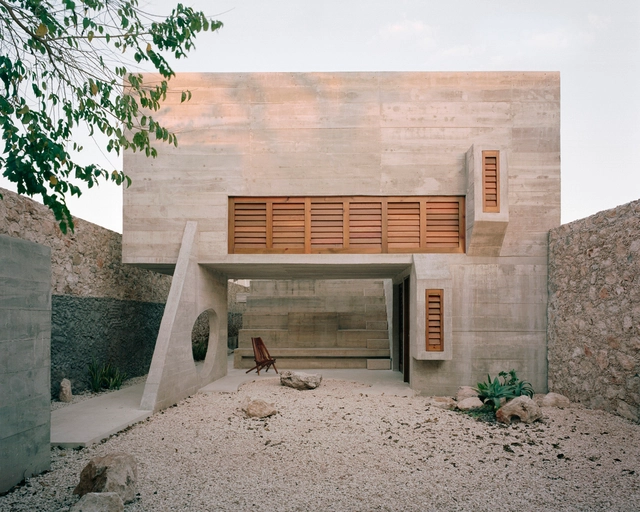
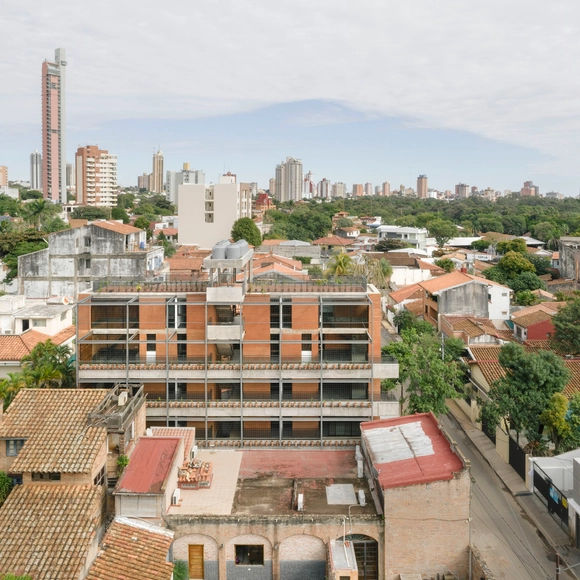
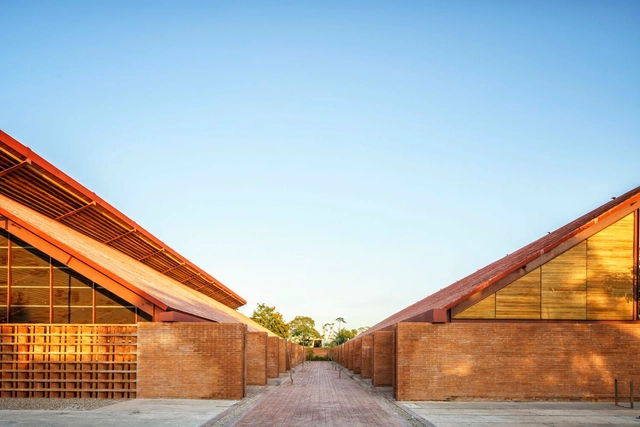
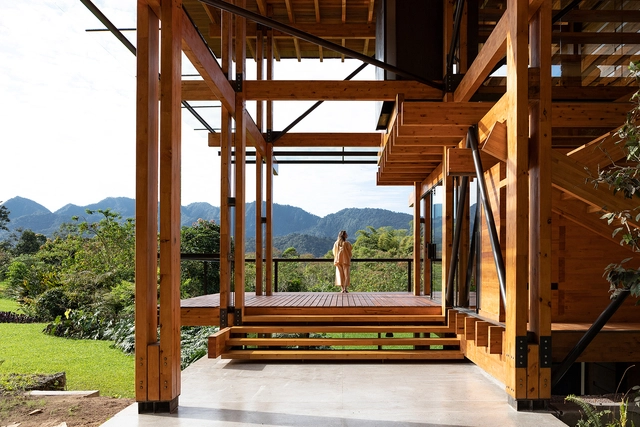
The Pan-American Architecture Biennial of Quito (BAQ2022) will take place at the Casa de la Cultura Ecuatoriana until November 18. Organized by the Colegio de Arquitectos del Ecuador, Provincial de Pichincha (CAE-P), the biennial has been held since 1978, aiming to foster dialogue, exchange, and reflection on architecture and the contemporary city. This edition's theme, "Inflexions: Looking Back," aims to provide a space for discussion and debate on architecture surrounding turning points in history.
Year after year, organizations, government authorities, and other global entities face the challenge of implementing regulations and measures to address rising water scarcity: as of 2017, according to the World Health Organization, roughly 3 out of 10 people lacked access to safe drinking water at home, while 6 out of 10 lacked access to safely managed sanitation.
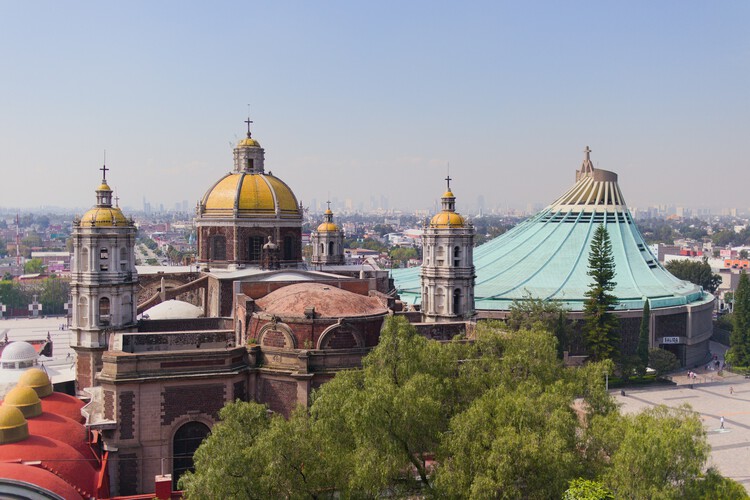
Mexico City. Image by Eduardo Enriquez, via Unsplash
Mexico City is a sprawling metropolis of layered temporalities, where architecture operates as a continuous negotiation between deep-seated history and intense urban mutation. Built over the aquatic traces of Tenochtitlan, the city's fabric is an ongoing dialogue between eras: the monumental scale of the Pre-Hispanic Templo Mayor and the Viceroyalty architecture of the Catedral Metropolitana coexist with the modern and contemporary impulses that define its skyline. This dense juxtaposition creates a unique urban canvas where sacred geography, colonial imposition, and 20th-century ambition intersect.
The mid-century marked a definitive era of experimentation, forging a Mexican Modernism that masterfully synthesized international structural rationalism with local identity and materiality. This synthesis is epitomized by the sweeping, plastic integration of art and architecture at the Ciudad Universitaria, the structural poetry of Félix Candela's hyper-parabolic shells, and the raw, monumental brutalism of Teodoro González de León and Abraham Zabludovsky. Parallel to this, the intimate, introspective mastery of Luis Barragán and Juan O'Gorman redefined domestic space, experimenting with light, vernacular color, and tectonic honesty to create spaces of profound spatial stillness.
Architecture has always played a key role in providing shelter and protection for human beings. In prehistoric times, we sought refuge in caves, taking advantage of rock structures for protection against the natural elements and predators. Over time, shelters began to be made from materials found in nature, such as branches, leaves, and animal skins, evolving into more permanent and complex homes, with walls made of stone, bricks or wood, roofs to protect against rain and sun, and doors to control access. As we developed more advanced building skills, we used materials such as wood, stone, and clay and architecture evolved significantly, with the construction of temples, palaces, and fortifications that provided not only shelter but also symbolized power, status, and cultural identity. Even so, our buildings can continue to be seen as shells that protect us from the outside world.
From the massive stones of Greek temples to glazed skyscrapers, we work with a range of possibilities and thicknesses to separate what we consider internal and external. This article seeks to explore this diversity of thicknesses in architecture, from simple materials to complex construction techniques, highlighting how this variation not only provides protection but also influences our perception and interaction with the built environment.
https://www.archdaily.com/1014920/from-thin-veils-to-thick-barriers-exploring-different-widths-in-architectural-envelopesJosé Tomás Franco and Eduardo Souza
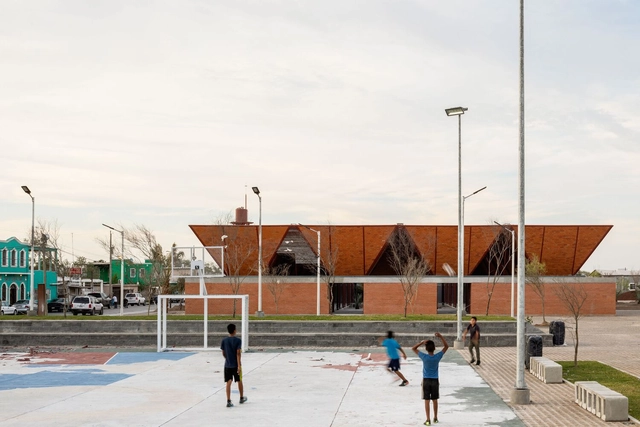
In 2019, the Secretariat of Urban Development hired the Faculty of Architecture at the National Autonomous University of Mexico to organize a competition to develop small-scale public works in vulnerable regions of northern Mexico. At that time, architects from the mentioned university—Gabriela Carrillo, Carlos Facio, José Amozurrutia, Eric Valdez, and Israel Espín—came together to participate in their proposal for this challenge. Believing in the importance of forming a team and understanding that architecture emerges from moments of collective discussion, exchange of ideas and positions, and sharing knowledge and experience, they formed the architectural collective C733.
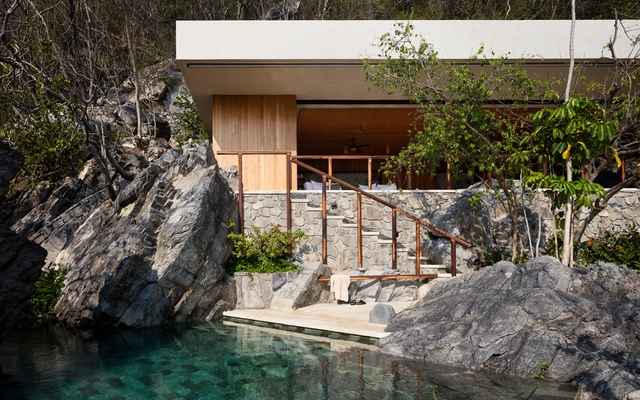
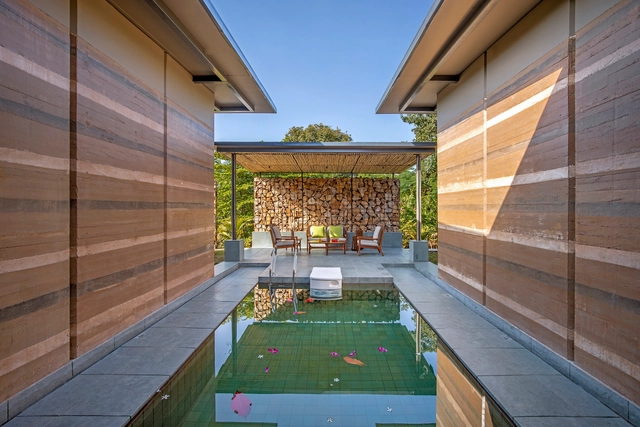
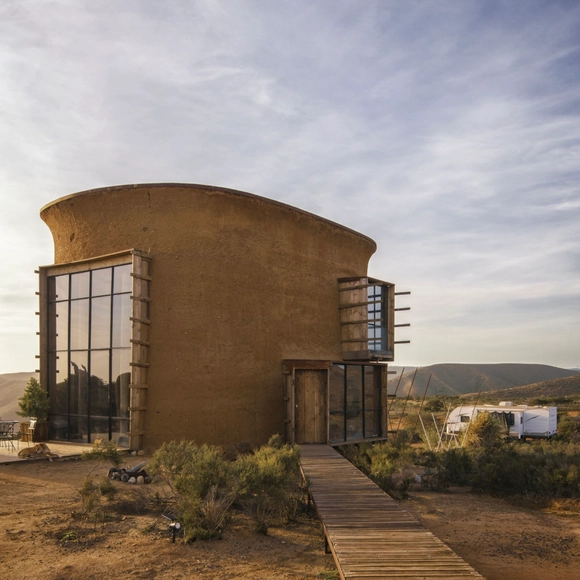
Due to their aesthetic, sustainable, durable, and resistant qualities, stone materials have accompanied the disciplines of architecture and engineering since their origins. As is known, in Mexico, stone has been a fundamental element in pre-Hispanic constructions where experimentation was done with vaults, ashlars, masonry, etc.
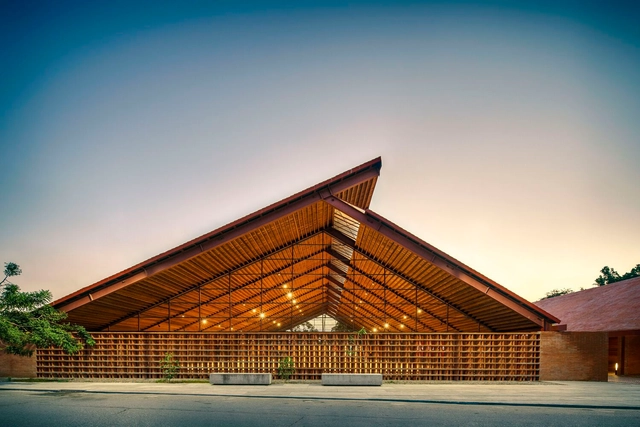
However, the industrialization of this material, the perfection of techniques, and experimentation with its various applications have allowed buildings erected today to continue using it in different ways and various regions of the country, specifically in wooded areas. For this reason, we have compiled a selection of projects that include houses, haciendas, hotels, restaurants, and terraces to continue inspiring you.
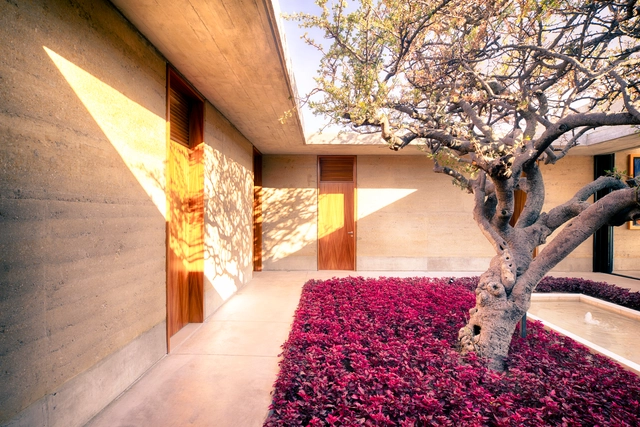
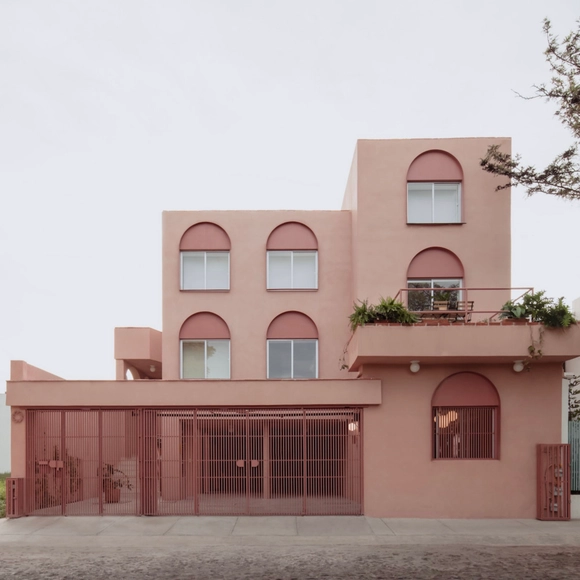
One way to employ color is through monochrome, a design technique that involves using a single tone or color in a space. In architecture, monochrome is a powerful tool where different shades can be created through the play of lights and shadows, generating spaces that offer unique experiences to their inhabitants.
The relationship between architecture and music has existed throughout history and can be observed in various aspects. The way architectural spaces are designed can affect the sound quality and auditory experience of a musical piece. The acoustics of a place, determined by its shape, size, and materials used in its construction, can influence how sounds and music are perceived. That's why architecture plays an essential role in the design of auditoriums and concert halls. The aspects to consider include space distribution, seat placement, the shape of the venue, and acoustics to ensure an optimal sonic experience.
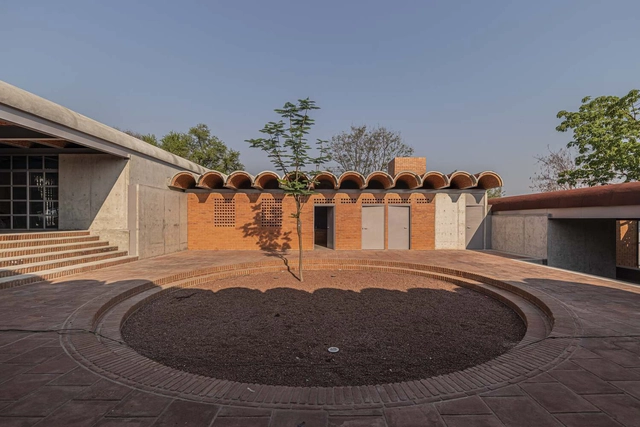
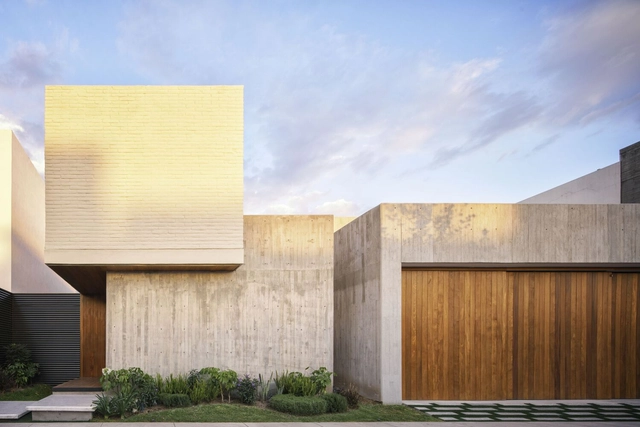
Due to its ability to mold and create different shapes, concrete is one of architecture's most popular materials. While one of its most common uses is as a humble foundation, its plasticity means that it is also used in almost all types of construction, from housing to museums, presenting a variety of details of work that deserves special attention.
Check out this collection of 40 projects that highlight the use of concrete. Impressive!
Brutalism is an architectural style that originated in the 1950s and became popular in the 1960s. Its name comes from the French "béton brut," which means "raw concrete," as this material is one of the most characteristic elements of the style. Its main features are the apparent use of concrete, offering visuals where natural texture and tonality are the protagonists of the buildings. Brutalist buildings often have an austere and massive aesthetic, with simple and repetitive geometric shapes. The use of industrial materials and innovative construction techniques is also common in brutalism.
The Pan American Biennial of Architecture of Quito (BAQ2022) ended on November 18th. Organized by the Pichincha Provincial College of Architects of Ecuador (CAE-P), it has been held since 1978 with the aim of promoting dialogue, exchange, and reflection on architecture and the contemporary city. During this edition, the intention was to address the theme "Inflections: Seeing again", with the aim of providing a space for discussion and debate on architecture around the moments of inflection in history.
On the closing day, the winning projects for both the National Award and the Pan American Award were announced from among the nearly 60 selected finalists. At the same time, the winners of the Social Habitat and Sustainability Award were announced from among 8 selected finalists, as well as the two works that jointly won the Biennial Grand Prize. See all the winners below.