World Monuments Fund

World Monuments Fund

ArchDaily and the World Monuments Fund have partnered to support conservation work at Modernist heritage sites around the globe, focusing on protecting the past while informing and inspiring the future of architecture. World Monuments Fund is the leading independent organization devoted to safeguarding the world's most treasured places.

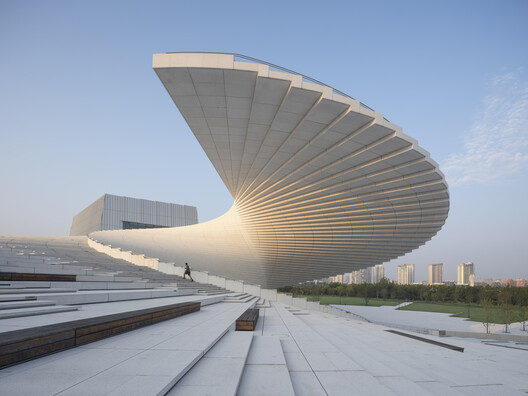
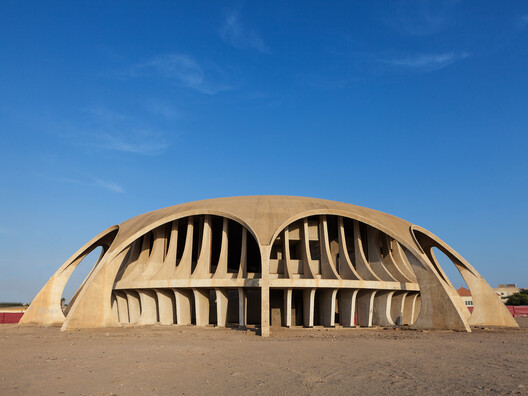
Cinema Studio Namibe: Reviving a Tropical Modernist Icon in Angola

Cinema Studio Namibe: Reviving a Tropical Modernist Icon in Angola

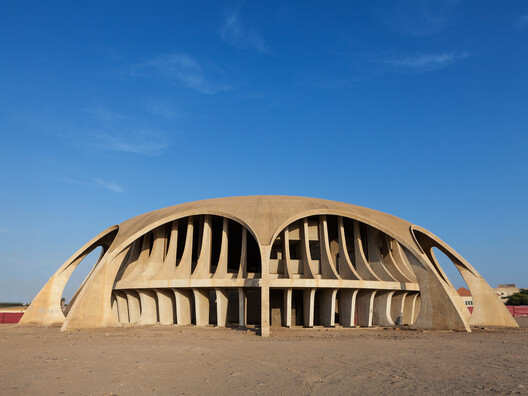
What sustains the purpose of architecture that has never been occupied? For decades, this was the question surrounding the Namibe Cinema-Studio, built on the coast of Angola in 1973. Conceived as a film screening venue, the building remained closed and abandoned, never fulfilling the role for which it was created. Yet it withstood the passage of time, becoming an icon of the Angolan landscape and architecture, until finally screening its first film nearly fifty years later.

Read more »

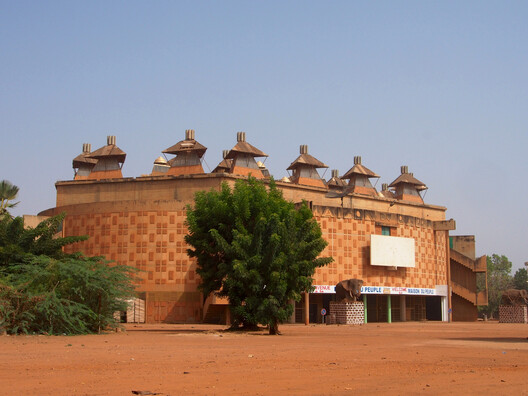
The Maison du Peuple: Reclaiming Brutalism for Nation-Building

The Maison du Peuple: Reclaiming Brutalism for Nation-Building

When African countries gained independence from European colonial rule during the mid-twentieth century, nation-building involved more than establishing new governments and political institutions. Newly sovereign states also needed to establish a built identity that could distinguish them from their colonial past, and architecture became an important tool in this process. Across the continent, monumental civic buildings, universities, conference centers, and cultural institutions were commissioned to embody progress and national unity. Yet this created a fundamental contradiction: many of these buildings adopted modernist and Brutalist architectural languages that had originated in Europe, while some were even designed by architects from former colonial powers. The Maison du Peuple in Ouagadougou, Burkina Faso, provides a particularly revealing example of how an architectural language associated with Europe could be appropriated and transformed into an expression of postcolonial independence.

Read more »

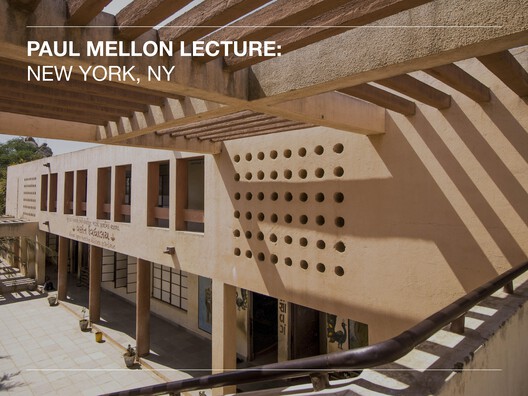
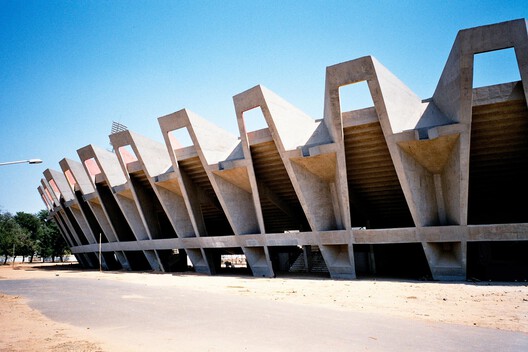
Modernism on the Watch: Preserving the Sardar Vallabhbhai Patel Stadium in India

Modernism on the Watch: Preserving the Sardar Vallabhbhai Patel Stadium in India

In the heart of Ahmedabad's Navrangpura district in India sits the Sardar Vallabhbhai Patel Stadium. More than just a cricket ground, the stadium stands as one of India's earliest experiments in modernist public architecture. Built in the decades following the country's independence, the structure has not only become an engineering landmark, but also a major public space within Ahmedabad's urban fabric. Despite the building's architectural and historical significance, as well as its deep involvement in daily community life, it has suffered significant physical degradation as a result of decades of poor maintenance and lack of funding. That fragility is precisely why it has drawn international attention. In 2020, the World Monuments Fund (WMF) placed the Sardar Vallabhbhai Patel Stadium on its World Monuments Watch, a global list highlighting cultural heritage sites facing urgent preservation challenges. 

Read more »

Escaping Demolition: The Preservation of the A. Conger Goodyear House

Escaping Demolition: The Preservation of the A. Conger Goodyear House

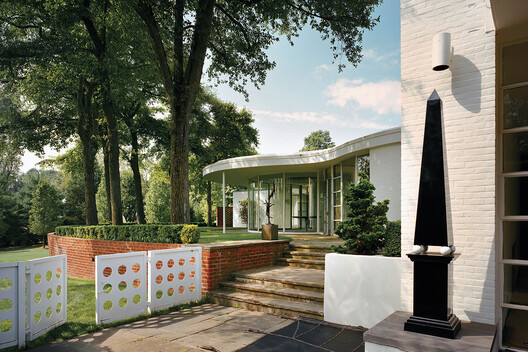
As pillars of our cultural landscape, many masterpieces of the Modern Movement are often demolished, abandoned, or altered regardless of the context in which they are located. Preserving this architectural legacy highlights the role of architecture and design professionals in shaping built environments where continuity between the past and the present reinforces communities' sense of place. On Long Island, a coalition of advocates came together to save the A. Conger Goodyear House, which dates to 1938 and was designed by Edward Durell Stone. Considered one of the notable examples of the International Style in the United States, the house attracted significant attention throughout the 1940s, appearing in specialized journals, books, and popular publications.

Read more »

UIA World Congress 2026 and Henning Larsen's New Environmental Analysis Platform: This Week's Review

UIA World Congress 2026 and Henning Larsen's New Environmental Analysis Platform: This Week's Review

Recent events highlighted the many ways architecture responds to changing environmental, social, and cultural conditions. Major earthquakes in Venezuela, Japan, and Northern California renewed attention to the role of planning, infrastructure, and building practices in shaping resilience to natural hazards. As these questions continue to inform the built environment, the opening of the 2026 UIA World Congress of Architects in Barcelona brought together practitioners and researchers to discuss climate, housing, public space, and the future of the profession. Recent project announcements, preservation initiatives, completed works, and new design tools further reflected the range of approaches shaping architectural practice today, from heritage conservation and adaptive reuse to environmental performance and long-term planning.

Read more »

World Monuments Fund Names 10 "Irreplaceable America" Sites for the 250th Anniversary of the United States Independence

World Monuments Fund Names 10 "Irreplaceable America" Sites for the 250th Anniversary of the United States Independence

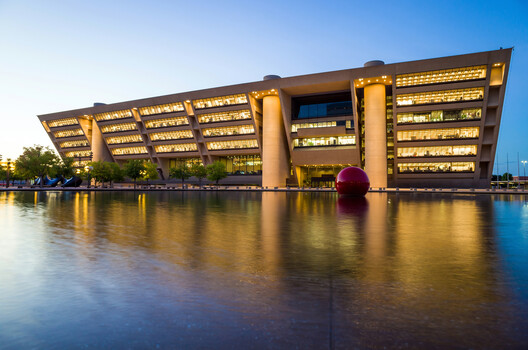
On the occasion of the 250th anniversary of the United States' Declaration of Independence, the World Monuments Fund has announced a new list of ten heritage places representing the country's history. The special initiative, titled "Irreplaceable America," recognizes historic places across the country whose preservation is considered "essential to the richness and complexity of American history," spotlighting urgent preservation needs. From the oldest botanical garden in the country to I.M. Pei's modernist Dallas City Hall, the selected sites bear witness to Indigenous heritage, artistic experimentation, and public health, colonial, and Black history.

Read more »

Cultural Heritage Sites in the Middle East Damaged as War Strikes Historic Urban Areas

Cultural Heritage Sites in the Middle East Damaged as War Strikes Historic Urban Areas

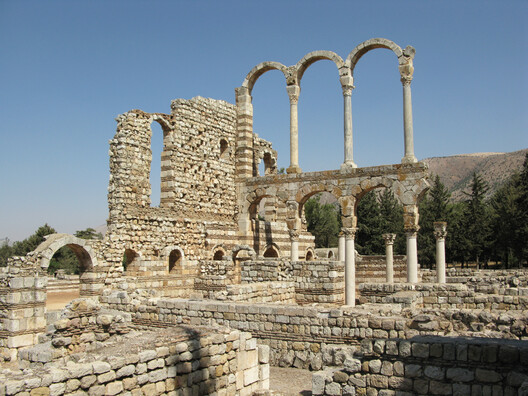
On February 28th, 2026, the news of the loss of human lives, the operational pattern of military strikes, damage to infrastructure, communication disruptions, and international responses following US-Israeli military attacks on Iran confirmed to the world that there was a new focus of war in Southwest Asian territory. This military conflict has also had a human and infrastructural impact on Lebanon, Syria, Iraq, and Jordan, with active combat zones in their territories, and the Gulf States, where damage particularly affected US military bases and energy infrastructure. This adds a new site of armed conflict in the area, following over two years of systematic destruction of life, habitat, and essential facilities in the Gaza Strip, reaching a near total of 81% destroyed structures by the end of 2025. These territories are currently involved in the deliberate destruction of their normality, including essential, everyday, and cultural infrastructure of global value. Although information is currently scattered and partial, it is possible to assess some of the damage to cultural heritage caused by this new outbreak of armed conflict.

Read more »

Heritage Transformations, New Capital Cities, and Residential Innovations: This Week’s Review

Heritage Transformations, New Capital Cities, and Residential Innovations: This Week’s Review

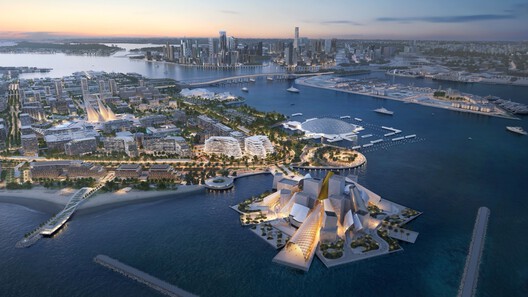
This week's news landscape brought together diverse approaches to built and cultural heritage, ranging from the design of a Museum of Jesus' Baptism at a UNESCO World Heritage Site in Jordan to major transformations of modern industrial sites and the development of major cultural districts. The World Monuments Fund's support for 21 locally led heritage projects foregrounds conservation strategies that reinforce the role of architecture in safeguarding both material and intangible heritage. Across this week's highlighted projects, adaptive reuse, landscape integration, and the reconfiguration of civic space emerge as recurrent strategies for extending the life and relevance of existing built environments. The projects also reflect broader contemporary concerns, including material research in timber construction, zero-waste urban installations, large-scale residential efficiency, and infrastructure upgrades linked to global events like the Olympic Games. Framing these developments within a wider territorial perspective, discussions on relocating capital cities worldwide offer an example of how geopolitical discourses continue to shape architecture, revealing the evolving relationship between the built environment and structures of power over time.

Read more »

World Monuments Fund Backs 21 Locally Led Heritage Projects Addressing Climate Risks and Indigenous Knowledge Loss

World Monuments Fund Backs 21 Locally Led Heritage Projects Addressing Climate Risks and Indigenous Knowledge Loss

World Monuments Fund (WMF) is an independent organization dedicated to safeguarding treasured places around the world that enrich lives and foster mutual understanding across cultures and communities. On February 10, WMF announced a $7 million commitment to support 21 heritage preservation projects launching in 2026. These investments advance work at sites included on the 2025 World Monuments Watch, WMF's nomination-based advocacy program, while also supporting new phases of conservation, planning, and training at additional heritage sites across five continents. The selected sites reflect a wide chronological and geographic range, from ancient cultural landscapes to modern architectural landmarks. The projects highlight the diversity of global heritage, spanning Mughal gardens and Ottoman religious complexes to modernist cinemas, industrial mining landscapes, Indigenous cultural routes, and sacred shrines, and point to the long-term cultural knowledge embedded in its preservation.

Read more »

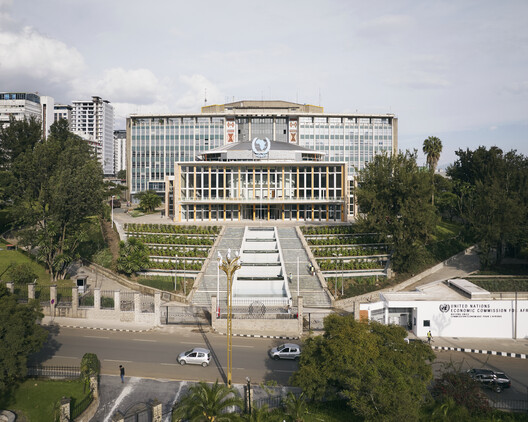
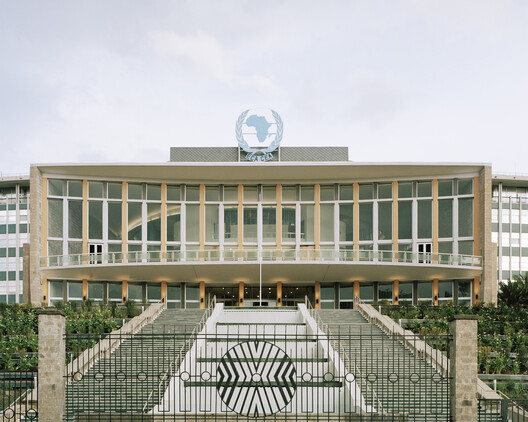
United Nations’ Africa Hall Restoration in Ethiopia Receives 2026 World Monuments Fund/Knoll Modernism Prize

United Nations’ Africa Hall Restoration in Ethiopia Receives 2026 World Monuments Fund/Knoll Modernism Prize

World Monuments Fund (WMF) is an independent organization dedicated to safeguarding significant places that enrich people's lives and foster mutual understanding across cultures and communities. Since 2008, the World Monuments Fund/Knoll Modernism Prize has been a biennial award recognizing outstanding achievements in the conservation of buildings emblematic of the modernist architectural movement. The prize honors individuals and organizations that revitalize modern built heritage through innovative and sensitive architectural interventions.

Read more »

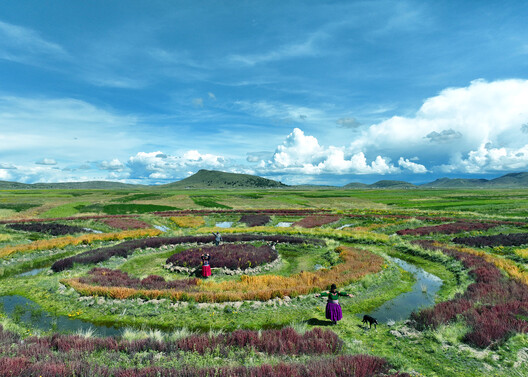
An Ancestral Legacy with Modern Concerns: The Story Behind the Waru Waru Agricultural Fields in Peru

An Ancestral Legacy with Modern Concerns: The Story Behind the Waru Waru Agricultural Fields in Peru

Offering a path toward resilience and food security in the alluvial plains of Lake Titicaca, the Waru Waru agricultural fields are spread across the Peruvian highlands and constitute an ancient agricultural system. Connecting an ancestral legacy with modern concerns about water and food security, climate resilience, and sustainable land management, these agricultural systems open the debate about efficient water management and the importance of agricultural biodiversity. At the same time, they are part of the sense of identity and pride of the local Aymara community, consolidating cultural knowledge that is passed down and preserved across generations.

Read more »

10 Pavilion Highlights from the London Design Biennale 2025

10 Pavilion Highlights from the London Design Biennale 2025

The fifth edition of the London Design Biennale is taking place at Somerset House from 5 to 29 June 2025. The theme of this year's edition is "Surface Reflections," an invitation to explore "the dynamic interplay between internal experience and external influence." The curatorial proposal, set by British artist and designer Samuel Ross, encourages a focus on the underlying layers of the objects, systems, and spaces that shape our daily lives. The Biennale exhibition is a journey through 35 pavilions by countries, institutional design teams, and curators, presenting soundscapes, immersive experiences, and performances, as well as sculptural and evocative objects. To confront contemporary global challenges, topics include identity, memory, innovation, technology, craftsmanship, ecology, and belonging.

Read more »

The Moon, Gaza, and Ukraine Among New Additions to the 2025 Monuments Watch

The Moon, Gaza, and Ukraine Among New Additions to the 2025 Monuments Watch

The World Monuments Fund (WMF) has announced its 2025 World Monuments Watch, highlighting 25 sites facing significant challenges. This biennial program, launched in 1996, aims to raise awareness and mobilize action for the preservation of cultural heritage worldwide. The 2025 list includes diverse locations across five continents and, notably, the Moon, representing the need to protect artifacts from humanity's first lunar missions. The selection process involved over 200 nominations, revealing regional trends such as climate change impacts in Sub-Saharan Africa and urbanization challenges in Asia and the Pacific.

Read more »

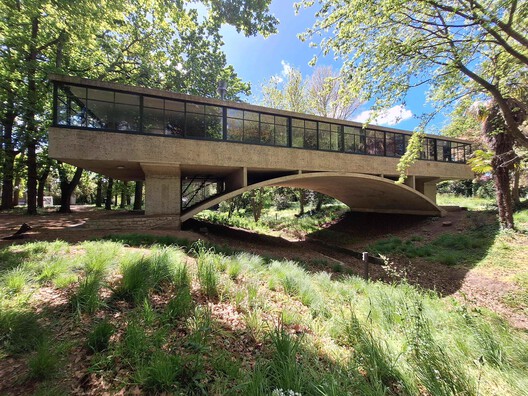
Recently Restored Argentinian Icon La Casa sobre el Arroyo Receives 2024 World Monuments Fund/Knoll Modernism Prize

Recently Restored Argentinian Icon La Casa sobre el Arroyo Receives 2024 World Monuments Fund/Knoll Modernism Prize

The 1940s architectural marvel Casa Sobre el Arroyo has been awarded the 2024 Worlds Monuments Fund/Knoll Modernism Prize for its outstanding restoration. Initially designed in 1943 by architects Amancio Williams and Delfina Galvez Bunge de Williams, this “house on the bridge” symbolizes Argentina’s modernist movement. The project is the first winner of the prestigious Modernism prize in the Global South, now standing as a museum for the protection of Argentina’s modern heritage.

Read more »

Ahmedabad's Iconic Sardar Vallabhbhai Patel Stadium, Designed by Charles Correa, Set to be Demolished

Ahmedabad's Iconic Sardar Vallabhbhai Patel Stadium, Designed by Charles Correa, Set to be Demolished

The Ahmedabad Municipal Corporation (AMC) has just announced its plan to demolish India's Sardar Vallabhbhai Patel (SVP) Stadium. The structure was initially designed by Charles Correa and engineer Mahenda Raj in the 1960s. A testament to “the progressive ideals and experimental spirit that characterized India’s post-independence period,” this iconic modernist structure has hosted ample cultural events for the city.

Read more »

World Monuments Fund Announces Financing for New Projects to Safeguard Endangered Places Worldwide

World Monuments Fund Announces Financing for New Projects to Safeguard Endangered Places Worldwide

The World Monuments Fund (WMF) announced a commitment of more than US$10 million to go towards preservation projects to protect culturally significant places from around the globe in urgent need of intervention. The initiatives vary in scope, from winterization efforts at Ukrainian heritage sites to protecting remote archeological sites representative of Peru’s Chachapoyas Civilization. The suite of projects launching in 2023 aims to address and help mitigate the threats that heritage sites are facing: conflict, climate change, and underrepresentation.

Read more »

6 Months of War in Ukraine: Preservation Initiatives, Temporary Shelters, and Fears of Nuclear Accidents

6 Months of War in Ukraine: Preservation Initiatives, Temporary Shelters, and Fears of Nuclear Accidents

This week marks six months since Russia launched its war and invaded cities in Ukraine, causing detrimental destruction on a local and global scale. Since the beginning of the war, millions of Ukrainians have been internally displaced, losing their homes, businesses, and families. UNESCO has verified damage to 139 sites, including 62 religious sites, 12 museums, 26 historic buildings, 17 buildings dedicated to cultural activities, 15 museums, and seven libraries across Kyiv, Chernihiv, Kharkiv, Zaporizhzhya, Zhytomyr, Donetsk, Lugansk, and Sumy.

Read more »