1. ArchDaily
  2. Venice

Venice: The Latest Architecture and News

The Windows of Venice: How History Inspired Modernity

Subscriber Access | 

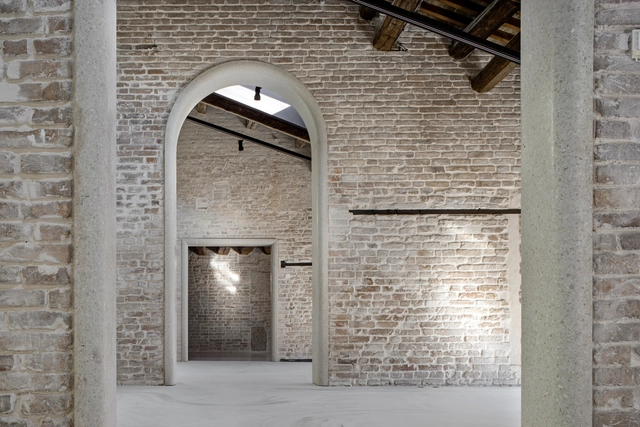
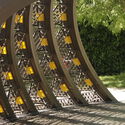
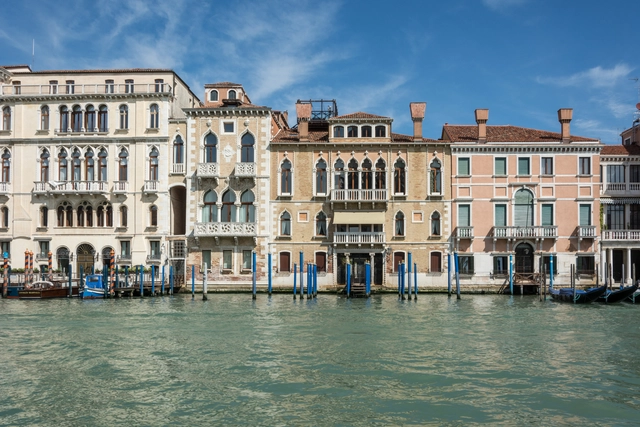
The ancient city of Venice, Italy, home to both the art and architecture editions of the Venice Biennale, is known for its unique geography as an island city of canals. Its naval and mercantile prominence now diminished, the city has found a new purpose as a center of learning, exhibiting, and tourism. However, its urban morphology and, indeed, most of its buildings are historic and have remained largely unchanged for hundreds of years. Their appearance exhibits a specific Venetian vernacular that has stood the test of time and stands as a backdrop for the city's contemporary activities. How do the facades of these buildings, particularly their windows, reflect this history? And how do the few modern buildings in the city, such as the Palazzo Nervi-Scattolin, respond to this weight of history?

The Windows of Venice: How History Inspired Modernity - Image 1 of 4The Windows of Venice: How History Inspired Modernity - Image 2 of 4The Windows of Venice: How History Inspired Modernity - Image 3 of 4The Windows of Venice: How History Inspired Modernity - Image 4 of 4The Windows of Venice: How History Inspired Modernity - More Images+ 30

Do We Still Need Architecture Awards? Highlights from the "Beyond the Prize" Discussion Forum in Venice, Italy

During the opening week of the 19th Venice Architecture Biennale, a consortium of six major architecture awards, including the Aga Khan Award for Architecture, the Holcim Foundation Awards, the EUmies Awards, the Mies Crown Hall Americas Prize, the OBEL Award, and the Ammodo Architecture Award, convened at TBA21–Academy's Ocean Space for a critical discussion titled "Beyond the Prize." This forum aimed to reflect on the role, relevance, and future potential of architecture awards amidst pressing social and environmental challenges. ArchDaily attended the public event and took the opportunity to ask the participants: What would the field of architecture look like if we stopped organizing architecture awards?

Do We Still Need Architecture Awards? Highlights from the "Beyond the Prize" Discussion Forum in Venice, Italy - Image 1 of 4Do We Still Need Architecture Awards? Highlights from the "Beyond the Prize" Discussion Forum in Venice, Italy - Image 2 of 4Do We Still Need Architecture Awards? Highlights from the "Beyond the Prize" Discussion Forum in Venice, Italy - Image 3 of 4Do We Still Need Architecture Awards? Highlights from the "Beyond the Prize" Discussion Forum in Venice, Italy - Image 4 of 4Do We Still Need Architecture Awards? Highlights from the Beyond the Prize Discussion Forum in Venice, Italy - More Images+ 7

The Land Remembers: Lebanon’s Pavilion at the 2025 Venice Biennale Confronts Ecocide Through Architecture

At the 19th International Architecture Exhibition of La Biennale di Venezia in 2025, the Lebanese Pavilion, curated by the Collective for Architecture Lebanon (CAL), presents "The Land Remembers," an exploration of ecocide and environmental healing. Selected by Lebanon's Ministry of Culture and the Lebanese Federation of Engineers, CAL is a non-profit organization co-founded in 2019 by Shereen Doummar, Edouard Souhaid, Elias Tamer, and Lynn Chamoun. Their curatorial vision aims to transform the pavilion into a fictional institution, the Ministry of Land Intelligens, dedicated to confronting environmental devastation and proposing strategies for ecological restoration.

The Land Remembers: Lebanon’s Pavilion at the 2025 Venice Biennale Confronts Ecocide Through Architecture - Image 1 of 4The Land Remembers: Lebanon’s Pavilion at the 2025 Venice Biennale Confronts Ecocide Through Architecture - Image 2 of 4The Land Remembers: Lebanon’s Pavilion at the 2025 Venice Biennale Confronts Ecocide Through Architecture - Image 3 of 4The Land Remembers: Lebanon’s Pavilion at the 2025 Venice Biennale Confronts Ecocide Through Architecture - Image 4 of 4The Land Remembers: Lebanon’s Pavilion at the 2025 Venice Biennale Confronts Ecocide Through Architecture - More Images+ 18

Designing a Living and Dying Structure: Picoplanktonics and the Canadian Pavilion in Venice

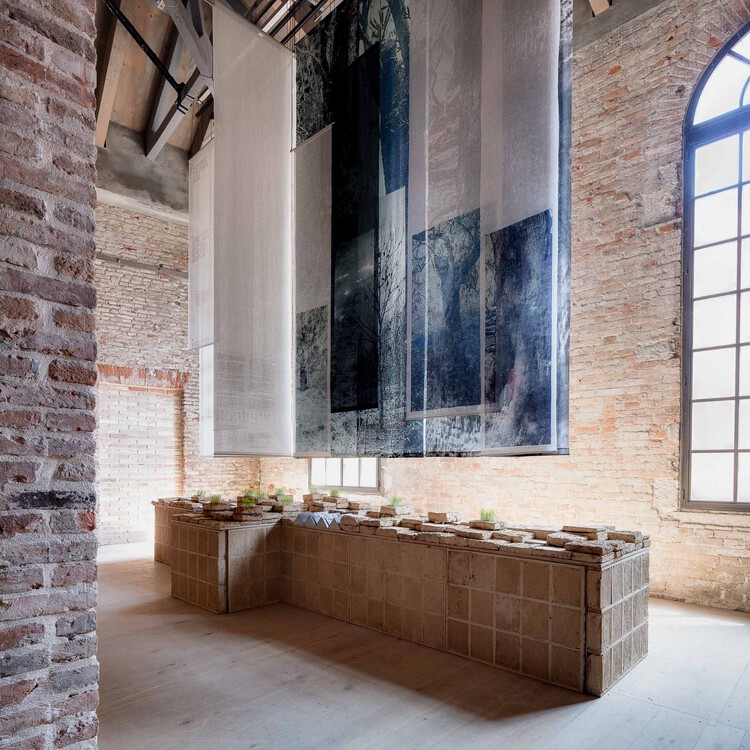
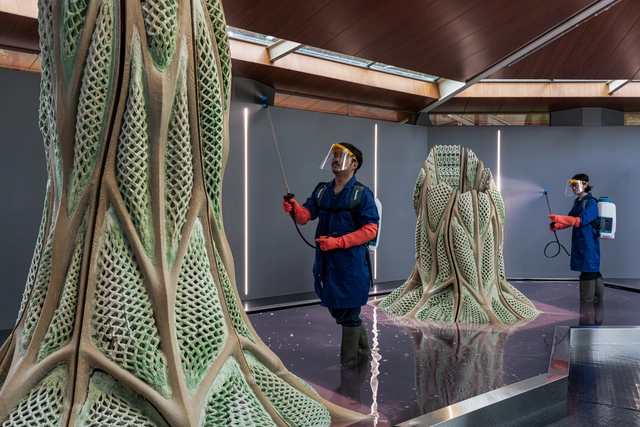
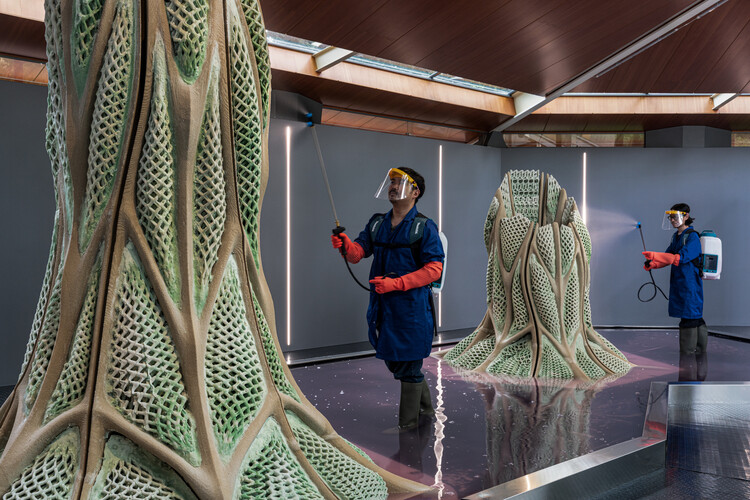
The Canada Pavilion at the 19th International Architecture Exhibition – La Biennale di Venezia, hosted Picoplanktonics. A research that emerged as a radical rethinking of how architecture can become a platform that blends biology, computation, and fabrication to propose an alternative future, one where buildings don't just minimize harm, but actively participate in planetary repair. At its core lies a humble organism: marine cyanobacteria, capable of both capturing carbon and contributing to the material growth of the structure it inhabits. The project has been developed over 5 years by a group of researchers at ETH Zurich, led by Andrea Shin Ling and a group of interdisciplinary contributors and collaborators. Together, they formed the Living Room Collective, founded a year ago to build upon this work and showcase it at the Venice Biennale. The Core team members include Nicholas Hoban, Vincent Hui, and Clayton Lee. This conversation with the team behind the project shares the philosophy, technical challenges, and speculative horizons that animated their work from printing living sand lattices to maintaining microbial life in a public exhibition. Their aim is to inspire people to reconsider architecture not as a static object, but as a living, evolving process. One that requires care, patience, and a radical shift in mindset.

Designing a Living and Dying Structure: Picoplanktonics and the Canadian Pavilion in Venice - Image 4 of 4Designing a Living and Dying Structure: Picoplanktonics and the Canadian Pavilion in Venice - Image 6 of 4Designing a Living and Dying Structure: Picoplanktonics and the Canadian Pavilion in Venice - Image 1 of 4Designing a Living and Dying Structure: Picoplanktonics and the Canadian Pavilion in Venice - Image 5 of 4Designing a Living and Dying Structure: Picoplanktonics and the Canadian Pavilion in Venice - More Images+ 6

Serbia’s Wool Installation Explores Circular Design at Venice Architecture Biennale 2025

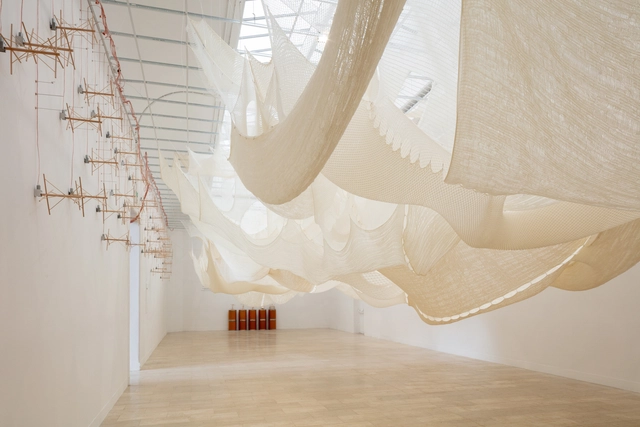
The Serbian Pavilion at the 19th Venice Architecture Biennale consists of an immersive installation made of wool. The exhibition, titled Unraveling: New Spaces, was curated by architect Slobodan Jović and designed by an interdisciplinary team composed of Davor Ereš, Jelena Mitrović, Igor Pantić, Sonja Krstić, Ivana Najdanović, and Petar Laušević. The interior space of the Pavilion, located in the Biennale's Giardini, is occupied by an ephemeral installation that follows the principles of circular design, effectively producing no waste. The installation consists of a broad woven wool fabric that gradually unknits according to a guided choreography of algorithmic precision, completely disassembling by the end of the Biennale's exhibition.

Serbia’s Wool Installation Explores Circular Design at Venice Architecture Biennale 2025 - Image 1 of 4Serbia’s Wool Installation Explores Circular Design at Venice Architecture Biennale 2025 - Image 2 of 4Serbia’s Wool Installation Explores Circular Design at Venice Architecture Biennale 2025 - Image 3 of 4Serbia’s Wool Installation Explores Circular Design at Venice Architecture Biennale 2025 - Image 4 of 4Serbia’s Wool Installation Explores Circular Design at Venice Architecture Biennale 2025 - More Images+ 64

AD Classics: Finnish Pavilion at the Venice Biennale / Alvar Aalto + Elissa Aalto

Venice, Italy

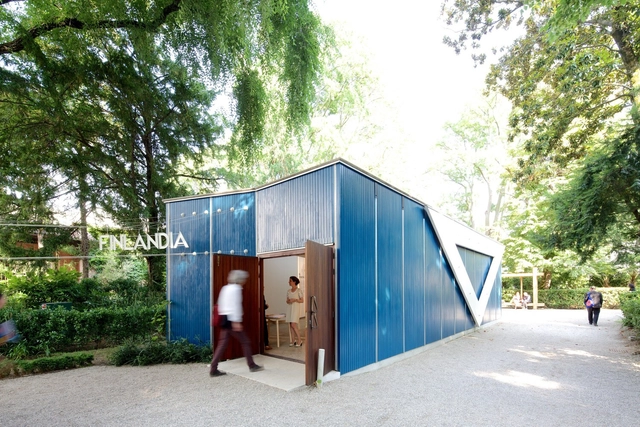
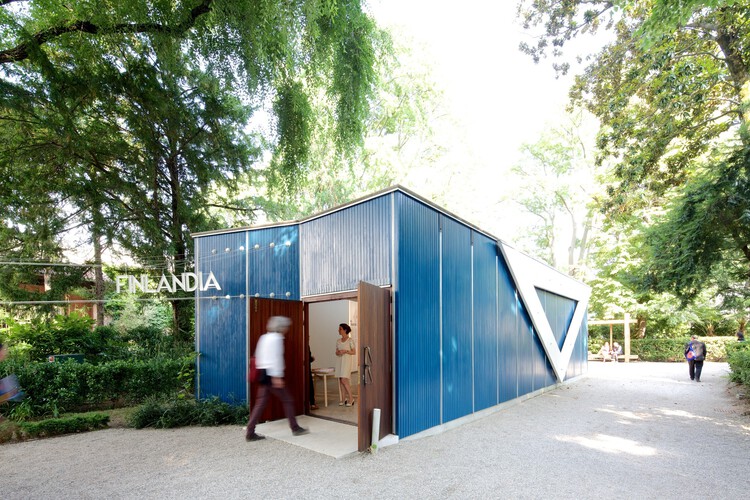
Tucked within the leafy confines of the Giardini della Biennale in Venice stands a structure modest in scale yet immense in quiet conviction: the Finland Pavilion, designed by Alvar and Elissa Aalto for the 1956 Venice Biennale. Unlike the monumental pavilions that surround it, Aalto's structure was conceived not as a permanent structure, but as a temporary exhibition space for a single exhibition season. And yet, nearly seventy years on, it remains—weathered, resilient, and quietly luminous.

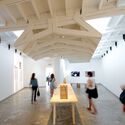
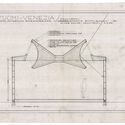
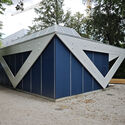
AD Classics: Finnish Pavilion at the Venice Biennale / Alvar Aalto + Elissa Aalto - Interior PhotographyAD Classics: Finnish Pavilion at the Venice Biennale / Alvar Aalto + Elissa Aalto - Image 2 of 5AD Classics: Finnish Pavilion at the Venice Biennale / Alvar Aalto + Elissa Aalto - Image 3 of 5AD Classics: Finnish Pavilion at the Venice Biennale / Alvar Aalto + Elissa Aalto - Exterior PhotographyAD Classics: Finnish Pavilion at the Venice Biennale / Alvar Aalto + Elissa Aalto - More Images+ 21

The Holy See Pavilion Presents a Living Practice of Restoration at the Venice Architecture Biennale 2025

At the 19th International Architecture Exhibition, La Biennale di Venezia, the Dicastery for Culture and Education presents "Opera Aperta", a project that positions architecture as a practice of collective care and responsibility. Curated by Marina Otero Verzier and Giovanna Zabotti, Opera Aperta is set within the Santa Maria Ausiliatrice Complex in Venice's Castello district. Designed by Tatiana Bilbao ESTUDIO and MAIO Architects, the project transforms the 500-square-meter site into a space for collaborative restoration and public engagement. Conceived as a work in progress rather than a finished installation, Opera Aperta functions as a platform for ongoing exchange, participation, and engagement rooted in the local context. This open and process-oriented approach was recognized during the opening events, where the Holy See Pavilion received the Golden Lion's Special Mention for National Participation.

The Holy See Pavilion Presents a Living Practice of Restoration at the Venice Architecture Biennale 2025 - Image 1 of 4The Holy See Pavilion Presents a Living Practice of Restoration at the Venice Architecture Biennale 2025 - Image 2 of 4The Holy See Pavilion Presents a Living Practice of Restoration at the Venice Architecture Biennale 2025 - Image 3 of 4The Holy See Pavilion Presents a Living Practice of Restoration at the Venice Architecture Biennale 2025 - Image 4 of 4The Holy See Pavilion Presents a Living Practice of Restoration at the Venice Architecture Biennale 2025 - More Images+ 6

From Root to Roof: In Venice, ArchDaily Highlights Restorative Emerging Practices

In partnership with the European Cultural Center (ECC), ArchDaily has launched its inaugural exhibition as part of the seventh iteration of Time Space Existence, an architectural showcase occurring concurrently with the 19th Venice Architecture Biennale. Open from May 10 to November 23, 2025, in various locations throughout Venice, this edition centers on the theme of "Repair, Regenerate, and Reuse," promoting innovative and sustainable approaches in architecture. ArchDaily's contribution is located at Palazzo Mora, complementing other venues like Palazzo Bembo, Marinaressa Gardens, and Palazzo Michiel.

From Root to Roof: In Venice, ArchDaily Highlights Restorative Emerging Practices - Image 1 of 4From Root to Roof: In Venice, ArchDaily Highlights Restorative Emerging Practices - Image 2 of 4From Root to Roof: In Venice, ArchDaily Highlights Restorative Emerging Practices - Image 3 of 4From Root to Roof: In Venice, ArchDaily Highlights Restorative Emerging Practices - Image 4 of 4From Root to Roof: In Venice, ArchDaily Highlights Restorative Emerging Practices - More Images+ 17

Vietnamese Architect Trần Thị Ngụ Ngôn Wins the 2025 Diversity in Architecture-DIVIA Award

The Diversity in Architecture (DIVIA) Award 2025 has been awarded to Vietnamese architect Trần Thị Ngụ Ngôn, founder of Tropical Space, in a ceremony held on 10 May 2025 at the European Cultural Centre, in Palazzo Mora in Venice. The award includes international recognition and a €10,000 prize, honoring women architects whose work contributes to cultural diversity and inclusion in architecture. This year's edition featured five other finalists: Carolina Rodas and Carla Chávez from Ecuador, Izaskun Chinchilla from Spain, Cazú Zegers from Chile, Patcharada Inplang from Thailand, and Surella Segú from Mexico, all of whom were presented as part of the Time Space Existence exhibition organized by the ECC.

Vietnamese Architect Trần Thị Ngụ Ngôn Wins the 2025 Diversity in Architecture-DIVIA Award - Image 1 of 4Vietnamese Architect Trần Thị Ngụ Ngôn Wins the 2025 Diversity in Architecture-DIVIA Award - Image 2 of 4Vietnamese Architect Trần Thị Ngụ Ngôn Wins the 2025 Diversity in Architecture-DIVIA Award - Image 3 of 4Vietnamese Architect Trần Thị Ngụ Ngôn Wins the 2025 Diversity in Architecture-DIVIA Award - Image 4 of 4Vietnamese Architect Trần Thị Ngụ Ngôn Wins the 2025 Diversity in Architecture-DIVIA Award - More Images+ 23

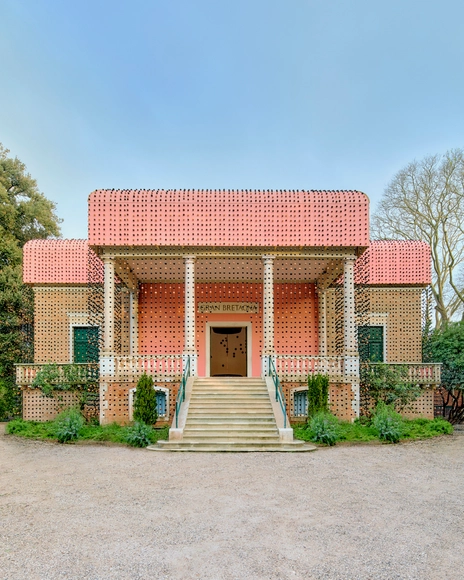
“A Site of Destruction, a Site of Opportunity”: In Conversation With Kabage Karanja and Kathryn Yusoff, Curators of the British Pavilion

Kabage Karanja, co-founder and director of Cave_bureau based in Nairobi, Kenya, and Kathyrn Yusoff, professor of Inhuman Geography at the University of London, are the curators of the British Pavilion at the 19th Venice Architecture Biennale. Together, they form the UK-Kenya curatorial team behind GBR – Geology of Britannic Repair, an exhibition that rethinks the Pavilion as both a symbolic and material site. Their approach reflects on Britain's architectural legacy and its entanglement with histories of colonialism, geological extraction, and the urgency of the climate crisis. In recognition of their exploration of the relationship between Great Britain and Kenya, focusing on themes of reparation and renewal, the Pavilion curators and commissioner were awarded a Special Mention for National Participation by the Biennale jury. While on site in Venice, ArchDaily's editors had a chance to discuss with the curators about the ideas that shaped the British Pavilion.

“A Site of Destruction, a Site of Opportunity”: In Conversation With Kabage Karanja and Kathryn Yusoff, Curators of the British Pavilion - Image 1 of 4“A Site of Destruction, a Site of Opportunity”: In Conversation With Kabage Karanja and Kathryn Yusoff, Curators of the British Pavilion - Image 2 of 4“A Site of Destruction, a Site of Opportunity”: In Conversation With Kabage Karanja and Kathryn Yusoff, Curators of the British Pavilion - Image 3 of 4“A Site of Destruction, a Site of Opportunity”: In Conversation With Kabage Karanja and Kathryn Yusoff, Curators of the British Pavilion - Image 4 of 4“A Site of Destruction, a Site of Opportunity”: In Conversation With Kabage Karanja and Kathryn Yusoff, Curators of the British Pavilion - More Images+ 3

Architecture Details 101 in Venice: Carlo Scarpa and David Chipperfield in Dialogue Across Time

In Venice, surrounded by an overwhelming abundance of architectural beauty—the grandeur of landmarks like the Basilica di San Marco, St. Mark's Square, and the Rialto Bridge, to name just a few—it is easy to become swept up in the iconic imagery and spatial majesty of the city. One could lose sight of the quieter, yet equally masterful, moments found in the execution of details across its built fabric. Beyond the grandeur, the city offers a richness in its winding alleyways, narrow canals, and vibrant street life—each contributing to the cultural tapestry that makes Venice so unique. Amidst these celebrated elements, however, lie subtle but remarkable architectural details that often go unnoticed. These deserve closer observation and reflection, as they offer their own kind of mastery—one grounded in material precision, craft, and the lived rhythms of the city.

Just steps away from the iconic Piazza San Marco, a quiet architectural dialogue unfolds between two celebrated figures. Within a one-minute walk, two projects—each meticulously crafted—sit in close proximity: the Olivetti Showroom by Carlo Scarpa, a long-revered pilgrimage site for architects and designers, and the recently reopened Procuratie Vecchie, restored by David Chipperfield Architects. A closer look at the architectural details embedded within each work reveals a compelling exchange across time—one that unfolds through material language, spatial precision, and an unwavering commitment to craft.

Architecture Details 101 in Venice: Carlo Scarpa and David Chipperfield in Dialogue Across Time - Image 1 of 4Architecture Details 101 in Venice: Carlo Scarpa and David Chipperfield in Dialogue Across Time - Image 2 of 4Architecture Details 101 in Venice: Carlo Scarpa and David Chipperfield in Dialogue Across Time - Image 3 of 4Architecture Details 101 in Venice: Carlo Scarpa and David Chipperfield in Dialogue Across Time - Image 4 of 4Architecture Details 101 in Venice: Carlo Scarpa and David Chipperfield in Dialogue Across Time - More Images+ 11

Between Housing Demand and Environmental Goals: Alejandro Aravena on Incremental Solutions and Net-Zero Concrete

During the Time Space Existence exhibition, organized by the European Cultural Centre in Venice, Pritzker Prize-winning architect Alejandro Aravena and his firm ELEMENTAL unveiled a full-scale prototype for a new approach in incremental housing solutions. Titled the USB Core, standing for Basic Services Unit housing prototype, this proposal aims to demonstrate how efficient construction can provide all the essential housing components in a minimal space. The prototype is also the result of a collaboration between the architecture office and concrete manufacturer and researcher Holcim, and is built out of a newly developed type of net-zero concrete mix. It also incorporates fully recycled aggregates, in alignment with circular economy principles. The collaboration aims to demonstrate a more environmentally conscious yet cost-effective way of providing essential services to at-risk communities without harming the planet.

While on site in Venice, ArchDaily's managing editor Maria-Cristina Florian had the chance to sit down with Alejandro Aravena and discuss the implications of this collaboration, the urgent need for housing, and the role of the architect as the coordinator of a process involving many actors.

Between Housing Demand and Environmental Goals: Alejandro Aravena on Incremental Solutions and Net-Zero Concrete - Image 1 of 4Between Housing Demand and Environmental Goals: Alejandro Aravena on Incremental Solutions and Net-Zero Concrete - Image 2 of 4Between Housing Demand and Environmental Goals: Alejandro Aravena on Incremental Solutions and Net-Zero Concrete - Image 3 of 4Between Housing Demand and Environmental Goals: Alejandro Aravena on Incremental Solutions and Net-Zero Concrete - Image 4 of 4Between Housing Demand and Environmental Goals: Alejandro Aravena on Incremental Solutions and Net-Zero Concrete - More Images+ 29

Slovenian Pavilion Highlights the Relationship Between Architect, Craftsman, and Architecture at the Venice Architecture Biennale 2025

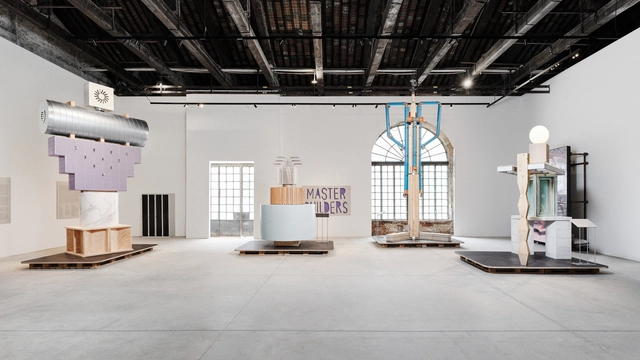
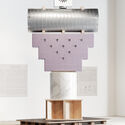
The Slovenian Pavilion at the 19th International Architecture Exhibition – La Biennale di Venezia presents Master Builders, a project curated by Ana Kosi and Ognen Arsov and organized by the Museum of Architecture and Design (MAO). The project addresses the evolution of construction technology, encompassing robotics, prefabrication, artificial intelligence, 3D printing, and other emerging tools, while drawing attention to a notable paradox within this technological shift, and also emphasizing that the quality of the built environment continues to rely heavily on the tacit knowledge of skilled craftsmen. By constructing a series of totems, the project examines the collaborative dynamics between architect and craftsman, revealing how this relationship shapes the material realization of architecture.

Slovenian Pavilion Highlights the Relationship Between Architect, Craftsman, and Architecture at the Venice Architecture Biennale 2025 - Image 1 of 4Slovenian Pavilion Highlights the Relationship Between Architect, Craftsman, and Architecture at the Venice Architecture Biennale 2025 - Image 2 of 4Slovenian Pavilion Highlights the Relationship Between Architect, Craftsman, and Architecture at the Venice Architecture Biennale 2025 - Image 3 of 4Slovenian Pavilion Highlights the Relationship Between Architect, Craftsman, and Architecture at the Venice Architecture Biennale 2025 - Image 4 of 4Slovenian Pavilion Highlights the Relationship Between Architect, Craftsman, and Architecture at the Venice Architecture Biennale 2025 - More Images+ 8

Geology of Britannic Repair: UK Pavilion Explores Reparation and Renewal at Venice Architecture Biennale 2025

The British Pavilion, commissioned by The British Council, features the exhibition title GBR – Geology of Britannic Repair to represent the United Kingdom at the 19th International Architecture Exhibition – La Biennale di Venezia 2025. The exhibition is a collaboration between a multi-disciplinary team of curators, Kabage Karanja and Stella Mutegi of Nairobi-based architecture studio Cave_bureau, UK-based curator and writer Owen Hopkins, and academic Professor Kathryn Yusoff. The Pavilion curators and commissioner have been awarded a Special Mention for National Participation by the jury in recognition of their exploration of the relationship between Great Britain and Kenya, focusing on themes of reparation and renewal.

Geology of Britannic Repair: UK Pavilion Explores Reparation and Renewal at Venice Architecture Biennale 2025 - Image 1 of 4Geology of Britannic Repair: UK Pavilion Explores Reparation and Renewal at Venice Architecture Biennale 2025 - Image 2 of 4Geology of Britannic Repair: UK Pavilion Explores Reparation and Renewal at Venice Architecture Biennale 2025 - Image 3 of 4Geology of Britannic Repair: UK Pavilion Explores Reparation and Renewal at Venice Architecture Biennale 2025 - Image 4 of 4Geology of Britannic Repair: UK Pavilion Explores Reparation and Renewal at Venice Architecture Biennale 2025 - More Images+ 13

Portugal Pavilion at the 2025 Venice Architecture Biennale Presents an Immersive Allegory of Paradise

Titled Paraíso, hoje. [Paradise, today.], the exhibition representing Portugal at the 19th International Architecture Exhibition – La Biennale di Venezia addresses architecture as a cultural construction of landscape. Curated by architects Paula Melâneo, Pedro Bandeira, and Luca Martinucci, landscape architect Catarina Raposo, and video artist Nuno Cera, it offers an immersive installation featuring videos created using new digital technologies and artificial intelligence, along with an Atlas of images. Together, they construct a critical exploration of the proposed theme, the allegory of a "Paradise." This year, the Portuguese exhibition changed location, moving from Palazzo Franchetti to the Fondaco Marcello building, next to Venice's Grand Canal. It will remain open to visitors and host a series of debates until 23 November 2025.

Portugal Pavilion at the 2025 Venice Architecture Biennale Presents an Immersive Allegory of Paradise - Image 1 of 4Portugal Pavilion at the 2025 Venice Architecture Biennale Presents an Immersive Allegory of Paradise - Image 2 of 4Portugal Pavilion at the 2025 Venice Architecture Biennale Presents an Immersive Allegory of Paradise - Image 3 of 4Portugal Pavilion at the 2025 Venice Architecture Biennale Presents an Immersive Allegory of Paradise - Image 4 of 4Portugal Pavilion at the 2025 Venice Architecture Biennale Presents an Immersive Allegory of Paradise - More Images+ 50

“Architecture is Survival”: In Conversation with Curator Carlo Ratti at the 2025 Venice Architecture Biennale

The 2025 Venice Architecture Biennale, titled Intelligens. Natural. Artificial. Collective. and curated by Carlo Ratti, has just opened for previews. Following the public opening on Saturday, May 10, the exhibition will run through November 23, 2025. While on site in Venice, ArchDaily had the chance to meet with the curator Carlo Ratti to discuss the first impressions and the main themes of this edition of the Biennale. Featuring 65 national pavilions, 11 collateral events, and over 300 contributions from more than 700 participants, the 2025 Venice Architecture Biennale is set to be the largest in the Biennale's history.

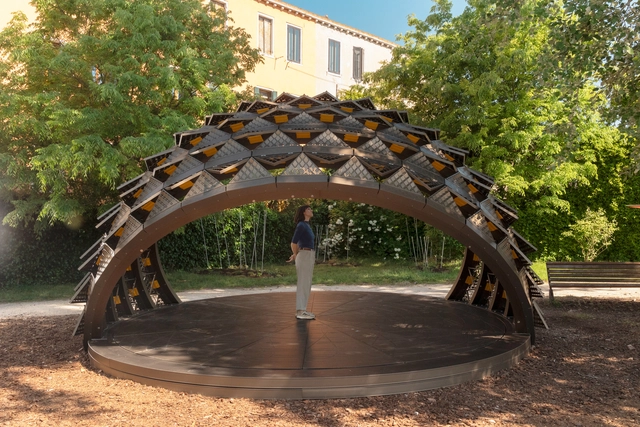
SOMBRA Pavilion / MVRDV

SOMBRA Pavilion / MVRDV - Exterior Photography, SustainabilitySOMBRA Pavilion / MVRDV - SustainabilitySOMBRA Pavilion / MVRDV - SustainabilitySOMBRA Pavilion / MVRDV - SustainabilitySOMBRA Pavilion / MVRDV - More Images+ 14

The 2025 Venice Architecture Biennale Opens on Saturday, May 10th

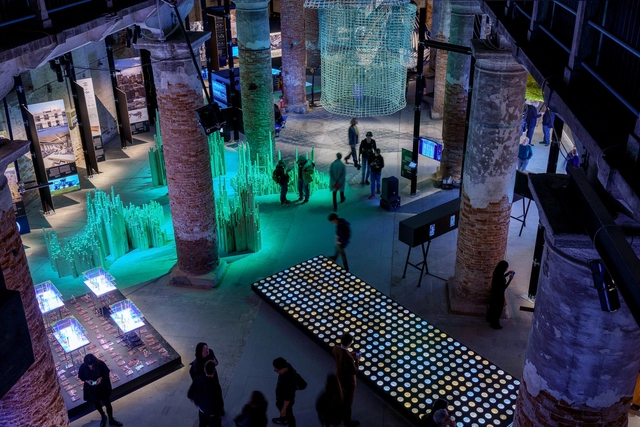
The 19th edition of one of the world's most renowned architectural events opens to the public this week. The 2025 Venice Architecture Biennale, titled Intelligens. Natural. Artificial. Collective. and curated by Carlo Ratti, will run from Saturday, May 10, to Sunday, November 23, 2025. This year's edition stands out for both its scale and its expanded range of venues, partly due to the ongoing renovation of traditional sites such as the Central Pavilion in the Giardini. The event is set to transform Venice into what the curator describes as "a living laboratory."

The inauguration ceremony, to be held on May 10, will also feature the announcement of the official awards by the International Jury, chaired by Hans Ulrich Obrist and composed of Paola Antonelli and Mpho Matsipa. On this occasion, the Golden Lion for Lifetime Achievement will be presented to philosopher Donna Haraway, while the Special Golden Lion in Memoriam will honor the late architect Italo Rota. Alongside the international exhibition, national participations and a broad range of special events will explore the Biennale's invitation, making this one of the most extensive architecture exhibitions in the Biennale's history.

The 2025 Venice Architecture Biennale Opens on Saturday, May 10th - Image 1 of 4The 2025 Venice Architecture Biennale Opens on Saturday, May 10th - Image 2 of 4The 2025 Venice Architecture Biennale Opens on Saturday, May 10th - Image 3 of 4The 2025 Venice Architecture Biennale Opens on Saturday, May 10th - Image 4 of 4The 2025 Venice Architecture Biennale Opens on Saturday, May 10th - More Images+ 12