1. ArchDaily
  2. Venice

Venice: The Latest Architecture and News

Kosovo Pavilion at the Venice Architecture Biennale Explores Shifting Agricultural Landscapes Through Soil and Scent

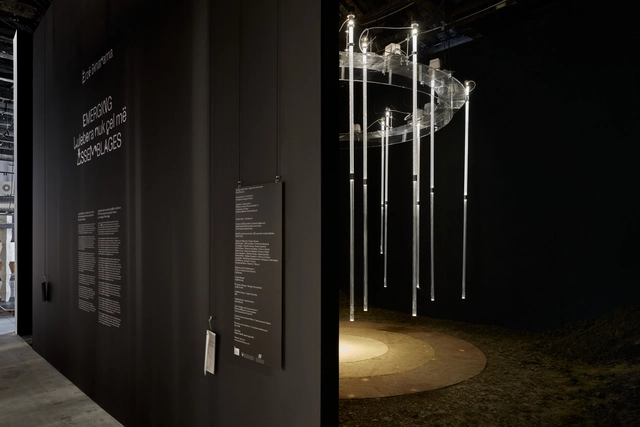
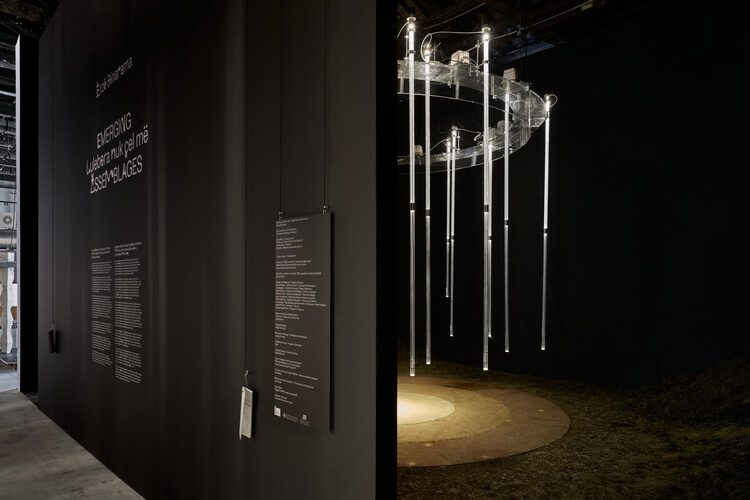
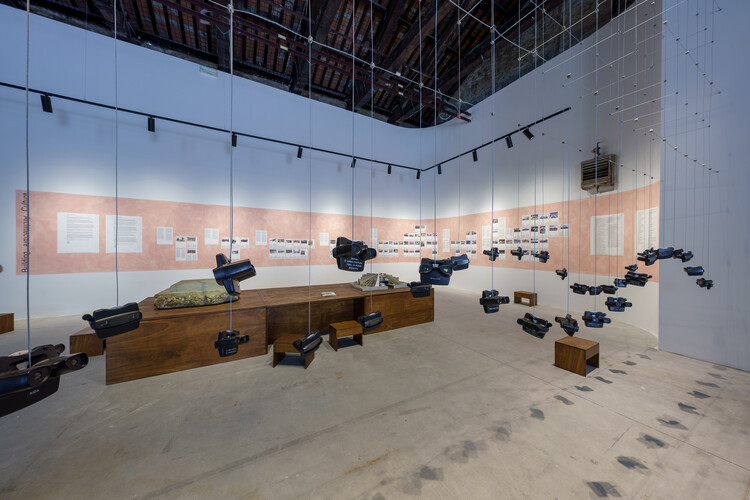
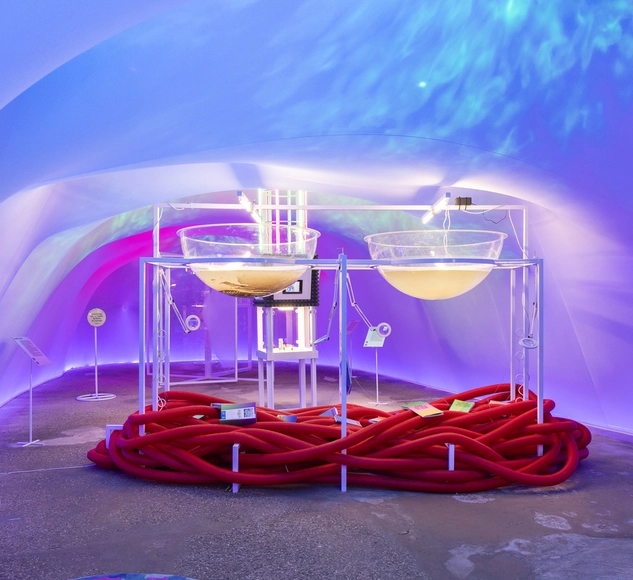
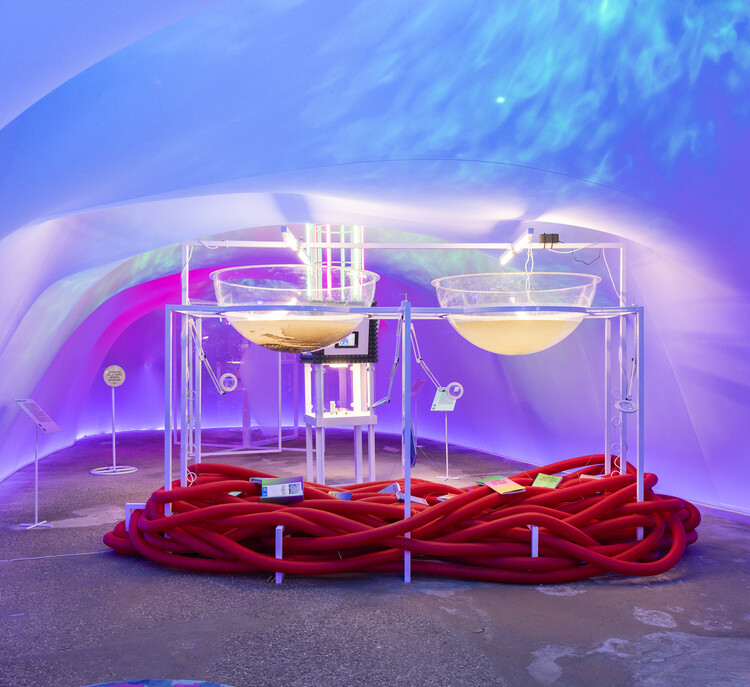
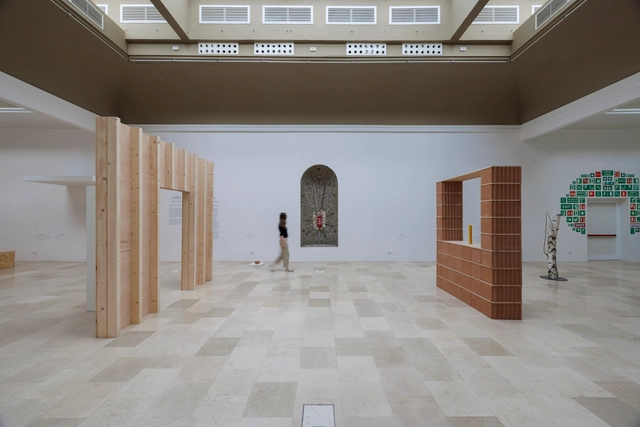
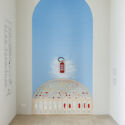
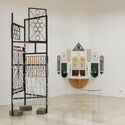
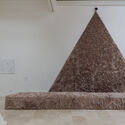
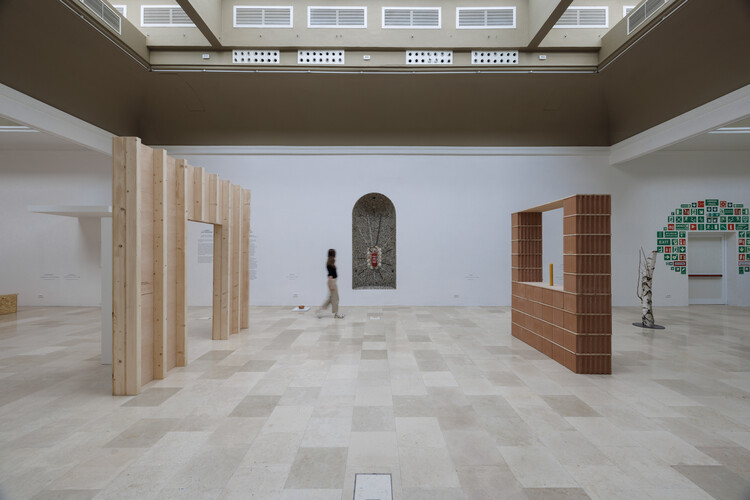
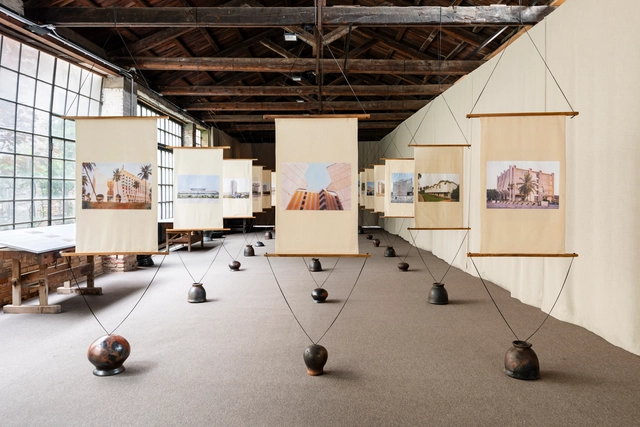
The Republic of Kosovo brings this year to the 19th Venice Architecture Biennale an exhibition titled Lulebora nuk çel më. Emerging Assemblages. The exhibit was commissioned by the National Gallery of Kosovo and curated by the architect, interdisciplinary designer, and researcher Erzë Dinarama. Reflecting on the country's shifting agricultural landscapes in the context of ecological uprooting and embodied knowledge systems under climate pressure, the installation offers a sensorial exploration of Kosovan fieldwork. Combining a range of local soil materials with a hanging olfactory calendar, the Pavilion invites visitors to imagine through touch and smell.

Kosovo Pavilion at the Venice Architecture Biennale Explores Shifting Agricultural Landscapes Through Soil and Scent - Featured ImageKosovo Pavilion at the Venice Architecture Biennale Explores Shifting Agricultural Landscapes Through Soil and Scent - Image 1 of 4Kosovo Pavilion at the Venice Architecture Biennale Explores Shifting Agricultural Landscapes Through Soil and Scent - Image 2 of 4Kosovo Pavilion at the Venice Architecture Biennale Explores Shifting Agricultural Landscapes Through Soil and Scent - Image 3 of 4Kosovo Pavilion at the Venice Architecture Biennale Explores Shifting Agricultural Landscapes Through Soil and Scent - More Images+ 14

Albania Pavilion Explores the Intersections of Architecture, History, and Identity at the 2025 Venice Biennale

Curated by Anneke Abhelakh, the Albania Pavilion at the 2025 Venice Architecture Biennale, titled "Building Architecture Culture", explores how the country's architecture embodies its political, cultural, and social transformations. Albania's built environment reflects a layered history, from Ottoman and Italian rule to communist isolation and post-socialist transformation, each leaving visible marks on its cities and public spaces. The pavilion examines how architecture both responds to and shapes collective memory, public space, and civic engagement, framing these questions through past, present, and future perspectives.

Albania Pavilion Explores the Intersections of Architecture, History, and Identity at the 2025 Venice Biennale - Image 1 of 4Albania Pavilion Explores the Intersections of Architecture, History, and Identity at the 2025 Venice Biennale - Image 2 of 4Albania Pavilion Explores the Intersections of Architecture, History, and Identity at the 2025 Venice Biennale - Image 3 of 4Albania Pavilion Explores the Intersections of Architecture, History, and Identity at the 2025 Venice Biennale - Image 4 of 4Albania Pavilion Explores the Intersections of Architecture, History, and Identity at the 2025 Venice Biennale - More Images+ 25

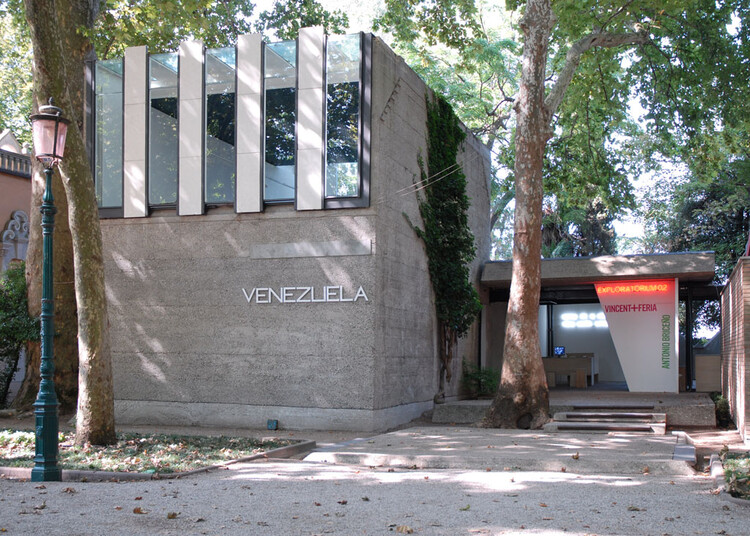
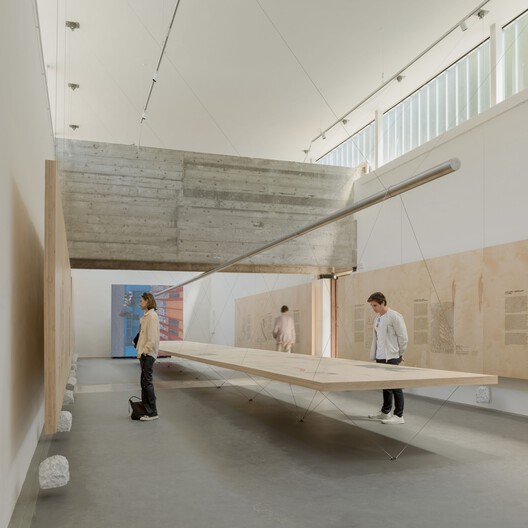
From Little Venice to Venice: The Narrative of Carlo Scarpa’s Venezuela Pavilion

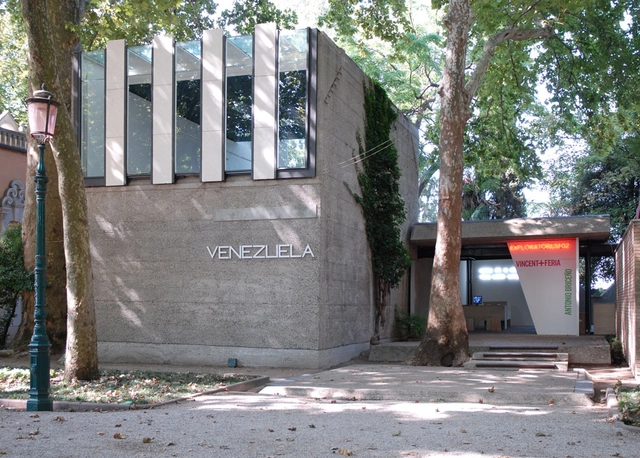
Nestled amongst the plethora of grandiose and carefully crafted national pavilions in the Giardini della Biennale in the Italian city of Venice is one pavilion by the city's perhaps most well-known modern architect. Sited between the pavilions of Russia and Switzerland is the Venezuela Pavilion, by architect Carlo Scarpa. In many ways, the structure typifies the design approach of its architect but has its idiosyncrasies. Built for Europe's most important biennial art exhibition, it is a member of a cohort of Modernist pavilions that came after the earlier, more classicist pavilions. This is its story.

From Little Venice to Venice: The Narrative of Carlo Scarpa’s Venezuela Pavilion - Image 1 of 4From Little Venice to Venice: The Narrative of Carlo Scarpa’s Venezuela Pavilion - Image 2 of 4From Little Venice to Venice: The Narrative of Carlo Scarpa’s Venezuela Pavilion - Image 3 of 4From Little Venice to Venice: The Narrative of Carlo Scarpa’s Venezuela Pavilion - Image 4 of 4From Little Venice to Venice: The Narrative of Carlo Scarpa’s Venezuela Pavilion - More Images+ 20

(RE)INVENTION: Brazil Pavilion at the Venice Architecture Biennale / Plano Coletivo

(RE)INVENTION: Brazil Pavilion at the Venice Architecture Biennale / Plano Coletivo - Interior Photography, Installation, Bench
© Federico Cairoli

(RE)INVENTION: Brazil Pavilion at the Venice Architecture Biennale / Plano Coletivo - Interior Photography, Installation, Bench(RE)INVENTION: Brazil Pavilion at the Venice Architecture Biennale / Plano Coletivo - Installation(RE)INVENTION: Brazil Pavilion at the Venice Architecture Biennale / Plano Coletivo - Interior Photography, Installation, Kitchen(RE)INVENTION: Brazil Pavilion at the Venice Architecture Biennale / Plano Coletivo - Interior Photography, Installation(RE)INVENTION: Brazil Pavilion at the Venice Architecture Biennale / Plano Coletivo - More Images+ 26

  • Architects: Plano Coletivo
  • Area Area of this architecture project Area:  140
  • Year Completion year of this architecture project Year:  2025

"Can We Think of a Building as a Microclimate?": In Conversation With Bas Smets and Dennis Pohl About the Belgian Pavilion in Venice

The Belgian Pavilion at the Venice Architecture Biennale 2025 presents a prototype that integrates landscape architecture into architectural interiors. Designed by Bas Smets in collaboration with Stefano Mancuso, the exhibition transforms the pavilion into a microclimate modeled after the understory of a subtropical forest, creating an indoor jungle that actively regulates temperature and humidity. The curatorial concept, supported by the Flanders Architecture Institute and its director, Dennis Pohl, promotes landscape thinking as an active design force rather than exterior decoration. In this video interview from Venice, Bas Smets and Dennis Pohl explain to ArchDaily editors how the project positions architecture as a platform for climate resilience and proposes a shift in design paradigms, from static images to evolving, living processes.

"Can We Think of a Building as a Microclimate?": In Conversation With Bas Smets and Dennis Pohl About the Belgian Pavilion in Venice - Image 1 of 4"Can We Think of a Building as a Microclimate?": In Conversation With Bas Smets and Dennis Pohl About the Belgian Pavilion in Venice - Image 2 of 4"Can We Think of a Building as a Microclimate?": In Conversation With Bas Smets and Dennis Pohl About the Belgian Pavilion in Venice - Image 3 of 4"Can We Think of a Building as a Microclimate?": In Conversation With Bas Smets and Dennis Pohl About the Belgian Pavilion in Venice - Image 4 of 4Can We Think of a Building as a Microclimate?: In Conversation With Bas Smets and Dennis Pohl About the Belgian Pavilion in Venice - More Images+ 3

The Ukrainian Pavilion at the Venice Biennale Presents a Parallel Between Vernacular and Emergency Architecture

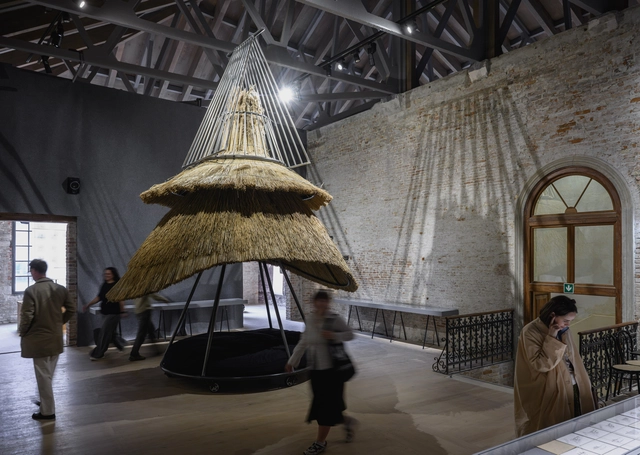
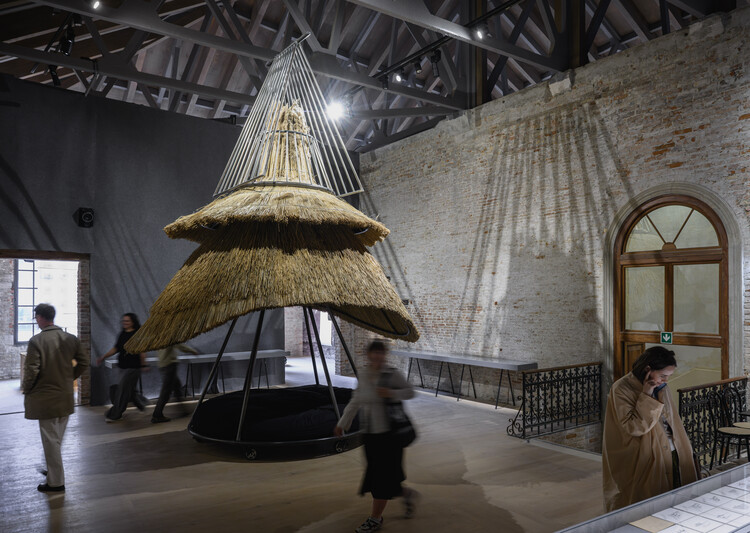
The Ukrainian pavilion at the 19th International Architecture Exhibition – La Biennale di Venezia explores the intersection of traditional building methods and improvised construction during wartime crises. Under the title "DAKH (ДАХ): Vernacular Hardcore", the exhibition refers to the concept of the roof ("dakh" in Ukrainian) as a primary shelter in architecture, examining the roofs of an "architecture without architects" both in the country's constructive tradition and in the contemporary reality of aerial vigilance over its national territory. Curated by Bögdana Kosmina, Michał Murawski, and Kateryna Rusetska, the Ukrainian display consists of a six-element exhibition at the Arsenale's Sale d'Armi and an accompanying nomadic program titled Planetary Hardcore.

The Ukrainian Pavilion at the Venice Biennale Presents a Parallel Between Vernacular and Emergency Architecture - Image 1 of 4The Ukrainian Pavilion at the Venice Biennale Presents a Parallel Between Vernacular and Emergency Architecture - Image 2 of 4The Ukrainian Pavilion at the Venice Biennale Presents a Parallel Between Vernacular and Emergency Architecture - Image 3 of 4The Ukrainian Pavilion at the Venice Biennale Presents a Parallel Between Vernacular and Emergency Architecture - Image 4 of 4The Ukrainian Pavilion at the Venice Biennale Presents a Parallel Between Vernacular and Emergency Architecture - More Images+ 29

Architectural Acts of Repair: Critical Themes from the 2025 ECC "Time Space Existence" Exhibition

The 2025 edition of the European Cultural Centre's (ECC) Time Space Existence exhibition in Venice is guided by the mandate to "Repair, Regenerate, and Reuse." Aiming to move beyond surface-level solutions and overused terminology, the exhibition showcases a cohort of practitioners who interpret architecture as an active agent of repair. The most compelling works presented in Venice demonstrate that "repair" is a multifaceted practice, operating across material, social, and historical registers. The varied approaches showcase a shift in the role of the architect, from a master builder and designer of physical objects, to that of a mender, able to combine technology, community, and material intelligence to restore narratives and build stronger cultural systems.

Architectural Acts of Repair: Critical Themes from the 2025 ECC "Time Space Existence" Exhibition - Image 2 of 4Architectural Acts of Repair: Critical Themes from the 2025 ECC "Time Space Existence" Exhibition - Image 7 of 4Architectural Acts of Repair: Critical Themes from the 2025 ECC "Time Space Existence" Exhibition - Image 18 of 4Architectural Acts of Repair: Critical Themes from the 2025 ECC "Time Space Existence" Exhibition - Image 16 of 4Architectural Acts of Repair: Critical Themes from the 2025 ECC Time Space Existence Exhibition - More Images+ 14

'All Architecture is Water Architecture': Eva Franch i Gilabert, Mireia Luzárraga and Alejandro Muiño on Catalonia's Pavilion in Venice

As part of the collateral events of the 2025 Venice Architecture Biennale, the Institut Ramon Llull presents the project "Water Parliaments: Projective Ecosocial Architectures", bringing together the waters of Lleida, Girona, Tarragona, Barcelona, Valencia, the Balearic Islands, and beyond to address the water crisis as an interconnected ecosocial, cultural, and political issue. Framing architecture as a tool for critical speculation and collective action, the project advocates for the imagining of future scenarios grounded in coexistence—interweaving the human and non-human, the natural and artificial, the technological and vernacular, the global and the local.

'All Architecture is Water Architecture': Eva Franch i Gilabert, Mireia Luzárraga and Alejandro Muiño on Catalonia's Pavilion in Venice - Image 1 of 4'All Architecture is Water Architecture': Eva Franch i Gilabert, Mireia Luzárraga and Alejandro Muiño on Catalonia's Pavilion in Venice - Image 2 of 4'All Architecture is Water Architecture': Eva Franch i Gilabert, Mireia Luzárraga and Alejandro Muiño on Catalonia's Pavilion in Venice - Image 3 of 4'All Architecture is Water Architecture': Eva Franch i Gilabert, Mireia Luzárraga and Alejandro Muiño on Catalonia's Pavilion in Venice - Image 4 of 4'All Architecture is Water Architecture': Eva Franch i Gilabert, Mireia Luzárraga and Alejandro Muiño on Catalonia's Pavilion in Venice - More Images+ 27

Polish Pavilion at the 2025 Venice Architecture Biennale Investigates Architecture’s Role in Providing Security

The Polish Pavilion at the 2025 Venice Architecture Biennale presents Lares and Penates: On Building a Sense of Security in Architecture, an exhibition that explores how architecture continues to function as a form of protection in an age marked by uncertainty. Framed as an anthropological investigation, the project examines the emotional and rational dimensions of building practices. The exhibition is developed by a multidisciplinary team including curator and art historian Aleksandra Kędziorek, architect Maciej Siuda, and artists Krzysztof Maniak and Katarzyna Przezwańska. Rather than focusing on architecture from the designer's perspective, the team investigates how individuals inhabit space and construct a sense of safety, responding to deep-seated fears, desires, and needs.

Polish Pavilion at the 2025 Venice Architecture Biennale Investigates Architecture’s Role in Providing Security - Image 1 of 4Polish Pavilion at the 2025 Venice Architecture Biennale Investigates Architecture’s Role in Providing Security - Image 2 of 4Polish Pavilion at the 2025 Venice Architecture Biennale Investigates Architecture’s Role in Providing Security - Image 3 of 4Polish Pavilion at the 2025 Venice Architecture Biennale Investigates Architecture’s Role in Providing Security - Image 4 of 4Polish Pavilion at the 2025 Venice Architecture Biennale Investigates Architecture’s Role in Providing Security - More Images+ 21

From Martian Hydrospheres to Forest-Like Cities: 6 Radical Urban Visions Unveiled at the Venice 2025 Architecture Biennale

Cities today are being reimagined as living, evolving organisms, combining digital intelligence, ecological systems, and new materials to shape radical futures. At Carlo Ratti's "Intelligens. Natural. Artificial. Collective." biennial, over 750 participants challenge established boundaries between architecture, landscape, and technology. Several conceptual projects showcased in the main exhibition challenge conventional boundaries between architecture, landscape, and technology. From bio-adaptive urban systems and Martian water-based settlements to immersive symphonies of satellite data, these works collectively envision new models for cohabitation, resilience, and planetary awareness.

This month's Unbuilt selection presents six speculative projects, presented as part of the 2025 Venice Architecture Biennale exhibition, as provocations for rethinking the future of cities and human settlement. While some proposals transform architecture into self-sustaining, living infrastructures, others explore how data and sensory interfaces can redefine our relationship with natural and urban environments. Together, they offer a cross-section of how architects and designers are using unbuilt work to imagine new possibilities for life on Earth and beyond.

From Martian Hydrospheres to Forest-Like Cities: 6 Radical Urban Visions Unveiled at the Venice 2025 Architecture Biennale - Image 1 of 4From Martian Hydrospheres to Forest-Like Cities: 6 Radical Urban Visions Unveiled at the Venice 2025 Architecture Biennale - Image 2 of 4From Martian Hydrospheres to Forest-Like Cities: 6 Radical Urban Visions Unveiled at the Venice 2025 Architecture Biennale - Image 3 of 4From Martian Hydrospheres to Forest-Like Cities: 6 Radical Urban Visions Unveiled at the Venice 2025 Architecture Biennale - Featured ImageFrom Martian Hydrospheres to Forest-Like Cities: 6 Radical Urban Visions Unveiled at the Venice 2025 Architecture Biennale - More Images+ 21

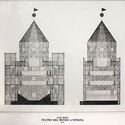
Between Fantasy and Reality: Aldo Rossi's Floating Teatro del Mundo for the First Venice Architecture Biennale

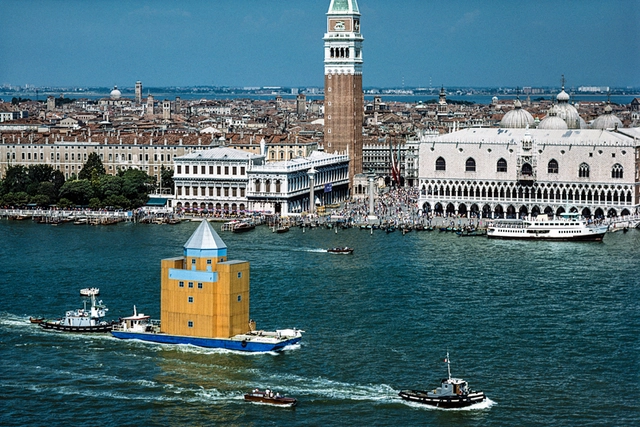
The first edition of the Venice Architecture Biennale took place in 1980, immediately revealing its role as a platform for images and ideas that would become essential references in contemporary architectural theory and practice. This disruptive character was embodied from the very beginning by the strangely familiar floating structure designed by Aldo Rossi, titled Teatro del Mondo. At once temporary and archetypal, the project introduced central themes that would shape Italian architectural discourse in the years that followed. To this day, it continues to inspire reflections on timelessness, imagination, and the memory embedded in cities.

Between Fantasy and Reality: Aldo Rossi's Floating Teatro del Mundo for the First Venice Architecture Biennale - Image 1 of 4Between Fantasy and Reality: Aldo Rossi's Floating Teatro del Mundo for the First Venice Architecture Biennale - Image 2 of 4Between Fantasy and Reality: Aldo Rossi's Floating Teatro del Mundo for the First Venice Architecture Biennale - Image 3 of 4Between Fantasy and Reality: Aldo Rossi's Floating Teatro del Mundo for the First Venice Architecture Biennale - Image 4 of 4Between Fantasy and Reality: Aldo Rossi's Floating Teatro del Mundo for the First Venice Architecture Biennale - More Images

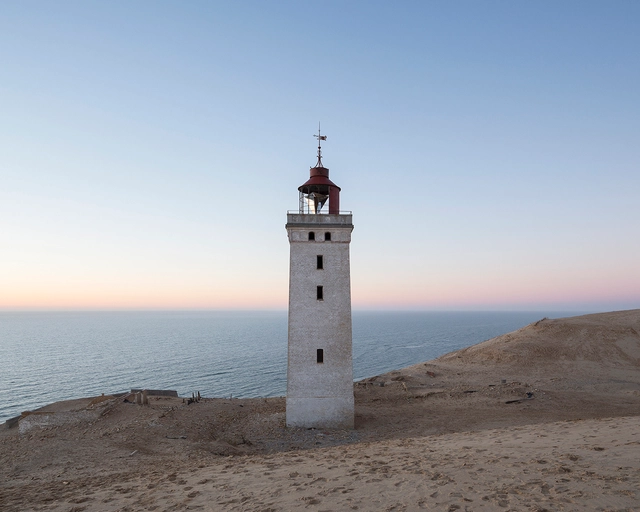
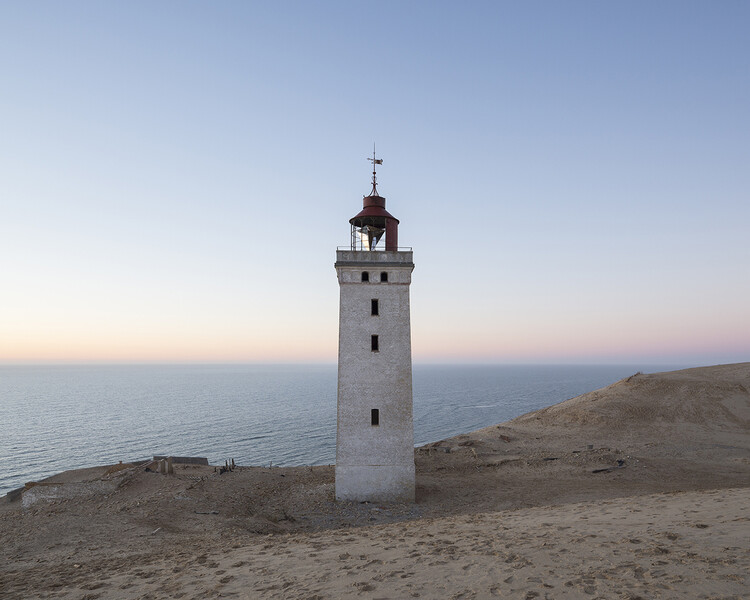
Navigating Boundaries: The Architectural Legacy of Lighthouses

Lighthouses have stood along the margins of continents and islands for centuries as points of light in vast maritime territories. Rising in solitude from rocky cliffs, reefs, and headlands, these towers were tools for navigation and instruments of spatial clarity, shaping coastlines and marking the boundary between land and sea. Built to guide, warn, and locate, they constituted a global network of visibility long before the advent of digital mapping. Yet as maritime technologies evolved, many of these structures lost their original purpose. The typology, once essential, now stands at the edge of obsolescence. What remains is not merely an architectural relic, but a powerful spatial form — resilient, symbolic, and increasingly open to reinterpretation.

Navigating Boundaries: The Architectural Legacy of Lighthouses - Image 1 of 4Navigating Boundaries: The Architectural Legacy of Lighthouses - Image 2 of 4Navigating Boundaries: The Architectural Legacy of Lighthouses - Image 3 of 4Navigating Boundaries: The Architectural Legacy of Lighthouses - Image 4 of 4Navigating Boundaries: The Architectural Legacy of Lighthouses - More Images+ 26

Winners of the EUmies Awards for Young Talent 2025 Highlight Reuse and Collective Resilience

During the EUmies Awards Day in Venice, representatives from the Creative Europe program and the Fundació Mies van der Rohe revealed the four student project winners of the EUmies Awards Young Talent 2025. The award recognizes architecture projects for their capacity to respond to contemporary social, urban, and environmental challenges. The event was held within the context of the 19th International Architecture Exhibition – La Biennale di Venezia, inviting winners, jury members, and institutional representatives to engage in dialogue around four key themes, aligned with the Biennale's curatorial proposal: Artificial, Natural, Collective, and Intelligens.

Winners of the EUmies Awards for Young Talent 2025 Highlight Reuse and Collective Resilience - Image 1 of 4Winners of the EUmies Awards for Young Talent 2025 Highlight Reuse and Collective Resilience - Image 2 of 4Winners of the EUmies Awards for Young Talent 2025 Highlight Reuse and Collective Resilience - Image 3 of 4Winners of the EUmies Awards for Young Talent 2025 Highlight Reuse and Collective Resilience - Image 4 of 4Winners of the EUmies Awards for Young Talent 2025 Highlight Reuse and Collective Resilience - More Images+ 38

Togo’s First Participation in the Venice Architecture Biennale Presents a Curated View of Its National Heritage

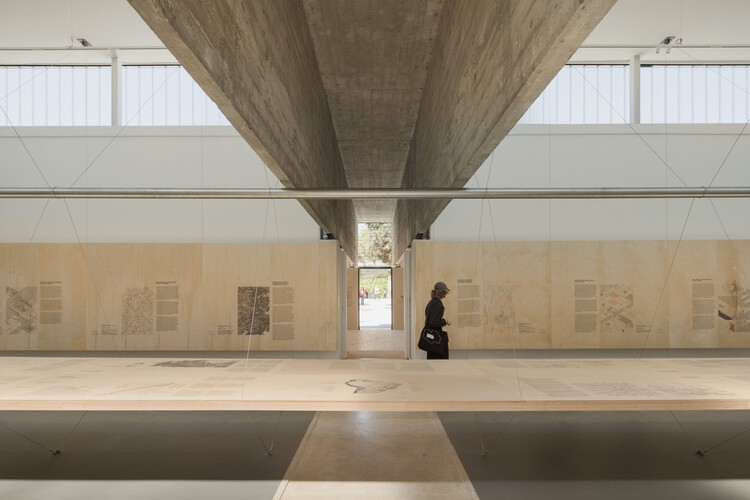
The Republic of Togo presents its first pavilion at the 19th International Architecture Exhibition – La Biennale di Venezia 2025 with a project titled Considering Togo's Architectural Heritage. The inaugural pavilion is curated by Studio NEiDA, an architecture and research practice co-founded by architect Jeanne Autran-Edorh and curator Fabiola Büchele. Based in Lomé and Berlin, the studio is dedicated to equitable design processes, applying an Afrocentric lens to contemporary architectural discourse. The exhibition, located at Venice's Squero Castello, explores Togo's architectural narratives from the early 20th century, focusing on themes of conservation and transformation.

Togo’s First Participation in the Venice Architecture Biennale Presents a Curated View of Its National Heritage - Image 1 of 4Togo’s First Participation in the Venice Architecture Biennale Presents a Curated View of Its National Heritage - Image 2 of 4Togo’s First Participation in the Venice Architecture Biennale Presents a Curated View of Its National Heritage - Image 3 of 4Togo’s First Participation in the Venice Architecture Biennale Presents a Curated View of Its National Heritage - Image 4 of 4Togo’s First Participation in the Venice Architecture Biennale Presents a Curated View of Its National Heritage - More Images+ 21

Romanian Pavilion at the 2025 Venice Biennale Explores Architecture Through the Human Figure

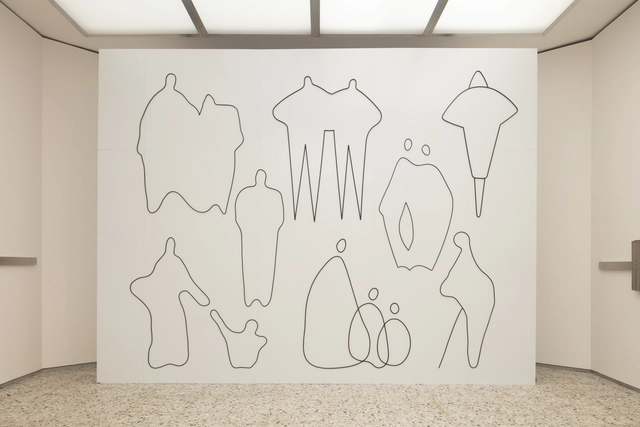
Romanian Pavilion at the 19th International Architecture Exhibition – La Biennale di Venezia presents HUMAN SCALE, an exhibition and research initiative that explores the intersection of architecture and visual arts. Curated by Cosmina Goagea, the project brings together the work of contemporary artist Vlad Nancă and architecture duo Muromuro Studio. On view at both the Romanian Pavilion in the Giardini della Biennale and the New Gallery of the Romanian Institute of Culture and Humanistic Research in Venice, the exhibition explores how architectural representations not only shape but also convey collective ideas and social aspirations.

Romanian Pavilion at the 2025 Venice Biennale Explores Architecture Through the Human Figure - Image 1 of 4Romanian Pavilion at the 2025 Venice Biennale Explores Architecture Through the Human Figure - Image 2 of 4Romanian Pavilion at the 2025 Venice Biennale Explores Architecture Through the Human Figure - Image 3 of 4Romanian Pavilion at the 2025 Venice Biennale Explores Architecture Through the Human Figure - Image 4 of 4Romanian Pavilion at the 2025 Venice Biennale Explores Architecture Through the Human Figure - More Images

An Unfolding Crisis with a Hopeful Outlook: Highlights from the Projects Exhibited at Venice Architecture Biennale 2025

Under Carlo Ratti's curatorship, the Venice Biennale's 19th International Architecture Exhibition delves into the theme "Intelligens. Natural. Artificial. Collective," with the explicit aim of transforming the city of Venice into a "Living Laboratory." In addition to the 65 national participations and a wide range of educational and collateral events, the exhibition features independent projects that directly respond to the overarching theme. With most of the exhibits showcased in the historic Corderie building, stretching along the south side of the Arsenale, the event offers a dynamic exploration of emerging architectural ideas and urban strategies.

An Unfolding Crisis with a Hopeful Outlook: Highlights from the Projects Exhibited at Venice Architecture Biennale 2025 - Image 1 of 4An Unfolding Crisis with a Hopeful Outlook: Highlights from the Projects Exhibited at Venice Architecture Biennale 2025 - Image 2 of 4An Unfolding Crisis with a Hopeful Outlook: Highlights from the Projects Exhibited at Venice Architecture Biennale 2025 - Image 3 of 4An Unfolding Crisis with a Hopeful Outlook: Highlights from the Projects Exhibited at Venice Architecture Biennale 2025 - Image 4 of 4An Unfolding Crisis with a Hopeful Outlook: Highlights from the Projects Exhibited at Venice Architecture Biennale 2025 - More Images+ 41

U.S. Pavilion at 2025 Venice Architecture Biennale Showcases ‘PORCH: An Architecture of Generosity'

The Fay Jones School of Architecture and Design at the University of Arkansas, in collaboration with DesignConnects and the Crystal Bridges Museum of American Art, has been chosen by the U.S. Department of State's Bureau of Educational and Cultural Affairs to represent the United States at the 2025 Venice Architecture Biennale. The selected theme, "PORCH: An Architecture of Generosity," explores the timeless architectural and cultural significance of the American porch, showcasing its continued relevance as a space for connection, inclusivity, and civic engagement.

U.S. Pavilion at 2025 Venice Architecture Biennale Showcases ‘PORCH: An Architecture of Generosity' - Image 1 of 4U.S. Pavilion at 2025 Venice Architecture Biennale Showcases ‘PORCH: An Architecture of Generosity' - Image 2 of 4U.S. Pavilion at 2025 Venice Architecture Biennale Showcases ‘PORCH: An Architecture of Generosity' - Image 3 of 4U.S. Pavilion at 2025 Venice Architecture Biennale Showcases ‘PORCH: An Architecture of Generosity' - Image 4 of 4U.S. Pavilion at 2025 Venice Architecture Biennale Showcases ‘PORCH: An Architecture of Generosity' - More Images+ 12

Croatian Pavilion at the 2025 Venice Architecture Biennale Explores the "Intelligence of Errors"

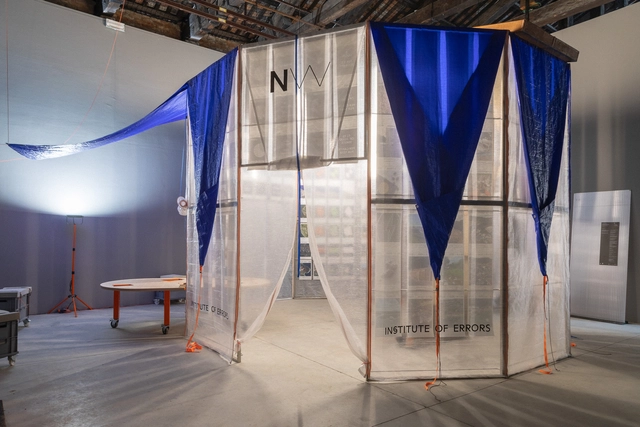
The Croatian Pavilion presents "Intelligence of Errors" at the 19th International Architecture Exhibition – La Biennale di Venezia, an artistic and research-driven project that repositions spatial and policy-related errors as generative tools for design. Commissioned by the Ministry of Culture and Media of the Republic of Croatia, the exhibition is curated by Ida Križaj Leko, a practicing architect and head of the interdisciplinary university specialist program Urban Studies at the University of Rijeka. In dialogue with the central Biennale theme, Intelligens. Natural. Artificial. Collective., the pavilion investigates how recognizing and analyzing errors can contribute to the development of collective intelligence under non-ideal conditions.


Croatian Pavilion at the 2025 Venice Architecture Biennale Explores the "Intelligence of Errors" - Image 1 of 4Croatian Pavilion at the 2025 Venice Architecture Biennale Explores the "Intelligence of Errors" - Image 2 of 4Croatian Pavilion at the 2025 Venice Architecture Biennale Explores the "Intelligence of Errors" - Image 3 of 4Croatian Pavilion at the 2025 Venice Architecture Biennale Explores the "Intelligence of Errors" - Image 4 of 4Croatian Pavilion at the 2025 Venice Architecture Biennale Explores the Intelligence of Errors - More Images+ 21