1. ArchDaily
  2. Sustainability

Sustainability: The Latest Architecture and News

A Model for Community-Led Heritage Preservation: Esna's Aga Khan Award-Winning Revitalisation

Subscriber Access | 

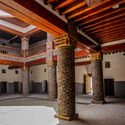
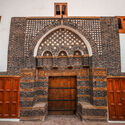
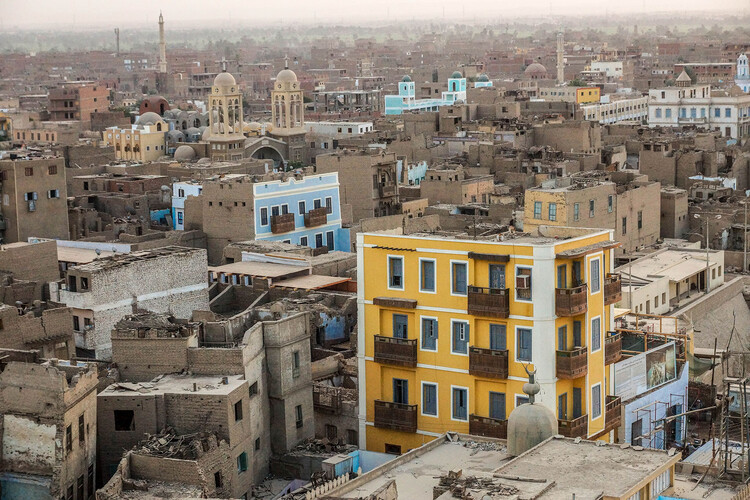
Among the seven winners of this year's 16th Aga Khan Award for Architecture was the Revitalisation of Historic Esna in southern Egypt. Led by the Cairo-based firm Takween, the project was far more than a simple restoration. It was a comprehensive renewal effort that combined deep community engagement with the preservation of both tangible and intangible heritage. By creating thousands of jobs and restoring the historic center, the initiative offered a powerful alternative to demolition. The Aga Khan Trust lauded it as a 'replicable model for sustainable development'.

A Model for Community-Led Heritage Preservation: Esna's Aga Khan Award-Winning Revitalisation - Image 1 of 4A Model for Community-Led Heritage Preservation: Esna's Aga Khan Award-Winning Revitalisation - Image 2 of 4A Model for Community-Led Heritage Preservation: Esna's Aga Khan Award-Winning Revitalisation - Image 3 of 4A Model for Community-Led Heritage Preservation: Esna's Aga Khan Award-Winning Revitalisation - Image 4 of 4A Model for Community-Led Heritage Preservation: Esna's Aga Khan Award-Winning Revitalisation - More Images+ 14

Turning Surfboard Waste into Climate-Resilient Homes in Hawaii

Subscriber Access | 

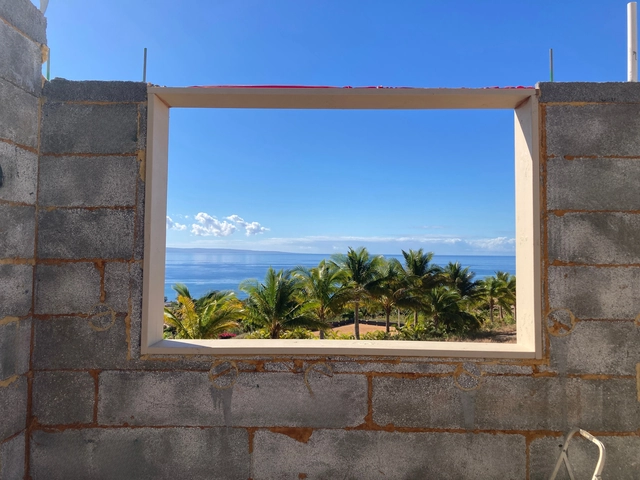
Surfing is, without a doubt, one of the most visually striking and fascinating sports. A fluid choreography that combines strength and delicacy, like a dance on the waves, gathers enthusiasts across the world's oceans. Yet, behind this image of freedom and connection with nature, the sport also carries contradictions. It is a symbol of outdoor life and respect for the ocean, but on the other hand, it is marked by territorial disputes over waves and by an environmental footprint that rarely receives the same attention given to its aesthetics. In times of climate crisis, this paradox becomes even more evident. Surfing depends directly on the health of marine ecosystems, the very ones most affected by pollution and global warming. This tension has been pushing a new generation of shapers, architects, and material designers to seek alternatives, from plant-based and recycled foams to the reuse of industrial waste, in order to reconnect the sport with its ecological dimension.

Reimagining Lisbon’s Azulejos: Regenerative Biomaterial Tiles from the Tagus River

Subscriber Access | 

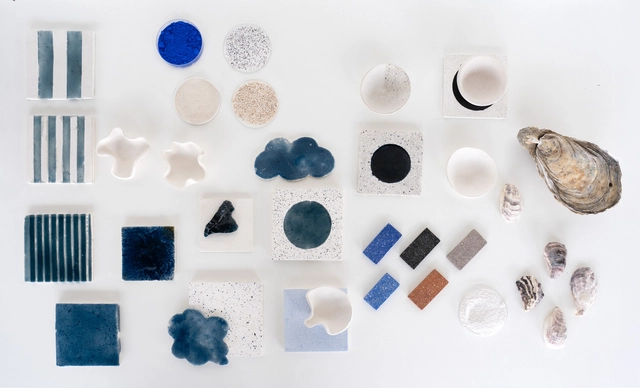
All materials come from somewhere, embedded in a chain of extraction, supply, production, and disposal that, depending on its scale, leaves more or less significant marks on the environment. In architecture, we usually approach this trajectory through the lens of materials' circularity, considering how they can re-enter production cycles rather than become waste. Yet, broadening our view to unexpected places reveals parallel systems where by-products from one industry become resources for another. This approach has found fertile ground in organic waste transformed into biomaterials, with one of the most recent examples being the work of Fahrenheit Works. Through their installation, "From the Tagus to the Tile", they repurpose oyster shells initially discarded by food systems to create a reinterpretation of Lisbon's iconic tiles.

Reimagining Lisbon’s Azulejos: Regenerative Biomaterial Tiles from the Tagus River - Image 1 of 4Reimagining Lisbon’s Azulejos: Regenerative Biomaterial Tiles from the Tagus River - Image 2 of 4Reimagining Lisbon’s Azulejos: Regenerative Biomaterial Tiles from the Tagus River - Image 3 of 4Reimagining Lisbon’s Azulejos: Regenerative Biomaterial Tiles from the Tagus River - Image 4 of 4Reimagining Lisbon’s Azulejos: Regenerative Biomaterial Tiles from the Tagus River - More Images+ 10

SOM Breaks Ground on Concourse D at O’Hare International Airport in Chicago

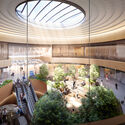
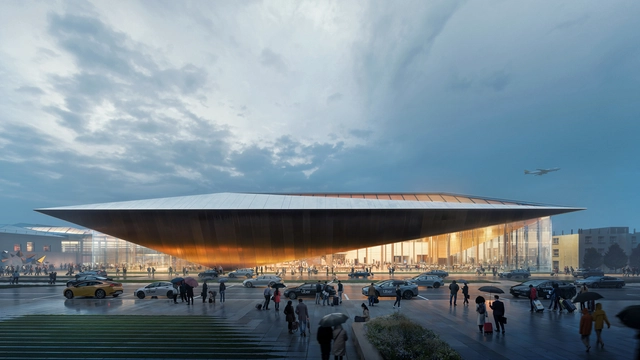
The City of Chicago and the Chicago Department of Aviation (CDA) have broken ground on Concourse D at O'Hare International Airport, designed by Skidmore, Owings & Merrill (SOM) in collaboration with Ross Barney Architects, Juan Gabriel Moreno Architects (JGMA), and Arup. The project marks the first building in ORDNext, O'Hare's most ambitious expansion to date, and introduces a new chapter in the airport's modernization. Construction management is led by AECOM Hunt Clayco Bowa, with completion expected in late 2028. Planning is also progressing on Concourse E, the second satellite concourse designed by the same team.

SOM Breaks Ground on Concourse D at O’Hare International Airport in Chicago - Image 1 of 4SOM Breaks Ground on Concourse D at O’Hare International Airport in Chicago - Image 2 of 4SOM Breaks Ground on Concourse D at O’Hare International Airport in Chicago - Image 3 of 4SOM Breaks Ground on Concourse D at O’Hare International Airport in Chicago - Image 4 of 4SOM Breaks Ground on Concourse D at O’Hare International Airport in Chicago - More Images+ 4

Pylon of Permanence Showcases Water-Filled Glass at the Venice Architecture Biennale 2025

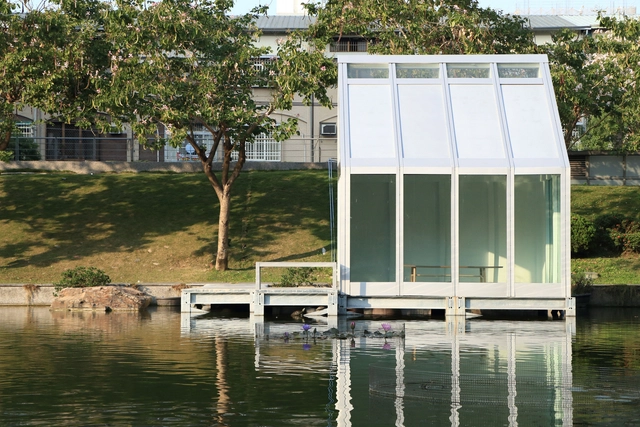
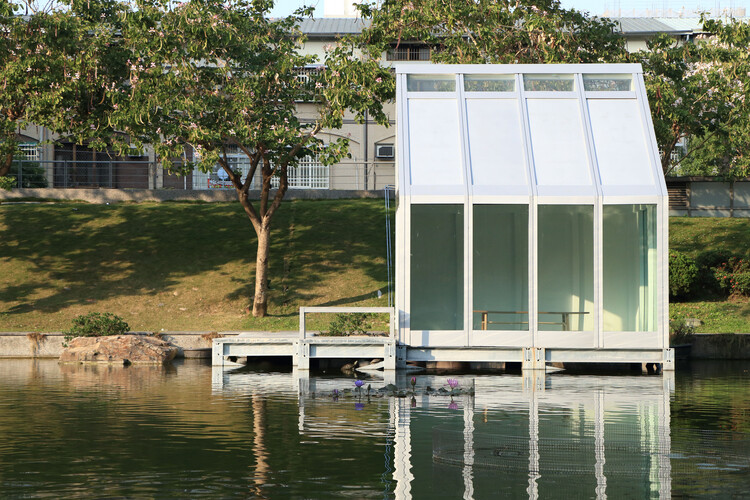
At the 2025 Venice Architecture Biennale, the installation Pylon of Permanence presents Water-Filled Glass (WFG), a glazing system developed to address the environmental impact of glass in the built environment. Although glass is one of the most widely used construction materials, its embodied and operational carbon footprint surpasses that of concrete, steel, and brick. Water-Filled Glass proposes an alternative approach by transforming glass from a passive enclosure into an active energy regulator.

Pylon of Permanence Showcases Water-Filled Glass at the Venice Architecture Biennale 2025 - Image 1 of 4Pylon of Permanence Showcases Water-Filled Glass at the Venice Architecture Biennale 2025 - Image 2 of 4Pylon of Permanence Showcases Water-Filled Glass at the Venice Architecture Biennale 2025 - Image 3 of 4Pylon of Permanence Showcases Water-Filled Glass at the Venice Architecture Biennale 2025 - Image 4 of 4Pylon of Permanence Showcases Water-Filled Glass at the Venice Architecture Biennale 2025 - More Images+ 10

Of a Feather: The Hidden Architecture of Bird Watching

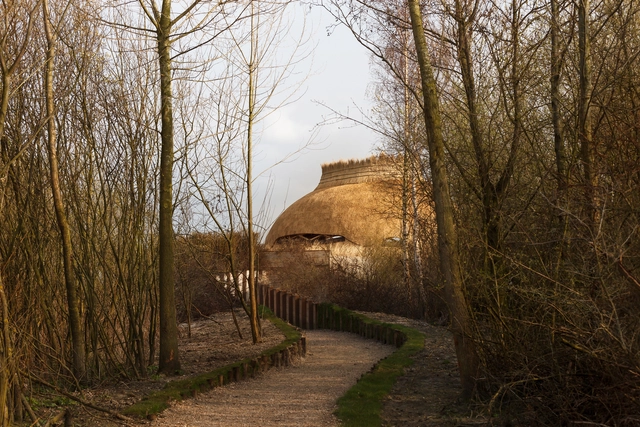
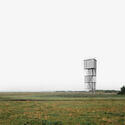
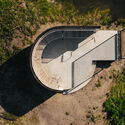
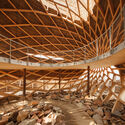
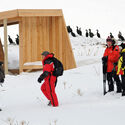
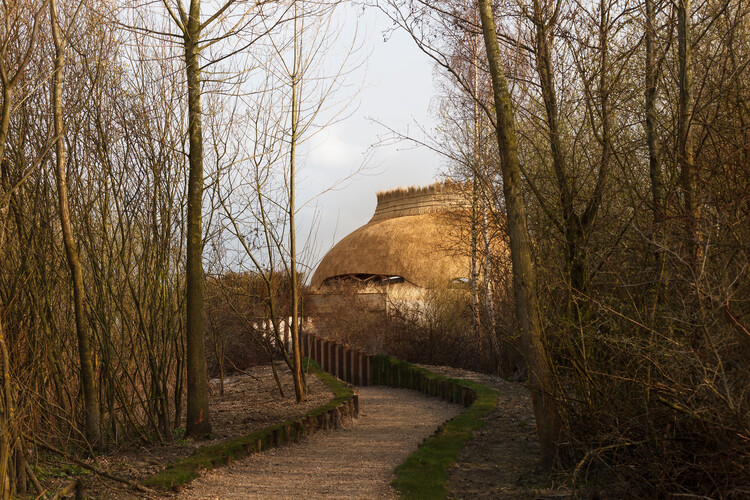
Around the world, a passionate community of bird watchers, from novice observers to seasoned ornithologists, is drawn to the subtle movements, distinct calls, and remarkable migrations of birds. This global fascination has led to the creation of thoughtfully designed spaces by architects and designers, enhancing the bird-watching experience while respecting the ecological landscapes in which they are placed.

Of a Feather: The Hidden Architecture of Bird Watching - Image 1 of 4Of a Feather: The Hidden Architecture of Bird Watching - Image 2 of 4Of a Feather: The Hidden Architecture of Bird Watching - Image 3 of 4Of a Feather: The Hidden Architecture of Bird Watching - Image 4 of 4Of a Feather: The Hidden Architecture of Bird Watching - More Images+ 25

AI-Powered Robotics Support Rebuilding Homes in Los Angeles Fire Zones

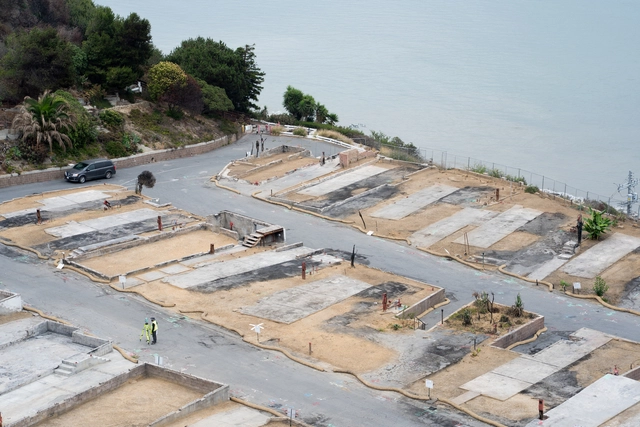
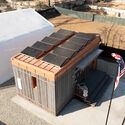
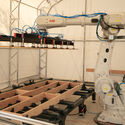
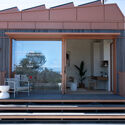
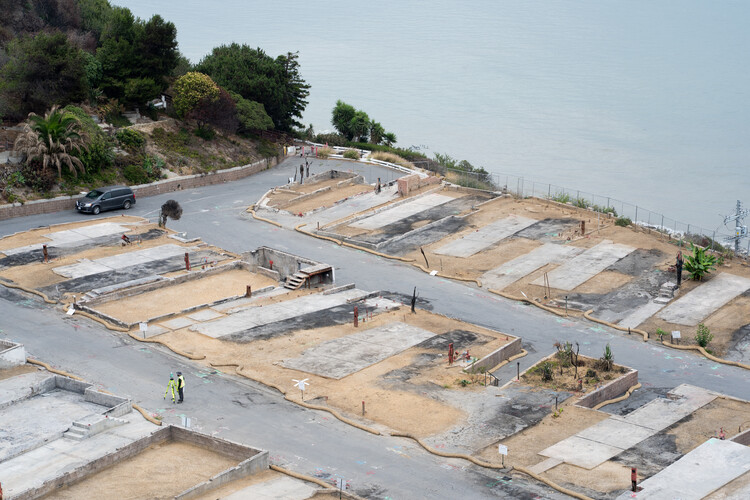
ABB Robotics and US-based construction technology company Cosmic Buildings have deployed a mobile robotic microfactory in Pacific Palisades, California, to support the rebuilding of homes destroyed by the 2025 Southern Californian wildfires. Designed as a temporary, on-site manufacturing facility, the system aims to reduce construction time, costs, and material waste while producing housing that meets high standards of safety and sustainability. By combining AI-powered automation with modular construction techniques, the collaboration demonstrates how robotic manufacturing can be adapted to remote and disaster-affected locations. The companies suggest that such approaches could become a key tool in delivering resilient, affordable housing on a large scale.

AI-Powered Robotics Support Rebuilding Homes in Los Angeles Fire Zones - Image 1 of 4AI-Powered Robotics Support Rebuilding Homes in Los Angeles Fire Zones - Image 2 of 4AI-Powered Robotics Support Rebuilding Homes in Los Angeles Fire Zones - Image 3 of 4AI-Powered Robotics Support Rebuilding Homes in Los Angeles Fire Zones - Image 4 of 4AI-Powered Robotics Support Rebuilding Homes in Los Angeles Fire Zones - More Images+ 11

Colombia Pavilion at Expo Osaka 2025 Presents a Dynamic "Ice Cube" Playing With Form and Light

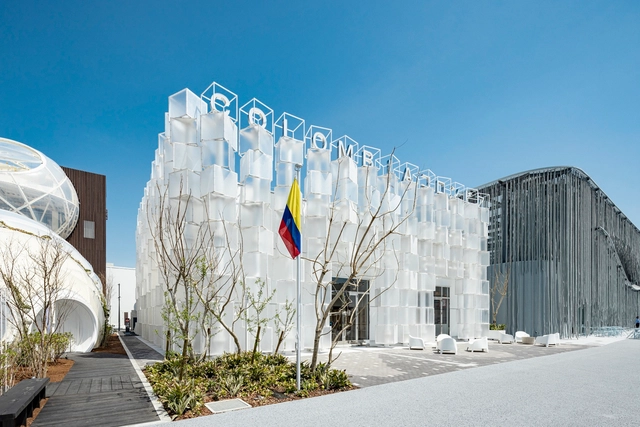
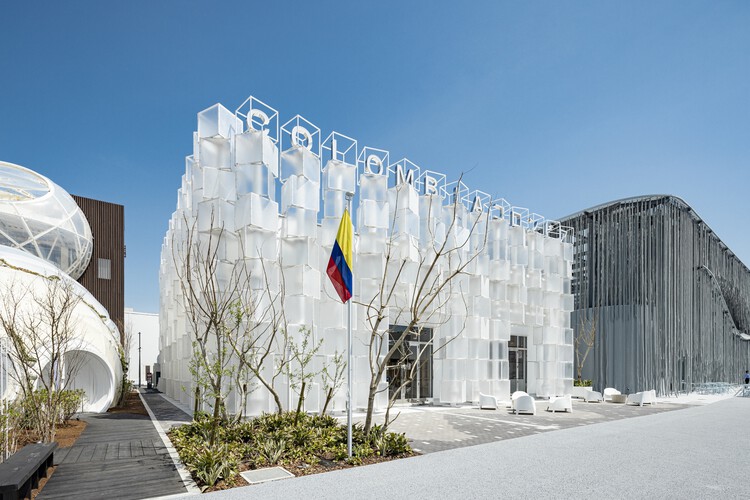
The Colombia Pavilion at the Expo Osaka 2025 adopts the theme "ICE CUBE," inspired by the scene in Gabriel García Márquez's One Hundred Years of Solitude where a young boy encounters ice for the first time. Translating this literary reference into built form, the pavilion presents a facade of translucent cubes set at varying angles, creating a sense of movement and articulation. Designed by MORF Inc., with Karim Chahal as Project Director and Ko Oono as Principal Architect, the exterior is composed of semi-transparent polycarbonate panels integrated with color-controlled lighting, allowing the facade to transform in appearance throughout the day and night.

Colombia Pavilion at Expo Osaka 2025 Presents a Dynamic "Ice Cube" Playing With Form and Light - Image 1 of 4Colombia Pavilion at Expo Osaka 2025 Presents a Dynamic "Ice Cube" Playing With Form and Light - Image 2 of 4Colombia Pavilion at Expo Osaka 2025 Presents a Dynamic "Ice Cube" Playing With Form and Light - Image 3 of 4Colombia Pavilion at Expo Osaka 2025 Presents a Dynamic "Ice Cube" Playing With Form and Light - Image 4 of 4Colombia Pavilion at Expo Osaka 2025 Presents a Dynamic Ice Cube Playing With Form and Light - More Images+ 9

Rural Lab: Latin America's Countryside as a Space for Experimentation

What if the future of architecture lies not in the cities, but beyond them? For decades, urbanization has dominated both discourse and statistics. We are constantly bombarded with data confirming the prevalence of urban life, but we rarely ask the opposite question: what did those who moved to the cities leave behind? What remains alive and evolving far from urban centers?

The countryside—long underestimated—is now emerging as fertile ground for possibility. More than a “marginalized space,” rural Latin America today asserts itself as a true laboratory for architectural, social, and ecological experimentation. From agroecological communities to low-impact technologies, from relationships between humans, machines, and other living beings to locally grounded solutions for global challenges—such as the climate crisis, food security, and migration—the rural world is actively and inventively reshaping its own future.

Rural Lab: Latin America's Countryside as a Space for Experimentation - Image 7 of 4Rural Lab: Latin America's Countryside as a Space for Experimentation - Image 1 of 4Rural Lab: Latin America's Countryside as a Space for Experimentation - Image 8 of 4Rural Lab: Latin America's Countryside as a Space for Experimentation - Image 10 of 4Rural Lab: Latin America's Countryside as a Space for Experimentation - More Images+ 9

Small Structures, Big Impact: 4 Rural Prototypes for a Changing Planet

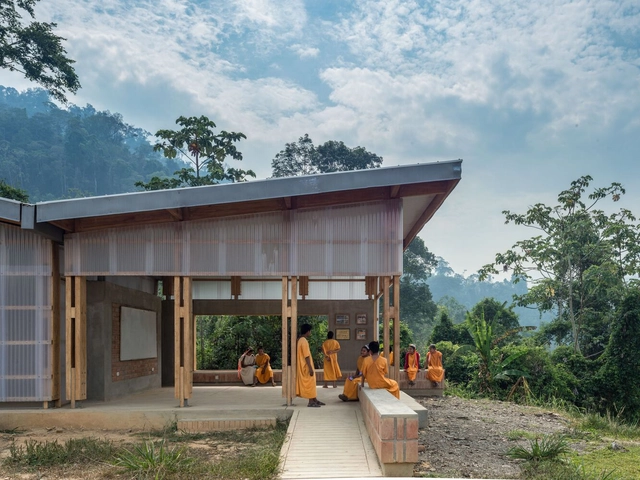
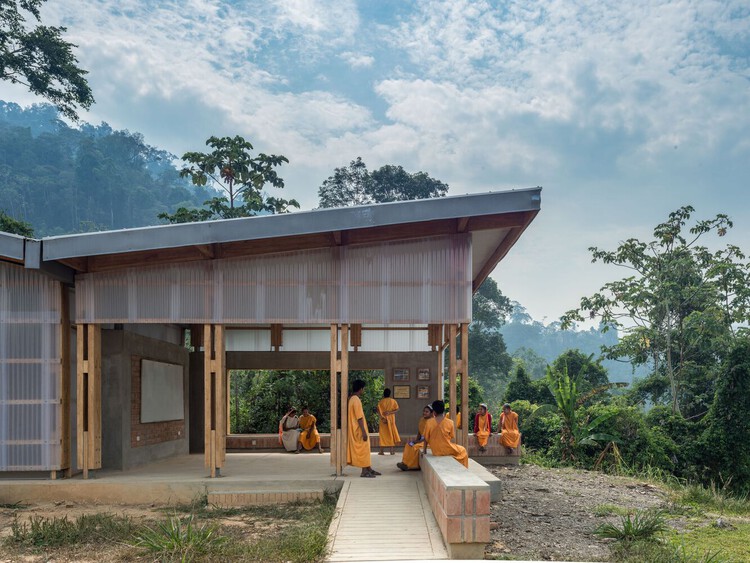
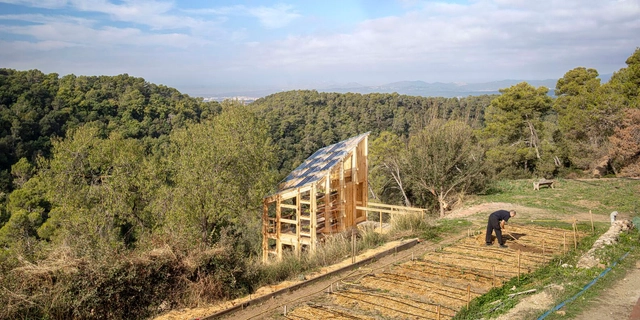
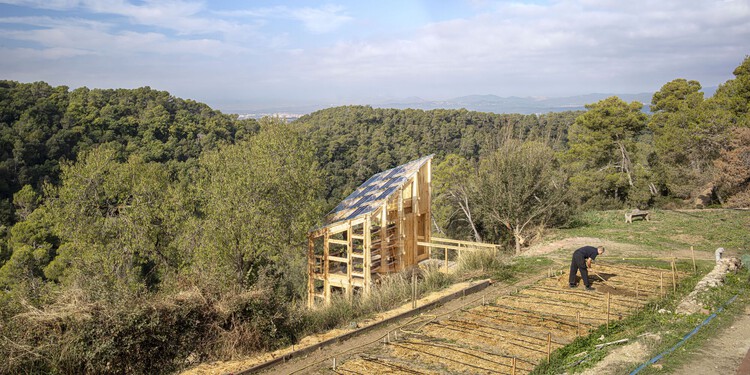
Facing an interconnected planetary climate crisis, biodiversity loss, and resource depletion, regenerative design emerges as a pathway toward building resilient and ecologically attuned rural futures. At the intersection of architecture, agriculture, and local ecosystems, new models of resilient, self-sufficient agricultural practices are emerging. These projects are not grand industrial systems but small-scale, precise, and deeply contextual architectural interventions that create spaces that foster sustainable cultivation while respecting environmental rhythms, local materials, and community knowledge.

Small Structures, Big Impact: 4 Rural Prototypes for a Changing Planet - Image 1 of 4Small Structures, Big Impact: 4 Rural Prototypes for a Changing Planet - Image 2 of 4Small Structures, Big Impact: 4 Rural Prototypes for a Changing Planet - Image 3 of 4Small Structures, Big Impact: 4 Rural Prototypes for a Changing Planet - Image 4 of 4Small Structures, Big Impact: 4 Rural Prototypes for a Changing Planet - More Images+ 4

Understanding Eco Brutalism: The Paradox of Structure, Sustainability, and Style

Subscriber Access | 

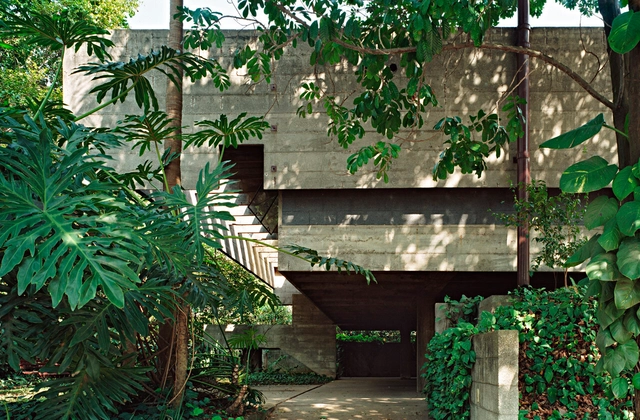
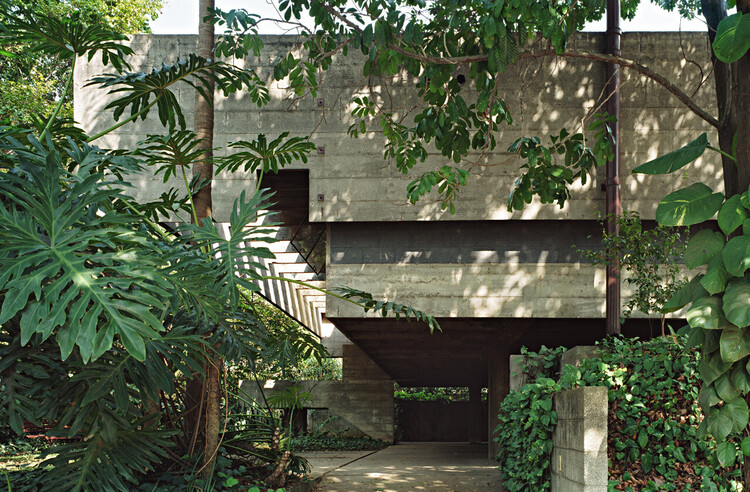
The built environment is expected to reduce carbon emissions, support biodiversity, and respond to changing ecological conditions, all while providing housing for communities and reflecting their cultural values. In this shifting landscape, a once-maligned architectural style emerges in a surprising new form. Brutalism, long associated with institutional gravitas and material austerity, is now being reframed through an ecological lens. This hybrid movement, known as eco-brutalism, combines the power of concrete with greenery and climate-sensitive design strategies. The result is a set of spaces that are visually arresting, conceptually complex, and increasingly popular among designers, urban planners, and the general public. This movement includes not only the direct lineage of 1960s Brutalism but also contemporary projects that, while not strictly Brutalist, share its material honesty, monumental scale, and use of expressive concrete forms.

Understanding Eco Brutalism:  The Paradox of Structure, Sustainability, and Style - Image 1 of 4Understanding Eco Brutalism:  The Paradox of Structure, Sustainability, and Style - Image 2 of 4Understanding Eco Brutalism:  The Paradox of Structure, Sustainability, and Style - Image 3 of 4Understanding Eco Brutalism:  The Paradox of Structure, Sustainability, and Style - Image 4 of 4Understanding Eco Brutalism:  The Paradox of Structure, Sustainability, and Style - More Images+ 39

The Architecture of Rewilding: Designing for Ecosystem Recovery

As climate instability reshapes design priorities, architecture is increasingly drawn into ecological debates not as a spectator but as a participant. Among the concepts gaining traction is rewilding, a practice rooted in the restoration of self-sustaining ecosystems through the reintroduction of biodiversity, the removal of barriers, and the rebalancing of human presence in the landscape. Though often associated with conservation biology, rewilding also opens up new spatial and architectural imaginaries — ones that challenge conventional notions of permanence, authorship, and use.

The Architecture of Rewilding: Designing for Ecosystem Recovery - Image 1 of 4The Architecture of Rewilding: Designing for Ecosystem Recovery - Image 2 of 4The Architecture of Rewilding: Designing for Ecosystem Recovery - Image 3 of 4The Architecture of Rewilding: Designing for Ecosystem Recovery - Image 4 of 4The Architecture of Rewilding: Designing for Ecosystem Recovery - More Images+ 68

Spin It to Win It: Deadline Extended for the Global WinDesign Challenge

 | Sponsored Content

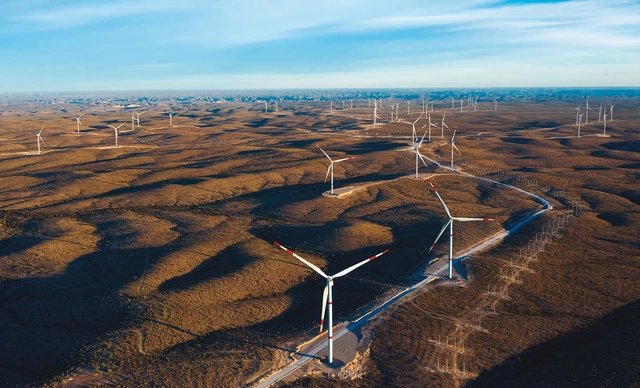
Enel, a global leader in renewable energy, launched "WinDesign", an international contest where talented professionals and students, in the domain of engineering, architecture and design, are invited to imagine and design new wind turbines. The goal is to develop turbines projects that blend more seamlessly into the landscapes that host them, thereby supporting a wider role for them in the energy transition.

The Nubian Vault: Reviving Ancient Techniques for Modern Solutions

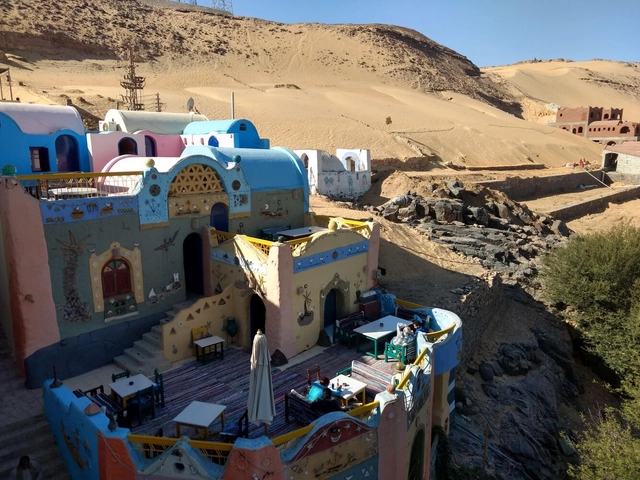
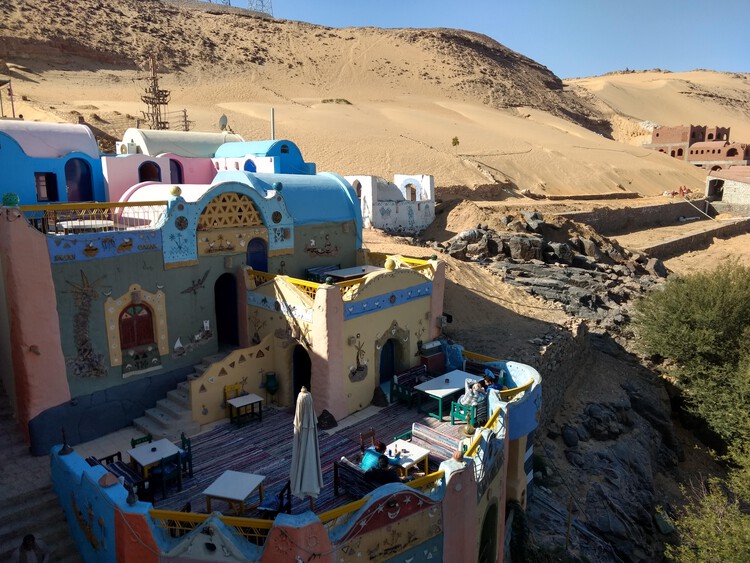
The colorful houses of Aswan in the south of modern-day Egypt attract tourists who venture that far up the River Nile. Accessed by small river boats, islands like Suheil West are the homes of Nubian communities, some of whom had had to relocate after the building of the Aswan High Dam in the 1960s. Behind the picturesque views of plastered walls covered in murals and motifs, perched on rocky hills overlooking the Nile, is a construction technique used locally for centuries. It uses locally sourced materials, conserves nature, and regulates internal temperatures against the heat in the day and the cold at night.

The Nubian Vault: Reviving Ancient Techniques for Modern Solutions - Image 1 of 4The Nubian Vault: Reviving Ancient Techniques for Modern Solutions - Image 2 of 4The Nubian Vault: Reviving Ancient Techniques for Modern Solutions - Image 3 of 4The Nubian Vault: Reviving Ancient Techniques for Modern Solutions - Image 4 of 4The Nubian Vault: Reviving Ancient Techniques for Modern Solutions - More Images+ 8

First Look at the LACMA David Geffen Galleries Designed by Peter Zumthor

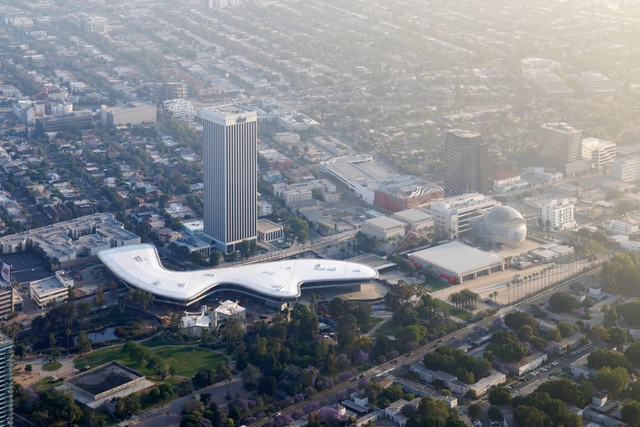
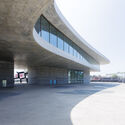
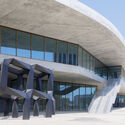
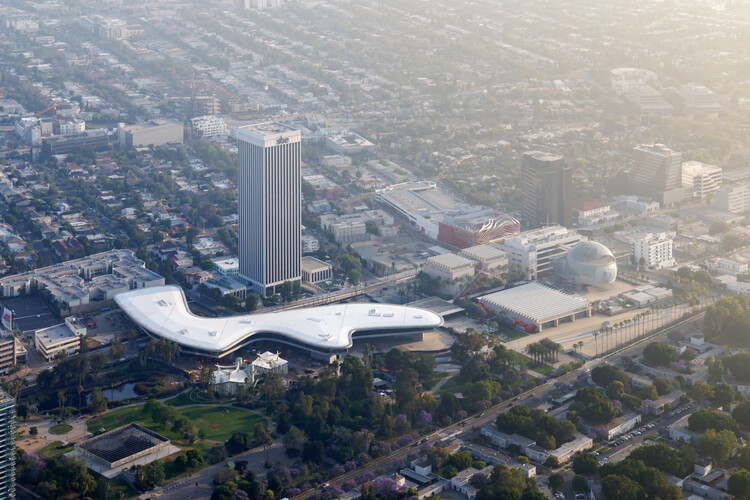
The first photographs of the long-anticipated David Geffen Galleries at the Los Angeles County Museum of Art (LACMA) have been unveiled, captured by architectural photographer Iwan Baan. Designed by Pritzker Prize-winning architect Peter Zumthor, in collaboration with Skidmore, Owings & Merrill, the building marks the culmination of a process spanning more than two decades. The museum recently offered an exclusive preview of the building in its raw architectural state, ahead of the installation of artworks. Major construction was completed at the end of 2024, and portions of the lower levels are already accessible to visitors. The galleries are scheduled to officially open in April 2026, when they will house LACMA's permanent collection.

First Look at the LACMA David Geffen Galleries Designed by Peter Zumthor - Image 1 of 4First Look at the LACMA David Geffen Galleries Designed by Peter Zumthor - Image 2 of 4First Look at the LACMA David Geffen Galleries Designed by Peter Zumthor - Image 3 of 4First Look at the LACMA David Geffen Galleries Designed by Peter Zumthor - Image 4 of 4First Look at the LACMA David Geffen Galleries Designed by Peter Zumthor - More Images+ 7

Snøhetta and Hassell’s Harbourside Redevelopment Moves Forward with Public Domain Approval in Sydney

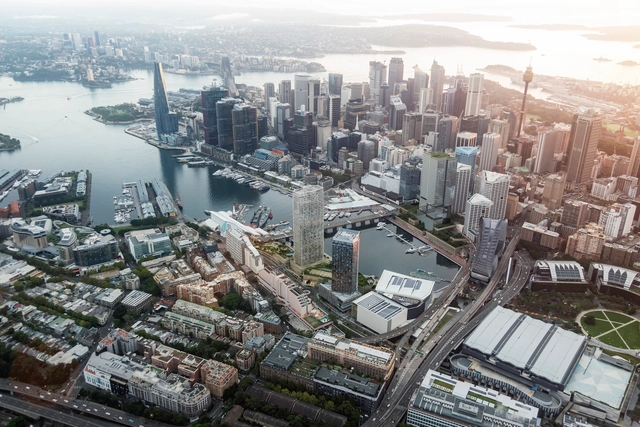
The NSW Independent Planning Commission has approved the public domain works for Sydney's Harbourside redevelopment, marking a significant milestone for the project designed by Snøhetta in collaboration with Hassell and Mirvac. First unveiled in December 2021 as the winning entry in an international design excellence competition, the scheme aims to transform Harbourside at Darling Harbour into a new, iconic destination at the heart of the city. The proposal reimagines the waterfront at Tumbalong / Darling Harbour with more than 11,200 square meters of renewed public space, featuring significant trees, planted areas, sculptural sandstone pathways, and integrated public artworks.

Snøhetta and Hassell’s Harbourside Redevelopment Moves Forward with Public Domain Approval in Sydney - Image 1 of 4Snøhetta and Hassell’s Harbourside Redevelopment Moves Forward with Public Domain Approval in Sydney - Image 2 of 4Snøhetta and Hassell’s Harbourside Redevelopment Moves Forward with Public Domain Approval in Sydney - Featured ImageSnøhetta and Hassell’s Harbourside Redevelopment Moves Forward with Public Domain Approval in Sydney - Image 3 of 4Snøhetta and Hassell’s Harbourside Redevelopment Moves Forward with Public Domain Approval in Sydney - More Images

Crossing Hemispheres: Thatched Roofs from America to Asia

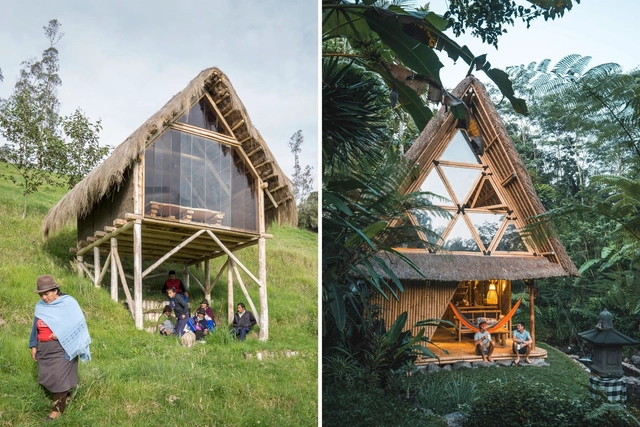
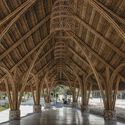
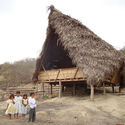
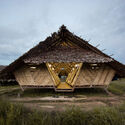
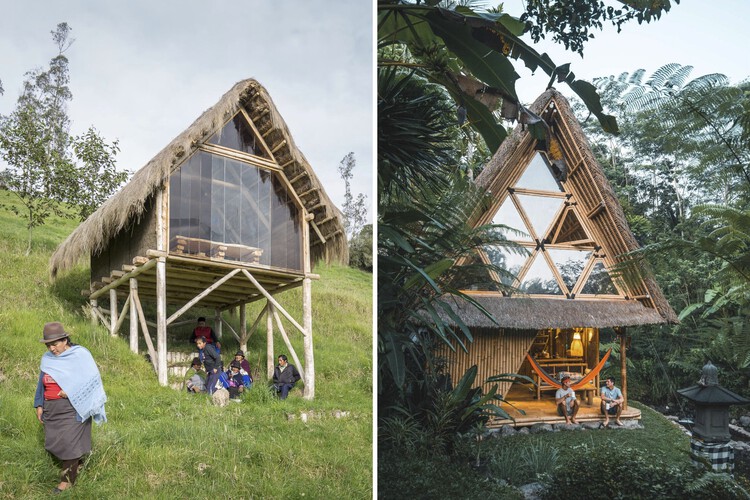
Thatching is a traditional building technique that has been reinterpreted in different ways in contemporary projects, allowing its value to continue to endure over time. As well as being a culturally and historically valuable technique, given its presence in humanity for centuries, it also has a number of other constructive advantages, such as its great environmental value, as it is an accessible renewable material.

The technique consists of grouping, intertwining, and overlapping dry vegetation, creating light surfaces with excellent thermal and sound insulation and which are cheap and relatively simple to build. In addition, flexibility is one of the technique's most prominent features, and it is particularly popular in roofing applications. 

Crossing Hemispheres: Thatched Roofs from America to Asia - Image 1 of 4Crossing Hemispheres: Thatched Roofs from America to Asia - Image 2 of 4Crossing Hemispheres: Thatched Roofs from America to Asia - Image 3 of 4Crossing Hemispheres: Thatched Roofs from America to Asia - Image 4 of 4Crossing Hemispheres: Thatched Roofs from America to Asia - More Images+ 16

Zaha Hadid Architects Wins Competition for New Arrivals Terminal at Vilnius Airport, Lithuania

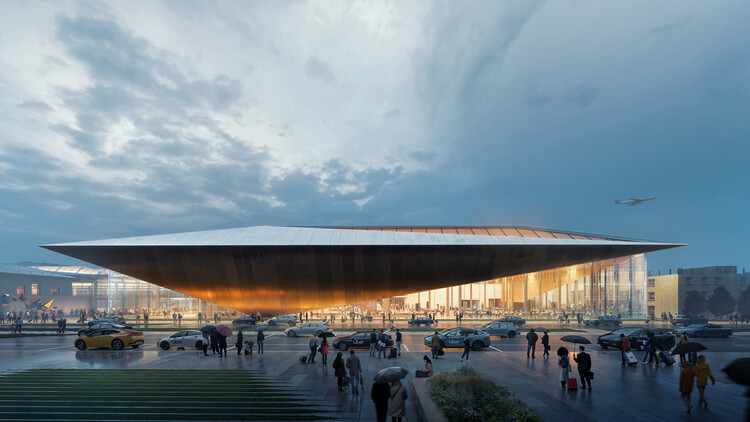
Lithuanian Airports has announced Zaha Hadid Architects as the winner of the international competition to design the new arrivals terminal at Vilnius Airport. Conceived as an integral part of the airport's evolving infrastructure, the new terminal will complement the recently completed departure terminal, enabling Vilnius Airport to accommodate up to 10.6 million passengers annually. The project marks a significant step in the airport's long-term development strategy, addressing future growth in passenger demand while enhancing Lithuania's role as a key gateway in the Baltic region.


Zaha Hadid Architects Wins Competition for New Arrivals Terminal at Vilnius Airport, Lithuania - Image 1 of 4Zaha Hadid Architects Wins Competition for New Arrivals Terminal at Vilnius Airport, Lithuania - Image 2 of 4Zaha Hadid Architects Wins Competition for New Arrivals Terminal at Vilnius Airport, Lithuania - Image 3 of 4Zaha Hadid Architects Wins Competition for New Arrivals Terminal at Vilnius Airport, Lithuania - Image 4 of 4Zaha Hadid Architects Wins Competition for New Arrivals Terminal at Vilnius Airport, Lithuania - More Images+ 3