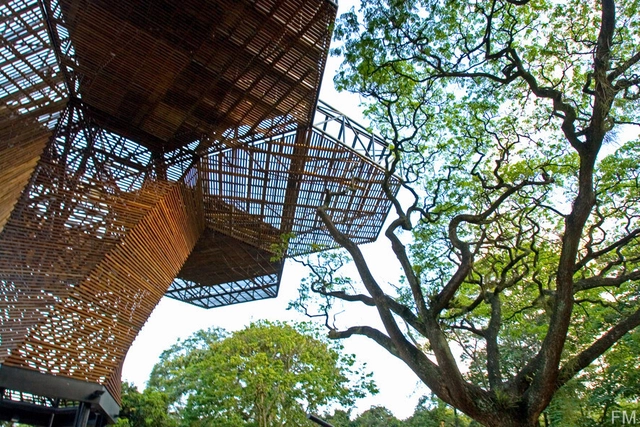
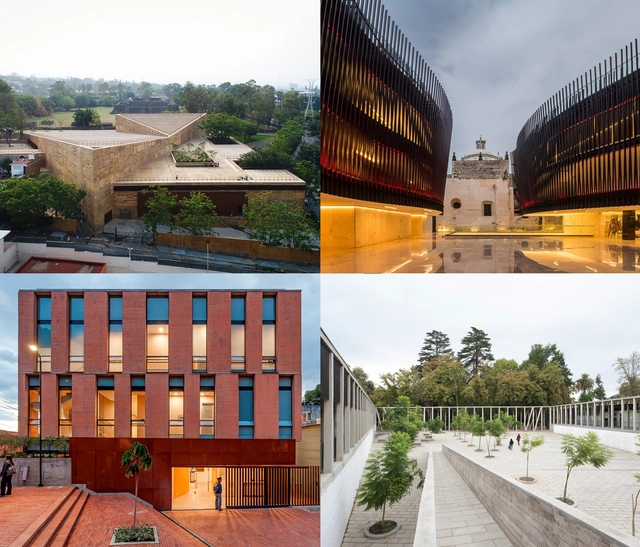
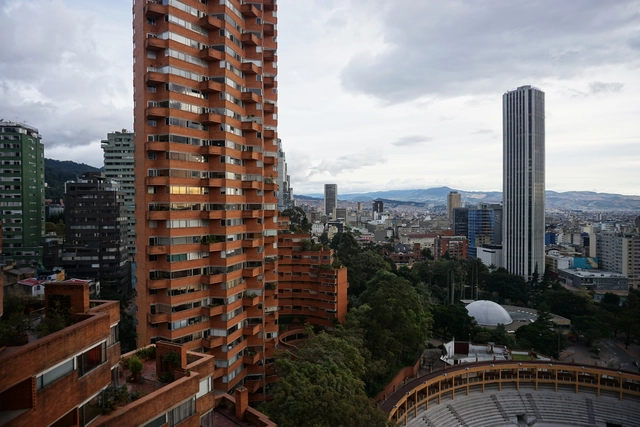
The close relationship between architecture and landscape in Latin America is undeniable. This is due not only to the region's geographical, climatic, and ecological diversity, but also to how these countries have built and shaped their cities amidst progress and setbacks. Among these ongoing achievements is a growing respect for the landscape, an architectural language tailored to its context, and solutions designed for its diverse climates.
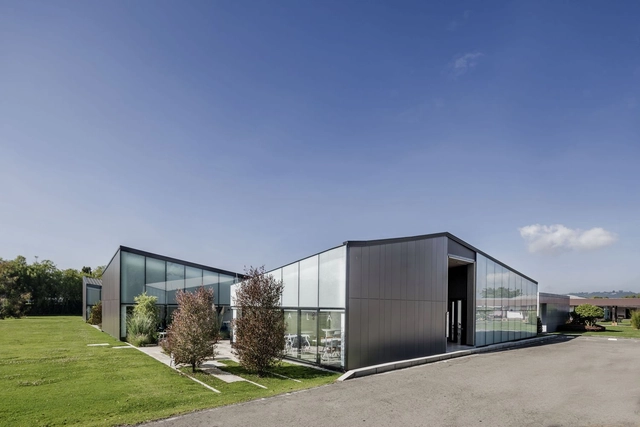
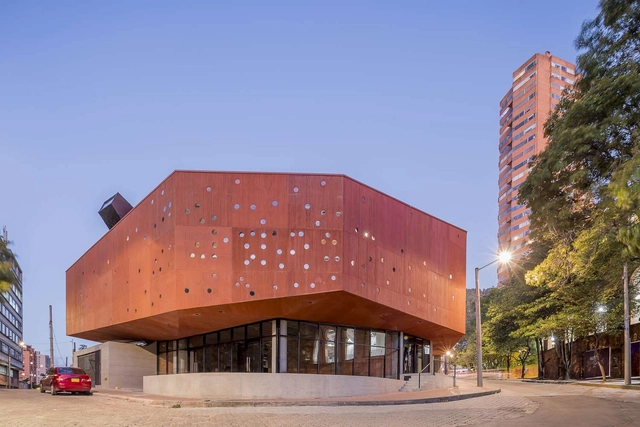
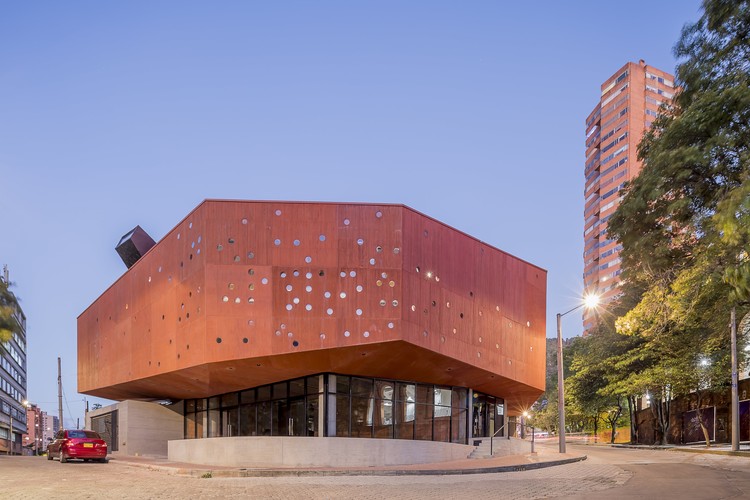
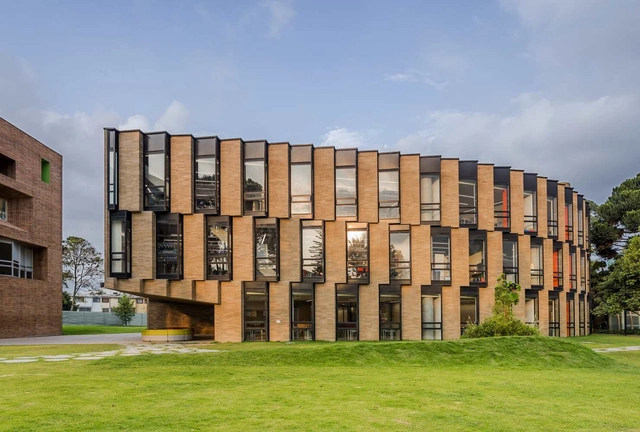
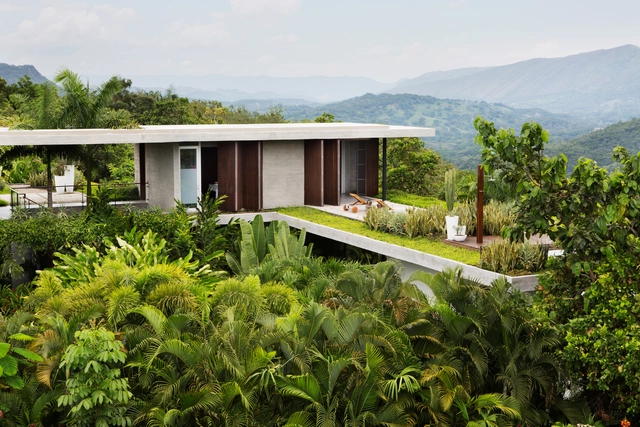
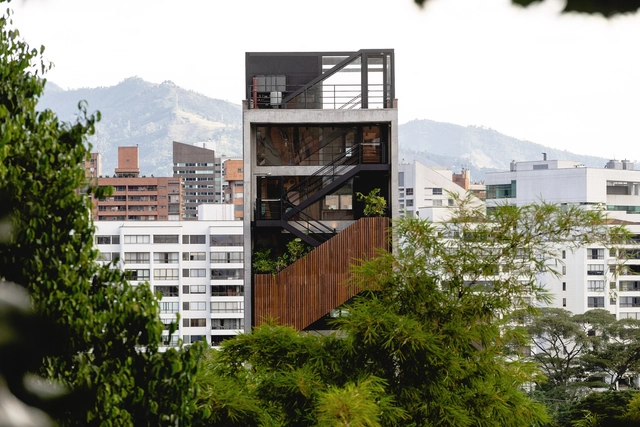
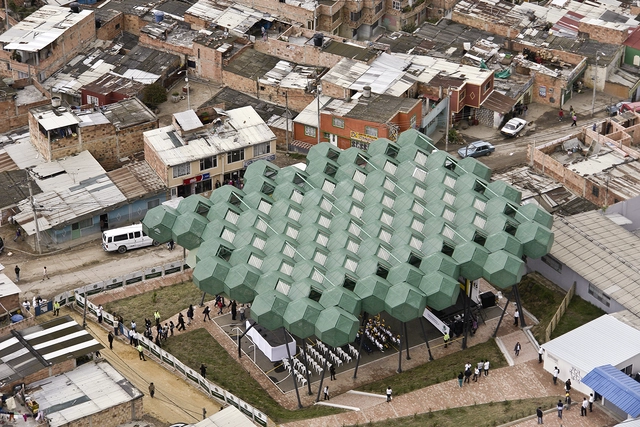
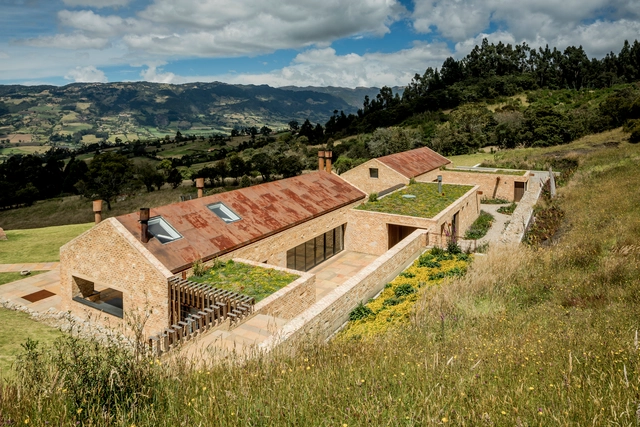
For this selection, we have chosen 10 projects in Colombia that have successfully adapted to their landscape, both in form and construction, across both urban and rural contexts.
The ‘Rogelio Salmona Latin American Architecture Prize: open spaces / collective spaces’ seeks to recognize built works of architecture that create significant spaces for citizens, helping to foster more welcoming cities. Unlike previous editions, this year two categories were established: Latin America and Colombia.
From the 42 submissions, the jury—comprising Sol Camacho (Brazil/Mexico), Nicolás Campodónico (Argentina), Carlos Campuzano (Colombia), Carlos Jiménez (Spain/Colombia), and Mauricio Rocha (Mexico)—selected 26 Latin American works to be published, featured, and exhibited during this 2024 edition. The final awards ceremony will take place on October 24 of this year.
Bogotá is a metropolis that celebrates the convergence of different architectures, reflecting a significant part of Colombia's diverse culture and geography. Limited by the Eastern Hills, it is not only one of the highest capitals in the world, reaching almost 2,600 meters above sea level, but its history dates back to its foundation as the center of the New Kingdom of Granada in the year 1538.
This guide aims to provide an overview of its colonial, modern, and contemporary architecture, highlighting its main buildings and architectural points of interest. From its civic spaces to renowned public projects such as museums, libraries, and cultural centers, this list of 30 sites showcases works by modern architects like Rogelio Salmona and Germán Samper, as well as contemporary ones like Equipo Mazzanti and TAB. We hope it helps you get to know the city!
Being a region characterized by its wide variety of landscapes, biodiversity and thermal floors, the design of interior patios in Colombian homes accompanies the living, resting, access, and circulation spaces, being, on many occasions, protagonists and a source of contact with the surrounding nature.
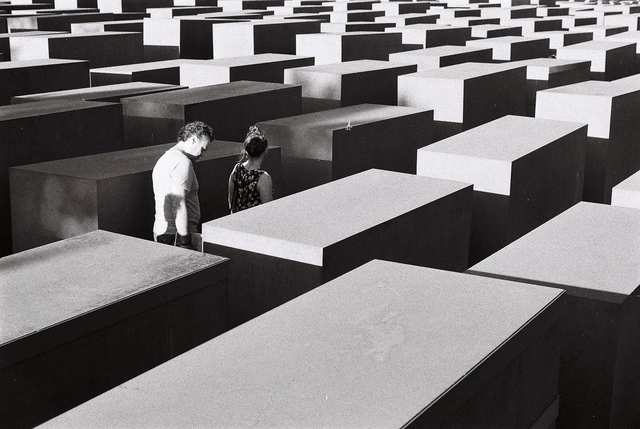
Memorial to the Murdered Jews of Europe. Photo by Alessio Maffeis, via Unsplash
Everything built through human physical and intellectual labor carries meaning. It is within physical matter that we find the remains of ancient civilizations, and through these records, we understand their characteristics, the technologies involved, and their social organization. Cities and major urban centers hold layers upon layers of events recorded in their streets, buildings, plazas, and parks. Often, depending on the development of the place, this evidence is gradually erased, disregarded, and altered.
Educational architecture is crucial for creating spaces that, not only nurture and mold the minds of the future generations, but also provide spaces for the wider public to come and share knowledge and ideas.
Colombia boasts an immense variety of thermal zones that create breathtaking landscapes and dreamlike natural environments. Its flora and fauna vary distinctly depending on region, altitude, and humidity. For architectural practices designing Colombian homes, the natural context is a constant source of inspiration, ranging from incorporating vegetation as interior architectural elements to framing nearby landscapes. When designing spatial perception—whether from within or without—nature is an undeniable component of these projects.
In most architectural works involving level changes, vertical circulation is, almost by implication, a central design feature, with stairs being the most common expression.
Below, we present a selection of projects in Colombia across various typologies where vertical circulation plays a hierarchical, organizing role, and in some cases, becomes the primary driver of the building's space and atmosphere.
During the lockdown, ArchDaily hosted a series of interviews and talks via Instagram Live with some of contemporary architecture's most influential practices. In this installment, we spoke with Giancarlo Mazzanti about everything from the opportunities presented by the pandemic and his architectural philosophy to the notions of foreignness and legacy. Below is the transcript of our conversation.
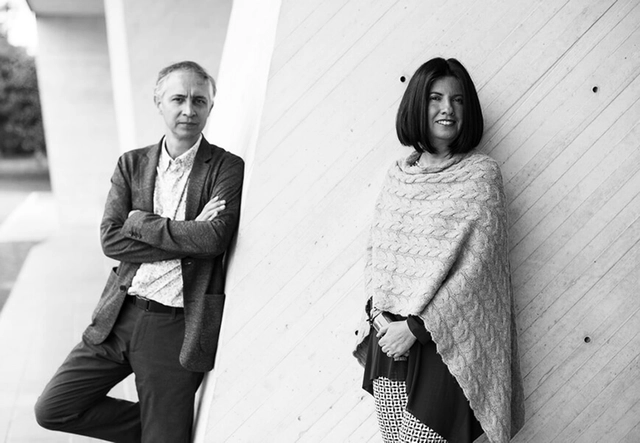
Daniel Bonilla y Marcela Albornoz. Image Cortesía de taller de arquitectura de bogotá
At the start of the lockdown period, ArchDaily conducted a series of interviews and talks in a more informal format. This allowed us to share a space via Instagram Live with some of the most influential contemporary architecture practices from our local sites and around the world.
Here, we present the conversation we had on our Colombian site with the founders of one of the country's most internationally and nationally renowned firms: Daniel Bonilla and Marcela Albornoz, leaders of taller de arquitectura de bogotá. Below is the transcript of our conversation.
Architecture impacts the context in which it is built. However, the user experience ultimately unfolds within interior spaces. Great figures like Rogelio Salmona and Antonio Gaudí conceived their works across the entire architectural spectrum, ensuring that even the finest finish details were integral to the experience.
One thing that unites all human beings is that during the first years of our lives, we absorb our surroundings to develop as we grow. Consequently, education plays an irreplaceably important role. In early childhood, however, learning differs from more theoretical methods, as young children assimilate knowledge through continuous experience, developing their motor skills and their sense of dimension and space in relation to their own scale and body.
Finishes are the skin of the projects we build, serving as the canvases and frames that contain the atmospheres of the spaces we inhabit. As Pritzker laureate Peter Zumthor expresses in his book Atmospheres, it is through the consonance of materials—by joining, mixing, or altering their formats—that a harmonious effect is created in relation to the spatial atmosphere.
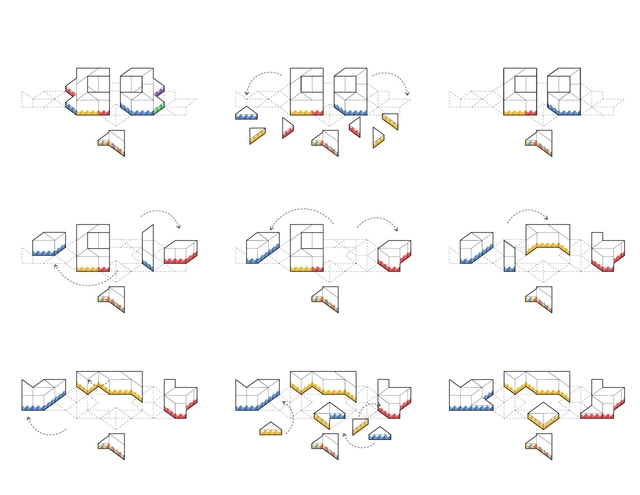
Stopmotion configuraciones. Image Cortesía de El Equipo Mazzanti
The Madrid Institute of Architects has provided a space for El Equipo Mazzanti + horizontal for a dynamic exhibition of their career, showcasing their pedagogical design process through play—a methodology characteristic of the firm led by Colombian architect Giancarlo Mazzanti. The exhibition is on view at COAM until January 24.