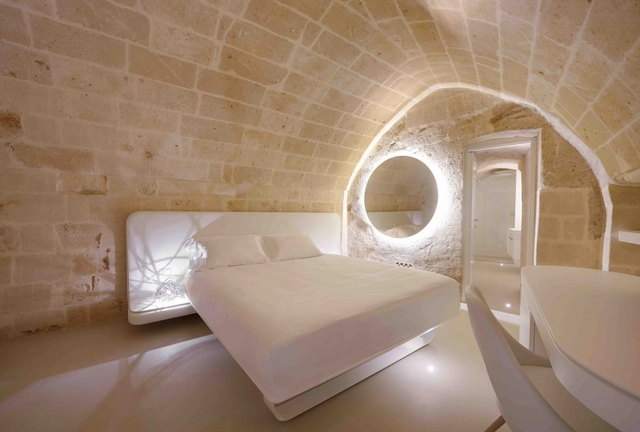
Home automation has long been associated with high costs, a burdening assembly time, and a cumbersome process that impelled us to discard the idea of automating projects. However, these days are long gone.


Home automation has long been associated with high costs, a burdening assembly time, and a cumbersome process that impelled us to discard the idea of automating projects. However, these days are long gone.
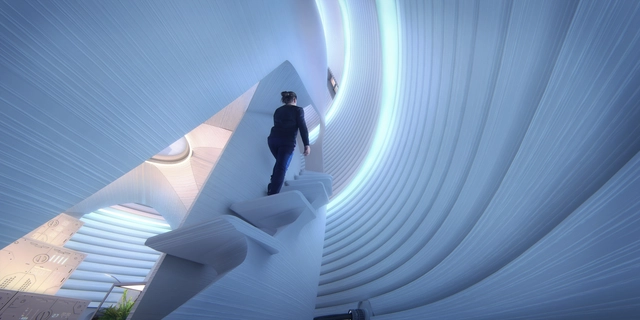
In Her, a 2013 film directed by Spike Jonze, a lonely writer develops a love affair with the virtual assistant of an operating system. Brave New World, a book written in 1932 by the English author Aldous Huxley, fabricates a dystopian society whose cult of efficiency and rationality creates a humanity that ignores hardship and pain but also represses love and freedom. In Mary Shelley's 1818 book Frankenstein, considered the first science fiction novel, a life is artificially created, producing a monster with human characteristics: wills, wishes, and fears. Whether describing the fear of artificial intelligence, the uncertainty produced by industrialization, or the limits of science, science fiction works reveal less about the future and much more about the moment in which they were created; they speak of the fears and hopes of their own time.
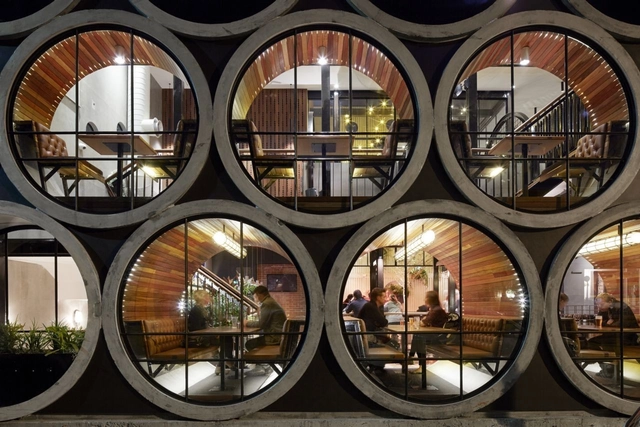
Urban infrastructures provide comfort to inhabitants and mitigate the risks of disasters such as flooding. Underground systems specifically conceal urban infrastructures from public view and are configured as real mazes under the streets. The distribution of drinking water, urban drainage, sewage, and even electrical wiring and fiber optics in some cases, pass under our feet without us noticing. To this end, the industry developed precast concrete parts for about 100 years that provided construction speed, adequate resistance to force, and durability against time. Concrete pipes with circular sections, in many diverse diameters, are perhaps the most used conduits and are ubiquitous around the world. But there are also those who use these apparently functional elements in creative architectural contexts as well.
-1.jpg?1611379381&format=webp&width=640&height=580)
There's no question that 3D printing is here to stay. However, it is still a developing technology that raises certain questions: Is it really effective for massive and large-scale construction? How sustainable is it? Will it go from being an option to becoming the norm in the construction industry?
To help clarify the broader picture of 3D printing's place in architecture and construction, we spoke with Alain Guillen, Managing Director and Co-founder of XtreeE. XtreeE is a platform that allows architects to bring their designs to reality through advanced large-scale 3D printing, which generates quick and precise shapes without material waste. Read below to find out how he and his team envision the future of robotics in architecture and why architects should prepare to embrace this new technology, leading us toward a more efficient yet equally creative future.
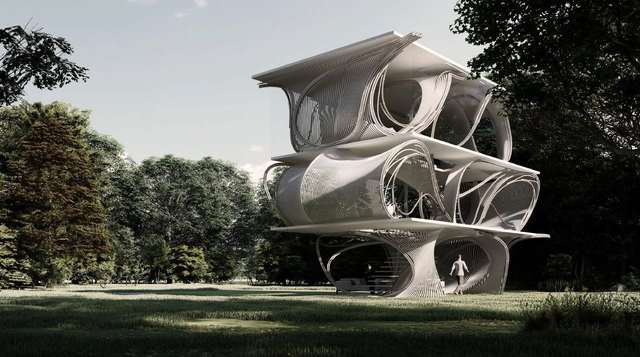
The reBENT project, developed by the Research Group 9 of the March 2019-20 Program of the Bartlett School of Architecture (UCL), explores the interactive relationship between augmented reality (AR) and manual construction processes using PVC pipes –highly resistant and cheap– as a base research material. In addition to taking advantage of its active bending properties to interact with AR, this material provides a fast and affordable system for the creation of complex concrete structures made by weaving together a series of bent PVC pipes and reinforcing bars, which are then used as formwork for glass fiber reinforced concrete (GFRC).
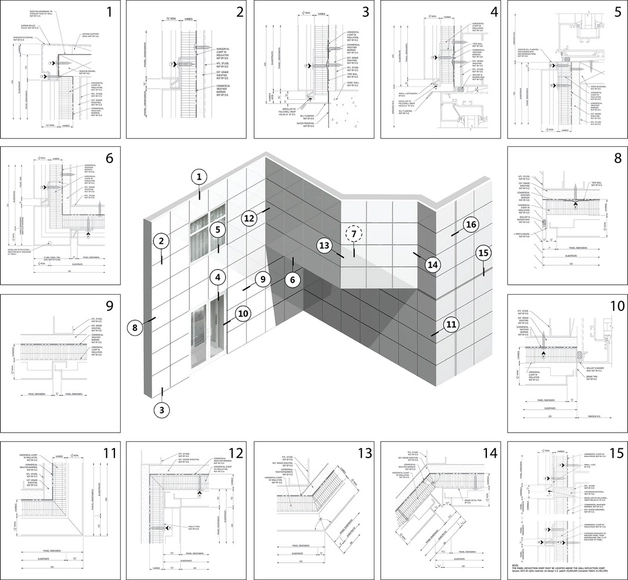
The façade is one of the most important elements in an architectural project. In addition to being the building's first barrier against heat, rain, snow, or wind, it also largely determines the appearance of a building. It can make the project stand out, blend into urban context, or even manifest, at first glance, values of transparency, lightness, or simplicity that the architect seeks to convey. Accordingly, the façade also constitutes a significant portion of the total cost of the work and, therefore, must be specified very carefully, taking into account aesthetics, functionality, maintenance, and long-term behavior.
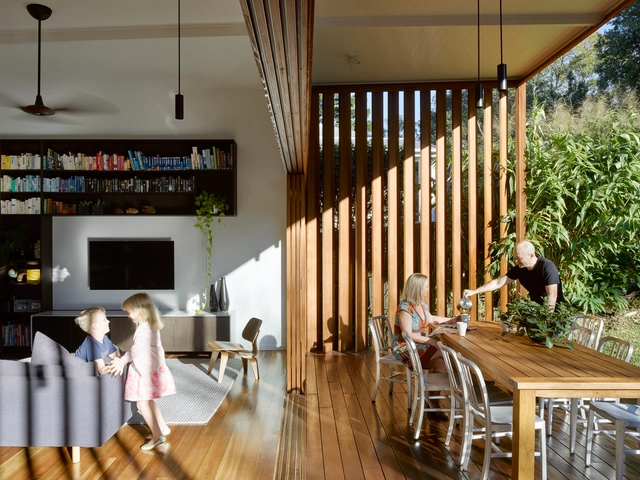
In dystopian films, it is a common trope to depict the sky as filled with a thick fog, blocking the sun's rays and bringing a dark atmosphere to the scenes. Whether in Blade Runner or in a Black Mirror episode, the lack of sun commonly represents a future we would rather not live in. The sun provides heat to planet Earth and is a great source of light energy, essential for the survival of many living creatures. We can generate electricity from the sun and still use only a fraction of the energy it provides. Sunlight also regulates our circadian cycle, which affects our mood. But recent forest fires and industrial pollution in some large cities have already made the dystopian blockage of sun a relatively common phenomenon, depriving hours of sunshine from many inhabitants. Concurrently, with the COVID-19 pandemic, we are living a plot that few science fiction writers could have predicted, and new technologies and solutions have emerged to try to contain the spread of this invisible enemy. Can the sun, or specifically ultraviolet radiation, kill viruses and bacteria? Could it kill the coronavirus?
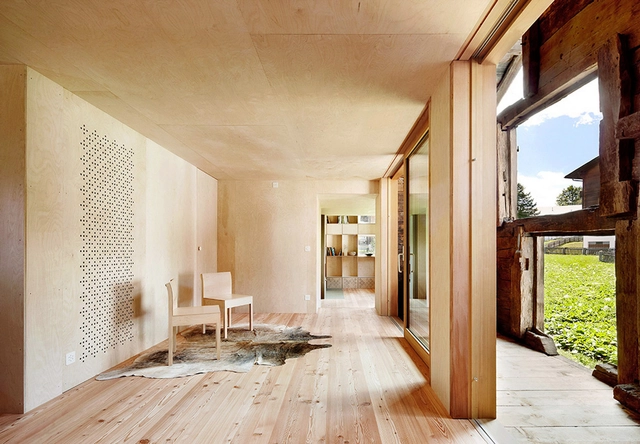
Since immemorial time, humans have constructed their shelter and homes using wood. Gradually these structures grew more complex, but wood has continued to play a fundamental role in architecture and construction. Today, especially due to growing concerns about climate change and carbon emissions, wood has been regaining significance as an important building material for the future, if used consciously and sustainably. Wood’s structural performance capabilities make it appropriate for a broad range of applications—from the light-duty repetitive framing common in low and mid-rise structures to the larger and heavier, often hybrid systems, used to build arenas, offices, universities and other buildings where long spans and tall walls are required.
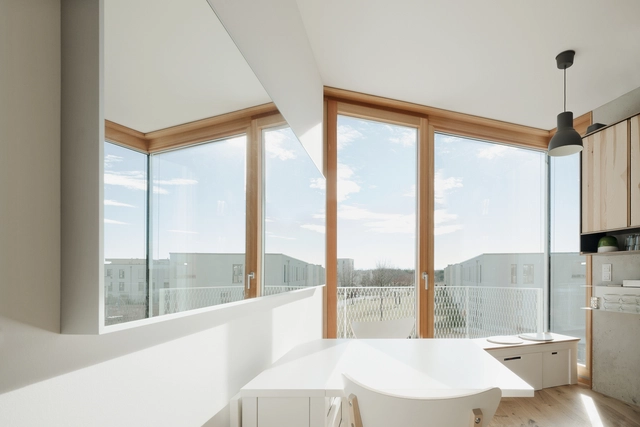
"And a window that looks out on Corcovado. Oh, how lovely." Tom Jobim's lyrics, immortalized by João Gilberto and Astrud Gilberto's voices and a soft guitar, was one of the early songs that introduced the world to the idea of a paradisaical Rio de Janeiro and a promising Brazil, with an increasingly urban population and a modern capital being built from nothing. Almost 60 years later, Paulo Mendes da Rocha casually quotes this song in an interview and points out that for him, in this scene, the most important element is the window, not Corcovado or Christ the Redeemer. That's because it frames the view and directs our eyes to what matters. It is a phrase that goes almost unnoticed, but that carries enormous poetic and artistic significance to the craft of architecture.
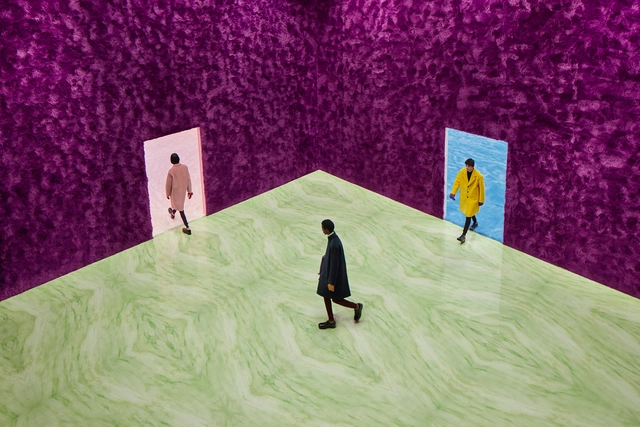
Responding to the challenge of designing a space for the launch of the Prada FW Menswear 2021 Collection by Miuccia Prada and Raf Simons, Rem Koolhaas and AMO have designed four connected geometric rooms that allow for the continuous circulation of the models showcasing their different garments. The general theme of the design centers sensory stimulation. Like the designs presented, the materials used and their distribution throughout the space speak of a more intimate connection with our surroundings, reminding us that fashion and architecture are more than just a functional container; they are an opportunity to actively excite and provoke our senses.
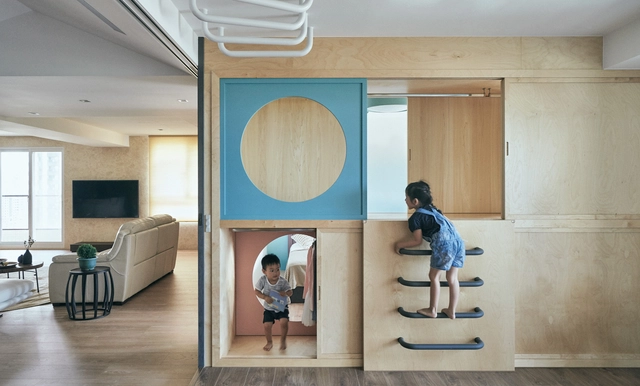
Maria Montessori began to develop her educational method at the beginning of the 20th century. In general terms, the method is a scientific pedagogy that promotes an education that positively contributes to the development of children's brains, respecting their individuality and stimulating their autonomy, self-esteem, and self-confidence.
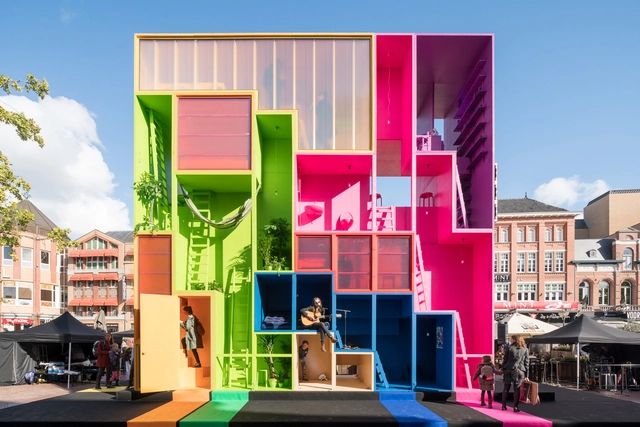
Polycarbonate has become an alluring alternative to glass in facades, as it has different levels of translucency and can provide optimal transmission and diffusion of light. Moreover, it is light, flexible, recyclable, durable, resistant to impact, and includes UV protection, in addition to resisting temperatures between -40°C and 115°C. But beyond its functional properties, this thermoplastic also provides wide-ranging aesthetic opportunities, allowing architects to create unusually dynamic and expressive facades.
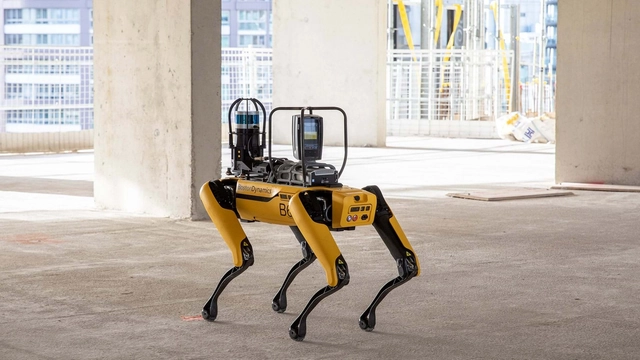
In November of 2020, Foster + Partners announced a collaboration with the robotics design company Boston Dynamics. Together, the two have been testing Boston Dynamics’ robot dog, Spot, to help capture and monitor progress on construction sites. The robot boasts the dexterity to climb stairs, avoid obstacles, and traverse rough terrain, allowing it to monitor building sites and collect data quickly and easily. In this way, designers and contractors can remedy errors rapidly and at minimal cost, ensuring that projects progress according to their set timeframes and budgets. With manual data collection, errors might be noticed at a much slower rate and communication between contractors may suffer as well. Thus, Spot optimizes construction monitoring and on-site collaboration.
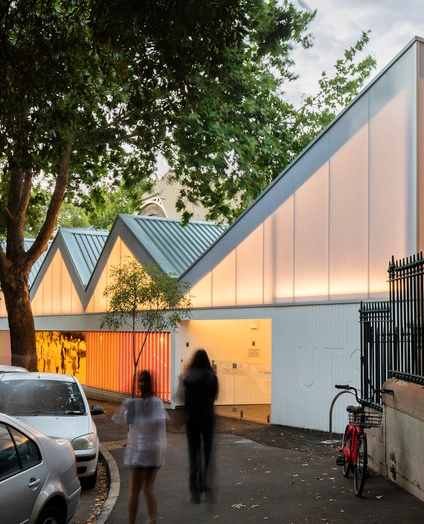
Composed of microcell panels, polycarbonate offers various solutions for the use of natural lighting in architectural enclosures. Whether applied to facades, interior spaces or roofs, the benefits of polycarbonate, such as lightness, clean lines, colored panels, and light effects, offer a wide range of design freedom. Microcell panel technology reduces the need for artificial light and favors uniformity in the diffusion of natural light, achieving energy efficient facades and the illusion of spaciousness in interior spaces. Below, we've selected 10 projects that have used polycarbonate as a wrapping material.
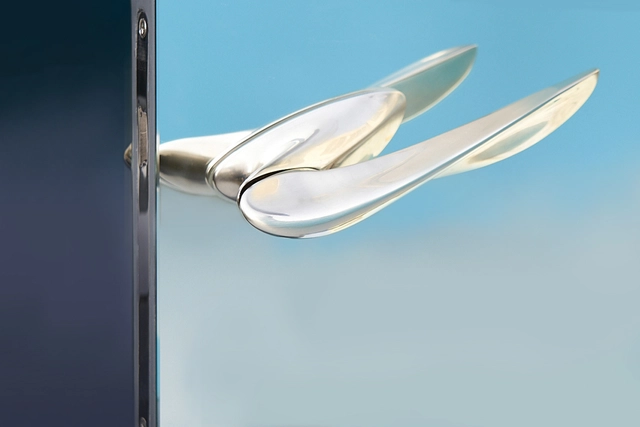
A single, continuous line unbroken by handle rotation: such was the simple, yet difficult-to-execute design concept motivating Zaha Hadid Design’s new innovative door handle. The result is a beautifully molded sculptural yet ergonomic design, playfully balancing form with function.
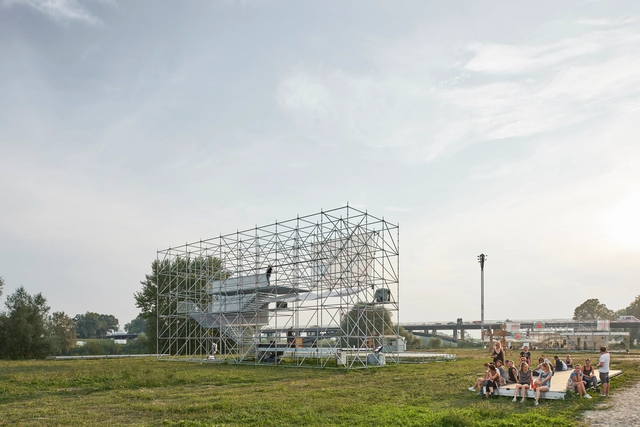
Little has been said about the contribution of scaffolding to the history of construction. These structures are generally treated as mere equipment and, as a result, their records are very scarce. Without scaffolding, however, it would be almost impossible to construct most of the buildings we know. Scaffolding allows workers to reach and move materials at difficult points in a construction, providing safety and comfort. But in addition to its role as a support structure for buildings, we have also seen that scaffolding can be used for mobile, temporary, and even permanent structures. Below, we explain its history and possibilities for use.
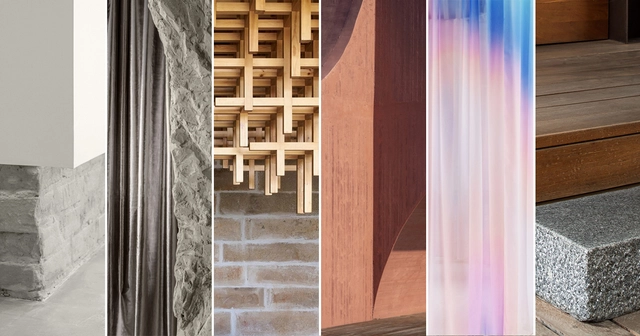
It is difficult to start any retrospective text on 2020 without sounding too cliché. While facing an invisible enemy that changed everyone’s lives, this past year has taught us that humanity is more fragile than we ever imagined. At Archdaily, it’s our job to synthesize how the buildings and the world we live in will be impacted by COVID-19 not only in the short term but in the distant future as well. Has our perception of the built environment changed this year? And has our relationship with the tectonics of buildings changed with all of the obstacles we’ve faced along the way?
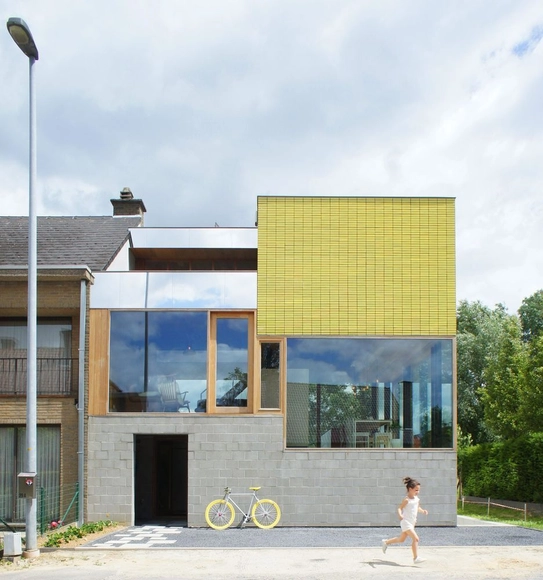
On December 9, Pantone announced its color(s) of the year for 2021: PANTONE 17-5104 Ultimate Gray and PANTONE 13-0647 Illuminating. Selecting two colors for only the second time in 22 years, Pantone described the chosen yellow and gray as independent but complementary, representing a theme of unity and mutual support. Whereas PANTONE 13-0647 Illuminating is bright and vivacious, PANTONE 17-5104 Ultimate Gray is firm and dependable, the marriage of which represents strength, optimism, and fortitude following a markedly challenging year. In architecture, this palette combining playfulness and solemnity has been used in social spaces, domestic spaces, care spaces, and more to communicate similar themes of resilience and positivity.
Below are 14 examples of projects using Pantone’s 2021 colors of the year.