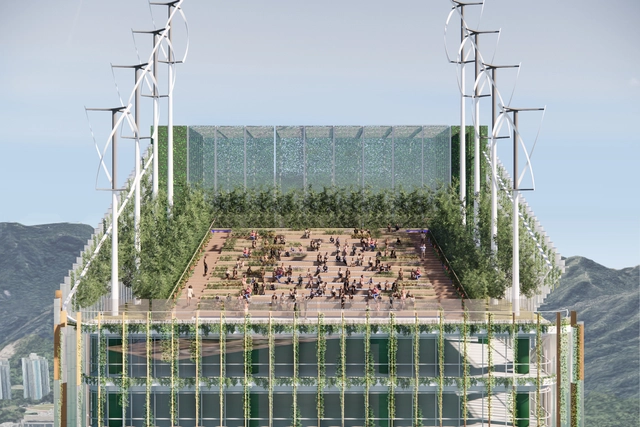
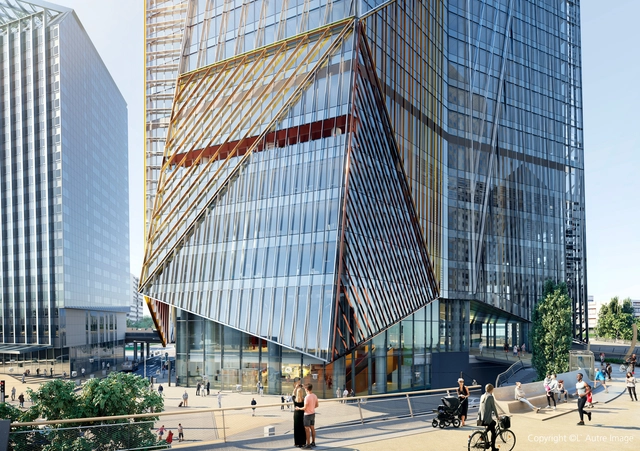
Torre Taikoo Green Ribbon / ARUP. Image Cortesia de ARUP
Discussing carbon neutrality in architecture should not only be based on local materials and new technologies, since there are many aspects that impact the construction production chain. From design to construction, without losing sight of the context and economic system of our society, the construction industry is responsible for a considerable part of the energy consumed worldwide. In order to interfere in this reality, it is necessary to expand the fronts of action, questioning the place of construction in our society.
Cladding systems have important functions in buildings. They can confer thermal insulation, protect internal spaces from the weather and–just as important–give the building a "face", improving its appearance and clearly identifying the element of design. "Cladding" refers to the components that are linked to the structure of a building to form non-structural external surfaces. While in the past wooden cladding was the only option, there are currently multiple possibilities of materials, colors, weights, textures, anchoring systems, and many other variables available. Below, we outline some of the main materials used for façade cladding, and the projects that use them in a remarkable way:
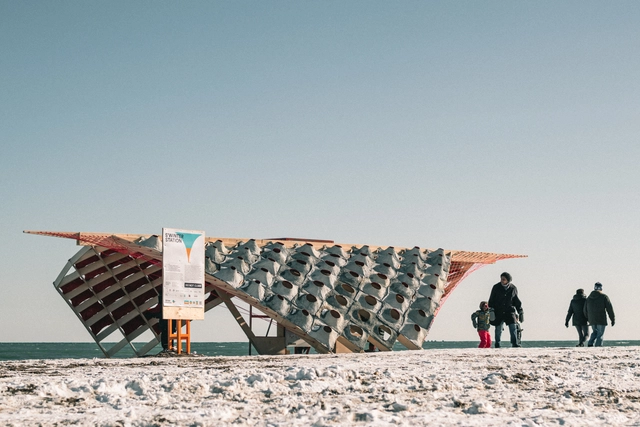
Cortesia de S'Winter Station - Ryerson University – Department of Architectural Science
The construction industry has experienced severe changes in recent decades. Historically, it counted on abundant labor and a false notion that natural resources were infinite, but nowadays the sector has struggled to find innovations that will allow it to become more sustainable, especially considering its enormous impact and importance in the world. In addition, the recent Covid-19 pandemic changed several factors and dynamics, demanding creativity from designers to overcome challenges. In some cases, the design process itself became subject to changes. The S'Winter Station project, developed by students and teachers of Ryerson University's Department of Architectural Science, is one of these examples which relied on existing visualization and manufacturing technology for its completion.
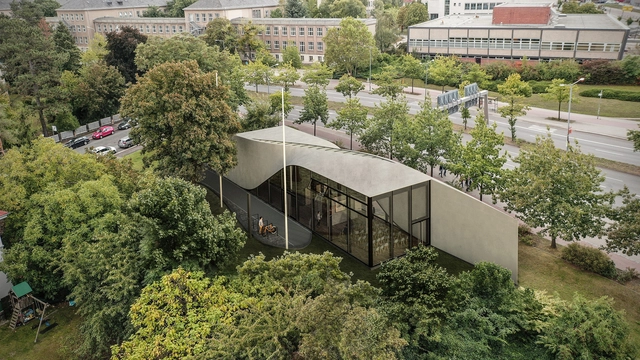
Cube / HENN Dresden University of Technology. Courtesy of Iurii Vakaliuk
Seen as one of the great promises for the future of construction, carbon concrete mixes strength, lightness and flexibility. In addition, at a time marked by a serious environmental crisis that puts the construction methods of the industry in check, carbon concrete emerges as an alternative that approaches the guidelines of sustainability.
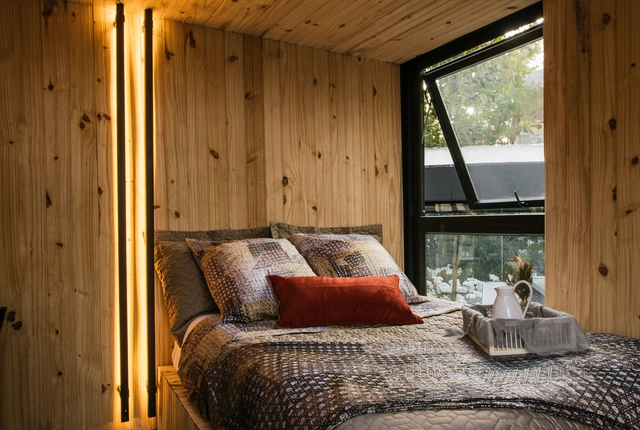
Plywood, laminated timber, MDF sheets and OSB boards are all good, can be economically viable and efficiently fulfill certain functions, but none of them offer the same atmosphere as solid wood. The nobility of this material is usually accompanied by a high cost, but the aesthetic and sensory qualities are unparalleled.
https://www.archdaily.com/979185/solid-wood-furniture-in-interior-architectureEquipe ArchDaily Brasil
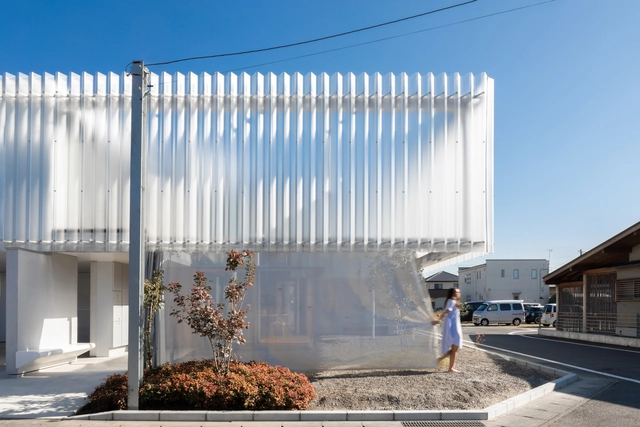
Whether blending in or standing out, embodying transparency or solidity, expressing coarseness or softness, a façade is the medium through which we engage with architecture. It tells a story and can often set the tone for the rest of the interior. But apart from defining a purely visual experience, a building’s envelope must also be practical, durable and have the ability to properly manage natural lighting and ventilation needs. After all, by being the point of contact with the outside, it is responsible for mitigating sounds and providing protection from climatic conditions, such as wind, rain, heat and humidity. Therefore, when designing a facade, it is important to consider a balance between performance and a beautiful aesthetic. Of course, many materials successfully meet these criteria. But when it comes to creating a comforting, light-filled ambiance while ensuring resistance, ease of installation and versatility, the properties of translucent polycarbonate panels seem to be unparalleled.
PVC, as the synthetic material Polyvinyl Chloride is called, or Polyvinyl Chloride, is one of the most produced plastics in the world, reaching 40 million tons per year. Its application is quite varied and in construction it has found different branches, serving both as an input for infrastructure and for finishing.
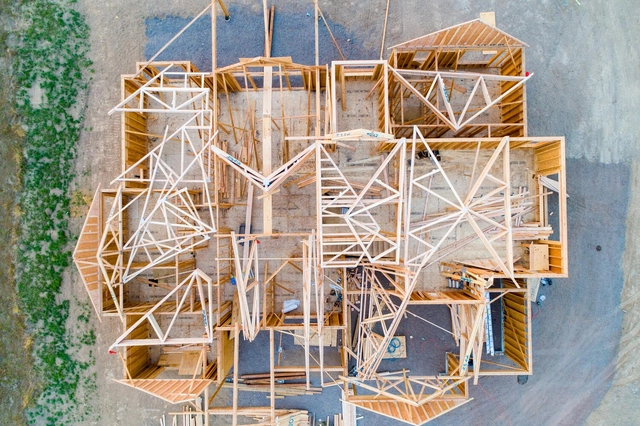
One of the first elements used by humans to build shelters, wood is a versatile material that, along with technological advances, remains a protagonist in the construction industry, being used in different ways and moments in a work.
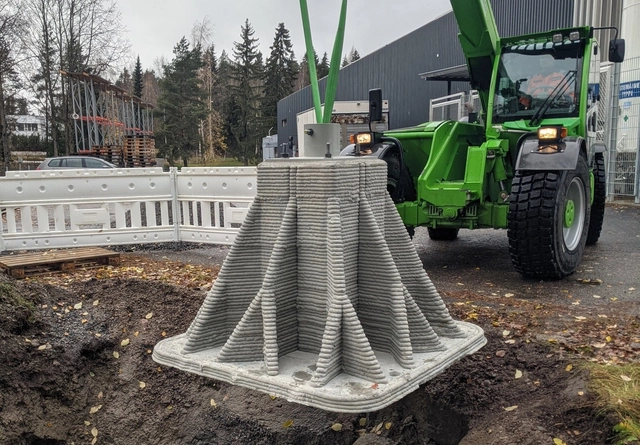
After water, concrete is the second most-consumed material on the planet and its production is substantially growing, expected to increase from 4.4 billion tons, reaching production up to 5.5 billion tons by 2050. Unfortunately, this comes at a huge environmental cost, accounting for almost eight percent of the global carbon emissions. With this estimated expected growth, stakeholders in the construction industry must work on integrating sustainable building materials and innovative processes.
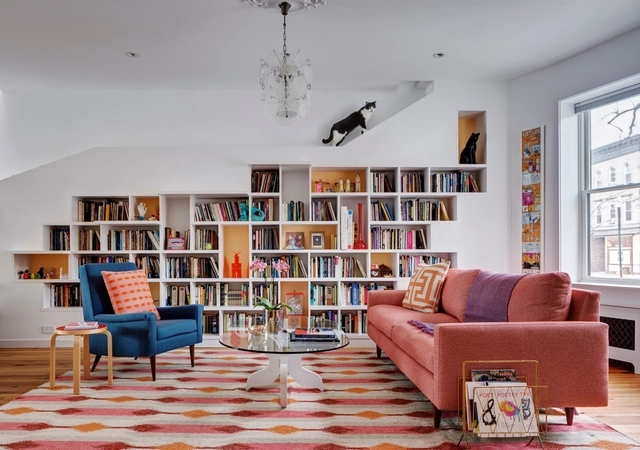
In times of an ongoing global pandemic and constant video meetings, more and more people are leveraging their bookshelves at home to not only create appropriately stylish screen backdrops but also communicate credibility. There’s even a Twitter account on the subject. That being said, not everyone has a library-worthy collection to display or the space to store heavy art volumes. But whatever your personal shelf dream – even if it involves cats – here are five design elements that will help you make the most out of a tool you didn’t know you had, plus real examples of how they are being used to enhance bookshelves in projects around the globe. Head to the bookshelf section on Architonic for further inspiration and concrete product examples.
Overtaking the Tour Firstskyscraper, the 48-story, 220-meter HEKLA Tower will be the tallest building in Paris’s La Défense business district, as well as the second tallest building in all of France. Currently under construction and designed by Pritzker prize-winning Jean Nouvel, it is set to become a powerful architectural statement. Due to complete this 2022 in the midst of the sector’s redevelopment program, the futuristic skyscraper spreads over 76,000 sqm of floor area distributed in offices, services, lobbies, an amphitheater, projection rooms, performance halls, restaurants, bars, gyms and loggias. All of this with the aim of providing a unique user experience with vast, flexible workspaces that promote interaction and well-being.
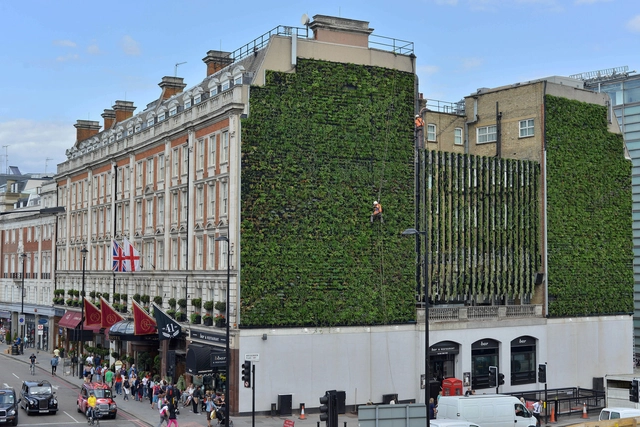
London's Largest "Living Wall" / Gary Grant. Image Courtesy of Green Roof Consultancy and Treebox
A carbon neutral building is achieved when the amount of CO2 emissions is balanced by climate-positive initiatives so that the net carbon footprint over time is zero. Considering their unmatched ability to absorb CO2, planting trees is often viewed as the best carbon offsetting solution. But as cities become denser and the amount of available horizontal space for green areas drastically reduces, architects have been forced to explore other approaches. Therefore, to address these climatic challenges and connect people to nature, exterior green walls have become a rising trend in increasingly vertical cities. Even if there is research to claim that these can positively impact the environment, many question if they can actually contribute to a carbon neutral architecture. Although the answer may be quite complex, there seems to be a consensus: green walls can be effective, but only through good design.
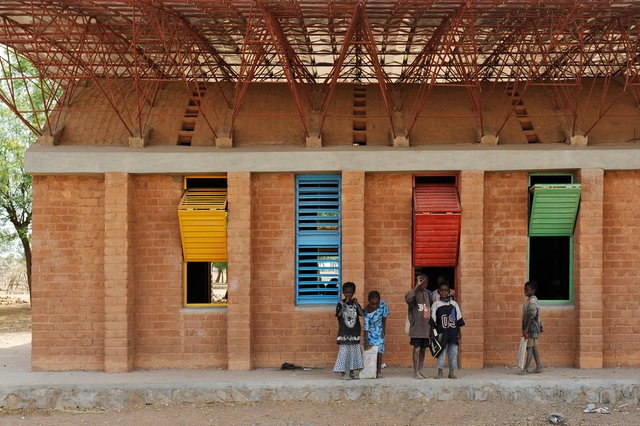
Clay walls have a high thermal inertia. This means that they act as a climate buffer that creates a thermal delay in the flow of heat from the outside to the inside, absorbing it during the day and releasing it overnight. The material is especially suitable for hot and dry climates, such as that of Gando, where Francis Kéré built his first school. After years of studying abroad, Kéré returned to his home community with the intention of building this school with the same materials historically used by locals, which many originally viewed as strange, as he said in this lecture. Despite the initial prejudice, it was the combination of local materials and techniques with Kéré’s acquired knowledge that ultimately gave strength to the project.
https://www.archdaily.com/978851/how-does-francis-kere-use-materials-to-respond-to-local-climate-conditionsValeria Montjoy and Eduardo Souza
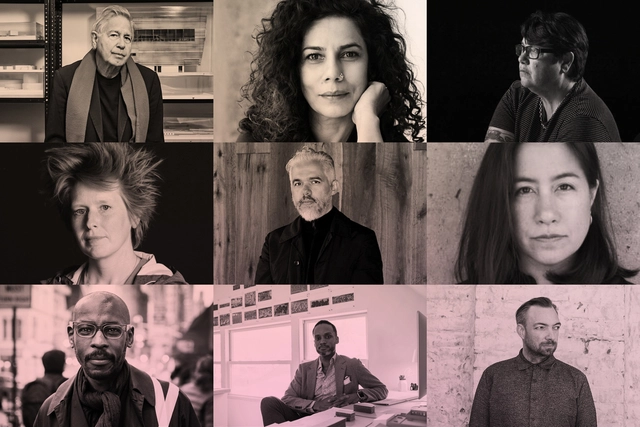
Top left to right: Bernard Tschumi, Anupama Kundoo, Catherine Opie. Middle left to right: Erin Besler, Héctor Esrawe, Ana María León. Bottom left to right: Mario Gooden, Sekou Cooke, Liam Young. Image Courtesy of SCI-Arc
SCI-Arc (Southern California Institute of Architecture) was created in 1972 and based on the concept of a "college without walls". Its original name was New School, which symbolized a paradigm shift in teaching architecture, focusing on a horizontal relationship between teachers and students and on experimentation, making it one of the few independent architecture schools in the world. In 2022, the institution turns 50 and has planned a calendar full of events and projects to take place throughout the year.
Among the many difficulties that the construction industry currently faces, confronting the climate emergency continues to be one of the main challenges. In fact, considering that the sector is responsible for around 40% of global greenhouse gas emissions, aiming towards net-zero, carbon-neutral architecture should and must be the top priority. Although there is a long way to go for most buildings to cancel out the amount of carbon dioxide they produce, the concept is quickly gaining traction and will certainly become the new norm as we look into the not-too-distant future. As a result, the following question arises: how can architects, designers and other actors involved in the industry contribute to sustainable design and net-zero architecture?
Courtesy of The Living. ImageAlive: A New Spatial Contract for Multispecies Architecture by The Living
Advances in biotechnology and material science are opening new material opportunities, with the potential of fundamentally changing the connection between the built environment and the natural world. Building materials and construction account for 11% of greenhouse gas emissions. The AEC industry can contribute to curbing climate change in the following years, and the re-evaluation of commonplace building materials is one of the most critical steps. Bioengineered materials, which grow, produce energy, self-heal, are the next frontier in biology and material science and potentially a path towards a new kind of architecture. Although innovation in these fields is still far away from mainstream commercial use, it promises to dramatically change the image of the built environment.
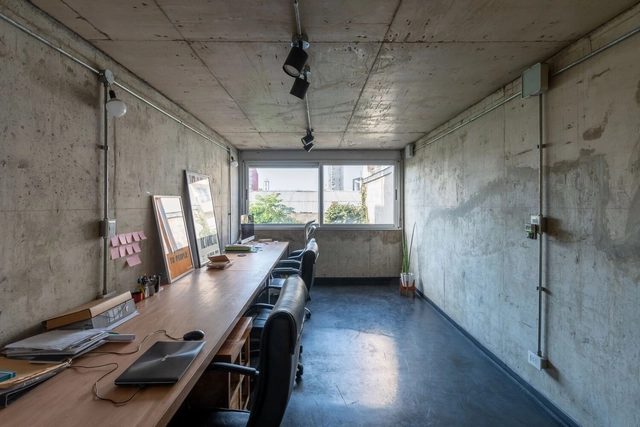
Pipes, wiring and ducts of different materials in walls, ceilings and roofs make up all the spaces we walk through and inhabit. They represent the set of networks and equipment necessary for the development of life in our buildings, providing services such as water, electricity or gas, among many others. According to the regulations in each country and the use defined in each space, the installations can be left visible, giving a certain character and aesthetic to interior spaces.
Take a second to imagine a building or a room. Chances are you are envisioning flat rectangular surfaces and straight lines. Whether it be walls, beams or windows, most architectural elements come in standard and extremely practical orthogonal shapes. However, the pandemic has shed light on designs that are not only functional, but also that improve our mood and well-being. In that sense, the power of curved, free-flowing surfaces is unmatched, which explains why they have been making a comeback as a modern design trend. Adopting beautiful nature-inspired shapes, organic curls and bends energize rooms and make users feel good. In fact, neuroscientists have shown that this affection is hard-wired into the brain; in a 2013 study, they found that participants were most likely to consider a space beautiful if it was curvilinear instead of rectilinear. In short, humans love curves.