Designing Illuminated, Natural and Minimal Interiors

 | Sponsored Content

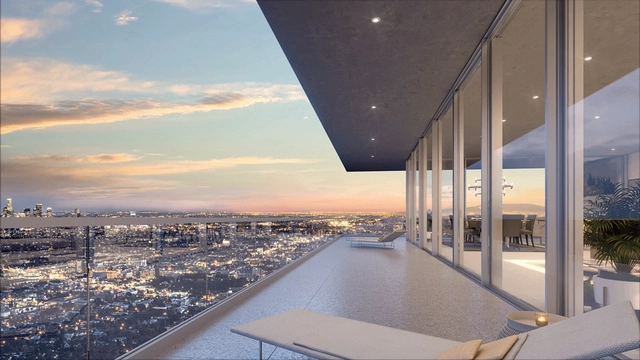
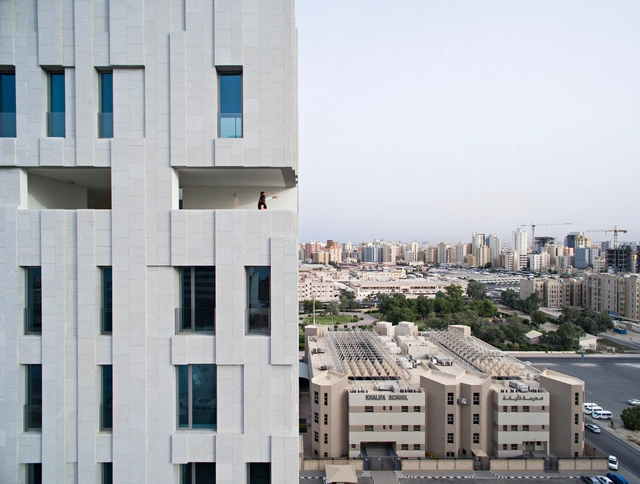
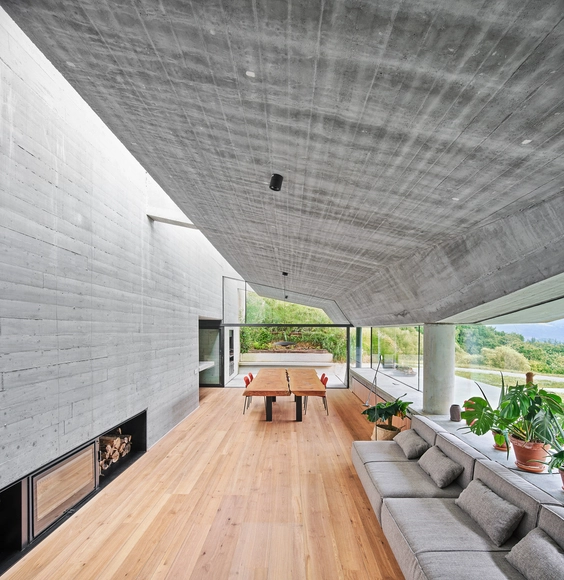
Architects are constantly diving into design strategies that aim to select the best products to create outstanding atmospheres inside their projects. The solutions adopted in projects, especially in interiors, are highly influenced by trends that mirror what society values most at the time. But how are interiors being designed nowadays? With a focus on natural interiors and the interaction with their context, architecture is prioritizing local materials and textures, natural light and the use of minimal furniture that allows continuity throughout space.
The Shower Versus Bath Debate

Subscriber Access | 

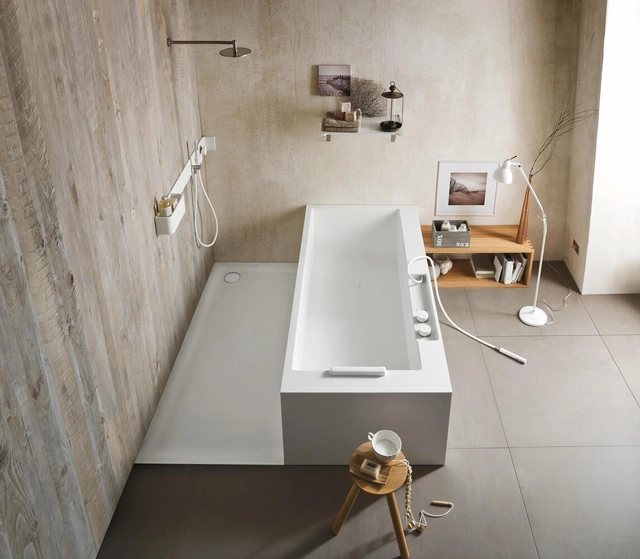
Achieving the perfect bathroom design and layout for each user comes with a lot of very detailed decision-making. One example is the shower versus bath debate, which includes valid arguments in favor of each option, and no objective right or wrong. When designing a bathroom, architects must use their experience and perception to make decisions that will best respond to the layout’s spatial needs. Shower or bathtub standard dimensions, placement of elements, and material selection are some of the factors that must be studied before adjusting to the user’s requirements.

What Are Biomaterials in Architecture?

As part of the effort to make the construction sector more sustainable in the face of the climate crisis, the bioeconomy has stood out. While the road to net-zero architecture is still very complex, the emerging shift in culture and general thinking is evident, and innovation seems to be driving this transformation.

From Bio Materials to Load-Bearing Structures: Fungi, Algae and Tree Forks

As researcher, designer and MIT professor Caitlin Mueller once said, “The greatest value you can give to a material is to give it a load-bearing role in a structure.” Load-bearing components – foundations, beams, columns, walls, etc. – are designed to resist permanent or variable forces and movements. Similar to the bones of a human body, these support, protect and hold everything together. To fulfill that indispensable function, they must be made from materials with outstanding mechanical properties, which explains the prominence of cement and steel in structures. However, their high performance comes at a high cost: together, they account for 15% of global CO2 emissions. This makes us wonder, is it possible for structural materials to be truly sustainable? We know solutions like greener versions of concrete already exist, but there are many other alternatives to explore. And sometimes, the answer is closer than we expect; in the earth beneath us and the nature that surrounds us.

Architectural Polycarbonate Systems: Transforming Daylight into a Powerful Tool

 | Sponsored Content

In architecture, the concept of daylighting refers to when buildings allow natural light inside to provide a number of benefits, from enhanced visual comfort and productivity, to improved health and higher energy savings. However, to reach optimum levels of sunlight, reaching a balance is key; while too much can produce an uncomfortable glare and tremendous amounts of heat, too little can lead to health deficiencies and a greater dependency on artificial lighting. In that sense, the qualities of polycarbonate panels are unmatched, becoming an attractive choice for facades and roofs by achieving a soft, diffused light with varying levels of transparency, brightness and opacity.

Why Circadian-Effective Electric Lighting Matters

 | Sponsored Content

“Counting sheep” is a well-known mental exercise that people use when trying to fall asleep. It is thought to have been popularized by Miguel de Cervantes in Don Quixote, who is said to have been inspired by a twelfth-century Spanish tale. Whatever its origin, it is curious to think that falling asleep has been a problem for so long, even long before the invention of electric light or social networks on smartphones. In the early 2000s, the University of Oxford developed a study to prove the effectiveness of this sheep-related method. The conclusion: this tactic does not work.

Construction Materials that Increase Resilience to Natural Disasters

Eucalyptus forests in Australia are known to burn periodically. It is the trees' way of ensuring propagation, as its fruits – known as gumnuts – have an insulating layer breaks down with the heat of the fire. Once they open, the burnt soil is covered with seeds, initiating a process of forest renewal. Glenn Murcutt, an Australian architect, has created a body of work rooted in the country's landscape. His innovative houses embrace the possibility of frequent fires, including elements that allow for fire control with the least possible loss. In short, the houses are built with very non-flammable materials, always have huge water reservoirs, and a “flood system” that allows the building and its immediate surroundings to be spared in the case of a forest fire.

Design Trends: The New Remodelling of Homes in Barcelona

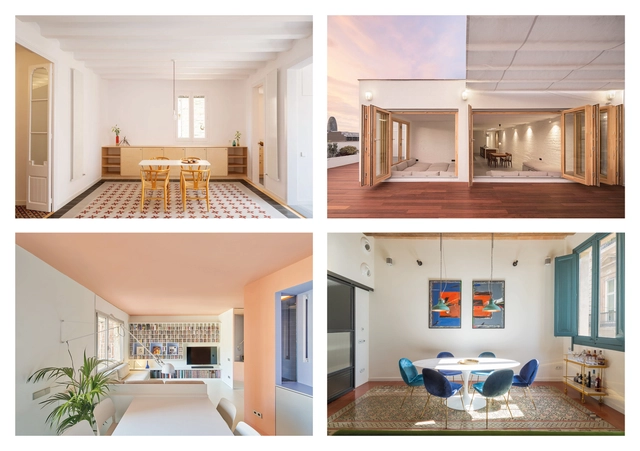
Nowadays, the integral reform of flats in Barcelona is one of the most common activities for both freelance architects and local architectural studios. This is not surprising in a city with more than 4,000 years of history in which there is a lot of buildings and little room for new construction.

Reused and Recycled Materials in 10 Interior Design Projects

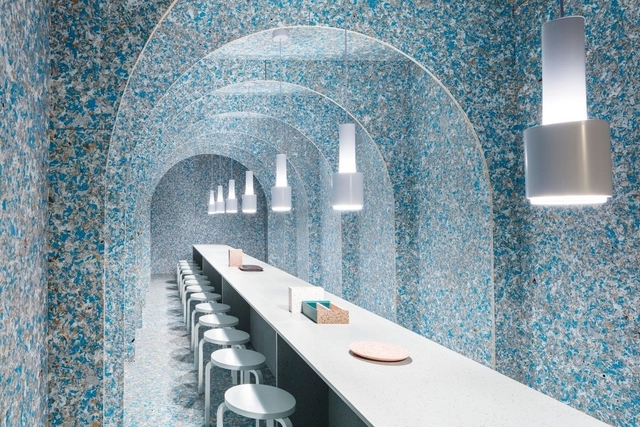
Recycling and reusing in civil engineering is extremely important, especially when considering the amounts of waste production and energy consumption involved in the processes related to the construction site. Creating construction elements by re-designing the role of old objects or materials represents an objective approach to upcycling, as a path towards a more sustainable and responsible future.

How to Prevent ASR from Cracking and Deteriorating Concrete

 | Sponsored Content

Concrete can be found in almost any type of construction around the world. But how is it made? 

Timeless Design Icons: How to Style your Home Sustainably

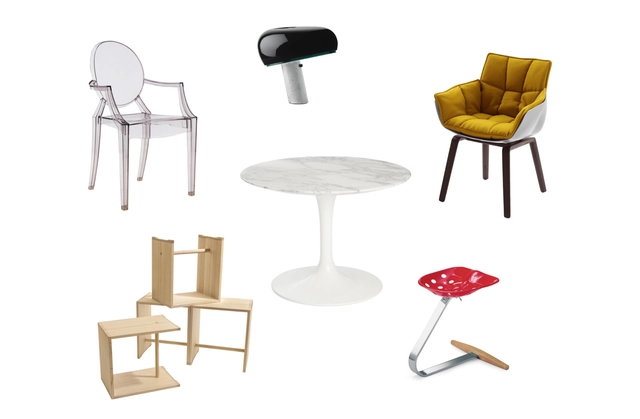
Sustainability is on everyone's lips these days – but mostly with a view to the future and the question of how it is possible to use fewer resources, produce more sustainably and reduce waste. However, sustainability can also be lived with a view to the past or the present – namely with a domestic environment that consists of durable furniture designs that outlast trends and never go out of fashion. In the third part of our series on design icons, we put Philippe Starck, Eero Saarinen, Achille Castiglioni, Patricia Urquiola and Max Bill in the spotlight with their evergreen furniture icons, which can be found on architonic.com.

Balancing Energy-Efficiency and Aesthetics: Large-Scale Thermal Fenestration Systems

 | Sponsored Content

The total energy demand from buildings has risen dramatically in recent years. Driven by improved access in developing countries, greater ownership of energy-consuming devices and increasing urban densities, today it accounts for over one-third of global energy consumption and nearly 15% of direct CO2 emissions. As the climate crisis aggravates and its consequences are more visible than ever, the architecture and construction industry must respond accordingly. It must take responsibility for its environmental impact and give priority to reducing energy consumption, whether through design decisions, construction techniques or innovative products. The key lies, however, in not sacrificing aesthetics and comfort in the process.

Concrete Jungles: 6 Cement Alternatives that can Reduce its Impact in Cities

The expression "a perfect storm" refers to an event (typically an unfortunate one) which is exacerbated due to a confluence of negative or unpredictable factors. It is widely used when describing meteorological phenomena, but can also be applied to other contexts, such as the economy. The analogy can also be used to describe the relationship between the climate crisis and the world's dependence on concrete. As demonstrated in the Chatham House report, while cement (an essential element for concrete manufacturing) is extremely detrimental to the greenhouse effect and climate crisis –representing about 8% of global CO2 emissions–, its global production is nevertheless expected to increase over the next 30 years. It is said that this increase will stem from the demand for rapid urbanization in regions such as Southeast Asia and sub-Saharan Africa. At the same time, the last IPCC report warned that we only have 11 years to reduce emissions and prevent irreversible damage due to climate change. In other words, the cement industry is facing a significant expansion at a time when emissions need to fall rapidly – a perfect storm.

Feeling the Breeze: Comparing Coverage Options for Outdoor Environments

 | Sponsored Content

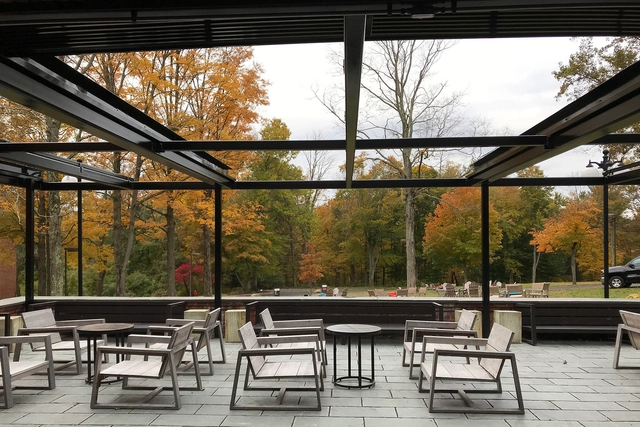
The primary function of architecture, and possibly the most important and basic, is to protect against the weather. Whereas our ancestors would stack tree trunks and animal skins to create rudimentary shelters against the sun and rain, the emergence of architecture took on impressive proportions, creating temples and captivating spaces that fulfill many other functions. The purpose of sheltering people from the outdoors, however, remains an important one and can turn an outdoor area into a functional and engaging space. With all the innovations that currently exist, there are also numerous improvements emerging for their mechanisms and functions.

Guide to Ceilings: Materials and Uses in Architectural Projects

Subscriber Access | 

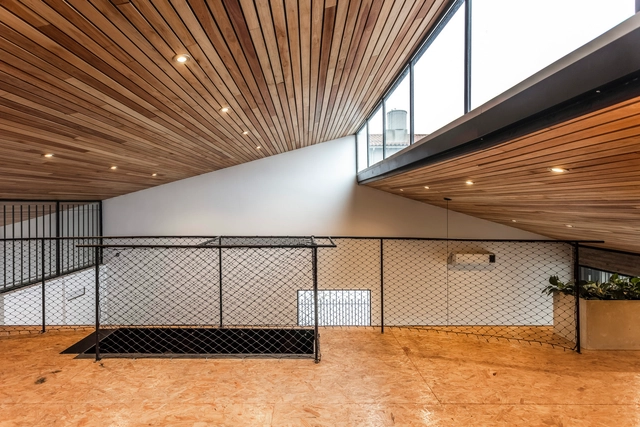
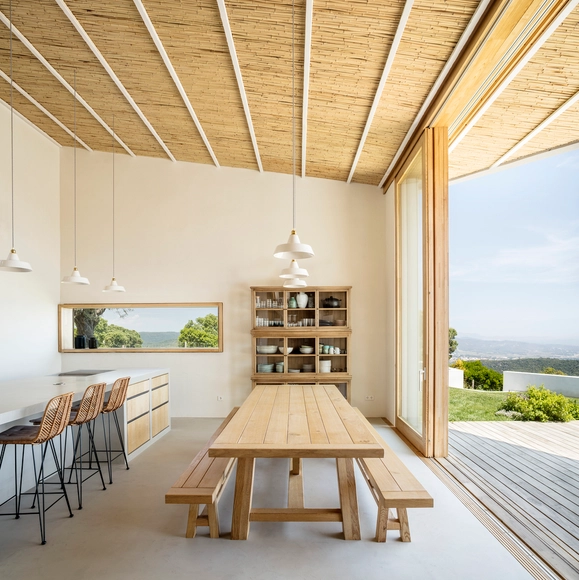
Depending on the aesthetics of a space, the economy of the materials or even their long-term maintenance, there are various types of ceilings that are capable of meeting the technical and functional needs of architectural projects. Regardless of their manufacturing method, whether industrialised or handcrafted, ceilings represent a constructive element that constitutes the finish or interior cladding of roofs.

SCI-Arc’s New Robot Annex: Exploring the Use of AI for Affordable Housing Solutions

 | Sponsored Content

Access to adequate housing is a human right. But with prices rising dramatically, incomes not growing proportionally and ineffective public policies, the lack of secure, affordable homes is fueling an ongoing global housing crisis. In fact, 90% of 200 polled cities were found to be unaffordable to live in, with the impact of COVID-19 only worsening the situation and forcing much of the world’s population to settle for precarious living conditions. This is only expected to aggravate in the not-too-distant future; by 2025, the World Bank estimates that 1.6 billion people will be affected by the housing shortage.

3D-Printed Masonry Wall: The Introduction of Digital Craftsmanship

Subscriber Access | 

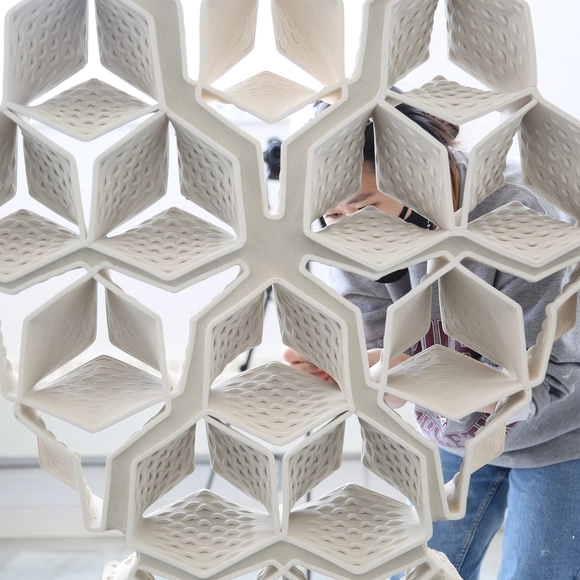
Since the 1980’s, 3D-printing has offered new ways of developing architecture, engineering, and objects of daily use. When it comes to digitizing analogue processes, it is vital for users to become familiar with current tech innovations and their benefits. HIVE Project reshapes the art and craft of building in clay by combining traditional ceramics, smart geometry, and robotic precision to construct a masonry wall composed of one hundred seventy-five unique 3D-printed clay bricks.

Mycelium Materials: The Future of Growing our Homes

Fungi are almost everywhere - in the air you breathe, the soil you walk on, we eat them and yes, they do also live inside of us.