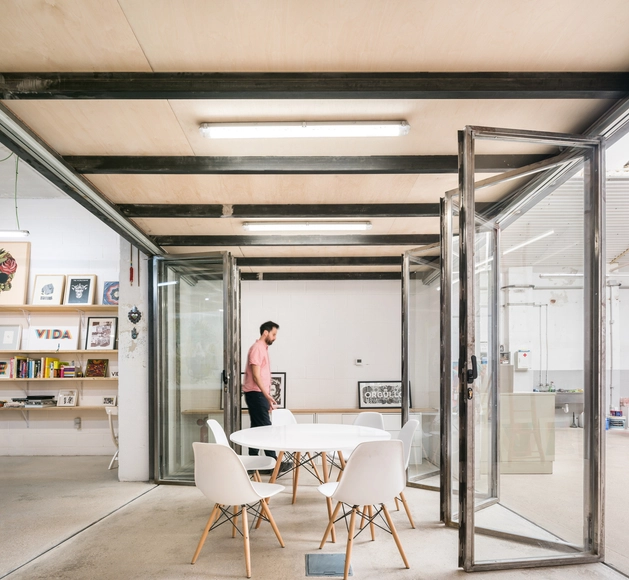
“Two brains are better than one,” goes the old saying. And with good reason. As the social beings that we are, humans thrive through interpersonal interactions and the dynamic exchange of ideas. It is these collective thoughts that tend to flourish, evolve and reach their full potential, fueled by a diversity of perspectives and experiences. That is precisely why teamwork stands as one of the most valued pillars of any working environment, and also explains why office workers spend an average of 37% of their time every week sitting in meetings. It’s no surprise then that modern office settings embrace meeting rooms as designated spaces for collaborative ideation and decision-making. But not in the way many might imagine. Gone are the days of bland conference rooms with nothing but a large table, uncomfortable chairs and white walls, giving way to new, more innovative models that respond to a shifting paradigm.
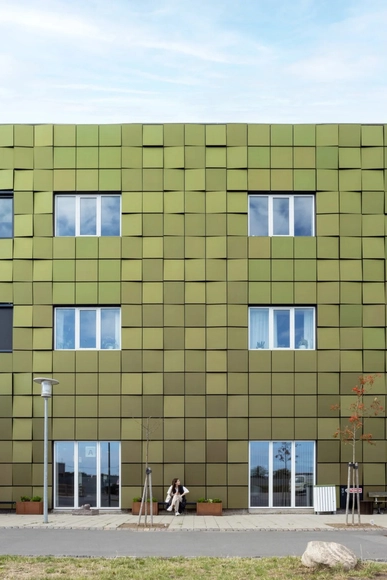
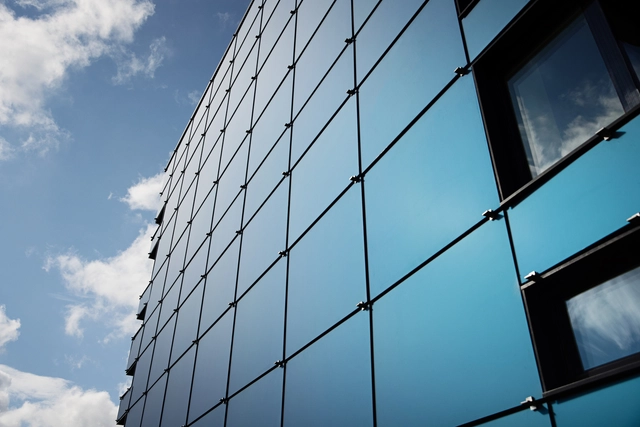
Traditionally relegated to roofs, photovoltaic (PV) panels tend to have a uniform appearance: large black or dark blue rectangular pieces of shiny glass with metal frames. Partly because dark colors better harvest sunlight to be turned into electricity, but also because silicon –the primary material used in most high-efficiency photovoltaic panels– tends to be dark in its crystalline form. Fortunately, there are now technologies to control luster, color and finish that provide aesthetic variety while maintaining high efficiency. SolarLab and other manufacturers are redefining conventional solar panels, introducing design flexibility and material qualities that allow architects to take advantage of large facade surfaces to generate renewable energy without compromising architecturally.
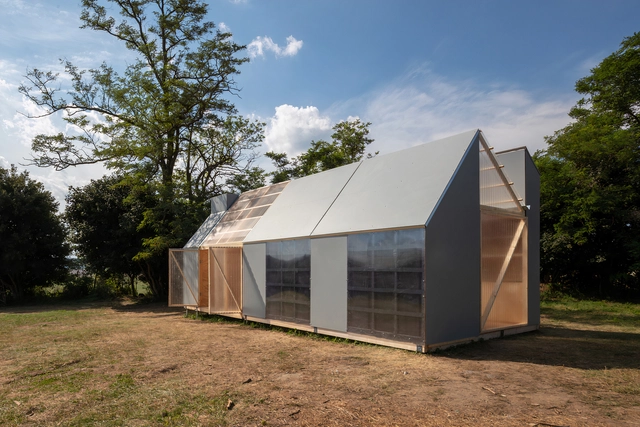
Solar heating has existed in architecture since ancient times, when people used adobe and stone walls to trap heat during the day and slowly release it at night. In its modern form, however, solar heating first developed in the 1920s, when European architects began experimenting with passive solar methods in mass housing. In Germany, Otto Haesler, Walter Gropius, and others designed schematic Zeilenbau flats that optimized sunlight, and following the import of “heliotropic housing” to the U.S., wartime fuel shortages during World War II quickly popularized passive solar heating. Variations of this system then proliferated around the world, but it was not until 1967 that the first Trombe wall was implemented by architect Jacques Michel in Odeillo, France. Named after engineer Felix Trombe, the system combines glass and a dark, heat-absorbing material to conduct heat slowly into the house.
https://www.archdaily.com/946732/how-does-a-trombe-wall-workLilly Cao
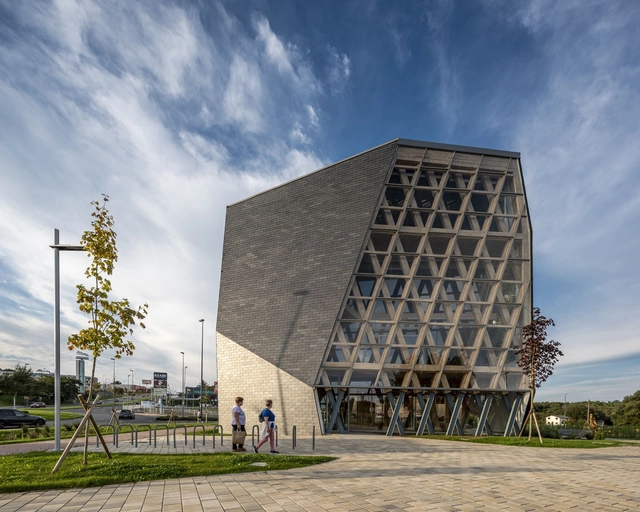
Moving towards modernity implies questioning established concepts. Today, we are witnessing several projects and approaches in architecture that explore alternatives to energy-intensive building systems, materials, and technologies commonly used in today's construction. These projects, far from adopting approaches that reject technology, seek to promote conscious architectural practices. They aim to go back to basics through passive strategies, using natural materials and a contextual understanding to develop sustainable architecture.
https://www.archdaily.com/1010187/sustainable-building-models-an-eco-friendly-structure-in-natural-slate-within-a-multi-ecological-neighborhoodEnrique Tovar
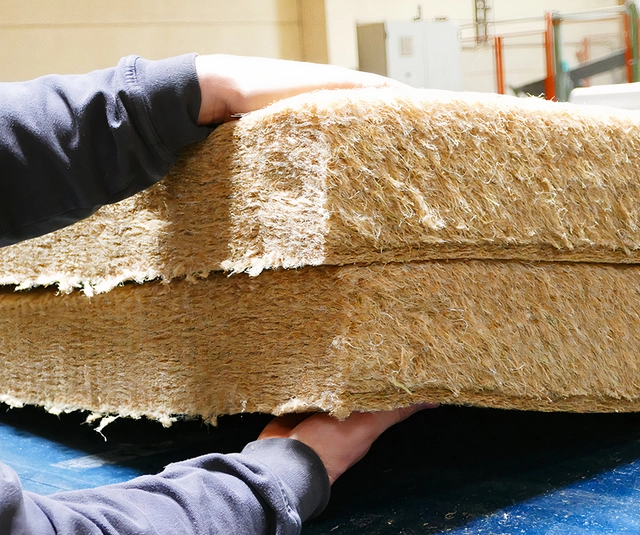
What insulation materials are needed to meet the challenges facing the modern built environment, including how to create a more sustainable future? What if some of them are already available? Kingspan’s dedicated innovation center, IKON, hosted a panel of experts to discuss some of the key issues and explore solutions. Michael Bol, an architect and Concepting Director at Buro Kade, Benjamin Constant, Director of Development and Partnerships at Neo-Eco Partner, and Sandra Del Bove, Kingspan Group Head of Innovation, each brought a different perspective and shared their experiences of these crucial issues.
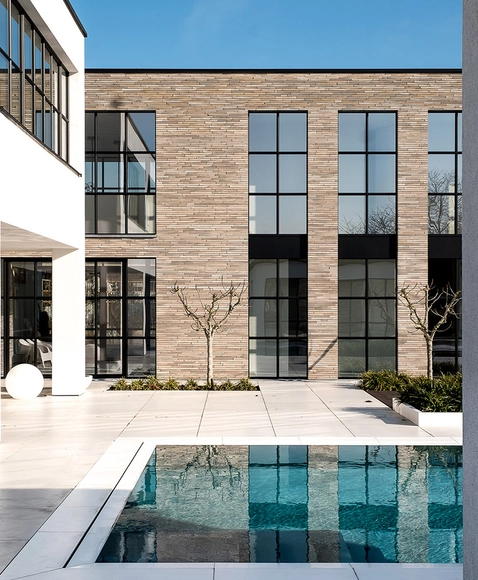
Villa Groot, Belgium / Lemaire & Longeval. Image Courtesy of Randers Tegl
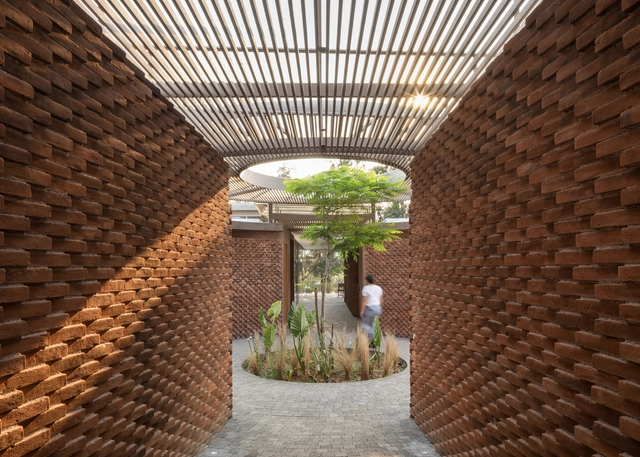
Bricks are versatile and long-lasting building materials that combine technical and aesthetic qualities. In a variety of shapes, dimensions, textures, and colors –depending on the manufacturing process and type of clay– incorporating bricks into architecture creates dynamic facades and structures. From traditional to modern styles, these versatile elements can be arranged in different patterns and easily integrated with other building materials, enabling diverse architectural expressions. In addition to these qualities, the use of bricks in contemporary architecture is distinguished by experimenting with placement, orientation, and material textures, as well as embracing minimalistic design principles focused on simple and clean lines.
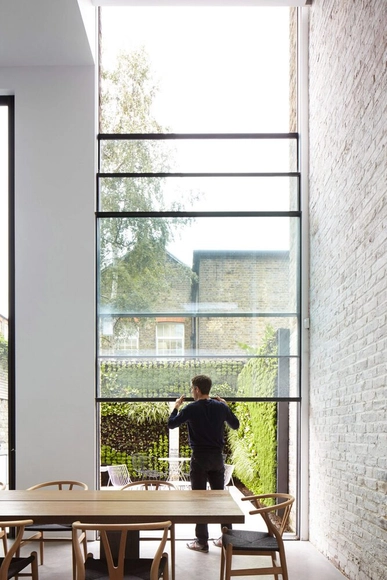
When it comes to windows, we can see how much the industry's technology has evolved over time. While the first versions of windows were small and not very transparent, today we can find large sheets of glass that blur the boundaries between the inside and outside, and can create virtually translucent façades. And this doesn't have to be limited to fixed glass. These days, we can use huge glazed surfaces that can be easily handled, thanks to a great deal of research and experimentation by manufacturers to improve components and raw materials. To create a large frame, for example, larger furnaces are needed for tempering, and strict technical control is required, demanding precision and high-quality standards, along with structural bonding using modified silicones and silyl-based polymers.
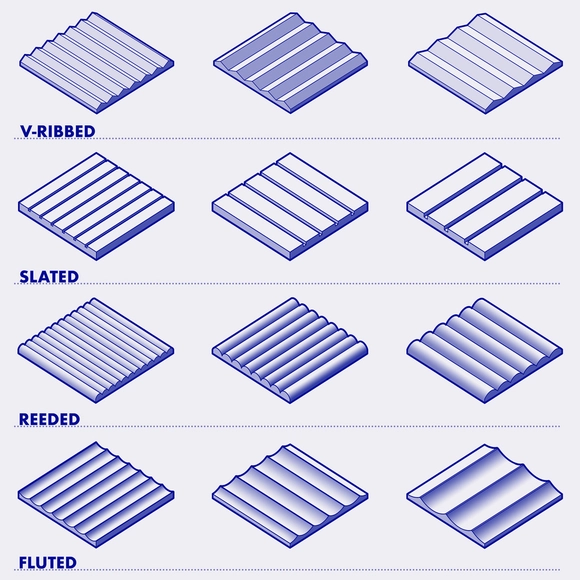
Trends always come and go in the ever-evolving, somewhat cyclical landscape of interior architecture. Whether it’s a new aesthetic, an innovative wall treatment or the latest viral color, certain design features rise to prominence all the time in this dynamic industry. Some fade as quickly as they emerge or resurface in new forms years later, while others endure and stand the test of time through continuous reinvention –often thanks to their versatile and adaptable nature. Ribbed paneling is a clear example of the latter. With its ability to add texture and visual allure to various design styles, it has been a popular cladding choice for bedrooms, kitchens and living spaces in recent decades. And now more than ever, fitting with current preferences that lean towards sleek, tactile and structured elements, it has consolidated its presence in contemporary residential interiors.
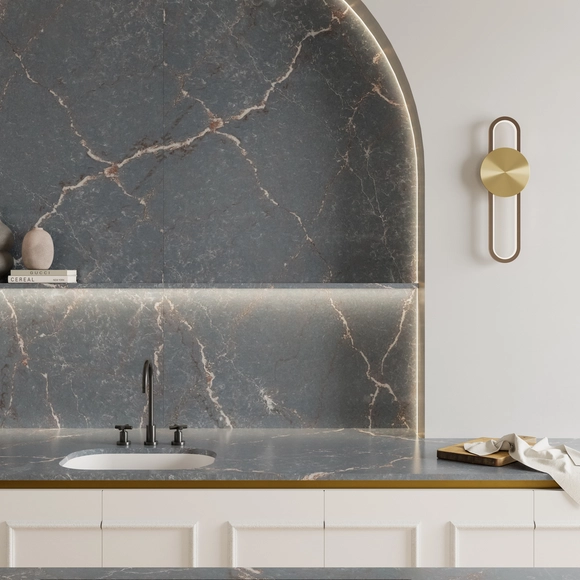
Whether through small samples of materials or a digital collage, a moodboard is a valuable project tool for architects and designers; an inspiration board with colors and elements to guide choices. The objective is to use this as an inspirational tool for upcoming projects, in order to define backgrounds, predominant textures, and standout details. To this end, surfaces play a fundamental role in defining a space and setting the tone of the space, just like a piece of music, where all the other elements may or may not match the harmony of the chosen palette.
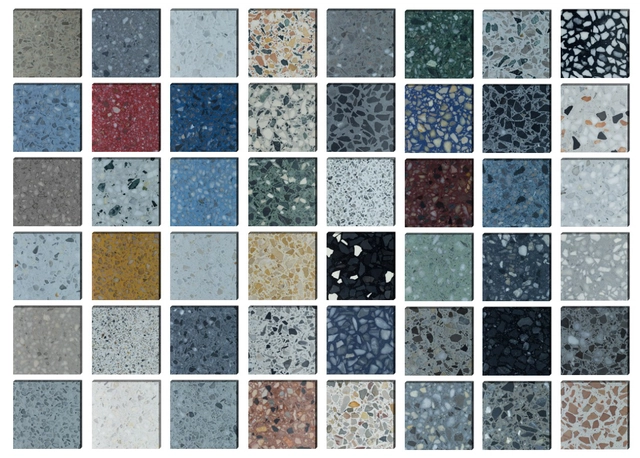
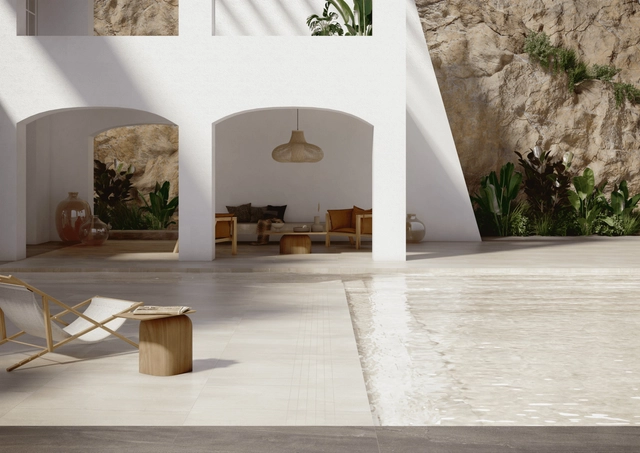
Initially conceived as a way to use fragments from marble construction waste, terrazzo is a material widely used around the world, with its modern roots dating back centuries to Venice, Italy. Its aesthetic is unmistakable, characterized by mottled patterns and a wide range of colors poured onto the floor. It is not surprising that this material is widely appreciated by architects in various types of projects due to its unique appearance. A notable example of the use of terrazzo is the Guggenheim Museum in New York, designed by Frank Lloyd Wright. Upon discovering it during one of his trips, Wright recognized that thanks to its aesthetic appeal and versatility, it would endure as the museum's interior finish.
https://www.archdaily.com/1009577/mottled-and-timeless-why-do-architects-and-designers-specify-epoxy-terrazzoEnrique Tovar
Videos
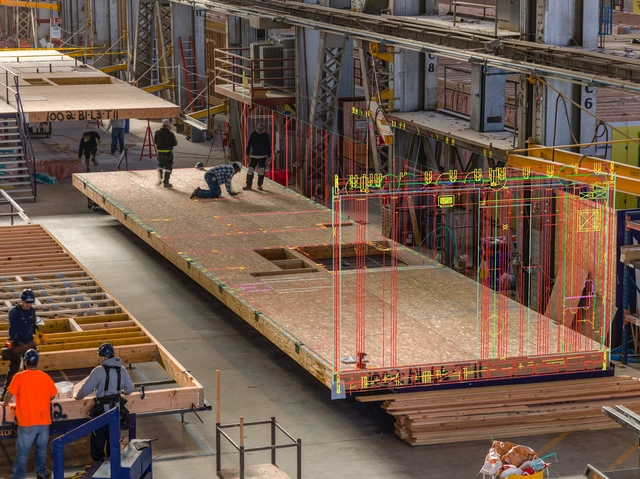
Phoenix Project. Image Cortesia de Autodesk
"In just one generation, we have gone from the pencil to AI.” This quote by Knut Ramstad from the Nordic Office of Architecture encapsulates the seismic changes we have witnessed in the development of architecture projects over the last few decades. By bringing forth increased efficiency and visualization possibilities, the express analysis and deeper understanding of project variables have become much easier. Architectures have become more complex, with more variables, numerous new demands and pressures, and with deadlines not getting any shorter. In this ever-evolving landscape of the architecture, engineering, and construction (AEC) industry, technological advancements have sparked a radical shift in professionals' approach to conceptualizing, planning, and executing projects, expanding a wide array of opportunities and highlighting the transformative power of data as an essential resource. This transformation could catalyze the industry's efficiency and sustainability, with a crucial focus on reducing its carbon footprint and minimizing waste generation.
Solar Facades on Det Grønne Hus. Image Courtesy of SolarLab
Renovations involve design processes that transform, refurbish and enhance architectural elements. From gentle aesthetic changes to structural additions, building renovation can improve functionality, safety, and energy efficiency. By integrating new technologies, contemporary strategies are giving new life to existing buildings, propelling already-built projects into the future.
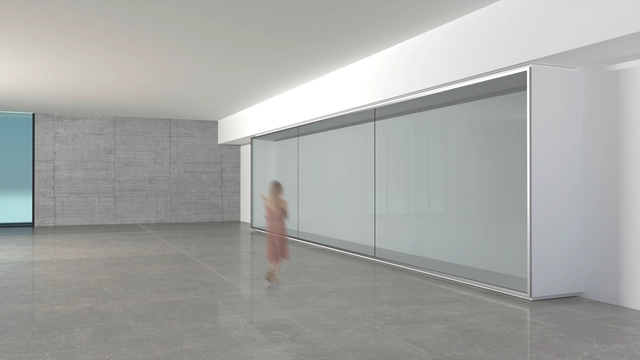
Some of the most memorable and moving exhibitions are the ones that simplify their staging, illuminating objects and narratives while pulling focus from everything else. A stark but meticulous –and above all modern– presentation is the goal of the museum curator. The process of installation shouldn’t be laborious. The fingerprint of the architect shouldn’t be visible. The eye of the visitor wants to see unbroken silhouettes of couture garments, archaeological treasures, and sculptures. Exhibitions tell stories, and the design of each show is the medium. The presentation must be crisp, clear, and light. A sense of perfection elevates the uniqueness of a collection of objects; barely apparent joins, lines and an overall feeling of transparency make that achievable.
https://www.archdaily.com/1009976/elevating-contemporary-exhibition-design-with-sliding-glass-panel-systemsMark C. O'Flaherty
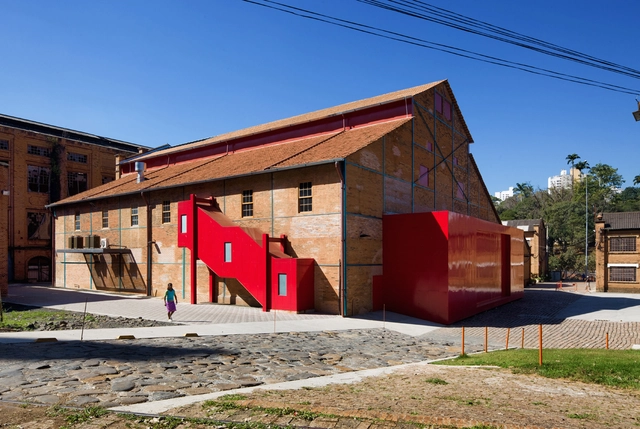
In the global context, the first factories emerged in the latter part of the 16th century, primarily housing typographic workshops. Over time, their purposes expanded to include carpentry, tapestry, and porcelain workshops. However, the recognizable form of industrial buildings we see today only took shape in the 18th century, closely tied to the transformations brought about by the Industrial Revolution. The shift from human labor to machinery fundamentally altered the scale of these structures, turning them into expansive warehouses.
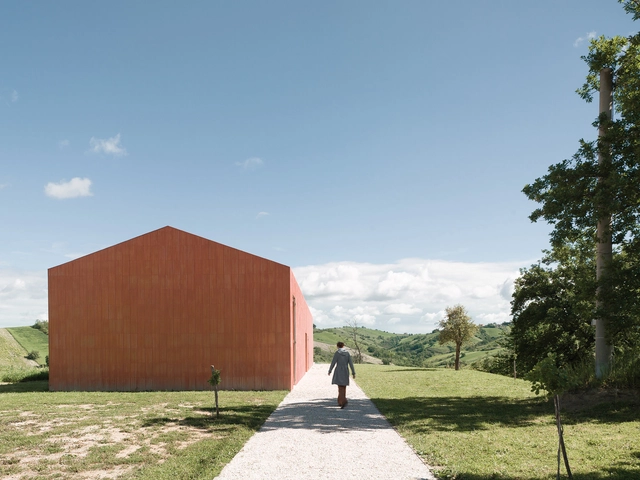
In his Robie House, Frank Lloyd Wright created an ingenious arrangement of public and private spaces that slowly moving away from the street through a series of horizontal planes. Pronounced eaves made the interior space expand toward the outside. Considered the first phase of the American architect's career, the so-called Prairie Houses had marked horizontality, mainly due to the enormous plans created by slightly inclined eaves. Eaves are ubiquitous in most traditional architecture, and in addition to their aesthetic role, they serve several important functions, the primary one being to keep rainwater away from the building's walls and structure. But for some time now, we have seen plenty of projects with sloping roofs without eaves, forming pure and unornamented volumes. This brings us to the question: in these projects, how are practical issues such as draining rainwater?
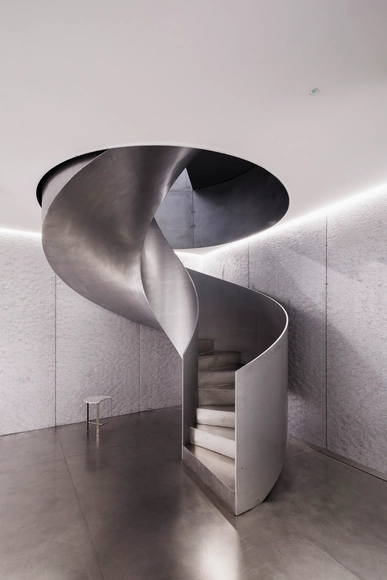
Shortly before the First World War, Harry Brearley (1871-1948), who had been working as a metalworker since he was 12 years old, developed the first stainless steel. Seeking to solve the problem of wear on the inner walls of British army weapons, he ended up obtaining a corrosion resistant metal alloy, and added chrome to the cast iron. The invention found applications in almost all industrial sectors including for the production of cutlery, health equipment, kitchens, automotive parts, and more, replacing traditional materials such as carbon steel, copper, and even aluminum. In civil construction, this was no different, and stainless steel was soon incorporated into buildings.
The term brick is often used as a synonym for common clay solid blocks, but there's more to it. Bricks are perhaps the most elementary of building materials and can be used to design modular, optimized, and most importantly, versatile buildings. This article explores the most popular types of bricks according to their use in construction.
When we conceive an architectural project, it is crucial to transcend mere aesthetics and consider all aspects of our material decisions. The spaces where we live, work, and interact should not only be visually pleasing but also contribute to our safety and comfort. What if, in addition, they could improve air quality and reduce the amount of pathogens on surfaces? This is why the selection of materials plays a fundamental role, and architects and specifiers need to strive to acquire as much knowledge as possible about the materials and systems they incorporate into their projects.