Designing for Plants: The Architecture of Greenhouses and Their Relationship with the Environment

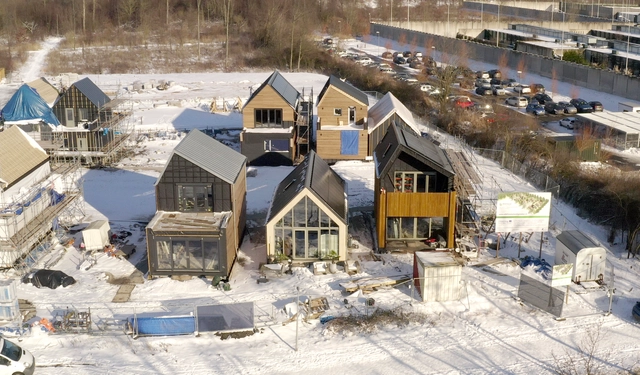
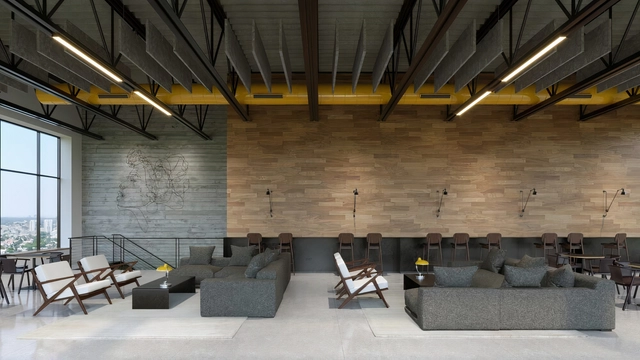
When delving into the envelope of construction and examining how the interior relates to the exterior, the concept of greenhouses emerges as an opportunity to cultivate life indoors, whether dependent on external factors or not. Defined as spaces enclosed by glass or other transparent plastic materials, greenhouses facilitate the growth of vegetables and ornamental plants even during periods of adverse external weather conditions. However, what does designing for plants involve? Climate, species, structural design, and the type of covering are just a few of the considerations to take into account.

How to Make Bamboo Durable? A Step-By-Step Guide

Subscriber Access | 

Bamboo, renowned for its strength and eco-friendliness, often faces a formidable adversary: insects and fungi. Despite its resilience, these pests can compromise its durability over time. However, there exists a simple yet effective solution to bolster bamboo's longevity and sturdiness. In this article, we unveil the Vertical Soak Diffusion (VSD) method—a budget-friendly approach that ensures your bamboo projects stand the test of time.

Rationalise: Elements and Assemblies at Fabricate 2024

On April 4 – 6, the international conference FABRICATE 2024 will be held at the Royal Danish Academy in Copenhagen. Since its inception in 2011, FABRICATE has established itself as a global forum for new radical possibilities for architecture and welcomed thousands of participants from practice, industry, and research.

Harvesting Architecture: A Glimpse Into 3 Plant-Based Materials

Subscriber Access | 

For decades, our society has predominantly embraced an extractivist approach when formulating models for material manufacturing across diverse industries. While we now know that this model is unsustainable, a major question remains: So, how do we do it? We may be a while away from offering a definitive answer to this challenge. Still, it is exciting to note that, in a context marked by a challenging global and ecological horizon, the architectural community maintains a positive approach by pushing for a re-evaluation of what we make and how we make it.

Reframing the Concept of Building Envelope Through Minimalist Windows

 | Sponsored Content

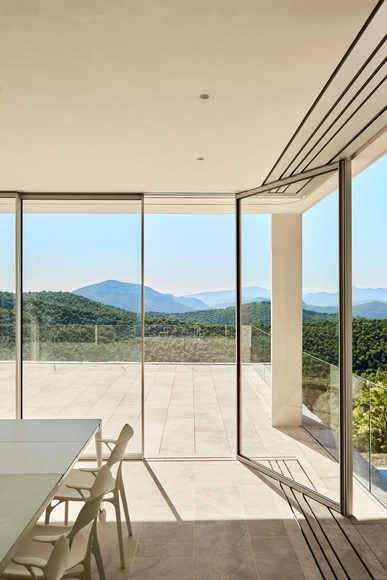
When we talk about the building envelope, we often make the analogy of a skin that protects and wraps the structure, creating a transition in the physical environment. This concept is interesting as it identifies that, similar to its function in humans, the skin plays a role in protecting and regulating the interior setting, besides contributing to the aesthetics of the building. In this way, both the human skin and the building envelope act as elements that respond to the stimuli of the surroundings and the life that develops within them. More than just protective barriers, they are experienced as means of active interaction with the context.

Architecture in Mexico: Projects Using Stone

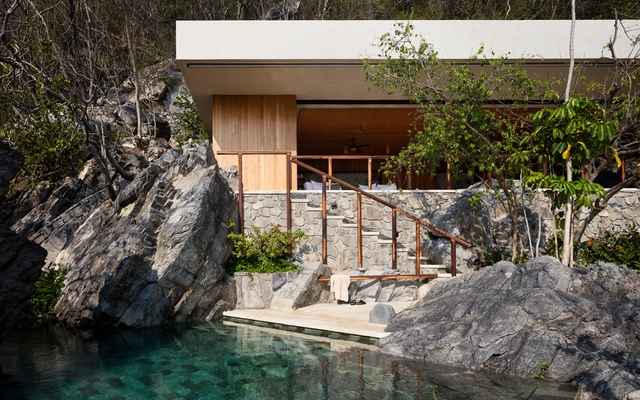
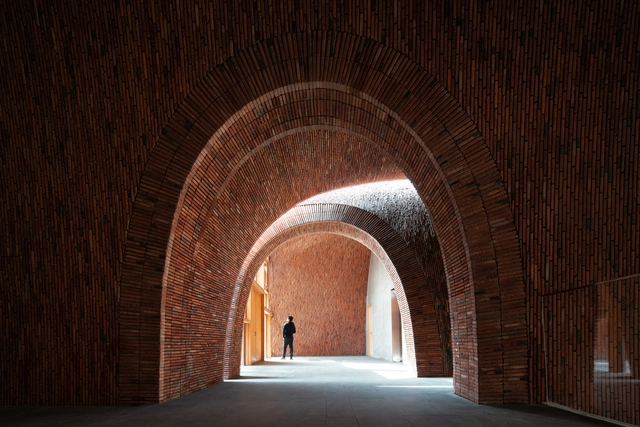
Due to their aesthetic, sustainable, durable, and resistant qualities, stone materials have accompanied the disciplines of architecture and engineering since their origins. As is known, in Mexico, stone has been a fundamental element in pre-Hispanic constructions where experimentation was done with vaults, ashlars, masonry, etc.

Blurred Boundaries: Exploring Transparency in Riken Yamamoto's Architecture

Subscriber Access | 

Transparency, integration and boundaries are key words for understanding the work of Riken Yamamoto. Winner of the Pritzker Prize in 2024, the Japanese architect's work can be recognized for its ability to establish and challenge conventional spatial concepts of materiality, creating spaces that promote interactions and connections between people and their surroundings. Transparency, whether in the physical configuration of the buildings, the choice of materials used or the underlying philosophy applied to all his works, emerges as a central element throughout his career.

Navigating 3D Scanning and Point Clouds: Theory, Practice, and Real-world Applications

 | Sponsored Content

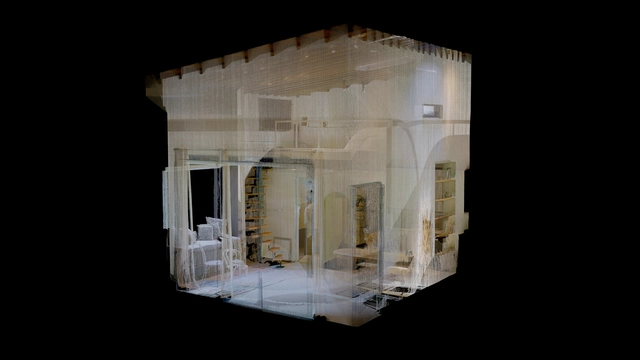
In the coming decades, it seems inevitable that architects will increasingly focus on renovations and rehabilitations –especially in established urban centers–, whether to modernize outdated structures or adapt to new uses and demands by contemporary society. A main challenge when executing these types of projects is obtaining a truly reliable working base, including accurate and true-to-life 3D models. Conducting surveys can be a herculean task, requiring extensive hours or days of on-site work and considerable effort to organize and interpret the collected information, often resulting in data that lacks adequate precision.

Localize: Sourcing and Performance at Fabricate 2024

On April 4 – 6, the international conference FABRICATE 2024 will be held at the Royal Danish Academy in Copenhagen. Since its inception in 2011, FABRICATE has established itself as a global forum for new radical possibilities for architecture and welcomed thousands of participants from practice, industry, and research.

Light as a Design Statement: Inspiring Ways to Manage Natural Lighting

Subscriber Access | 

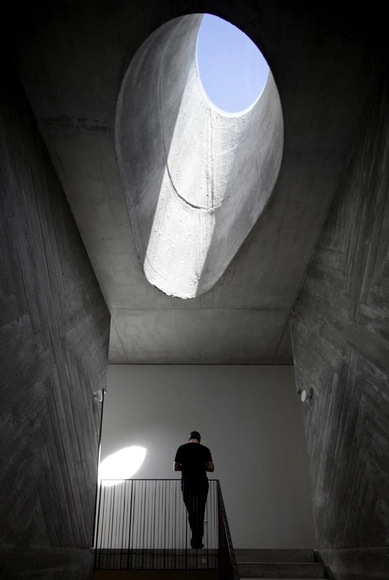
For most people, modern living requires spending most of the day in interior spaces - in fact, according to a report by the Environmental Protection Agency, the average person spends around 90% of their life indoors. As a result, this implies missing out on health benefits associated with sunlight exposure, such as vitamin D absorption, regulation of circadian rhythms, higher energy levels and even improved mood. Thus, one option is to increase the amount of time we spend outdoors. But because most daily functions are carried out inside buildings, it is crucial to incorporate and prioritize natural lighting in interiors.

Crafting Atmospheres: Sensory, Textured Lighting in Architectural Design

 | Sponsored Content

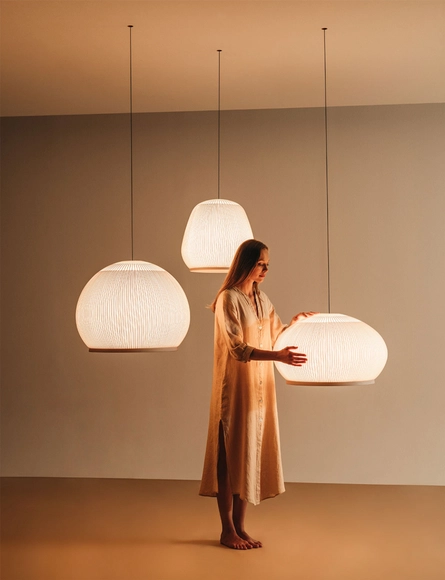
Flat and polished surfaces tend to evoke feelings of coldness and sterility, while raw, natural materials can create a sense of warmth and connection. Textures can trigger memories and emotions, connecting us to past experiences and the sense of touch. In the seminal book "The Eyes of the Skin", Juhani Pallasmaa emphasizes the importance of sensory perception in architecture and objects beyond sight, particularly the role of touch and texture in shaping our experience. According to Pallasmaa, contemporary culture, influenced by technology and visual media, has overemphasized the visual aspect of spaces, neglecting other senses, especially touch, which is vital for understanding and appreciating the surrounding environment.

Arab Designers Crafting their Own Narrative: Design Doha 2024 Explores Identity and Innovation

Subscriber Access | 

Establishing a platform in the Arab world, Design Doha 2024 debuted its inaugural edition in Doha, Qatar. Facilitating dialogues between designers, the event challenges the misconception that the Arab world is composed of a singular culture. It highlights, therefore, the diversity of populations, landscapes, and histories it encompasses.

Design Guide: Working with Fiber Cement Facades

 | Sponsored Content

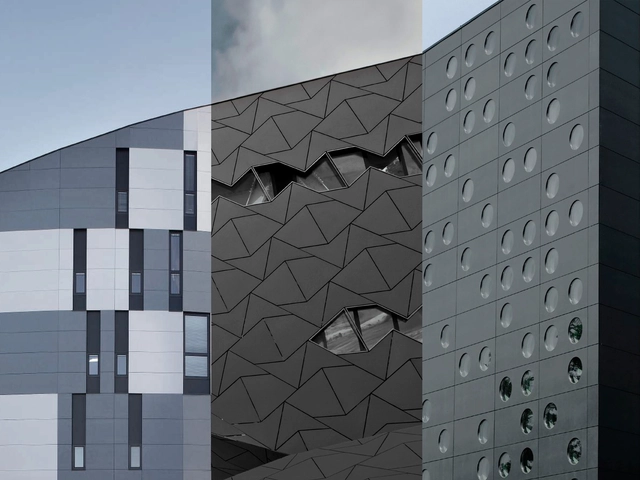
The manipulation and combination of materials are ongoing pursuits in architecture. This has not only broadened the possibilities for construction but also enabled the creation of distinctive shapes and aesthetics by using the same materiality. An example of this is Portland cement, an essential element in the mixture of water and aggregates that make concrete, which allows the creation of both load-bearing and decorative elements. In parallel, as a result of the exploration of innovative materials, fiber cement emerged (invented by Ludwig Hatschek) at the end of the 19th century, combining Portland cement, mineral-based materials, and cellulose fibers.

Greenhouse Technology in Architecture: Building Bright Spaces for the Future

 | Sponsored Content

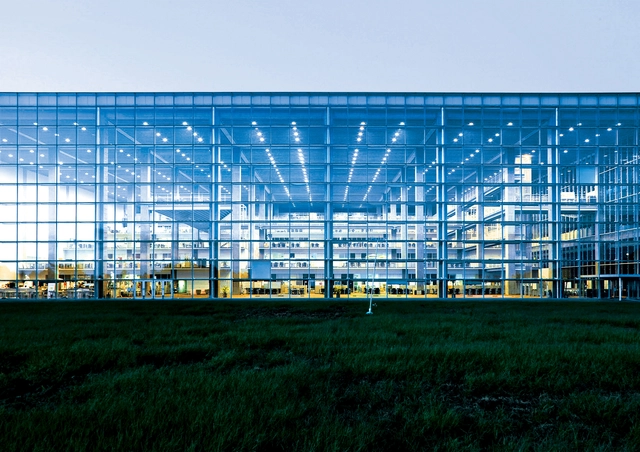
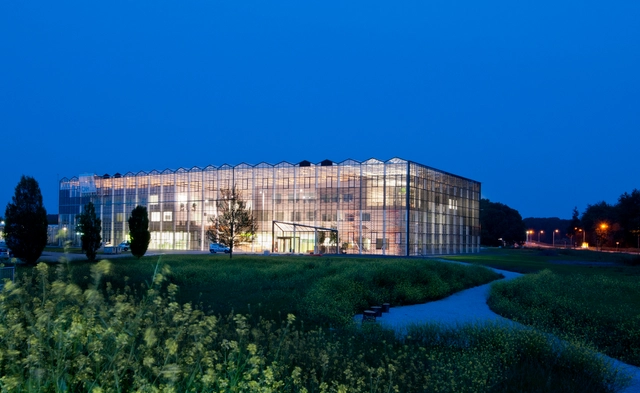
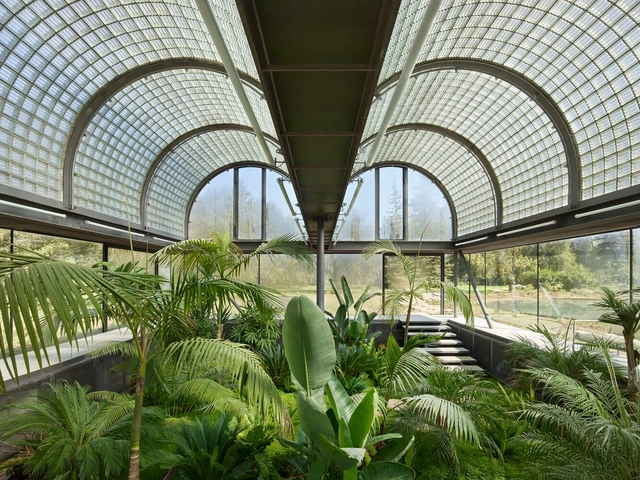
Greenhouses are elegant and ingenious structures that incorporate simplicity in design while creating light-filled spaces that shape indoor climates. With walls and roofs composed mainly of transparent or translucent materials, these structures harness solar energy to create a controlled environment. As advances in materials and environmental management progress, they can seamlessly be integrated into architectural designs, offering innovative solutions that blend functionality with aesthetics. Beyond their original role in plant cultivation, they have evolved into projects that emphasize sustainability, education, and conservation. At their core, they offer experiences of exploration and discovery, showcasing the intricate relationship between sunlight, plants, and indoor environments.

Thatched Roofs: History, Performance and Possibilities in Architecture

Subscriber Access | 

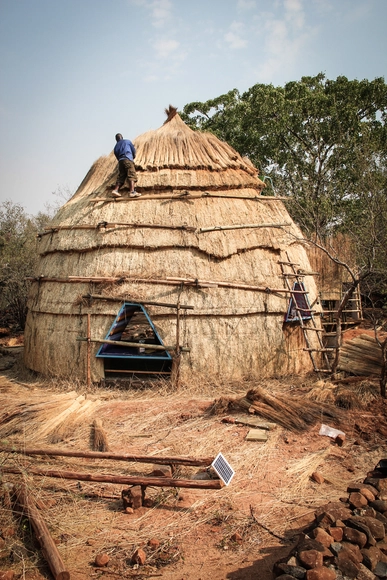
At first glance, Dorte Mandrup's design for the Wadden Sea Center seems to mimic the landscape. Its low height, its horizontal lines and, above all, its materiality make it a modern building in perfect harmony with the local nature. But its connection also encompasses the built heritage of the region, more specifically because of its covering with straw, harvested and dried close to the land. This is an extremely traditional and historic building technique, but which is rarely attributed to contemporary buildings. In this article we will rescue some of the history of this natural material, its constructive characteristics and some examples of use.

Reclaim: Circularity and Reuse at Fabricate 2024

On April 4 – 6, the international conference FABRICATE 2024 will be held at the Royal Danish Academy in Copenhagen. Since its inception in 2011, FABRICATE has established itself as a global forum for new radical possibilities for architecture and welcomed thousands of participants from practice, industry, and research.

A PVC-Free Acoustic Solution for Healthy, Sustainable and Soundproof Interiors

 | Sponsored Content

Polyvinyl chloride (PVC) plastic –commonly known as vinyl– is everywhere. In fact, chances are you are sitting close to (or on) something containing PVC in some way, shape or form. It’s used in packaging, automobile parts, children’s toys, clothing, accessories, wires, furniture, medical supplies and hundreds of other everyday items. This year alone, global production exceeded 51 million metric tons, solidifying its rank as the third-most produced plastic in the world. It is particularly in the architecture, engineering and construction industry that the material stands unchallenged, accounting for 60-70% of its total consumption. So much so that it has indisputably become the most used plastic for building materials worldwide, often found in pipes, fittings, flooring, roofing, window profiles and more. It’s not hard to understand why: PVC is durable, highly versatile, cost-effective and easy to maintain. But nothing comes without a cost, they say…

Casting Furniture with Upcycled Plastics and Urban Debris: Los Colados Project

Subscriber Access | 

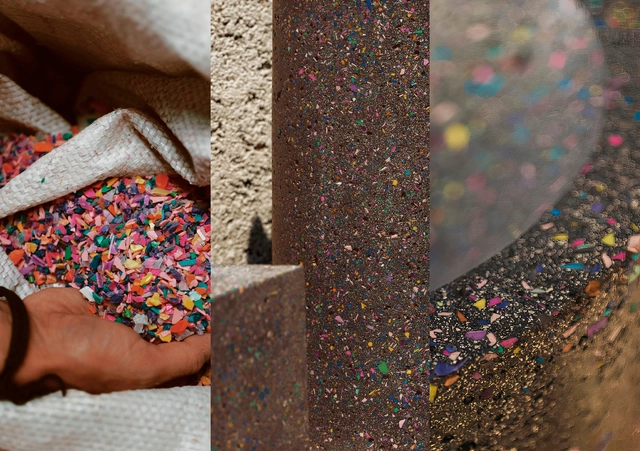
For decades, our society and the development of our built environment have been strongly associated with intensive extractive processes. While these methods were fundamental to the growth of urban areas, they also laid the groundwork for significant challenges that contemporary generations face today. Nowadays, construction debris accumulates on the peripheries of our cities, and plastic waste floats in the oceans.