In the hustle and bustle of modern life, with deadlines, goals, and performance, finding moments of tranquility is essential for maintaining overall well-being and peace of mind. These moments provide a necessary break from daily stresses, allowing the mind and body to reset and thoughts to reorganize. Rituals of relaxation can create a sanctuary of calm amidst the chaos, promoting a sense of balance and peace, providing a healthier and more harmonious lifestyle, and contributing to better physical and emotional health. However, these rituals need not be expensive or complex.
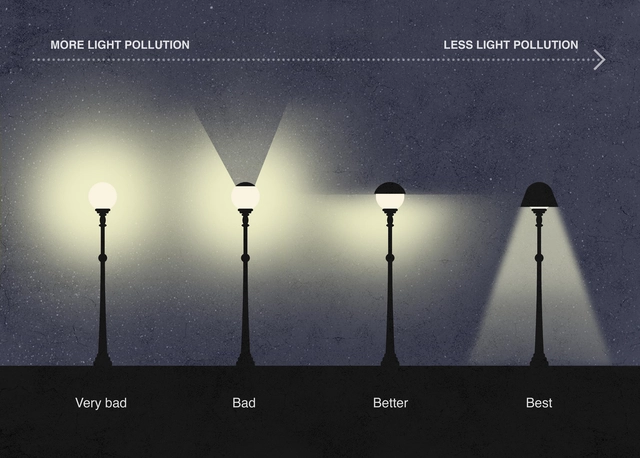
A recent study suggests that our home galaxy, the Milky Way, cannot be seen by one-third of humanity. Why? Millions of city lamps brighten our cities every night, but only part of their light is used to actually illuminate streets or sidewalks – the rest is lost and emitted above the horizon, brightening the night sky and contributing to what is known as light pollution. However, as the artificial glow from towns and cities increases every year, the consequences of this urban phenomenon go beyond just preventing us from seeing stars. Other harmful effects include: causing a hazardous glare that can reduce safety, excessive energy consumption, waste of money and resources, disruption of ecosystems’ natural day and night cycles, suppression of melatonin production and several negative repercussions on public health. In this sense, choosing the right lamps (with a well thought-out design) is crucial to reduce light pollution.
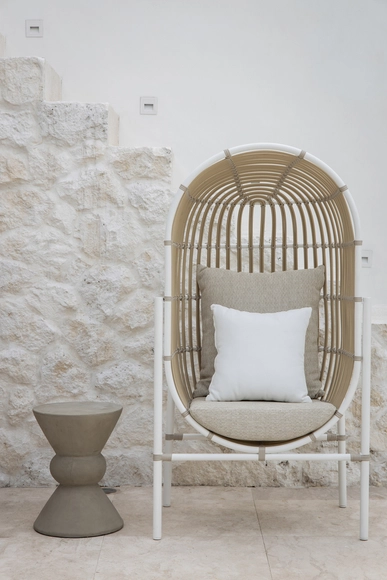
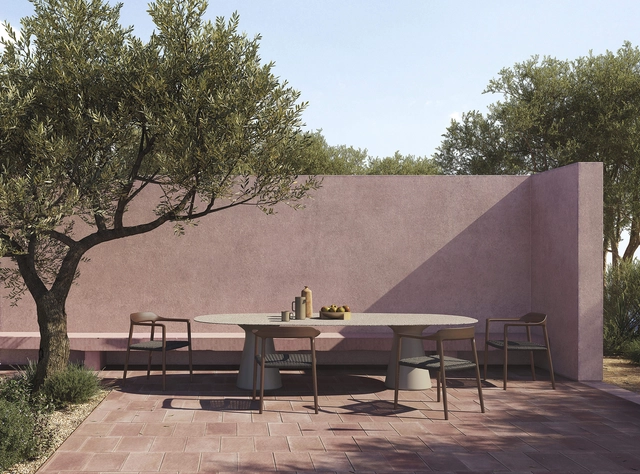
Furniture made from natural materials is widely valued for its beauty and texture, especially when it comes to wood, bamboo, reed, and rattan. However, they often face challenges such as weather damage, pest infestations, and high maintenance requirements like regular cleaning and treatments to prevent fading and structural weakening. Additionally, their lack of uniformity and strength can compromise consistent quality, while harvesting the raw materials can have negative environmental impacts. These issues, combined with inconsistent availability and higher costs, have driven innovations in synthetic materials that aim to replicate the aesthetics of natural products, often using recycled materials to promote sustainability.
BetaPort Applications. Image Courtesy of Urban Beta
Today, interconnected and fast-paced lifestyles, future mobility trends and constant material innovation puts pressure on a slow-moving building industry. How can architecture keep up with this trend? Following dynamic and nomadic lifestyles, architects must explore new structural systems that should be able to reach multiple locations, as well as be adaptable and reusable in the future. By applying revolutionary technology for circular, scalable components and carbon-negative buildings, UrbanBeta –a spatial innovation studio designing strategies, building concepts, predictive tools and platforms for creating transformative spaces– has developed BetaPort, a robotic construction system powered by artificial intelligence and automation.
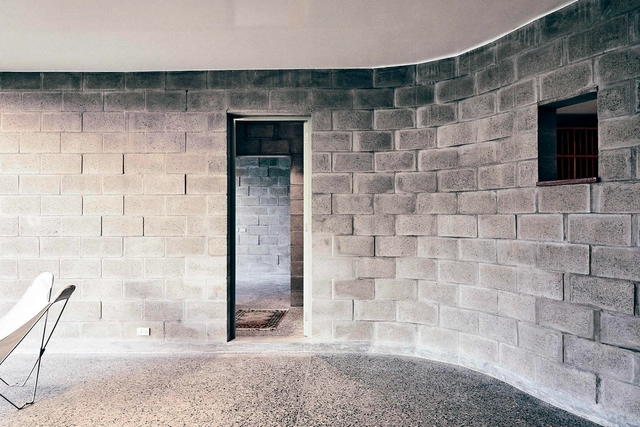
Beyond being a prefabricated material currently produced in large quantities, the use of concrete blocks in architecture continues to evolve to meet the demands and needs of contemporary societies that are constantly changing. Whether in interior or exterior spaces, their use can align with concepts of circular economy, resource efficiency, sustainability, and more, with the goal of creating habitable spaces while also understanding their constructive advantages and disadvantages, their expressive and aesthetic qualities, and so on.
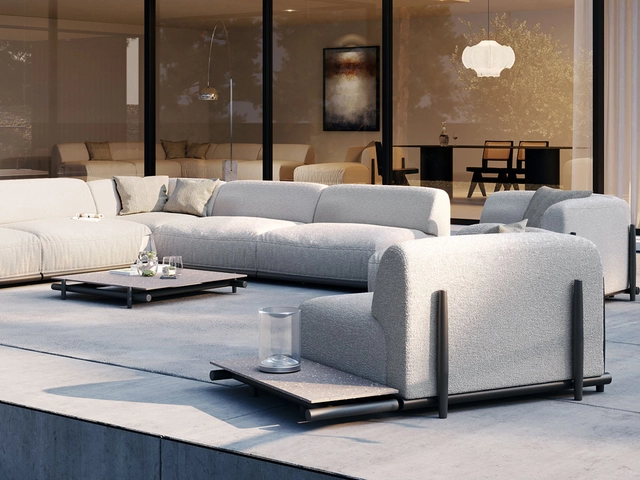
The act of play creates a welcome escape from the demands of daily life, encouraging joy, creativity and collaboration, with tangible benefits from stress relief to improved cognitive function. So when it comes to the interiors of spaces for play—for leisure and socializing for example—how can design enhance these effects? Specifying adaptable modular furniture that can blend the boundaries between indoor and out is one method to improving the freedom and spontaneity of space, bringing agency to moments of joy, possibilities for fresh configurations and equipping interiors for shifting future dynamics.
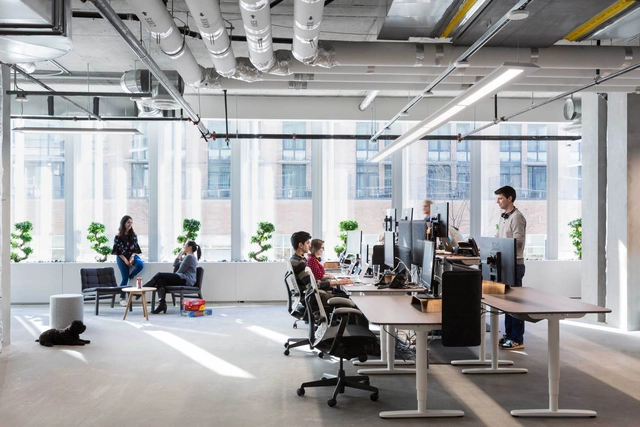
Vibrant colors, ping-pong tables, video games, free food and extravagant decorations. Photographs of the Silicon Valley offices of the early 2000s became the model for ideal, disruptive work environments, meticulously designed to attract and retain new talent in a highly competitive job market. Most importantly, they were the extreme opposite of the famous cubicles of previous decades. Over time, these same companies have invested in creating healthier and more dynamic working environments, giving special consideration to providing contact with nature and better ergonomics for employees. Among the innovations of the past years, the so-called “standing desks” have been gaining popularity, as they offer flexibility and promote a culture of health and well-being. Having the flexibility to work either standing up or sitting down encourages more movement throughout the day and has been proven to improve health and stretching, burn more calories and even increase concentration.
In contemporary architecture, the boundary between indoor and outdoor spaces has increasingly been dissolved. This dissolution establishes a smooth transition between spaces, promoting a sense of harmony and connectivity with the surrounding environment. This trend reflects a fundamental change in contemporary lifestyles, where seamless integration between humans and their environment is increasingly valued and sought after. One of the ways this can be achieved is through fluid spatial arrangements or distinctive architectural elements, such as large windows, open plans and integrated outdoor areas.
The historical local markets of San Lorenzo and Sant'Ambrogio in the centre of Florence, Italy, have been a meeting point for local people for decades; a privileged location from which a sense of community, belonging and sharing has grown. The structure-symbol for local residents and a major tourist attraction, they recently underwent a series of renovation works to update their image and strengthen relations with customers and retailers, with a view to preserving their identity and authenticity.
Architects are known for returning from travel with more photos of buildings than people and for having an esoteric vocabulary of their own. Of course, these are clichés that are not always true. But something that unites most designers is the tendency to pay attention to each detail that makes up a project, be it the material that covers the facade, the junction between different floors, how the doors open, the type of window frame, how the forms were put together for concreting, and more. But a detail that often goes unnoticed – and that makes a huge difference in interior design – is baseboards.
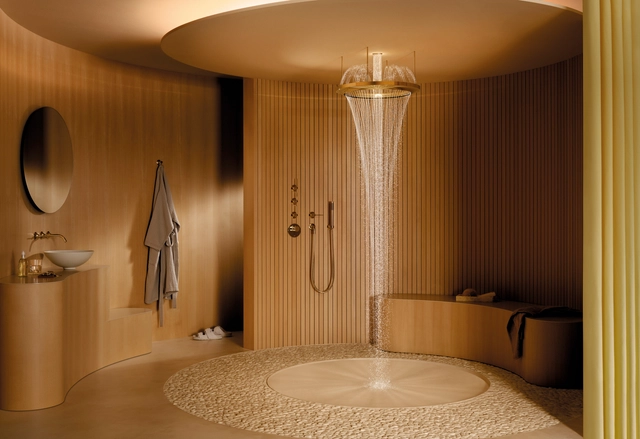
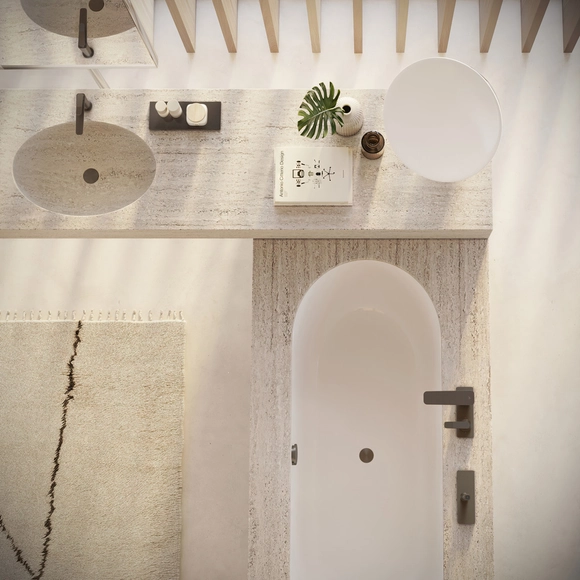
Italian architect and designer Antonio Citterio is renowned for creating spaces that transport individuals to a mood as much as a physical place. He’s a designer of sets and a storyteller as well as a creator of objects. As he says: “I always imagine the product in a movie set, an ambiance where people interact with the product and the space.” His latest collaboration with AXOR—a collection of distinctive bathroom fixture designs—is a paradigm of his craft, expanding the idea of the objects into idealized "light box" domestic spaces, in which they feature. One of these spaces is his "Nature Bound Vacation Home" concept.
https://www.archdaily.com/1016627/a-bathtub-and-sink-in-a-single-sculptural-element-antonio-citterios-vision-for-a-nature-retreatMark C. O'Flaherty
Chroma Pool. Image Courtesy of Courtesy of Agrob Buchtal/photo: Rasmus Hjortshøj
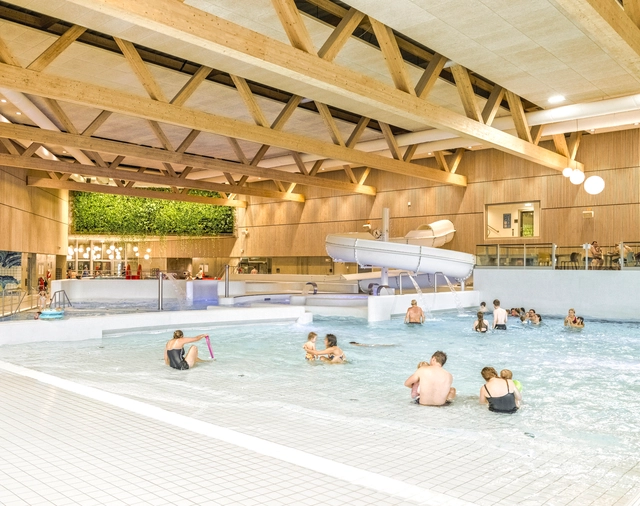
Tinnerbäcksbadet, a leisure center established in 1965 on the shores of a lake in Linköping, Sweden, was showing signs of aging. To revitalize the area and meet the ever-changing demands, the city launched an international architectural competition for a new facility. The winning design, conceived by the Danish firm 3XN, blends modernity and functionality. This integration into the surrounding urban landscape, with the new structure serving as a focal point in a newly reimagined neighborhood square, was crucial to the project's success.
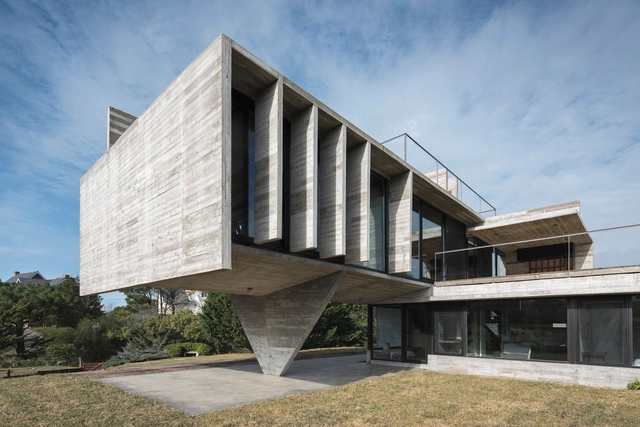
In response to the diverse topographies and natural conditions throughout the Argentine territory, the works of Luciano Kruk propose an architecture that works in harmony with the environment, the landscape, and the nature in which they are situated. Whether immersed in a forest, on sloping terrain, or on a rural plain, among other geographies, his intention is to enhance the relationship between the interior and exterior of the architecture, using concrete as the main material in most of his projects.
In pool design, one big challenge is to make sure that the pool blends in with the rest of the architecture. If it is being designed from scratch, the materials must meet the necessary design criteria, as well as the technical requirements of areas exposed to the elements and in direct contact with water.
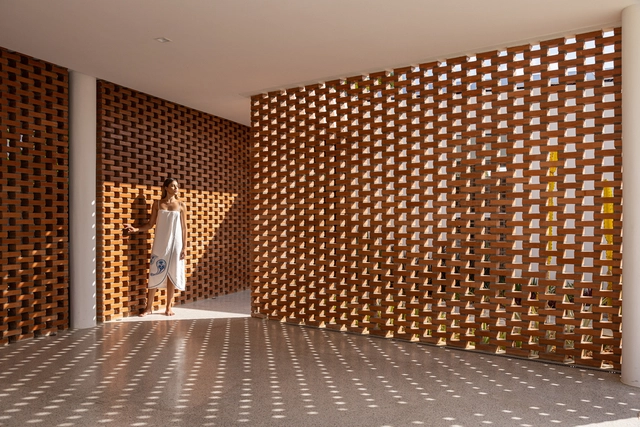
Brick is one of the oldest and most versatile materials in construction, going beyond the simple masonry wall. Its origins date back to 7500 B.C., with kiln-fired specimens appearing around 3000 B.C., representing a technological breakthrough for the construction of sturdier buildings. Spreading across Europe and Asia around 1200 BC, they replaced materials such as wood and stone in scarce regions. Roman bricks, notable for their long shape, were widely used in the construction of their cities and are still used today. The history of bricks is intertwined with that of civilization, being an easy-to-produce, resistant and versatile material, allowing for a multitude of applications and achieving impressive and unusual results.
Limited resources are becoming an increasingly common challenge in architecture. Today, regardless of the region, projects are affected by the availability of resources, which are now compounded by environmental considerations. This situation, far from being restrictive, prompts us to explore new possibilities in how we conceive the built environment. In this context, it is crucial to understand that resources are not only limited to the economy but also include technological, material, and spatial aspects. Thus, we can enhance our creativity and efficiency by broadening our considerations when approaching architectural design and its challenges, doing more with less.
https://www.archdaily.com/1016682/community-growth-through-architecture-maximizing-limited-resources-for-positive-impactEnrique Tovar
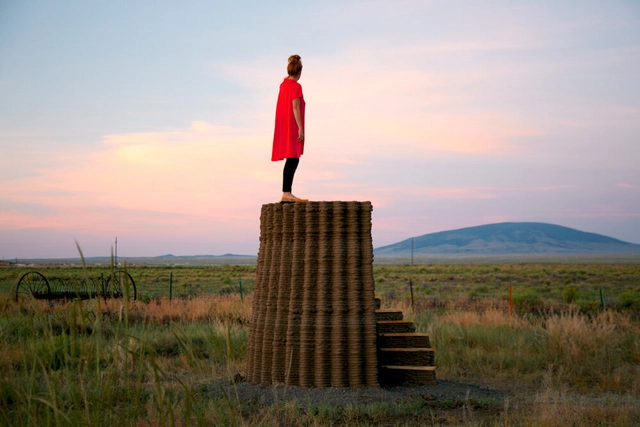
Mud Frontiers. Image Courtesy of Rael San Fratello
Understanding a discipline from multiple perspectives and intersections is essential for acquiring a deep understanding of it. In architecture, the diversity of approaches to its study enriches our perception by allowing us to appreciate its complexity from different angles. For students and professionals alike, exploring aspects such as history, sources of materials and products, construction processes, implementation of new technologies, and contemporary social challenges is crucial. These aspects intertwine and expand the conventional notion of "architecture," transcending the mere creation of buildings or the definition of spaces.
https://www.archdaily.com/1016555/we-can-transform-the-profession-by-rethinking-how-we-might-serve-society-a-conversation-with-ronald-raelEnrique Tovar
In the quest to promote a more sustainable construction where the use of natural materials contributes to the transmission of local traditions and cultures, an increasing number of architecture projects are exploring different resources and techniques to address environmental, economic, or social concerns. Understanding the benefits and qualities of materials such as color or texture influences the final experience of those who inhabit, walkthrough, or visit spaces. Therefore, understanding their technical, constructive, aesthetic, and functional properties should be part of the design process from the beginning.