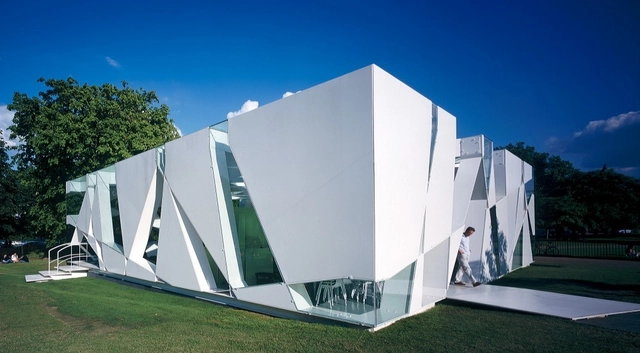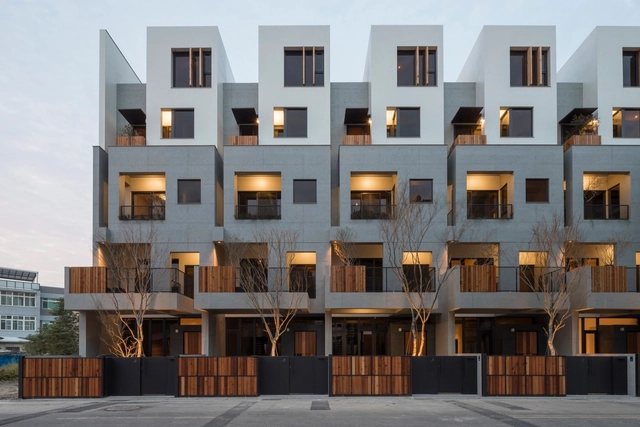
An advocate for architecture closer to the natural environment and focused on people, Toyo Ito is currently one of the world's most influential and award-winning Japanese architects. During a visit to Brazil, Ito spoke to Haus magazine about the verticalization of cities—especially Tokyo—the ethereal qualities of architecture, and the lessons of contemporary Japanese architecture for the world.
Last week, Japanese architect and social advocate Riken Yamamoto was announced as the 2024 Pritzker Architecture Prize Laureate, becoming the 9th Japanese architect honored with the profession's most prestigious award. Throughout the 45-year history of the Pritzker Prize, Japan stands out as the nation with the highest number of laureates. While geography is not a criterion in the selection of the laureates, Japanese architecture consistently impresses with its interplay of light and shadow, the careful composition of spaces, soft transitions between interior and exterior, and attention to detail and materiality. An ingrained culture of building also celebrates diverse designs and encourages global dialogue and the exchange of ideas and best practices. Read on to rediscover the 9 Japanese Pritzker laureates and glimpse into their body of work.
As one of the leading architects of Japan's increasingly highly-regarded architecture culture, 2013 Pritzker LaureateToyo Ito (born June 1, 1941) has defined his career by combining elements of minimalism with an embrace of technology, in a way that merges both traditional and contemporary elements of Japanese culture.
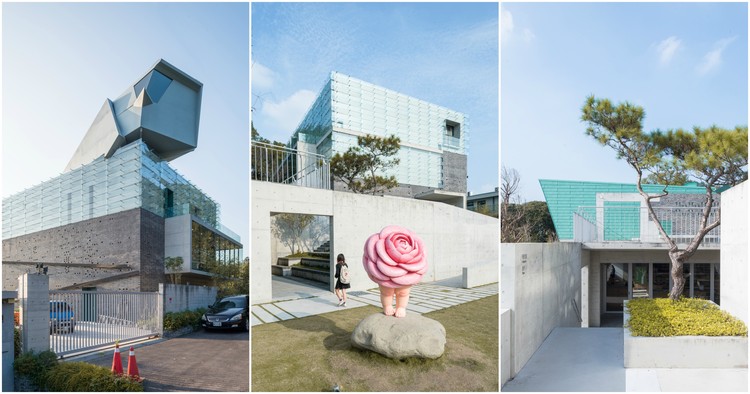
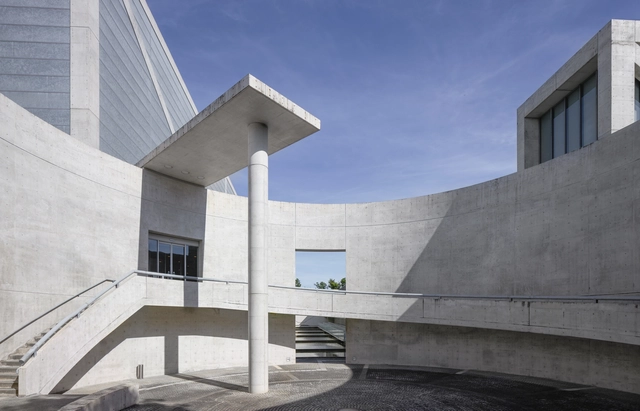
Located in the Tsaotun Township of Nantou County in Taiwan, the Yu-Hsiu Museum of Arts was completed in October of 2015, after 4 years of design development. The request received by AMBi Studio’s design team, led by architect and founder Wei-Li Liao, was for a building that was "subtle," "delicate" and "clean." The building’s focus is therefore on creating a harmonious relationship between the manmade and naturally formed architectural elements, paying respect to the surrounding Jiu-Jiu Peaks. This relationship is demonstrated in the combination of the building’s artificially constructed corridors and the existing vegetation in the area, and the museum’s doubled-façade construction which creates an "intermediary" space between outside and inside.
This successful design led the building to win first prize at the 2016 Taiwan Architecture Awards, causing the selection committee to praise Liao for his "continual effort... to explore the experience of perception... and poetic spatiality." Taiwan-based photographer Lucas K Doolan visited the site to capture the building’s interaction with nature in detail, exploring the museum’s carefully considered materiality.
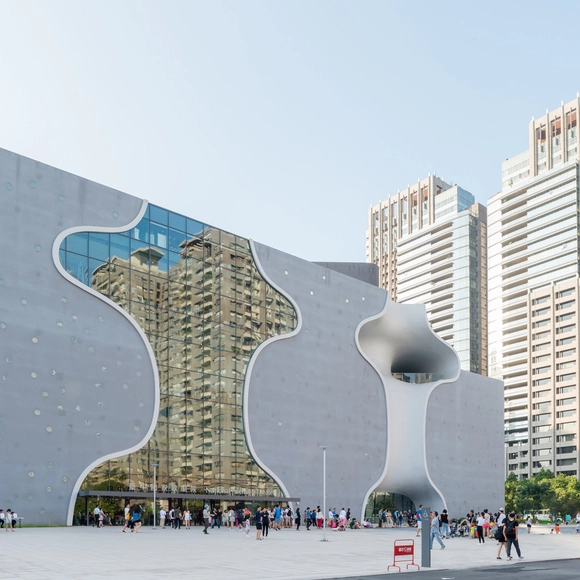
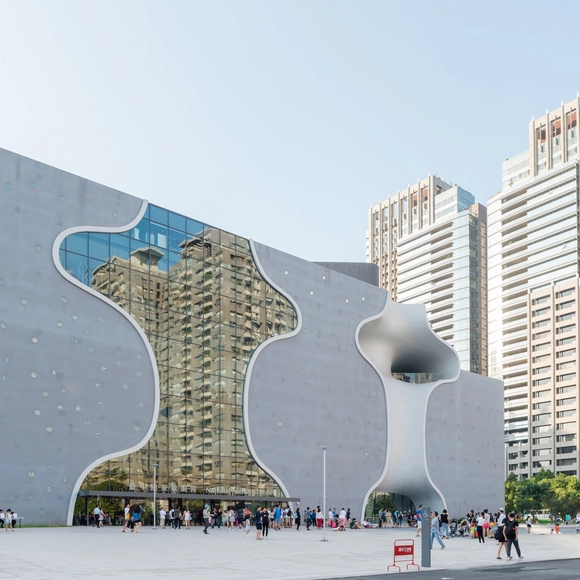
Designed in 2006, and under construction since 2009, Toyo Ito & Associates, Architects much anticipated National Taichung Theater has finally officially opened. The design is notable for its cavernous, curved and folded interior forms, which produce a dramatic and complex section that is neatly resolved into a rectilinear exterior form. Taiwan-based photographer Lucas K Doolan visited the new Opera House to study its impressive internal spaces and its presence in the surrounding urban environment.