1. ArchDaily
  2. Low Carbon

Low Carbon: The Latest Architecture and News

Navigating COP28: Key Takeaways for Architects from the Dubai Summit

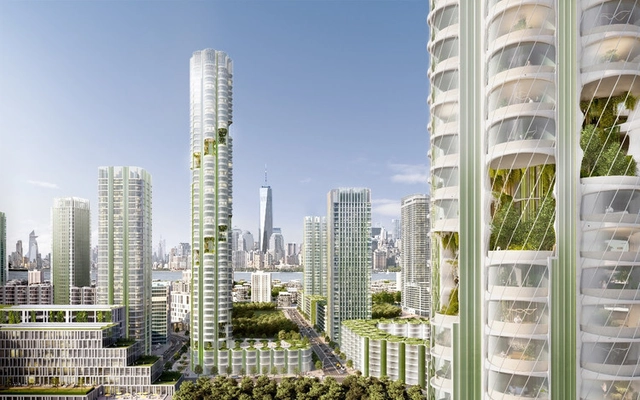
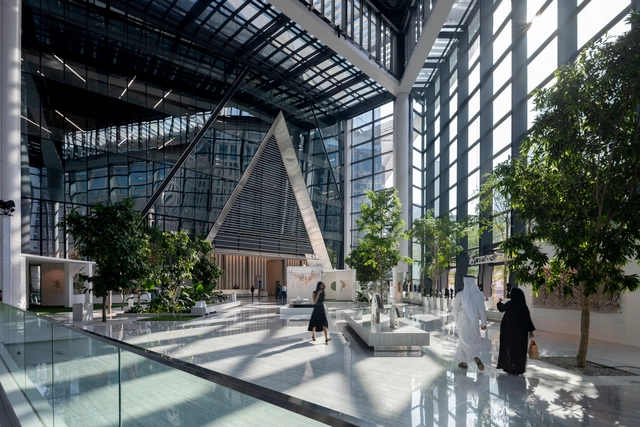
COP28, or the 2023 United Nations Conference of the Parties, was held in Dubai between November 30 and December 13. The annual meeting gathers representatives from 198 countries, as well as industry leaders to discuss and establish strategies to limit the extent of climate change and its adverse effects. The ultimate goal of these meetings is to find ways to limit the global temperature rise below 1.5 degrees Celsius compared to pre-industrial times. At the moment, the global temperature rise is already at 1.2 degrees Celsius. As the construction industry at large accounts for 39% of global emissions, architects and planners have a shared interest in the results of thee international summit, Read on to discover some of the key takeaways of COP28.
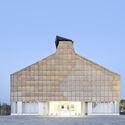
Navigating COP28: Key Takeaways for Architects from the Dubai Summit - Image 1 of 4Navigating COP28: Key Takeaways for Architects from the Dubai Summit - Image 2 of 4Navigating COP28: Key Takeaways for Architects from the Dubai Summit - Image 3 of 4Navigating COP28: Key Takeaways for Architects from the Dubai Summit - Image 4 of 4Navigating COP28: Key Takeaways for Architects from the Dubai Summit - More Images+ 5

Studio Gang Unveils Design for a Low-Carbon Theater for the Hudson Valley Shakespeare Festival in the United States

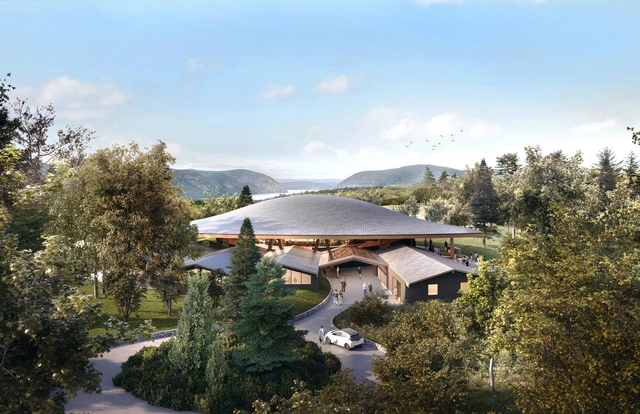
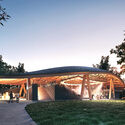
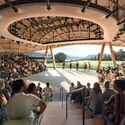
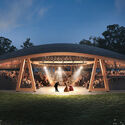
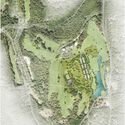
Studio Gang has revealed the design for a new theater for the Hudson Valley Shakespeare Festival (HVSF). Planned to become the first purpose-built LEED Platinum theater in the United States, the building located in Garrison, NY, will serve as the permanent home for HVSF. The structure, measuring over 13,800 square feet, or 1,280 square meters, is designed to become the central point of the 98-acre HVSF campus, aiming to emphasize the theater company’s commitment to sustainable principles and social engagement. The project is expected to break ground in 2024.

Studio Gang Unveils Design for a Low-Carbon Theater for the Hudson Valley Shakespeare Festival in the United States - Image 1 of 4Studio Gang Unveils Design for a Low-Carbon Theater for the Hudson Valley Shakespeare Festival in the United States - Image 2 of 4Studio Gang Unveils Design for a Low-Carbon Theater for the Hudson Valley Shakespeare Festival in the United States - Image 3 of 4Studio Gang Unveils Design for a Low-Carbon Theater for the Hudson Valley Shakespeare Festival in the United States - Image 4 of 4Studio Gang Unveils Design for a Low-Carbon Theater for the Hudson Valley Shakespeare Festival in the United States - More Images

Façade Solutions That Enhance Net Zero Architecture

 | Sponsored Content

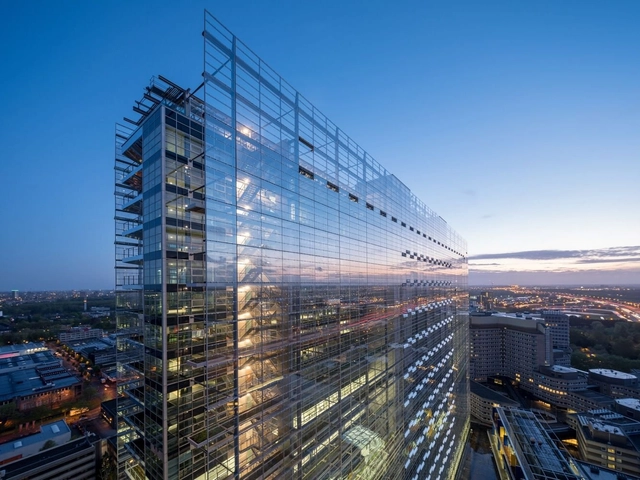
Moving towards a sustainable future is a global challenge that involves all disciplines working together. According to the 2021 Global Status Report for Buildings and Construction, almost 40% of carbon emissions come from the construction industry. This places a heavy responsibility on the industry, which must be open to exploring innovative strategies, technologies, and materials in order to pave the road towards a universal sustainability goal: reaching carbon neutrality by no later than 2050.

With that in mind, this article presents three specific products and systems –low-carbon glass, low-carbon concrete, and lightweight materials– that architects are applying in their projects to contribute to a low-impact architectural design.

UIA World Congress of Architects 2023: Emerging Technologies with KOMPAS VC and Material Evolution

ArchDaily and VELUX have joined forces to provide you with an exclusive coverage of the highly anticipated UIA World Congress of Architects 2023. Watch Sebastian Peck from KOMPAS VC and Liz Gilligan from Material Evolution explain a revolutionary low-carbon cement produced from industrial waste, and how can it help to decarbonize architecture by reducing a building's carbon footprint by 85%.

“Changing Our Footprint”: Henning Larsen Opens an Explorative Exhibition at Aedes Architecture Forum in Berlin

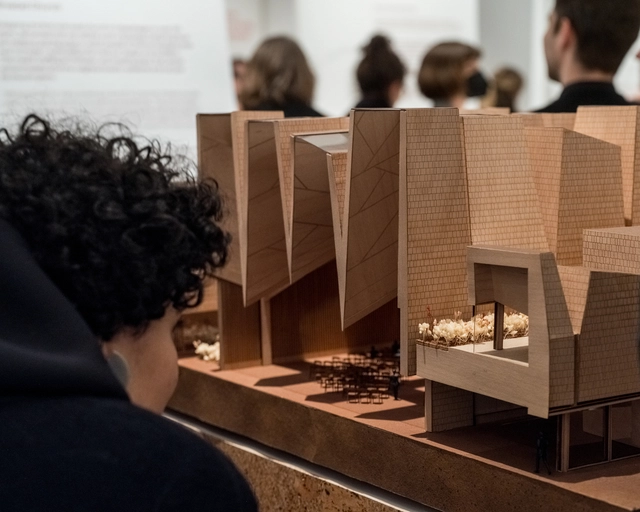
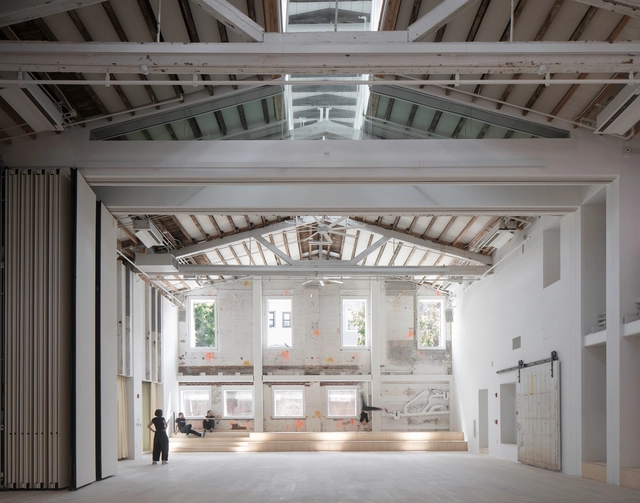
In an effort to address the architecture industry’s environmental impact, Henning Larsen is presenting the “Changing Our Footprint” exhibition at Aedes Architecture Forum in Berlin. The event features the small but scalable steps that the office is taking to move towards a more desirable future through the projects they are designing and the research they are conducting. The exhibition aims to be an engaging event, inviting visitors to participate in the dialogue, to think critically about the proposed solutions and initiatives, and to ask difficult questions in the search for better outcomes. The exhibition is open until March 22, 2023. Henning Larsen will also host a series of panel debates at the Aedes Architecture Forum from February 22 to March 14.

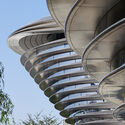
“Changing Our Footprint”: Henning Larsen Opens an Explorative Exhibition at Aedes Architecture Forum in Berlin - Image 1 of 4“Changing Our Footprint”: Henning Larsen Opens an Explorative Exhibition at Aedes Architecture Forum in Berlin - Image 2 of 4“Changing Our Footprint”: Henning Larsen Opens an Explorative Exhibition at Aedes Architecture Forum in Berlin - Image 3 of 4“Changing Our Footprint”: Henning Larsen Opens an Explorative Exhibition at Aedes Architecture Forum in Berlin - Image 4 of 4“Changing Our Footprint”: Henning Larsen Opens an Explorative Exhibition at Aedes Architecture Forum in Berlin - More Images+ 13

Environmentally Friendly Materials: 8 New Products To Reduce Carbon Emission

The construction industry's future will undoubtedly include "carbon reduction" as a mandatory task. Aside from locally sourced, virgin materials, an increasing number of new materials are becoming available. New materials can be developed in several ways, including low-carbon substitution, recycling, performance enhancement, and 3D printing. New materials will not only be more environmentally friendly and enable new construction methods, but they will also influence the starting point and direction of design concepts, resulting in new buildings with new perceptions and spaces.

Environmentally Friendly Materials: 8 New Products To Reduce Carbon Emission - Image 1 of 4Environmentally Friendly Materials: 8 New Products To Reduce Carbon Emission - Image 2 of 4Environmentally Friendly Materials: 8 New Products To Reduce Carbon Emission - Image 3 of 4Environmentally Friendly Materials: 8 New Products To Reduce Carbon Emission - Image 4 of 4Environmentally Friendly Materials: 8 New Products To Reduce Carbon Emission - More Images+ 15

Redesigning the Road to Net Zero: How CO Adaptive Architecture is Breaking New Ground

The climate crisis has reshaped contemporary architecture. Sustainability has become a central guiding force in design, and in turn, architects are rethinking how to build today. For CO Adaptive Architecture, addressing the climate crisis begins with a process oriented practice. Together, Ruth Mandl and Bobby Johnston have created a firm that embodies how a values-based approach can tackle the most pressing issues of our time. The result is elegant and impactful architecture brought to life with poise and finesse.

Redesigning the Road to Net Zero: How CO Adaptive Architecture is Breaking New Ground - Arch Daily InterviewsRedesigning the Road to Net Zero: How CO Adaptive Architecture is Breaking New Ground - Arch Daily InterviewsRedesigning the Road to Net Zero: How CO Adaptive Architecture is Breaking New Ground - Arch Daily InterviewsRedesigning the Road to Net Zero: How CO Adaptive Architecture is Breaking New Ground - Arch Daily InterviewsRedesigning the Road to Net Zero: How CO Adaptive Architecture is Breaking New Ground - More Images+ 4

Has the Pandemic Halted the Road to Net-Zero Carbon?

With the magnitude and urgency of the immediate Covid-19 crisis worldwide, efforts have been concentrated on saving lives, rather than focusing on concerns related to the road to Net-zero carbon. Net Zero carbon in regards to construction is defined as when the amount of carbon emissions associated with the construction of a building and its completion is zero. A zero-energy building will have an overall zero net energy consumption; the total amount of energy used by the building annually is equal to the amount of renewable energy generated on-site.

As the climate emergency presents itself as a severe and existential threat, it is crucial that the road to net-zero carbon is resumed large-scale in both an architectural and commercial sense. Around the globe, efforts have been renewed in an attempt to tackle the almost inconceivable. According to the 2019 global status report for buildings and construction, the buildings and construction sector accounted for 36% of final energy use and process-related carbon emissions in 2018. Although carbon emissions were temporarily reduced during the peak of the pandemic, they are set to swiftly return to previous figures.
Canoa: A Design Tool and Marketplace That Helps Create Low-Carbon Offices

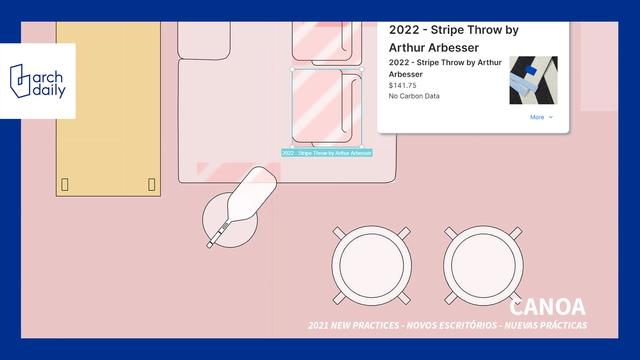
Providing an end-to-end design and construction framework for creating low-carbon workplaces, Canoa is a design tool with an embedded marketplace that aims to reduce the environmental impact of commercial interiors. Operating under the circular economy principles, Canoa seeks to keep goods in use for as long as possible, design out waste, and help preserve natural resources while supporting businesses, designers, and suppliers in carrying out commercial retrofits.

Selected as one of Archdaily's Best New Practices of 2021, Canoa is a New-York based start-up founded in 2019 by designer and entrepreneur Federico Negro, with the purpose of delivering environmentally conscious working environments for a wide range of businesses. Canoa is a business-to-business marketplace for low-carbon office products, ranging from furniture to lighting and accessories. The company focuses on providing conscious, durable furniture and prefabricated units with traceable materials and manufacturing that can be easily moved and reused.

Canoa: A Design Tool and Marketplace That Helps Create Low-Carbon Offices - Image 1 of 4Canoa: A Design Tool and Marketplace That Helps Create Low-Carbon Offices - Image 2 of 4Canoa: A Design Tool and Marketplace That Helps Create Low-Carbon Offices - Image 3 of 4Canoa: A Design Tool and Marketplace That Helps Create Low-Carbon Offices - Image 4 of 4Canoa: A Design Tool and Marketplace That Helps Create Low-Carbon Offices - More Images+ 4

WTA, In Praise of Shadows and Land Arkitektur Imagine Low Impact Headquarters for Housing Association in Sweden

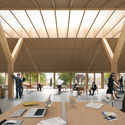
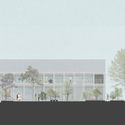
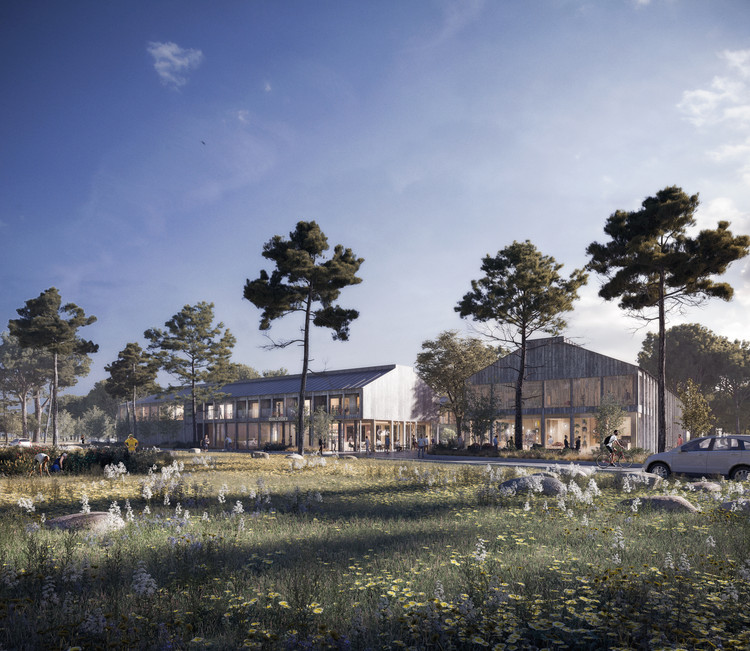
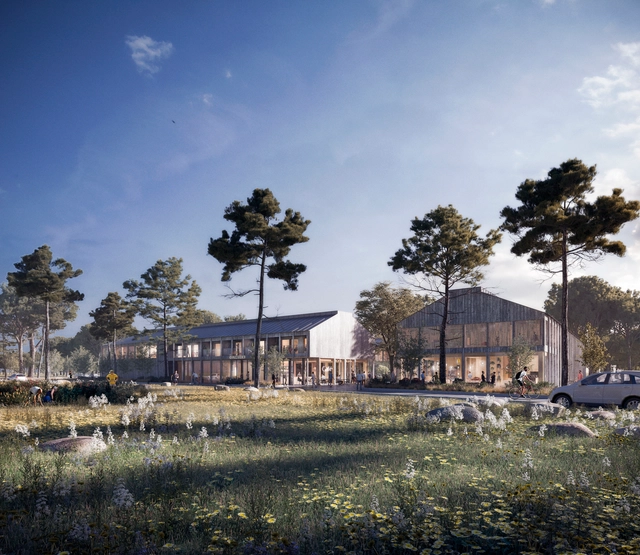
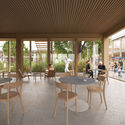
Waugh Thistleton Architects or WTA has won an international design competition in collaboration with In Praise of Shadows and Land Arkitektur, to deliver the new head office of Gotlandshem, the national housing association of the Swedish island of Gotland in Visby, Sweden. The project, low carbon, and low impact building will be a multifunctional place, providing a healthy hub for businesses, accessible by the whole community.

WTA, In Praise of Shadows and Land Arkitektur Imagine Low Impact Headquarters for Housing Association in Sweden  - Image 1 of 4WTA, In Praise of Shadows and Land Arkitektur Imagine Low Impact Headquarters for Housing Association in Sweden  - Image 2 of 4WTA, In Praise of Shadows and Land Arkitektur Imagine Low Impact Headquarters for Housing Association in Sweden  - Image 3 of 4WTA, In Praise of Shadows and Land Arkitektur Imagine Low Impact Headquarters for Housing Association in Sweden  - Image 4 of 4WTA, In Praise of Shadows and Land Arkitektur Imagine Low Impact Headquarters for Housing Association in Sweden  - More Images+ 5